Top Stainless Steel Industry Trends in 2025: Sustainability, Advanced Alloys, and Smart Manufacturing

DLSS - Pipe&Tube - Top Stainless Steel Industry Trends in 2025: Sustainability, Advanced Alloys, and Smart Manufacturing

Meta Description:
Explore the top 6 stainless steel industry trends in 2025, including green steel initiatives, duplex and super duplex stainless steels, nickel alloy pipes, and intelligent tube manufacturing.


1. Sustainable Stainless Steel Production

With the global push toward decarbonization, the stainless steel industry is rapidly transitioning to green steel production. In 2025:

  • Over 60% of stainless steel products will be made from recycled content.
  • Leading producers are adopting hydrogen-based metallurgy to significantly reduce CO₂ emissions.
  • The EU Carbon Border Adjustment Mechanism (CBAM) encourages mills to adopt ISO 14001-certified production processes.

Key Keywords: green stainless steel, low-carbon stainless steel, ISO 14001 stainless tube supplier


2. Global Capacity Shifts and Import Pressure

According to CRU Group, stainless steel production is expected to stabilize globally, though China continues to dominate new capacity additions.

  • European producers such as Outokumpu are scaling back investment due to weak margins and increased Asian competition.
  • Buyers are now comparing domestic EN 10216-5 tubes with imported ASTM A312 seamless pipes based on total lifecycle cost and compliance.

Key Keywords: stainless steel import, EN 10216-5 tube, ASTM A312 seamless pipe, global stainless steel market


3. Rise of Advanced Alloys for Harsh Applications

Demand is surging for duplex stainless steel, super duplex pipes, and nickel alloy tubes in extreme environments such as:

  • Offshore oil & gas
  • Desalination and brine systems
  • Sulfuric acid plants
  • Heat exchangers in FPSOs and LNG terminals

Grades like S32750, Inconel 625, Alloy 825, and 254SMO are now considered essential for high-pressure, high-corrosion resistance.

Recommended Reading: Outokumpu Material Datasheets

Key Keywords: super duplex tube, Incoloy 825 pipe, Inconel 625 tubing, 254SMO heat exchanger tube


4. Intelligent Manufacturing of Stainless Tubes

Manufacturers are integrating AI-driven automation and IoT-based monitoring into the production of stainless steel tubes:

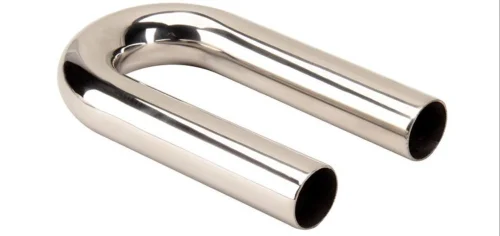
  • CNC tube bending, automated U-bend shaping, and robotic inspection are improving consistency.
  • Predictive maintenance via real-time sensor feedback reduces downtime and increases throughput.
  • Digital MTCs and traceability platforms are becoming standard in tube mill operations.

Explore: Industry 4.0 in Steel Production – McKinsey Report

Key Keywords: stainless tube automation, CNC U-bend tube, intelligent tube production, digital traceability


5. Circular Economy and Recyclability

Stainless steel is inherently recyclable, with over 80% of material reused without degradation of mechanical properties:

  • Lifecycle Assessment (LCA) is increasingly used to qualify suppliers.
  • Clients prefer suppliers offering closed-loop packaging, returnable crates, and recyclable tube trays.

This aligns with corporate ESG goals and long-term environmental compliance.

Key Keywords: recyclable stainless pipe, LCA stainless steel, sustainable stainless steel supplier


6. Raw Material Cost & Trade Strategy

While nickel and molybdenum prices have stabilized, geopolitical risks still affect the cost and availability of stainless steel raw materials.

  • Strategic sourcing from stable regions (e.g., ASEAN, Turkey) is growing.
  • Importers must consider tariffs, anti-dumping measures, and origin rules in contracts.

Stay Updated: LME Nickel Price Tracker

Key Keywords: nickel alloy tube price, molybdenum surcharge, stainless pipe export


Summary Table: Key 2025 Stainless Trends

TrendKey Impact Areas
Green steelLower emissions, recycled content, ISO 14001
Advanced alloysBetter corrosion resistance, harsh environments
Smart manufacturingPrecision, efficiency, traceability
Circular economyReusability, ESG alignment, LCA-driven purchasing
Trade dynamicsStrategic sourcing, tariff planning

Conclusion

As the stainless steel industry enters a new era defined by sustainability, alloy innovation, and smart technology, it’s critical to stay informed. Procurement professionals, project engineers, and EPC firms must adapt their sourcing strategies to match evolving standards, compliance requirements, and customer expectations.

DLSS is committed to delivering high-performance stainless steel tubes that meet global demands, from low-carbon 316L pipe to high-grade super duplex heat exchanger tubing.


Contact DLSS
Email: info@dlsspipe.com
Website: www.dlsspipeline.com

Ready to source premium stainless steel solutions aligned with the 2025 market trends? Reach out to our technical team for tailored solutions, material recommendations, and documentation support.

Wonderful! Share This Case:

Austenitic Stainless Steel

Duplex Stainless Steel

Nickel Alloys

▪ Incoloy Family

▪ Inconel Family

▪ Monel Family

▪ Hastelloy Family

▪ Other Special Alloys

Cobalt Alloys

Related Posts

The Role of Stainless Steel Tubes in Renewable Energy Systems – Solar, Wind, and Hydrogen

The Role of Stainless Steel

Meta Description:Discover how stainless steel tubes power the transition to renewable energy. Explore their critical applications in solar thermal systems, wind turbine cooling, and hydrogen infrastructure. Introduction As the global push for carbon neutrality intensifies, renewable energy systems are expanding at an unprecedented rate. From solar thermal plants to hydrogen pipelines, the infrastructure behind green […]

Read More

ASME, EN, and JIS Standards

In global heat exchanger projects, engineers and procurement teams often face a critical question: Which material standard should we follow—ASME, EN, or JIS? Each of these standards governs stainless steel tube production but comes from different regions and technical philosophies. Understanding their differences helps avoid miscommunication, ensure regulatory compliance, and make smart sourcing decisions. In […]

Read More
The Role of Heat Treatment in Stainless Steel Tube Manufacturing

The Role of Heat Treatment

Meta Description:Understand the critical role of heat treatment in the manufacturing of stainless steel tubes. Learn about solution annealing, stress relieving, grain size control, and how these affect tube performance and quality. Introduction Heat treatment is not just a step in the production of stainless steel tubes—it is a fundamental quality determinant that affects corrosion […]

Read More
hygienic-food-pharma-heat-exchanger-stainless-steel

Hygienic Stainless Steel Heat Exchanger

In the food and pharmaceutical industries, cleanliness is not optional—it’s mandatory. Heat exchangers in these sectors are integral to pasteurization, sterilization, CIP (clean-in-place) loops, and product temperature control. That’s why the choice of tubing is critical. Sanitary-grade stainless steel tubes ensure both product safety and regulatory compliance, while also withstanding the harsh cleaning agents and […]

Read More
Low-Fin Tubes: Compact Heat Transfer Solutions for Refrigeration and HVAC

Low-Fin Tubes: Compact Heat Transfer

Low-fin tubes are designed to improve heat transfer efficiency while maintaining a compact design, making them ideal for applications where space and weight are limited. These tubes feature external fins with a low height, which increases the surface area for heat exchange without significantly increasing the overall size. For a broader look at finned tube […]

Read More
Top 5 Questions Buyers Ask About Duplex Stainless Steel Tubes

Top 5 Questions Buyers Ask

Meta Description:Explore the top five questions procurement teams and engineers ask when sourcing duplex stainless steel tubes, including corrosion resistance, welding, standards, and pricing. Introduction Duplex stainless steel tubes are widely used in offshore platforms, chemical processing, desalination plants, and heat exchanger systems, thanks to their excellent combination of mechanical strength and corrosion resistance. However, […]

Read More
Titanium GR2 Condenser Tubes for Seawater Desalination Plants

Titanium GR2 Condenser Tubes for

1. Introduction Seawater desalination projects are expanding rapidly across the Middle East, North Africa, and Asia, with a market size of over 25 billion USD. One of the most critical components in desalination plants is the condenser and heat exchanger tubing, where Titanium Grade 2 (GR2) tubes are the preferred material. With unmatched corrosion resistance […]

Read More
Top Applications of Tubular Heat Exchangers in the Oil and Gas Industry

Top Applications of Tubular Heat

In the oil and gas industry, process reliability, corrosion resistance, and thermal efficiency are critical to success. Among the most vital components enabling these outcomes are tubular heat exchangers, particularly shell and tube heat exchangers (STHEs). From upstream production to downstream refining, these systems provide the thermal control required in some of the world’s most […]

Read More

Request A Quote

*We respect your confidentiality and all information are protected.