Meta descripción:
¿Está planeando exportar tubos de acero inoxidable a Sudamérica? Esta guía explica cómo preparar documentación, embalaje e inspección para asegurar una entrega rápida y conforme a puertos de Brasil, Argentina, Chile, Colombia y más.
1. Introducción
Sudamérica es una de las regiones de más rápido crecimiento en la demanda de tubos de acero inoxidable, especialmente en sectores como energía, refinación, minería e infraestructura.
Sin embargo, exportar a países como Brasil, Argentina, Chile y Colombia requiere un estricto cumplimiento de normas de aduana, inspección y embalaje.
Esta guía le orientará paso a paso sobre cómo exportar tubos sin costura de acero inoxidable a Sudamérica con éxito—garantizando entrega segura, certificación aprobada y clientes satisfechos.
2. Principales puertos de destino en Sudamérica
| País | Puerto principal | Comentarios |
|---|---|---|
| Brasil | Santos, Paranaguá | Altos volúmenes EPC; aduanas estrictas con documentación |
| Argentina | Buenos Aires, Rosario | Verificar uso industrial o sanitario con anticipación |
| Chile | San Antonio, Valparaíso | Entrada clave para minería y litio |
| Colombia | Cartagena, Buenaventura | Terminales de GNL, proyectos costeros e infraestructura |
| Perú | Callao | Envíos para refinerías, energía, plantas de fertilizantes |
Asegúrese de confirmar el código del puerto, el código HS, y la licencia del importador antes de programar el envío.
3. Documentación necesaria para aduanas y clientes EPC
- Factura comercial (FOB o CIF)
- Lista de empaque con grado de acero, peso, largo, número de lote
- Certificado de origen
- Certificado de ensayos (MTC) – EN 10204 3.1 o 3.2
- Informe de inspección de terceros (si se solicita)
- Conocimiento de embarque (BL) – debe coincidir exactamente con los datos del consignatario
DLSS entrega documentación bilingüe (inglés + español o portugués) si se requiere.
4. Inspección y certificación
Muchos compradores en Sudamérica requieren:
- Inspección por SGS / TÜV / Bureau Veritas antes del embarque
- Informes de inspección visual, dimensiones, PMI, EC o UT
- Certificados EN 10204 3.2 firmados por tercero independiente
Se recomienda agendar inspección con al menos 72 horas de antelación. Algunos proyectos aceptan inspección remota en video.
5. Embalaje para exportación segura
Durante el transporte marítimo (25–40 días), los tubos pueden estar expuestos a humedad, salinidad y golpes. Se recomienda:
- Tapones plásticos sellados en los extremos
- Envoltura de PE o cajas de madera
- Palets metálicos para tubos pesados o de gran tamaño
- Opcional: Purga con nitrógeno para tubos BA o EP
- Marcar cada tubo/lote con: grado, tamaño, número de colada, referencia del proyecto
6. Tiempos estimados de exportación
| Etapa | Duración estimada |
|---|---|
| Producción DLSS | 15–30 días hábiles |
| Inspección & certificación | 2–3 días hábiles |
| Despacho aduanero en origen | 2–4 días |
| Tránsito marítimo a LATAM | 25–40 días |
| Entrega local (si aplica) | 2–7 días adicionales |
Recomendaciones:
- Reservar espacio de buque con mínimo 7 días de anticipación
- Verificar con el cliente si los términos de entrega son FOB, CFR o DDP
- Enviar pre-alerta de embarque con todos los documentos escaneados
7. Preguntas frecuentes (FAQ)
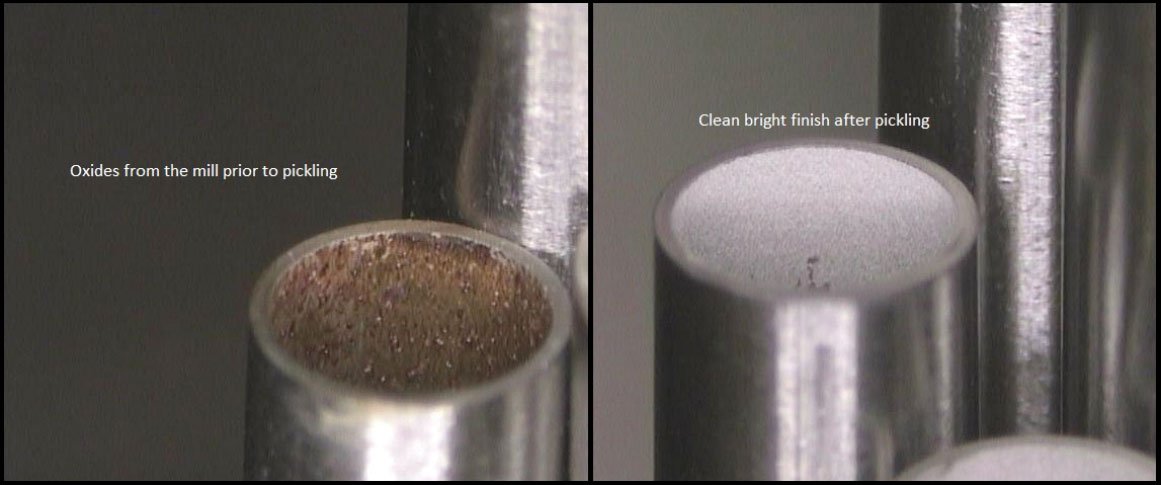
¿Qué pasa si los tubos llegan con óxido o daños en la superficie?
El embalaje de DLSS incluye protección antihumedad, tapones sellados y uso de desecantes cuando aplica.
¿Puedo inspeccionar remotamente si no estoy en China?
Sí. DLSS ofrece inspección por video o informes digitales certificados por SGS/TÜV/BV antes del embarque.
¿Se requiere licencia especial para importar en Brasil o Argentina?
Sí. Algunos clientes deben estar registrados como importadores de acero. DLSS apoya con facturación clara y documentación conforme.
¿DLSS puede entregar en condiciones DDP o DDU?
Sí. Para proyectos específicos, coordinamos entrega puerta a puerta con agentes logísticos locales.
Conclusión
Exportar tubos de acero inoxidable a Sudamérica requiere preparación documental, embalaje profesional, coordinación logística y soporte postventa confiable.
DLSS ha completado exitosamente envíos a Brasil, Argentina, Chile, Colombia y Perú con inspección completa, trazabilidad, y asistencia aduanera.
Contacto DLSS
Correo: info@dlsspipe.com
Sitio web: www.dlsspipeline.com