What Is a Double Pipe Heat Exchanger? Design, Benefits, and Industrial Applications

DLSS - Tubes For Heat Exchanger - What Is a Double Pipe Heat Exchanger? Design, Benefits, and Industrial Applications

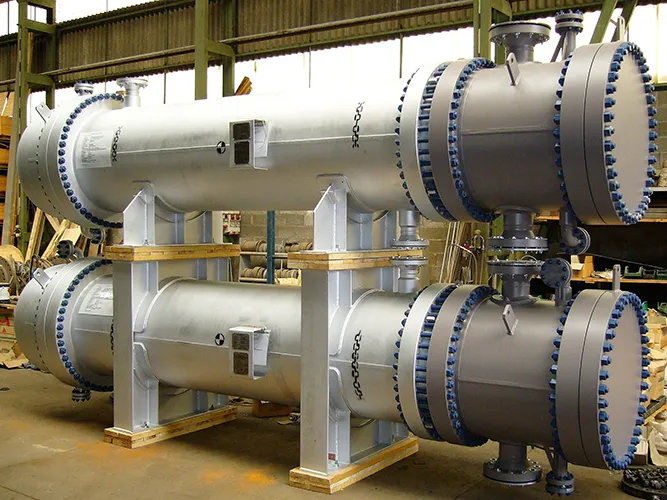
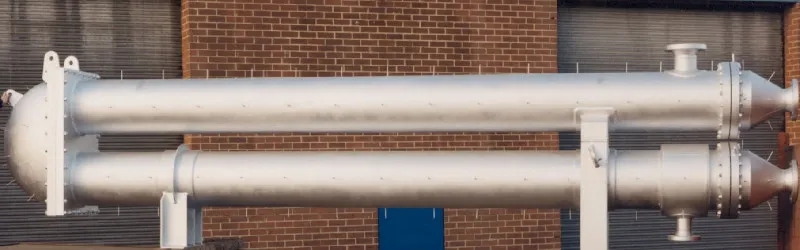
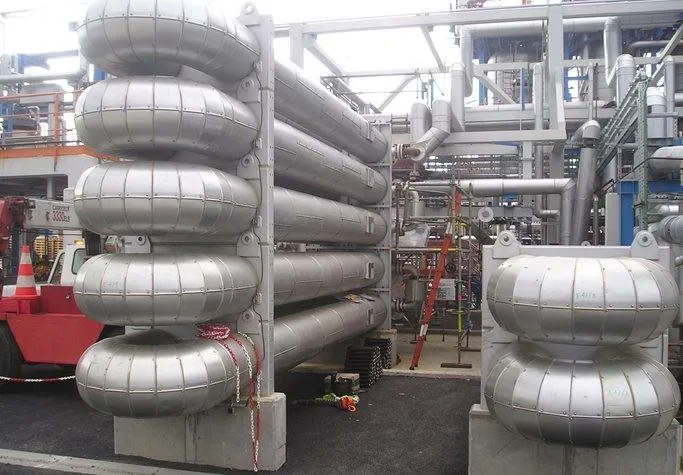
A Double Pipe Heat Exchanger, also known as a double tube heat exchanger, is one of the simplest yet most effective types of heat exchangers for small to medium heat transfer needs. It consists of two concentric pipes—one inside the other—allowing two fluids to exchange heat without mixing.

This blog will explore the design, working principle, advantages, limitations, and applications of double pipe heat exchangers, while also helping you decide when it’s the best option for your system.


What Is a Double Pipe Heat Exchanger?

A double pipe heat exchanger features two pipes:

  • The inner pipe carries one fluid.
  • The annular space between the outer and inner pipes carries a second fluid.

Heat is transferred from the hotter fluid to the cooler one through the wall of the inner pipe.

Types of Flow:

  • Counterflow (preferred): Fluids flow in opposite directions, maximizing heat transfer efficiency.
  • Parallel flow: Both fluids move in the same direction, simpler but less efficient.
What Is a Double Pipe Heat Exchanger? Design, Benefits, and Industrial Applications

Design Features

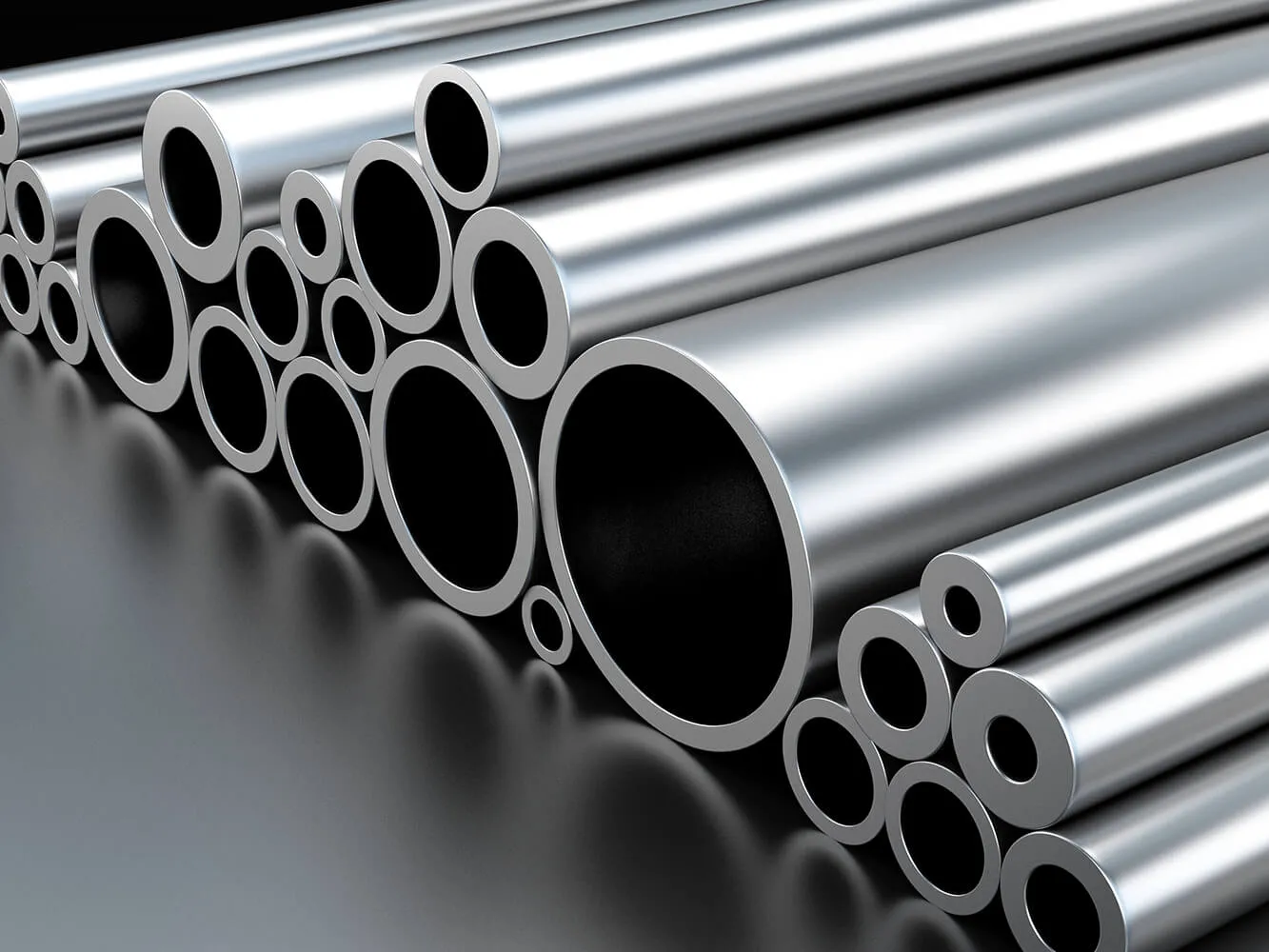
  • Materials: Commonly made from stainless steel, carbon steel, or copper. DLSS provides seamless stainless steel tubes for industrial-grade heat exchangers.
  • Length: Modular design allows easy expansion by connecting multiple sections.
  • Pressure Rating: Suited for low to moderate pressures.
  • Cleaning: Easy to disassemble and maintain.

Advantages of Double Pipe Heat Exchangers

  • Simple design and easy installation
  • Effective for small flow rates and large temperature differences
  • Low initial investment
  • Ideal for pilot plants or batch operations
  • Flexible for custom lengths and layouts

For industries that require small-capacity but highly controllable thermal systems, a double pipe heat exchanger is often the most cost-effective solution.


Limitations to Consider

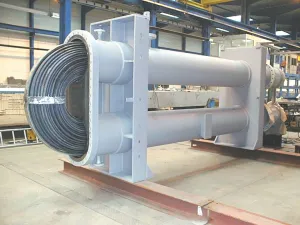
  • Larger footprint per unit of heat transfer area compared to shell-and-tube
  • Not ideal for large-scale or high-flow applications
  • Less efficient in parallel flow configuration
What Is a Double Pipe Heat Exchanger? Design, Benefits, and Industrial Applications

Industrial Applications

Double pipe heat exchangers are commonly used in:

  • Oil and gas skids
  • Small-scale chemical reactors
  • Pharmaceutical production units
  • Food processing systems
  • Water-to-water or steam-to-liquid heating systems

They are often selected when precise thermal control is needed with a limited volume of fluid.


Why Choose DLSS Double Pipe Heat Exchanger Tubes?

At DLSS, we manufacture high-quality seamless stainless steel tubes specifically designed for heat exchanger applications, including:

  • TP304, TP316L, 2205 Duplex
  • Smooth inner bore for efficient heat transfer
  • Oil-coated or pickled finish for corrosion resistance
  • Custom lengths and tight dimensional tolerances

We offer materials that meet ASTM A213, A269, and EN 10216-5 standards, ensuring consistent quality and performance.
What Is a Double Pipe Heat Exchanger? Design, Benefits, and Industrial Applications

Explore our heat exchanger tubing solutions:
www.dlsspipeline.com
info@dlsspipe.com


Frequently Asked Questions (FAQ)

Q1: When should I choose a double pipe heat exchanger over shell-and-tube?
A: When your application involves small flow rates, high temperature differences, and needs simple maintenance.

Q2: What is the typical pressure rating of a double pipe exchanger?
A: It varies by design, but most operate under 10–30 bar. Contact DLSS for custom configurations.

Q3: Can double pipe exchangers handle corrosive fluids?
A: Yes, with the right materials. DLSS offers duplex and 316L stainless steel options for corrosive environments.


Conclusion

The Double Pipe Heat Exchanger remains a trusted solution for industries requiring compact, reliable, and easy-to-maintain thermal systems. Its straightforward design, paired with high-performance tubing from DLSS, ensures durability and efficiency.

Looking for stainless steel tubes for your next double pipe heat exchanger project?
Visit www.dlsspipeline.com or reach out to info@dlsspipe.com to request a quote today.

Wonderful! Share This Case:

Austenitic Stainless Steel

Duplex Stainless Steel

Nickel Alloys

▪ Incoloy Family

▪ Inconel Family

▪ Monel Family

▪ Hastelloy Family

▪ Other Special Alloys

Cobalt Alloys

Related Posts

Choosing Between 304L, 316L, and

Meta Description:Understand the differences between 304L, 316L, and 904L stainless steel tubes. Learn how to choose the right material based on corrosion resistance, cost, and application requirements. Introduction Stainless steel tube buyers often face the challenge of selecting the most suitable grade for their projects. Among the most widely specified austenitic stainless steels are: Each […]

Read More
Comparing ASTM A213, A269, and A312 – Selecting the Right Stainless Steel Tube Standard

Comparing ASTM A213, A269, and

Meta Description:Confused by ASTM A213, A269, and A312 standards? Learn the key differences in scope, testing, and application for these stainless steel tube specifications to choose the right product for your project. Introduction When sourcing stainless steel tubes, choosing the correct ASTM standard is critical for compliance, safety, and performance. Among the most commonly used […]

Read More
How to Pass 3.2 Certification for Heat Exchanger Tubing Projects

How to Pass 3.2 Certification

Meta Description:EN 10204 3.2 certification is often mandatory for high-spec tubing projects. Learn what it means, how to prepare, and how to ensure your stainless steel heat exchanger tubes pass 3.2 inspection. Introduction For heat exchanger projects in industries like oil & gas, power generation, and refineries, third-party certification is often non-negotiable. One of the […]

Read More
Stainless Steel Tubing for Food & Beverage Applications – Sanitary Requirements Explained

Stainless Steel Tubing for Food

Meta Description:Discover the sanitary tubing requirements for food and beverage processing. Learn how stainless steel tubes ensure hygiene, corrosion resistance, and compliance with global standards. Introduction In the food and beverage industry, maintaining product purity, hygiene, and corrosion resistance is non-negotiable. Stainless steel tubing plays a critical role in transporting liquids and gases—from dairy to […]

Read More
india-manufacturing-export-impact-stainless-steel-supply

Guía logística: Cómo exportar tubos

Meta descripción:¿Está planeando exportar tubos de acero inoxidable a Sudamérica? Esta guía explica cómo preparar documentación, embalaje e inspección para asegurar una entrega rápida y conforme a puertos de Brasil, Argentina, Chile, Colombia y más. 1. Introducción Sudamérica es una de las regiones de más rápido crecimiento en la demanda de tubos de acero inoxidable, […]

Read More

Everything You Need to Know

What Are Inner Grooved Coil Tubes? Inner grooved coil tubes, also known as ribbed tubes or micro-fin tubes, are seamless or welded coil tubes with precisely formed helical grooves on the internal surface. These grooves increase turbulence in fluid flow, thereby enhancing the heat transfer coefficient. They are widely used in: Why Choose Inner Grooved Tubes?  30–50% better heat transfer than smooth tubes Enhanced […]

Read More
ASTM A789 S32750 Super Duplex Steel Seamless Tube 19*2.4MW Bright Annealed Type

ASTM A789 S32750 Super Duplex

Product Overview: ASTM A789 S32750 Super Duplex Seamless Tube (19×2.4mm, BA Surface) ASTM A789 S32750 seamless tubes are manufactured from super duplex stainless steel, known for its exceptional strength and corrosion resistance. This material is designed to perform in aggressive environments where standard austenitic or duplex grades would fail — such as in seawater, chemical processing, […]

Read More
nuclear-smr-stainless-tube-market-opportunity

How Nuclear Energy and SMRs

As the world searches for low-carbon, reliable energy, nuclear power is regaining momentum—this time with smaller, safer, and more modular technology. Small Modular Reactors (SMRs) are expected to play a vital role in off-grid energy, decarbonization of industry, and stable base-load supply. These reactors rely heavily on high-performance stainless steel and alloy tubing for their […]

Read More

Request A Quote

*We respect your confidentiality and all information are protected.