Custom Finned Tube Solutions for Offshore and Marine Applications

DLSS - Finned Tube Knowledge Hub - Custom Finned Tube Solutions for Offshore and Marine Applications

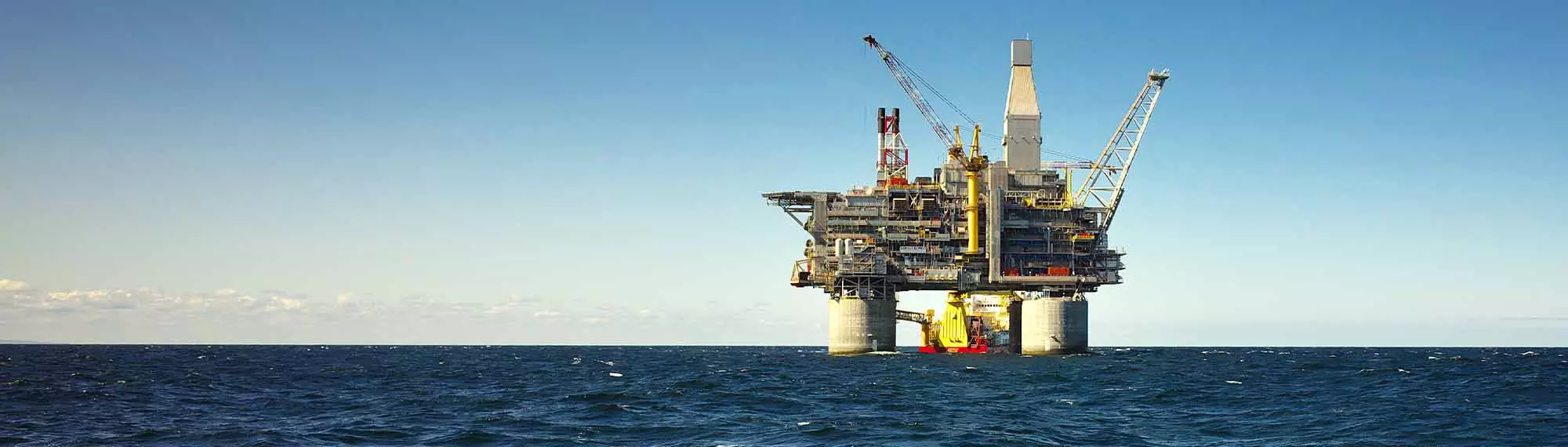
Offshore oil platforms, marine vessels, and coastal industrial facilities require custom finned tube solutions that can withstand the challenges of seawater corrosion, high humidity, and continuous operation. At DLSS, we specialize in designing and manufacturing offshore and marine finned tube heat exchanger components with precision engineering and enhanced durability.

For understanding different finned tube types, see our Spiral vs Extruded Finned Tube Comparison. For maintenance tips, check Finned Tube Cleaning and Maintenance Best Practices.


1. Unique Challenges in Offshore and Marine Environments

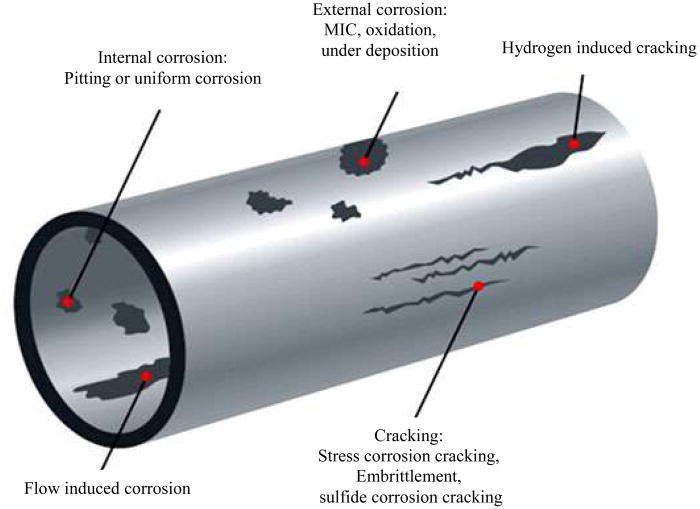
  • High Corrosion Risk – Continuous exposure to seawater and salty air accelerates metal degradation.
  • Biofouling – Marine organisms attach to tube surfaces, reducing heat transfer efficiency.
  • High Pressure & Temperature Variations – Offshore systems experience fluctuating loads and operational cycles.

2. DLSS Custom Design Solutions

  • Material Selection – Titanium, Cu-Ni alloys, and super duplex stainless steel for maximum corrosion resistance.
  • Protective Coatings – Anti-fouling and anti-corrosion coatings for longer service life.
  • Optimized Fin Geometry – Custom fin spacing and height for better performance in high-humidity conditions.
  • Precision Manufacturing – CNC-controlled fin winding and extrusion for consistent quality.

3. Benefits of DLSS Offshore & Marine Finned Tubes

  • Extended operational life in seawater environments
  • Reduced maintenance downtime
  • Enhanced heat transfer efficiency
  • Compliance with ABS, DNV, and NORSOK standards

4. Applications

  • Offshore oil and gas production platforms
  • Marine vessel condensers and coolers
  • Coastal power plants
  • Desalination plants

5. Related Reading


DLSS provides complete offshore and marine finned tube solutions, from design to delivery, ensuring your heat exchangers operate efficiently under the toughest conditions.

Contact us today at info@dlsspipe.com or visit www.dlsspipeline.com for tailored heat exchanger component solutions.

Wonderful! Share This Case:

Austenitic Stainless Steel

Duplex Stainless Steel

Nickel Alloys

▪ Incoloy Family

▪ Inconel Family

▪ Monel Family

▪ Hastelloy Family

▪ Other Special Alloys

Cobalt Alloys

Related Posts

What is Electropolished Tubing and When Should You Use It?

What is Electropolished

Introduction In industries where surface cleanliness, corrosion resistance, and bacterial control are critical, standard stainless steel tubing may not be enough. That’s where Electropolished (EP) Tubing comes in. Used in biotech, pharma, semiconductor, and ultra-pure water systems, electropolished tubing delivers a smooth, passive, contamination-resistant internal surface that outperforms mechanically polished...

Read More
offshore-oil-gas-corrosion-resistant-heat-exchanger-tubes

Corrosion-Resistant Heat Exchanger

Offshore oil and gas platforms operate in some of the harshest environments on earth—intense humidity, salt spray, hydrogen sulfide, and high-pressure processes. These conditions make corrosion the #1 threat to heat exchanger systems and piping reliability. To reduce failures and maintenance costs, operators are turning to advanced stainless steel and...

Read More
Stainless Steel Tube Failure Modes – Cracks, Pitting, and How to Prevent Them

Stainless Steel Tube

Introduction Even the highest-grade stainless steel tubes can fail under extreme or mismanaged conditions. Understanding the failure mechanisms helps design engineers, QA teams, and maintenance crews prevent downtime, reduce risk, and extend the service life of critical systems. This guide explains the top failure modes, their root causes, and how...

Read More
Brinell Rockwell Vickers Shore hardness stainless steel tubes

Definitions and Representation

Introduction Hardness is one of the most important mechanical properties for evaluating metallic materials. It reflects a material’s resistance to deformation, wear, and penetration, which is critical for stainless steel seamless tubes used in boilers, heat exchangers, and petrochemical equipment. The most widely used hardness testing methods are Brinell (HB),...

Read More
How to Prevent Common Failures in Stainless Steel Tubes: 5 Case-Based Insights

How to Prevent

Introduction Even the best-grade stainless steel tubes can fail—if not properly selected, processed, or installed. From pitting corrosion in chloride-rich environments to stress corrosion cracking (SCC) in heat exchangers, these failures often lead to costly downtime, replacements, or even plant shutdowns. This article highlights 5 major failure types observed in...

Read More
The Role of Stainless Steel Tubes in Renewable Energy Systems – Solar, Wind, and Hydrogen

The Role of

Introduction As the global push for carbon neutrality intensifies, renewable energy systems are expanding at an unprecedented rate. From solar thermal plants to hydrogen pipelines, the infrastructure behind green energy demands materials that offer durability, corrosion resistance, and long life cycles under harsh environments. DLSS provides high-grade stainless steel tubes...

Read More
Heat Exchanger Tube Manufacturing for Japan’s Power Industry(日本の発電産業向け熱交換器チューブ製造)

Heat Exchanger Tube

1. Introduction Japan’s power sector—including 火力発電所 (thermal power plants), 原子力発電所 (nuclear power plants), and 再生可能エネルギー施設 (renewable energy facilities)—demands high-performance heat exchanger tube Japan that can withstand high pressure, high temperature, and corrosive environments. DLSS provides stainless steel and special alloy tubes that meet JIS G3463 and ASTM standards, ensuring long...

Read More
ASTM Standards for Nickel and Titanium Pipes: A Complete Guide

ASTM Standards for

1. Introduction When sourcing nickel alloy and titanium pipes for chemical plants, desalination projects, or power plants, compliance with ASTM standards is a key requirement. ASTM (American Society for Testing and Materials) specifications define the chemical composition, mechanical properties, testing, and delivery conditions for these critical materials. This article provides...

Read More

Request A Quote

*We respect your confidentiality and all information are protected.