Stainless Steel Tube Defects – Common Issues, Causes, and How to Prevent Them

DLSS - Pipe&Tube - Stainless Steel Tube Defects – Common Issues, Causes, and How to Prevent Them

Meta Description:
Discover the most common defects in stainless steel tubes, such as pitting, cracking, and weld flaws. Learn what causes them and how DLSS prevents them through rigorous quality control.


Introduction

Stainless steel tubes are used in critical applications across industries—from heat exchangers and boilers to instrumentation and food processing. But even high-grade stainless steel can experience defects during production or use, which may compromise performance, safety, or compliance.

This article outlines the most common stainless steel tube defects, their causes, and how to prevent them through proper manufacturing, inspection, and handling.


1. Surface Defects

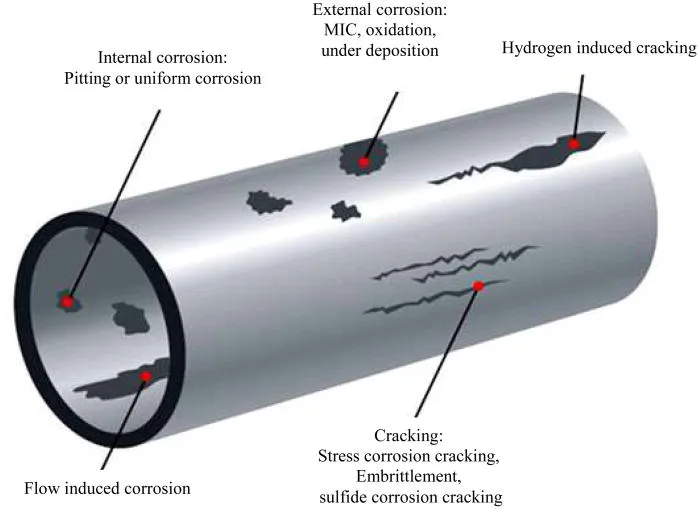
A. Pitting Corrosion

Cause: Chloride attack, poor passivation, improper surface finish
Prevention:

B. Scratches and Dents

Cause: Mishandling during production, transport, or installation
Prevention:

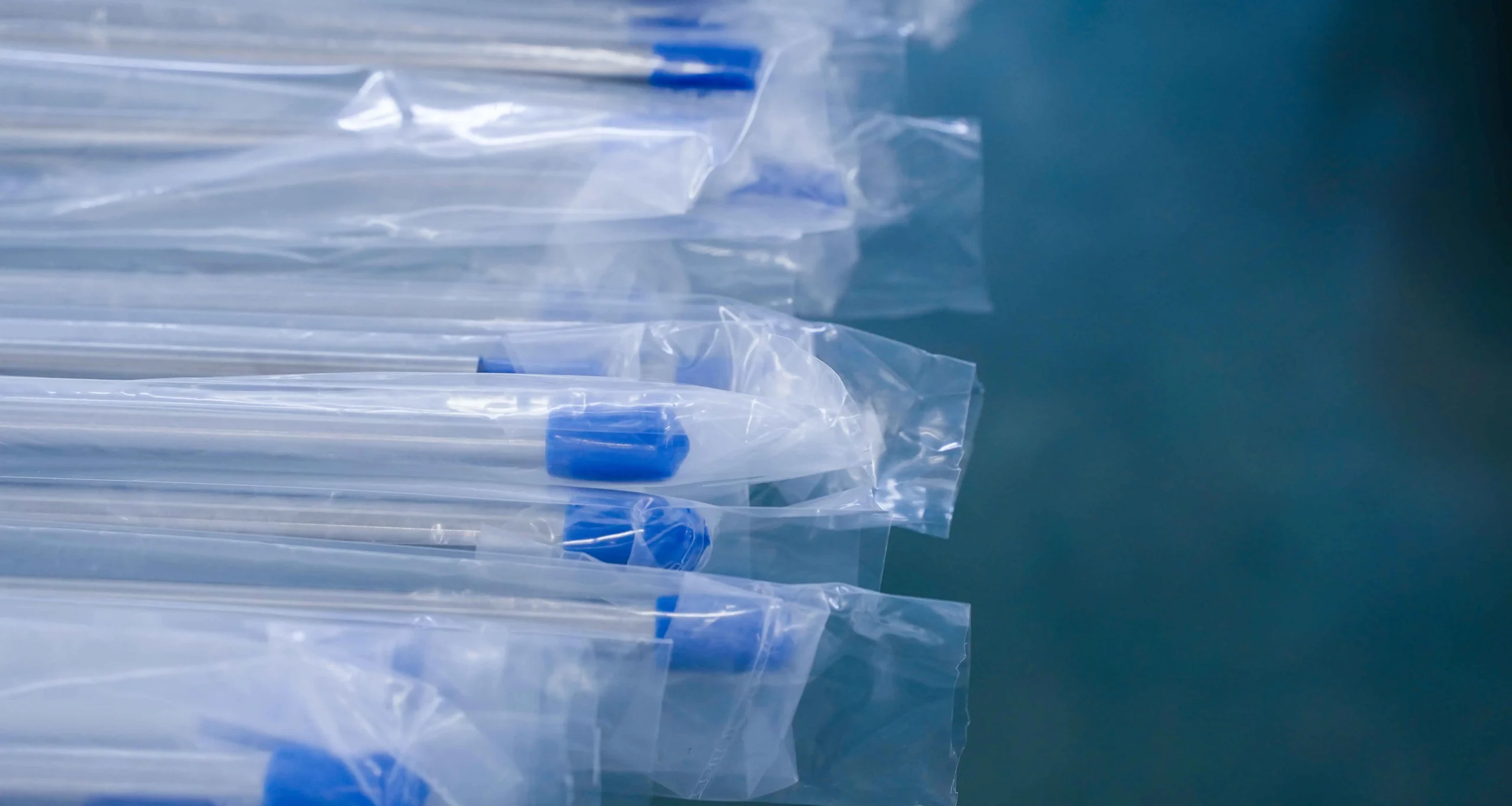
  • Protective wrapping and tube separators
  • Clean work surfaces, gloves during handling
  • Smooth rollers and guides during drawing

C. Pickling Stains or Burn Marks

Cause: Improper acid pickling or heat tint from welding
Prevention:

  • Use controlled acid concentrations and rinse cycles
  • Apply pickling + passivation per ASTM A967

2. Dimensional Defects

A. Ovality / Out-of-Roundness

Cause: Improper tooling, excessive tension in cold drawing
Prevention:

  • Precision mandrel/die setup
  • Tight tolerance monitoring with laser gauges
  • Conformance to ASTM A269 / EN 10216-5 tolerance charts

B. Wall Thickness Variation

Cause: Uneven extrusion or drawing
Prevention:

  • Ultrasonic wall thickness checks
  • Regular calibration of rolling and drawing equipment
  • Quality control records for each production batch

3. Internal Defects

A. Longitudinal Cracks

Cause: Excessive strain during drawing or improper annealing
Prevention:

  • Optimize cold work to annealing cycle
  • Use stress-relieving heat treatments
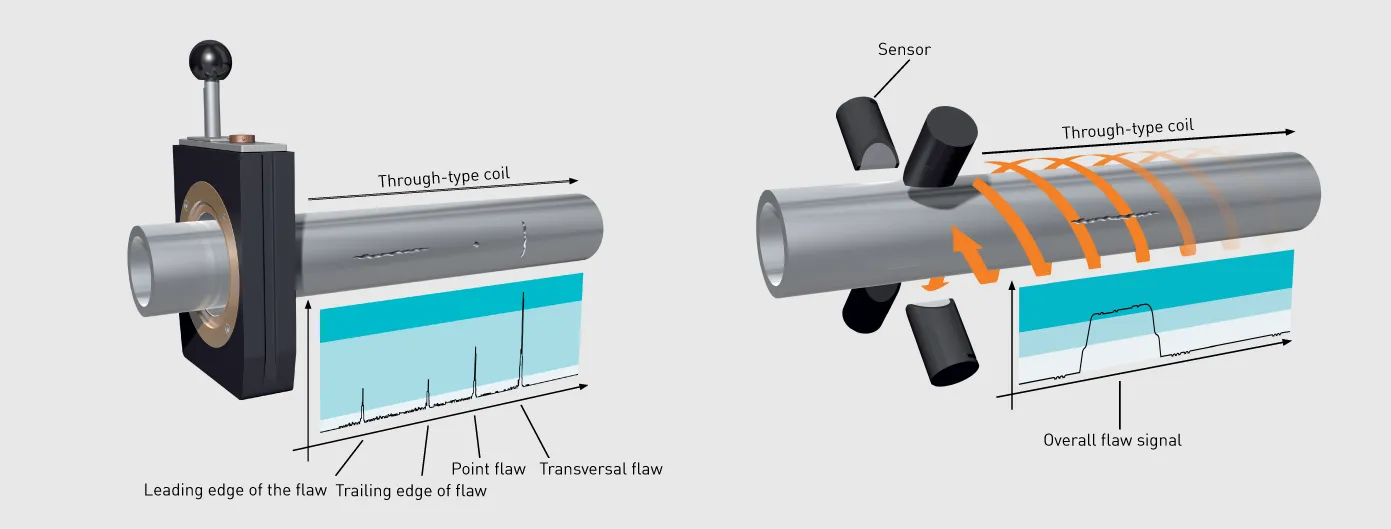
  • Ultrasonic or eddy current testing

B. Laminations

Cause: Inclusions or segregation in raw billet
Prevention:

  • Ultrasonic testing before piercing
  • High-quality billet sourcing (with 3.1 / 3.2 certification)
  • Verify steel cleanliness (K-value, inclusion content)

4. Weld-Related Defects (for Welded Tubes)

A. Incomplete Fusion / Lack of Penetration

Cause: Poor TIG/MIG parameters or misalignment
Prevention:

  • Laser or orbital TIG welding with automated control
  • X-ray / ultrasonic weld seam inspection
  • Conformance to ASTM A269 and ISO 10893-2

B. Weld Bead Irregularities

Cause: Contaminated filler metal or surface
Prevention:

  • Purge with argon gas
  • Use pickling and passivation after welding
  • Visual + dye penetrant inspection (PT)

5. Testing & Prevention at DLSS

DLSS ensures zero-defect delivery through:

  • 100% Hydrostatic pressure testing
  • Eddy current / ultrasonic NDT per ASTM E213 / ISO 10893
  • PMI (Positive Material Identification)
  • Surface Ra measurement for EP and BA tubes
  • Third-party 3.2 inspection upon request
  • MTC with heat traceability and mechanical test results

All processes are executed under ISO 9001 and traceable with full QA records.


FAQs

Q1: How does DLSS detect internal defects?
Through ultrasonic and eddy current testing using EN/ASTM-calibrated probes for small and large-diameter tubes.

Q2: Can cosmetic surface flaws be accepted?
Not for critical applications. DLSS adheres to ASTM A1016 and client-specific visual inspection criteria.

Q3: What is the typical tolerance on OD and WT for DLSS tubes?
DLSS complies with ±0.05 mm OD and ±10% WT, unless tighter tolerance is specified.

Q4: How are tubes packaged to avoid damage in transit?
Each tube bundle is film-wrapped, stacked with separators, and packed in strong seaworthy plywood cases or steel frames.


Conclusion

Understanding and preventing stainless steel tube defects is key to ensuring product performance, longevity, and safety. At DLSS, we combine high-quality raw materials, rigorous testing, and precision manufacturing to eliminate defects and deliver confidence with every shipment.


Contact DLSS
Email: info@dlsspipe.com
Website: www.dlsspipeline.com

Have questions about tube quality or need a custom test protocol? Our QA engineers are here to help.

Wonderful! Share This Case:

Austenitic Stainless Steel

Duplex Stainless Steel

Nickel Alloys

▪ Incoloy Family

▪ Inconel Family

▪ Monel Family

▪ Hastelloy Family

▪ Other Special Alloys

Cobalt Alloys

Related Posts

Plate vs. Shell and Tube Heat Exchangers: A Complete Comparison Guide

Plate vs. Shell and Tube

Selecting the right heat exchanger is critical for ensuring operational efficiency, durability, and cost-effectiveness. Among the most commonly used designs are the plate heat exchanger (PHE) and the shell and tube heat exchanger (STHE)—each offering distinct performance advantages in specific industrial environments. This guide compares the two technologies in terms of structure, thermal performance, maintenance, […]

Read More
How to Specify U-Bend Stainless Steel Tubes for Heat Exchangers

How to Specify U-Bend Stainless

Meta Description:A comprehensive guide to U-bend stainless steel tubes for heat exchangers. Learn how to specify bending radius, wall thinning limits, tolerance, surface finish, and inspection standards. Introduction U-bend stainless steel tubes are a critical component in shell and tube heat exchangers, designed to increase heat transfer area while optimizing space. These tubes must meet […]

Read More
Understanding Duplex Stainless Steel Tubes – Grades, Benefits, and Applications

Understanding Duplex Stainless Steel Tubes

Meta Description:Explore the advantages of duplex stainless steel tubes. Learn about key grades like 2205 and 2507, their properties, and why they are preferred in harsh industrial environments. Introduction Duplex stainless steel tubes are rapidly becoming the preferred solution for demanding industries such as oil & gas, marine, chemical processing, and desalination. With their dual-phase […]

Read More
Weldability and Fabrication Challenges of Titanium and Nickel Alloy Tubes

Weldability and Fabrication Challenges of

1. Introduction Welding and fabrication are critical stages in the production and installation of titanium tubes and nickel alloy pipes. Both materials offer superior corrosion resistance and mechanical properties, but they require specialized welding techniques, strict process control, and skilled workmanship to ensure reliability in demanding applications such as desalination plants, LNG terminals, and chemical […]

Read More
Understanding Electropolished (EP) Tubes – Surface Roughness, Applications, and Manufacturing

Understanding Electropolished (EP) Tubes –

Meta Description:Explore what electropolished (EP) stainless steel tubes are, how they are manufactured, and why they are essential for ultra-clean applications such as pharmaceuticals, biotechnology, and semiconductors. Introduction In ultra-clean environments like pharmaceutical plants, biotech labs, and semiconductor fabs, the surface of a stainless steel tube must be as smooth and contamination-free as possible. This […]

Read More
middle-east-decarbonization-energy-equipment-procurement

How the Middle East’s Decarbonization

The Middle East, historically known for its oil wealth, is now positioning itself as a leader in clean energy innovation. National strategies like Saudi Vision 2030 and the UAE Net Zero by 2050 roadmap are driving massive investments in hydrogen, solar, desalination, and carbon capture projects. As a result, the region’s energy infrastructure is undergoing […]

Read More
desalination-projects-stainless-steel-heat-exchanger-tubes

How Global Desalination Projects Are

With water scarcity on the rise, seawater desalination has become a critical infrastructure priority—especially in the Middle East, North Africa, Asia-Pacific, and parts of Latin America. These plants rely heavily on heat exchanger systems for energy-efficient freshwater production. And at the core of those systems? Stainless steel tubes that can withstand aggressive chloride-rich environments, pressure […]

Read More
global shipbuilding industry trends

Global Shipbuilding Industry: Opportunities and

The shipbuilding industry has long been a foundation of global trade and maritime power. In today’s era of globalization, sustainability challenges, and energy transition, shipbuilding remains one of the world’s most strategic industries. From transporting goods and passengers to supporting defense and offshore energy, shipbuilding shapes the future of international commerce and technology. East Asia’s […]

Read More

Request A Quote

*We respect your confidentiality and all information are protected.