Everything You Need to Know About Inner Grooved Coil Tubes: Design, Applications & Material Guide

DLSS - Pipe&Tube - Everything You Need to Know About Inner Grooved Coil Tubes: Design, Applications & Material Guide

What Are Inner Grooved Coil Tubes?

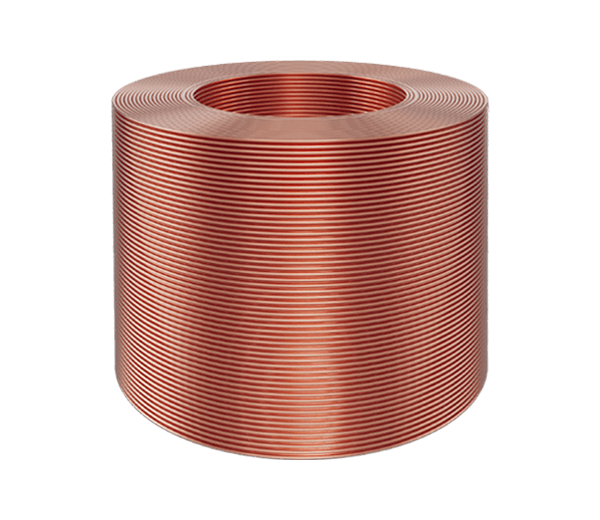
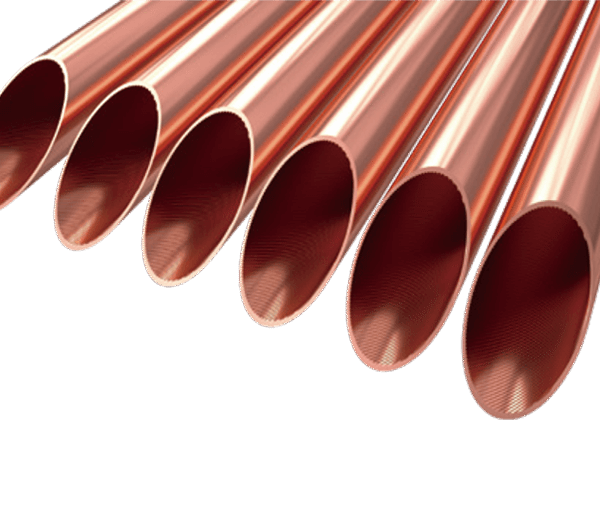
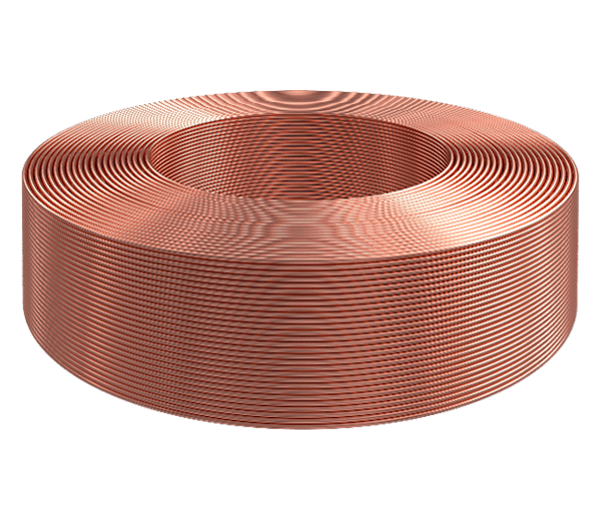
Inner grooved coil tubes, also known as ribbed tubes or micro-fin tubes, are seamless or welded coil tubes with precisely formed helical grooves on the internal surface. These grooves increase turbulence in fluid flow, thereby enhancing the heat transfer coefficient.

They are widely used in:

  • Air conditioning systems (A/C)
  • Chillers and refrigeration units
  • Condensers and evaporators
  • Heat pump water heaters
  • Compact heat exchangers for automotive and commercial HVAC

Why Choose Inner Grooved Tubes?

 30–50% better heat transfer than smooth tubes
 Enhanced energy efficiency for refrigeration units
 Reduced refrigerant charge due to improved evaporation
 Better oil return in vertical systems
 Compact system design thanks to superior performance

 Micro-fin tubes are a must for systems using eco-friendly refrigerants like R32, R410A, CO₂, or R290.
Key Design Features

ParameterTypical Range
Tube Outer Diameter5 mm – 16 mm
Groove Depth0.05 mm – 0.3 mm
Number of Grooves50 – 70 grooves
Groove Angle18° – 24°
Coil DiameterAs per client’s requirement
Tube Wall Thickness0.25 mm – 1.2 mm
Post-Grooving WTe.g., 0.81 mm for 19.05 mm OD tubes

DLSS Materials & Standards

Base MaterialStandardApplication Notes
Copper (C12200)ASTM B280Common in HVAC systems
Stainless Steel TP304LASTM A213High strength, corrosion resistance
Stainless Steel TP316LASTM A213For aggressive/corrosive environments
Titanium Grade 2ASTM B338For seawater chillers and special use
Duplex S32205ASTM A789High strength + corrosion resistance

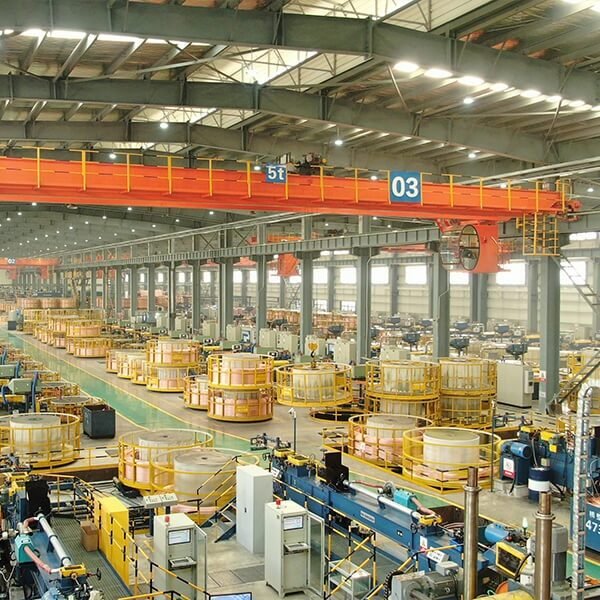
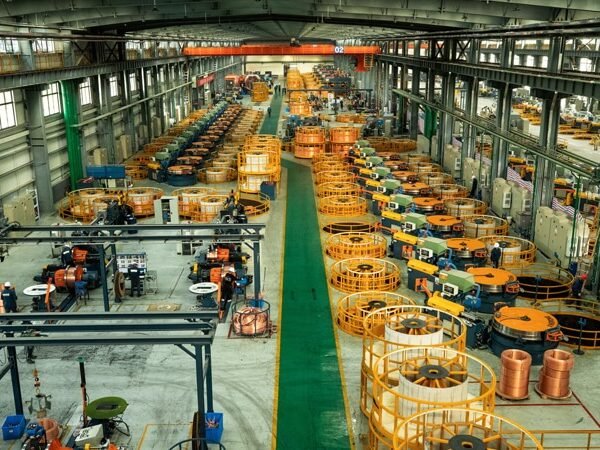
Inner Groove Tube Manufacturing Process

  • Tube forming (welding or extrusion)
  • Cold drawing to reach precise OD & WT
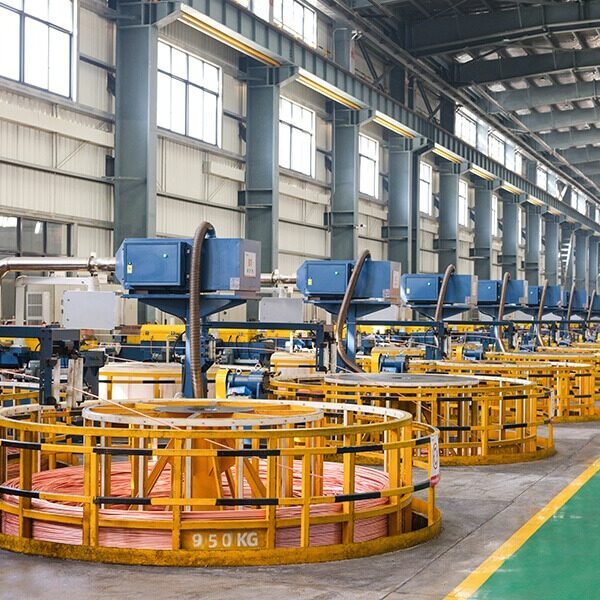
  • Internal grooving via mechanical mandrel or spinning head
  • Annealing (for copper or SS tubes as required)
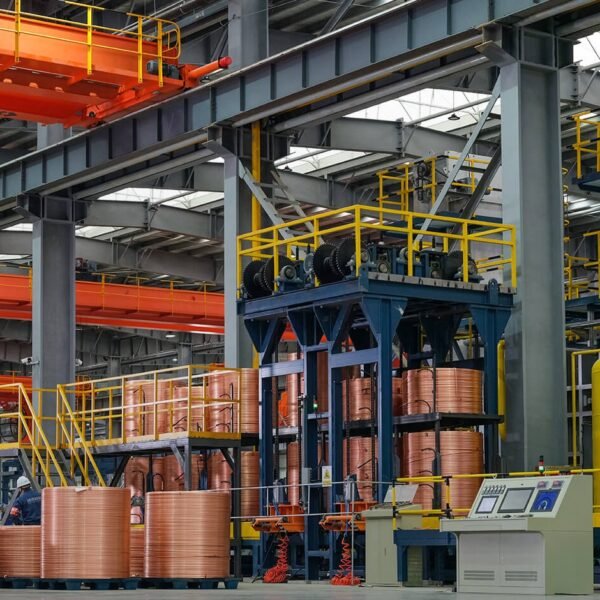
  • Bending into coils (as per project specs)
  • Pressure testing & surface inspection

Performance vs. Smooth Tubes

ParameterSmooth Coil TubeInner Grooved Tube
Heat transferStandard30–50% higher
Refrigerant efficiencyNormalMore effective evaporation
Oil returnModerateFaster, especially vertical
System sizeLargerSmaller & compact

DLSS Quality Control

  • Dimensional check (OD, WT, Groove depth)
  • Non-destructive testing (Eddy current, hydro)
  • Hardness and tensile test
  • Internal surface visual inspection
  • Coil forming inspection
  • Surface finish: pickled, bright annealed, or customized
Applications by Industry

IndustryApplication Use Case
HVACRefrigerant piping, chillers, A/C units
Home appliancesHeat pump water heaters
AutomotiveCompact refrigerant heat exchangers
Food cold chainCO₂-based chillers
Green buildingsR32 high-efficiency A/C systems

Packaging

  • Individually plastic capped
  • Coil wrapping with PE film
  • Steel-framed or fumigation-free wooden crates
  • Third-party inspection & export documents available

DLSS Product Highlights

  • Customized groove geometry per refrigerant type
  • Coil length up to 50 meters
  • Tube OD from 5mm to 25.4mm
  • Low wall-thinning rate post-grooving
  • Ideal for high-efficiency HVAC system builders
  • inner grooved coil tube
  • micro-fin copper tube
  • stainless steel inner ribbed coil
  • TP304L inner grooved tube for chiller
  • HVAC coil tube manufacturer
  • enhanced surface tubing
  • R410A microfin tube
  • spiral inner grooved stainless tube
  • refrigerant coil tube
  • high-efficiency evaporator tube

Contact DLSS for Custom IG Tube Solutions

Looking for high-performance inner grooved coil tubes tailored to your HVAC or refrigeration system?

Email: info@dlsspipe.com
Website: www.dlsspipeline.com

We support technical drawing, third-party test certification, and global shipping.

Wonderful! Share This Case:

Austenitic Stainless Steel

Duplex Stainless Steel

Nickel Alloys

▪ Incoloy Family

▪ Inconel Family

▪ Monel Family

▪ Hastelloy Family

▪ Other Special Alloys

Cobalt Alloys

Related Posts

Low-Fin Tubes: Compact Heat Transfer Solutions for Refrigeration and HVAC

Low-Fin Tubes: Compact Heat Transfer

Low-fin tubes are designed to improve heat transfer efficiency while maintaining a compact design, making them ideal for applications where space and weight are limited. These tubes feature external fins with a low height, which increases the surface area for heat exchange without significantly increasing the overall size. For a broader look at finned tube […]

Read More
How to Accurately Measure Pipe Wall Thickness Using a Micrometer

How to Accurately Measure Pipe

In the manufacturing and inspection of metal pipes—whether stainless steel, carbon steel, or alloy—the wall thickness is a key dimensional parameter. Precise wall thickness affects mechanical strength, pressure resistance, and long-term reliability, especially in critical applications such as heat exchangers, boilers, and petrochemical piping systems. One of the most accurate methods for determining wall thickness […]

Read More
How Stainless Steel Tubes Ensure Safety and Efficiency in South American Power Plants

How Stainless Steel Tubes Ensure

Meta Description:Discover how stainless steel tubes support thermal efficiency, corrosion resistance, and long-term reliability in South American power generation plants. Introduction South America’s growing energy demand is driving the expansion of both conventional and renewable power plants. Whether it’s a thermoelectric station in Brazil or a biomass facility in Chile, one common requirement persists: reliable, […]

Read More
Why NACE MR0175 & ISO 15156 Matter When Sourcing Tubes for Sour Service

Why NACE MR0175 & ISO

Meta Description:Learn why compliance with NACE MR0175 / ISO 15156 is essential when selecting stainless steel or alloy tubes for sour gas environments. Understand testing, materials selection, and DLSS compliance offerings. Introduction In oil and gas applications—especially those involving sour service environments with hydrogen sulfide (H₂S)—selecting the wrong material can lead to catastrophic failure. To […]

Read More
Heat Exchanger Maintenance Checklist: How to Extend Equipment Life and Improve Performance

Heat Exchanger Maintenance Checklist: How

1. Introduction – Heat Exchanger Maintenance Checklist Following a structured heat exchanger maintenance checklist is the most effective way to keep your equipment running efficiently, avoid costly breakdowns, and extend service life. Whether you operate a shell and tube heat exchanger, a plate heat exchanger, or an air-cooled model, regular preventive maintenance ensures consistent heat […]

Read More
The Role of Stainless Steel Tubes in Renewable Energy Systems – Solar, Wind, and Hydrogen

The Role of Stainless Steel

Meta Description:Discover how stainless steel tubes power the transition to renewable energy. Explore their critical applications in solar thermal systems, wind turbine cooling, and hydrogen infrastructure. Introduction As the global push for carbon neutrality intensifies, renewable energy systems are expanding at an unprecedented rate. From solar thermal plants to hydrogen pipelines, the infrastructure behind green […]

Read More

How to Ensure NACE MR0175

Meta Description:Discover how to meet NACE MR0175/ISO 15156 compliance when sourcing stainless steel seamless tubes for sour service. Learn about materials, testing, certifications, and supplier selection. Introduction Sour gas environments—containing hydrogen sulfide (H₂S)—pose one of the greatest challenges for stainless steel tubes in the oil and gas industry. The presence of H₂S increases the risk […]

Read More
Hygienic-Grade Stainless Steel Tubes in the Food and Pharmaceutical Industries: Global Trends and Compliance

Hygienic-Grade Stainless Steel Tubes in

The demand for hygienic-grade stainless steel seamless tubes is rapidly expanding, particularly in the food & beverage (F&B) and pharmaceutical industries. These sectors require tubing with ultra-smooth surfaces, precise dimensional control, and strict compliance with international sanitary standards such as 3-A, ASME BPE, and ISO 2037. In this article, we explore the latest market trends, […]

Read More

Request A Quote

*We respect your confidentiality and all information are protected.