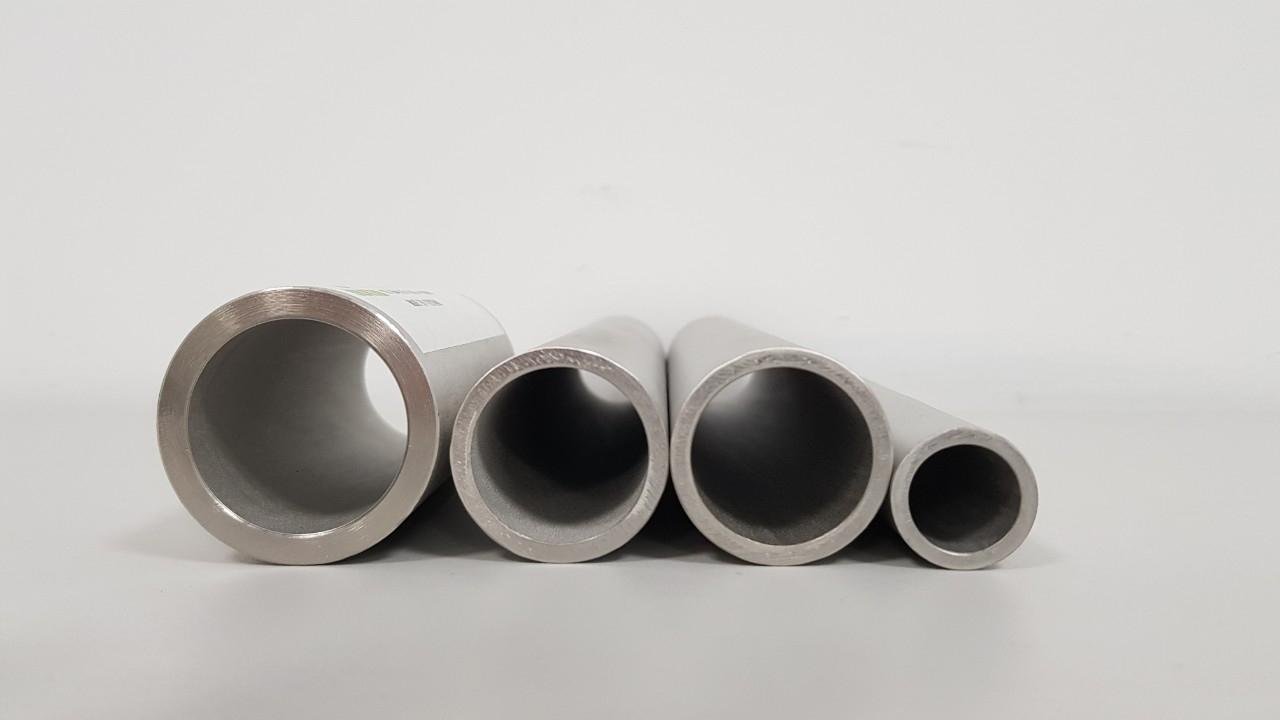
Why Seamless Stainless Steel Tubes Are Ideal for Heat Exchanger Applications

DLSS - Pipe&Tube - Why Seamless Stainless Steel Tubes Are Ideal for Heat Exchanger Applications

When designing a high-performance heat exchanger, tube material is a critical factor. Stainless steel, particularly in seamless form, is gaining popularity across industries thanks to its mechanical strength, corrosion resistance, and thermal reliability. In this article, we’ll break down why seamless stainless steel tubes are the ideal choice for demanding heat exchanger applications.

1. Uniform Wall Thickness for Stable Heat Transfer

Seamless tubes are manufactured without weld seams, resulting in:

  • Uniform tube wall thickness
  • Consistent thermal performance
  • Fewer weak points in heat transfer

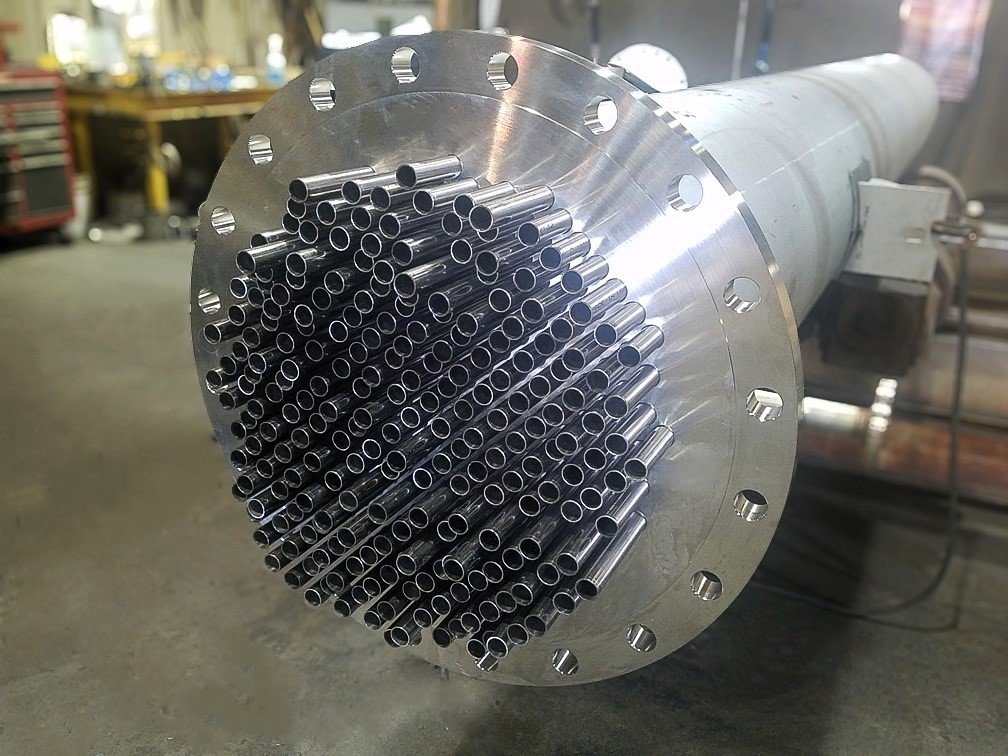
This is crucial in shell-and-tube heat exchangers where consistent flow and thermal balance are required.
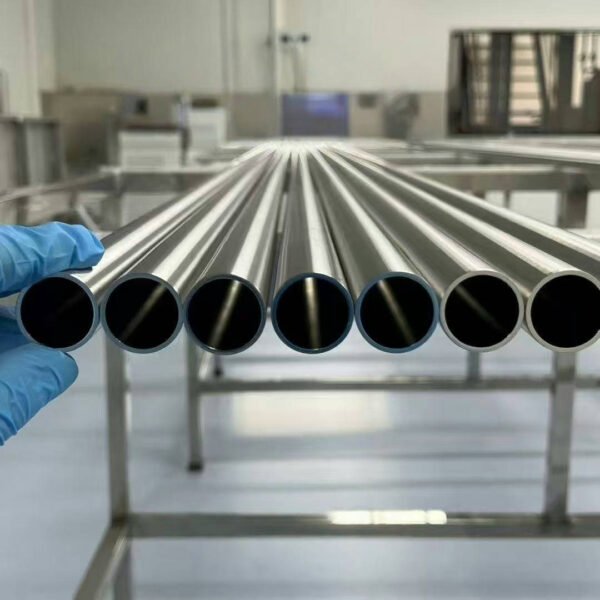
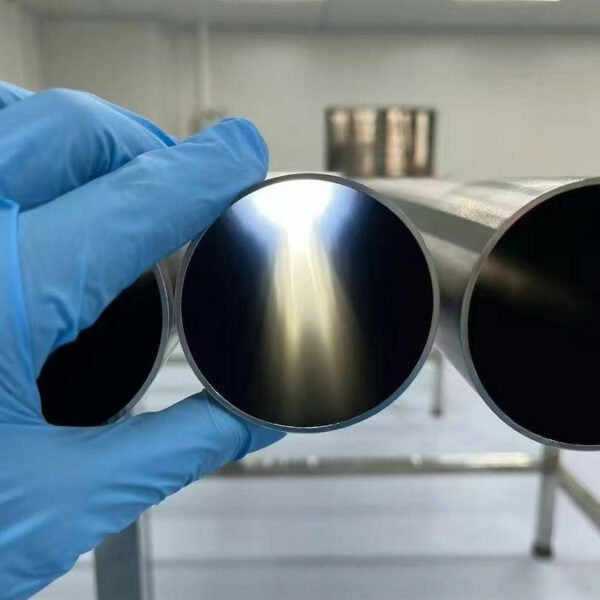
Stainless steel seamless bright tube

2. High Pressure and Temperature Resistance

Compared to welded tubes, seamless stainless steel tubes have:

  • Higher burst pressure tolerance
  • Better resistance to creep and fatigue
  • Minimal risk of deformation under thermal cycling

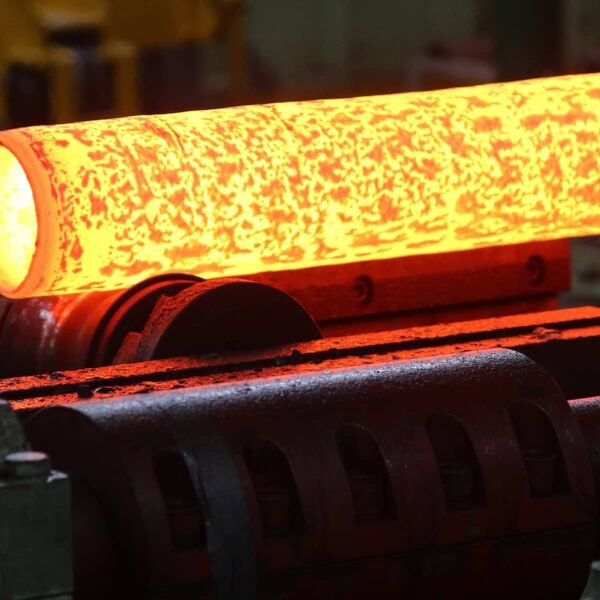
This makes them perfect for power plants, petrochemical refineries, and high-temperature systems.
3. Superior Corrosion Resistance

Grades like TP304, TP316L, and TP321 offer resistance to:

  • Chlorides
  • Acidic and alkaline media
  • Oxidizing environments

This prevents tube wall thinning, pitting, and early failure—ensuring system longevity.
4. Low Maintenance and Longer Lifespan

Because of their strength and resistance to corrosion, seamless stainless tubes typically:

  • Require less frequent maintenance
  • Last longer in service
  • Reduce system downtime and repair costs
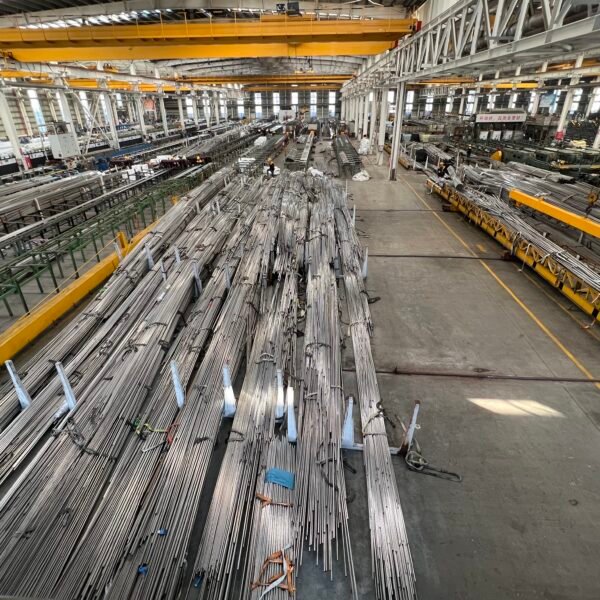
Stainless steel seamless bright tube

5. Clean Surface Finish = Better Flow Efficiency

At DLSS, we apply pickling and passivation to remove surface oxides and impurities, resulting in:

  • Clean, smooth internal surfaces
  • Improved fluid flow
  • Less scaling and fouling

This directly contributes to better overall heat transfer efficiency.

Final Thoughts

If your project demands reliability under pressure, aggressive media, or extreme heat, seamless stainless steel tubes are your best bet. DLSS provides high-precision tubes with industry-leading tolerances, surface finish, and quality assurance.

 Looking for a dependable tube supplier?
Visit DLSS to explore our stainless steel solutions.

Wonderful! Share This Case:

Austenitic Stainless Steel

Duplex Stainless Steel

Nickel Alloys

▪ Incoloy Family

▪ Inconel Family

▪ Monel Family

▪ Hastelloy Family

▪ Other Special Alloys

Cobalt Alloys

Related Posts

Top 10 Factors That Affect Stainless Steel Tube Quality – A Manufacturer’s Checklist

Top 10 Factors That Affect

Meta Description:Discover the top 10 factors that determine the quality of stainless steel tubes, from raw material selection to surface finish and final inspection. Use this guide to evaluate your suppliers and avoid quality risks. Introduction When it comes to stainless steel tubing, not all products are created equal. Even if two tubes share the […]

Read More
U-Bent Stainless Steel Tubes for Heat Exchangers: Manufacturing, Standards, and Applications

U-Bent Stainless Steel Tubes for

U-bent tubes are critical components in various heat exchanger systems, especially where space-saving or directional flow change is required—such as in shell-and-tube heat exchangers, condensers, boilers, and superheaters. This article explains the manufacturing process, quality standards, and key applications of U-bent stainless steel tubes, along with how DLSS Pipeline ensures precision and reliability in every […]

Read More
How to Select the Right Stainless Steel Tube for Corrosive Environments – A Practical Guide

How to Select the Right

Meta Description:Learn how to choose the best stainless steel tube for corrosive environments. Explore material selection, corrosion types, industry standards, and real-world applications. Introduction Corrosive environments are among the most demanding settings for stainless steel tubing. Choosing the wrong grade can lead to pitting, cracking, or total system failure—costing both time and money. This practical […]

Read More
How to Select the Right Stainless Steel Seamless Pipe for Projects in South America

How to Select the Right

Meta Description:Need stainless steel seamless pipes for a refinery, LNG terminal, or food plant in South America? Learn how to choose the correct grade, certification, and finish based on local conditions and client requirements. Introduction South America is home to diverse industries—from refineries in Brazil to mining operations in Chile, and LNG terminals in Colombia. […]

Read More
TP904L Stainless Pipes for Seawater Desalination in Japan – 日本海水淡水化向けTP904Lステンレス管

TP904L Stainless Pipes for Seawater

Introduction Japan’s seawater desalination plants operate in highly corrosive environments due to the presence of chlorides and high salinity. TP904L stainless pipes from DLSS offer superior resistance to pitting and crevice corrosion, making them an ideal choice for JIS G3459 – Stainless Steel Pipes for Corrosion Resistance compliance in marine applications. 1. Why TP904L for […]

Read More
Common Condenser Coil Problems and How to Prevent Them (Ultimate HVAC Maintenance Guide)

Common Condenser Coil Problems and

What Is a Condenser Coil in an Air Conditioner? The condenser coil is the heart of your outdoor HVAC system. It’s responsible for releasing the heat collected indoors by your refrigerant. When the coil fails—due to dirt, leaks, or damage—your air conditioner stops cooling, your energy bills rise, and long-term system damage becomes inevitable. Keyword Targets: condenser coil, HVAC system, air conditioner […]

Read More
ASTM Standards for Nickel and Titanium Pipes: A Complete Guide

ASTM Standards for Nickel and

1. Introduction When sourcing nickel alloy and titanium pipes for chemical plants, desalination projects, or power plants, compliance with ASTM standards is a key requirement. ASTM (American Society for Testing and Materials) specifications define the chemical composition, mechanical properties, testing, and delivery conditions for these critical materials. This article provides a complete overview of the […]

Read More
ASTM A312 vs ASTM A789: Which Stainless Steel Tube Standard Is Right for Oil & Gas Applications?

ASTM A312 vs ASTM A789:

Meta Description:Understand the key differences between ASTM A312 and ASTM A789 for stainless steel seamless tubes used in the oil & gas industry. Compare materials, applications, and testing requirements. Introduction In the oil and gas sector, selecting the right stainless steel tube standard is essential for long-term system performance. Among the most referenced specifications are: […]

Read More

Request A Quote

*We respect your confidentiality and all information are protected.