Welded vs. Seamless Tubes: Which is Better for Heat Exchangers?

DLSS - Pipe&Tube - Welded vs. Seamless Tubes: Which is Better for Heat Exchangers?

Choosing between welded and seamless tubes can impact your heat exchanger’s performance, durability, and cost. While both have their place, understanding their differences helps engineers and purchasers make informed decisions. In this blog, we compare these two types of stainless steel tubes and highlight where each one excels.

1. Manufacturing Process

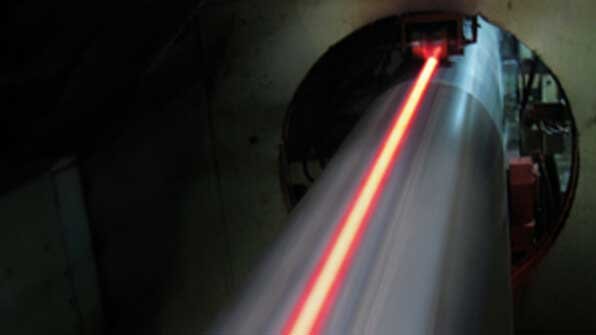
  • Welded tubes: Formed by rolling stainless steel strips and welding the seam.
  • Seamless tubes: Made by piercing a solid billet and drawing it into shape—no weld seam.

This difference affects the structural integrity and mechanical properties of the tube.
2. Mechanical Strength

Seamless tubes generally offer:

  • Higher strength under pressure
  • Better resistance to fatigue and cracking
  • No weak points along a welded seam

In high-pressure boilers and heat exchangers, seamless tubes are often the safer choice.
3. Corrosion Risk

The weld seam in welded tubes may:

  • Be more susceptible to corrosion
  • Contain microstructural irregularities
  • Need additional processing (like annealing or pickling)

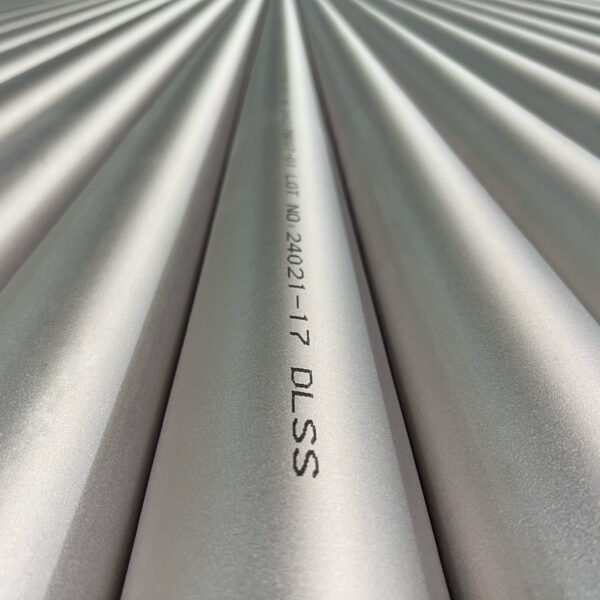
Seamless tubes, especially those from DLSS, have a smooth, uniform structure with minimal risk of localized corrosion.

4. Dimensional Accuracy & Surface Finish

Welded tubes may have:

  • Greater ovality
  • Visible seam marks
  • Slightly less consistent wall thickness

DLSS seamless tubes are known for:

  • Tight dimensional tolerance
  • Clean, pickled surface finish
  • Precision straightness
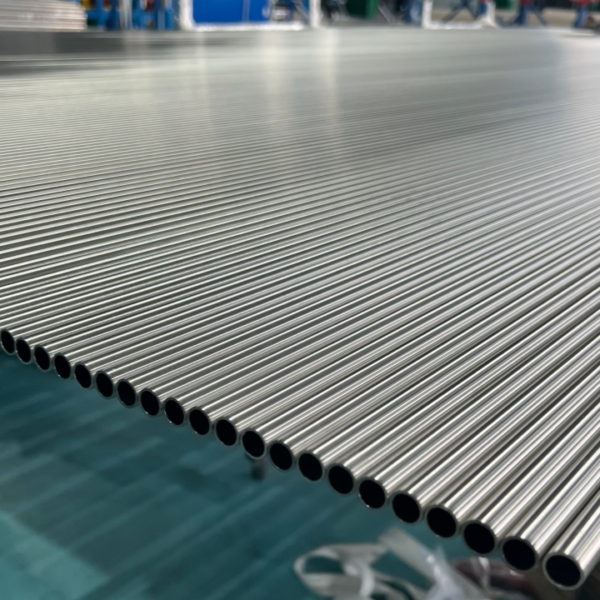
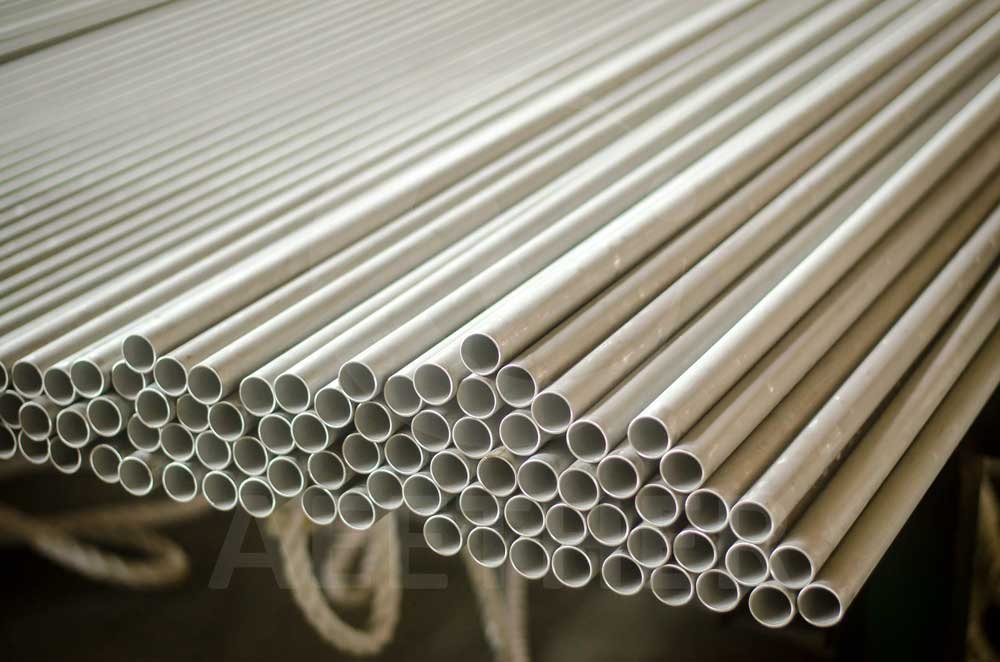
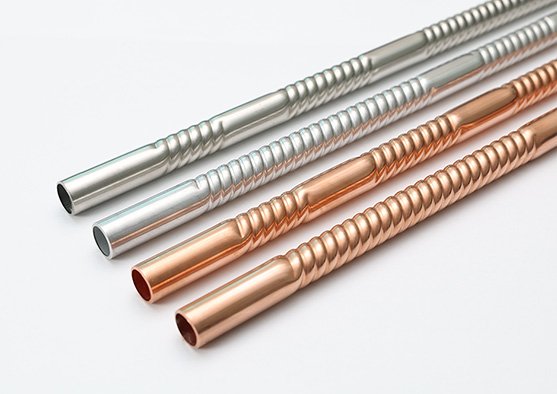
Stainless steel seamless bright tube

5. Application Suitability

  • Use welded tubes for low-pressure, non-critical applications where cost is a concern.
  • Choose seamless tubes for demanding industrial systems, high temperatures, and corrosive environments.
Conclusion

For many heat exchanger applications, seamless stainless steel tubes offer better strength, consistency, and reliability. DLSS specializes in high-precision seamless tubes designed to meet the most demanding industrial standards.

Why Choose DLSS as Your Stainless Steel Tube Partner?

With over 30 years of experience and exports to 40+ countries, DLSS offers:

  • Customized tube solutions for heat exchangers and condensers
  • Full compliance with ASTM/ASME standards
  • Third-party inspections and full quality reports
  • Precision production, fast delivery

 Contact us today to get a free consultation or quote: info@dlsspipe.com

Wonderful! Share This Case:

Austenitic Stainless Steel

Duplex Stainless Steel

Nickel Alloys

▪ Incoloy Family

▪ Inconel Family

▪ Monel Family

▪ Hastelloy Family

▪ Other Special Alloys

Cobalt Alloys

Related Posts

ASTM A789 S32750 Super Duplex Steel Seamless Tube 19*2.4MW Bright Annealed Type

ASTM A789 S32750

Product Overview: ASTM A789 S32750 Super Duplex Seamless Tube (19×2.4mm, BA Surface) ASTM A789 S32750 seamless tubes are manufactured from super duplex stainless steel, known for its exceptional strength and corrosion resistance. This material is designed to perform in aggressive environments where standard austenitic or duplex grades would fail — such...

Read More

Plate Heat Exchanger

1. Introduction – Plate vs Shell and Tube Heat Exchanger When selecting a heat exchanger for your application, one of the most common decisions is between a plate heat exchanger (PHE) and a shell and tube heat exchanger (STHE). Both designs have unique advantages and limitations. This guide compares the...

Read More
How to Accurately Measure Pipe Wall Thickness Using a Micrometer

How to Accurately

In the manufacturing and inspection of metal pipes—whether stainless steel, carbon steel, or alloy—the wall thickness is a key dimensional parameter. Precise wall thickness affects mechanical strength, pressure resistance, and long-term reliability, especially in critical applications such as heat exchangers, boilers, and petrochemical piping systems. One of the most accurate...

Read More
U-Bend Stainless Steel Tubes: Design, Manufacturing and Application in Heat Exchangers

U-Bend Stainless Steel

Introduction U-bend stainless steel tubes are a core component in shell-and-tube heat exchangers, used in power plants, refineries, LNG terminals, and petrochemical plants. Their precise bending, dimensional accuracy, and resistance to thermal fatigue directly impact the longevity and performance of the equipment. This article explores the full lifecycle of U-bend...

Read More
How DLSS Controls Grain Size for Austenitic Stainless Steel Tubes – Why It Matters

How DLSS Controls

Introduction Grain size in stainless steel is more than just a microscopic characteristic—it directly affects mechanical strength, corrosion resistance, formability, and creep performance. For critical applications such as heat exchangers, nuclear power, and chemical processing, maintaining the correct grain size (typically ASTM No. 5 to No. 8) is a specification...

Read More
green-building-hvac-stainless-steel-heat-exchanger-tube

How Green Buildings

With urban centers pushing for net-zero construction and energy-efficient design, HVAC systems—heating, ventilation, and air conditioning—have become the heart of green buildings. This shift is driving new demand for stainless steel heat exchanger tubes, used in chilled water systems, heat pumps, condenser units, and energy recovery modules. 1. Why Stainless...

Read More
Nickel Alloys vs Stainless Steel Tubes – When and Why to Choose Each

Nickel Alloys vs

Introduction In critical industries like oil & gas, chemical processing, power generation, and aerospace, choosing between stainless steel tubes and nickel alloy tubes can be the deciding factor in system reliability and longevity. This article explains the differences in composition, corrosion resistance, heat resistance, and cost between these two families...

Read More
HIC and SSC Testing Explained: What Oil & Gas Engineers Need to Know

HIC and SSC

Oil and gas projects often use sour service pipe materials in H₂S environments. Sour service means the system contains hydrogen sulfide, also called H₂S. H₂S can create serious cracking risks in steel pipes, fittings, flanges, and pressure parts. These cracks may be hard to see at first. But they can...

Read More

Request A Quote

*We respect your confidentiality and all information are protected.