ASTM Standards for Nickel and Titanium Pipes: A Complete Guide

DLSS - Pipe&Tube - ASTM Standards for Nickel and Titanium Pipes: A Complete Guide

1. Introduction

When sourcing nickel alloy and titanium pipes for chemical plants, desalination projects, or power plants, compliance with ASTM standards is a key requirement. ASTM (American Society for Testing and Materials) specifications define the chemical composition, mechanical properties, testing, and delivery conditions for these critical materials. This article provides a complete overview of the most important ASTM standards relevant to nickel-based alloy pipes and titanium tubes.


2. Key ASTM Standards for Nickel Alloy Pipes

ASTM B444 – Inconel 625 Seamless Pipe and Tube

  • Covers seamless nickel-chromium-molybdenum-columbium alloy (Inconel 625).
  • Applications: Offshore piping, flue gas desulfurization, chemical plants.

ASTM B423 – Incoloy 825 Seamless Pipe and Tube

  • Nickel-iron-chromium alloy with molybdenum and copper.
  • Applications: Sulfuric acid piping, chemical processing heat exchangers.

ASTM B622 – Hastelloy C-276 Seamless Pipe and Tube

  • Nickel-molybdenum-chromium alloy with tungsten.
  • Applications: Acid processing, reactors, scrubbers.

ASTM B619 / B626 – Welded Nickel Alloy Pipe and Tube

  • Specifies welded pipe/tube manufacturing for various nickel alloys.
  • Applications: Large-diameter piping systems in chemical and energy plants.

Reference: Nickel Alloys – ASTM Standards.


3. Key ASTM Standards for Titanium Pipes and Tubes

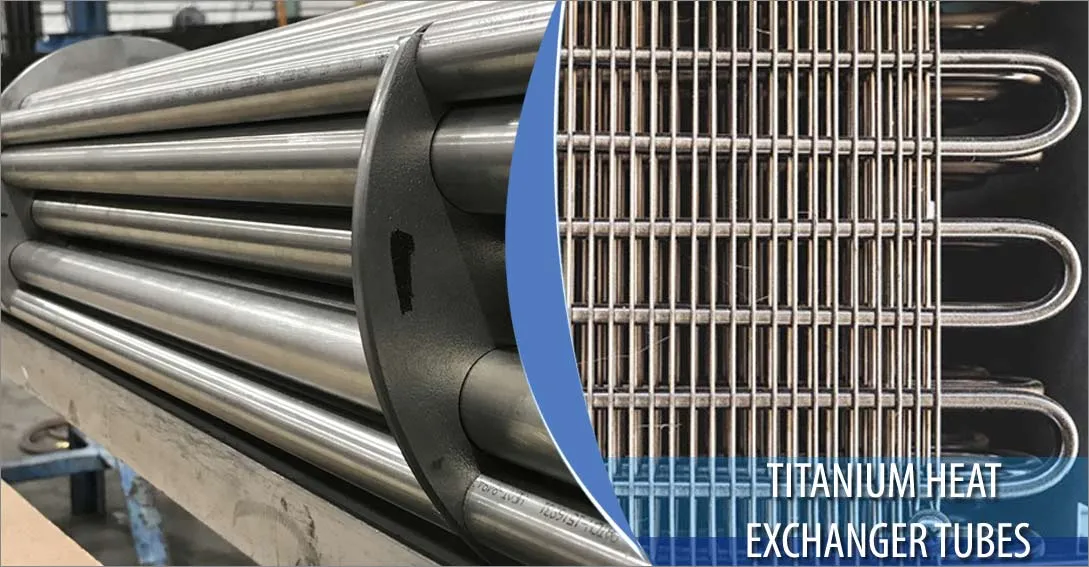
ASTM B338 – Seamless and Welded Titanium Tubes for Condensers and Heat Exchangers

  • Covers Grades 1, 2, 7, 11, 12, 16, 17 titanium tubes.
  • Widely used in seawater desalination plants and power plant condensers.

ASTM B861 – Seamless Titanium Pipe

  • Covers seamless titanium and titanium alloy pipe for pressure service.
  • Applications: Aerospace piping, chemical process industries.

ASTM B862 – Welded Titanium Pipe

  • Specifies welded titanium pipes, often used for larger diameters.

ASTM B337 – Seamless Titanium Pipe

  • Used for industrial and aerospace pressure systems.

Reference: ASTM B338 Titanium Tubes Standard.


4. Importance of ASTM Compliance in Projects

  • EPC Contractors and End-Users: Require ASTM compliance for bid qualification.
  • Third-Party Inspection: TÜV, DNV, LR often verify ASTM conformity through EN 10204 3.1/3.2 certificates.
  • Project Risk Reduction: Non-compliant material risks rejection, delays, and penalties.

5. Nickel vs Titanium – Standard Selection in Practice

Project TypeRecommended Standard (Nickel)Recommended Standard (Titanium)
Offshore Oil & GasASTM B444 (Inconel 625), B622 (C-276)ASTM B861
Chemical ProcessingASTM B423 (Incoloy 825), B622 (C-276)ASTM B337
Desalination & PowerASTM B444 (625), B423 (825)ASTM B338 (GR2/GR12)
Aerospace / High-TechASTM B444 / B622ASTM B861 (Seamless)

6. DLSS Expertise in ASTM-Compliant Pipes

At DLSS, we manufacture and export nickel alloy and titanium pipes fully compliant with ASTM standards, including:

  • Nickel Alloy: ASTM B444, B423, B622, B619, B626.
  • Titanium: ASTM B338, B861, B862, B337.
  • Full EN 10204 3.1/3.2 certification available.
  • Third-party inspection by TÜV, DNV, LR, ABS.
  • Custom sizes, U-bend tubes, and project-specific delivery schedules.

7. Conclusion & Call to Action

ASTM standards are essential references for ensuring the quality and reliability of nickel alloy and titanium piping systems. Whether your project involves chemical plants, desalination units, or aerospace systems, DLSS delivers ASTM-compliant solutions with strict quality control.

Contact DLSS for ASTM-compliant nickel alloy and titanium pipes.
info@dlsspipe.com | www.dlsspipeline.com

Wonderful! Share This Case:

Austenitic Stainless Steel

Duplex Stainless Steel

Nickel Alloys

▪ Incoloy Family

▪ Inconel Family

▪ Monel Family

▪ Hastelloy Family

▪ Other Special Alloys

Cobalt Alloys

Related Posts

ASME, EN, and JIS Standards

In global heat exchanger projects, engineers and procurement teams often face a critical question: Which material standard should we follow—ASME, EN, or JIS? Each of these standards governs stainless steel tube production but comes from different regions and technical philosophies. Understanding their differences helps avoid miscommunication, ensure regulatory compliance, and make smart sourcing decisions. In […]

Read More
Spiral Finned Tube vs Extruded Finned Tube: Which is Better for Your Project?

Spiral Finned Tube vs Extruded

When selecting spiral finned tube vs extruded finned tube for a heat exchanger, engineers must weigh performance, durability, and operating costs. Both fin types enhance heat transfer, but their differences can significantly affect long-term efficiency. If you’re new to finned tubes, start with What is a Finned Tube and How It Improves Heat Exchanger Efficiency. […]

Read More
Different Types of Finned Tubes and Their Applications in Heat Exchangers

Different Types of Finned Tubes

Finned tubes come in a variety of designs, each engineered to meet specific heat transfer and operating conditions. Choosing the right type of finned tube is essential for achieving optimal heat exchanger efficiency and long-term durability. If you are new to the concept, you can first read our article What is a Finned Tube and […]

Read More
Selecting Stainless Steel Tubes for Food, Beverage & Sanitary Applications (2025 Guide)

Selecting Stainless Steel Tubes for

Why Sanitary Tubing Matters in Food and Beverage Systems In the food and beverage industry, stainless steel tubing is not just about mechanical performance—it’s about hygiene, cleanliness, and compliance. Tubes are used to transport milk, beer, juice, water, or cleaning agents in systems that demand zero contamination, excellent cleanability, and corrosion resistance. Improper material selection […]

Read More
Nickel Alloy Steel Seamless Pipes and Tubes: Industrial Advantages and Applications

Nickel Alloy Steel Seamless Pipes

Introduction Nickel alloy steel seamless pipes and tubes are essential materials in demanding industries where components must withstand extreme temperatures, corrosive chemicals, and high pressure. Their seamless structure combined with the superior characteristics of nickel-based alloys makes them the material of choice for chemical processing, petrochemical, marine, power generation, and LNG applications. Nickel-based alloys are […]

Read More

Everything You Need to Know

What Are Inner Grooved Coil Tubes? Inner grooved coil tubes, also known as ribbed tubes or micro-fin tubes, are seamless or welded coil tubes with precisely formed helical grooves on the internal surface. These grooves increase turbulence in fluid flow, thereby enhancing the heat transfer coefficient. They are widely used in: Why Choose Inner Grooved Tubes?  30–50% better heat transfer than smooth tubes Enhanced […]

Read More
Heat Exchanger Tube Manufacturing for Japan’s Power Industry(日本の発電産業向け熱交換器チューブ製造)

Heat Exchanger Tube Manufacturing for

1. Introduction Japan’s power sector—including 火力発電所 (thermal power plants), 原子力発電所 (nuclear power plants), and 再生可能エネルギー施設 (renewable energy facilities)—demands high-performance heat exchanger tube Japan that can withstand high pressure, high temperature, and corrosive environments. DLSS provides stainless steel and special alloy tubes that meet JIS G3463 and ASTM standards, ensuring long service life and stable performance. […]

Read More
heat exchanger tubes

Heat Exchanger Tubes: Standards, Materials,

Heat exchanger tubes are the backbone of many critical industries, including oil & gas, power generation, petrochemicals, shipbuilding, and desalination. Choosing the right tube material and ensuring compliance with international standards are essential to guarantee safety, efficiency, and long-term performance. In this article, we provide a detailed overview of standards, materials, manufacturing processes, and applications […]

Read More

Request A Quote

*We respect your confidentiality and all information are protected.