Stainless Steel Tubes for Heat Exchangers: Grades, Benefits, and Industrial Applications

DLSS - Tubes For Heat Exchanger - Stainless Steel Tubes for Heat Exchangers: Grades, Benefits, and Industrial Applications

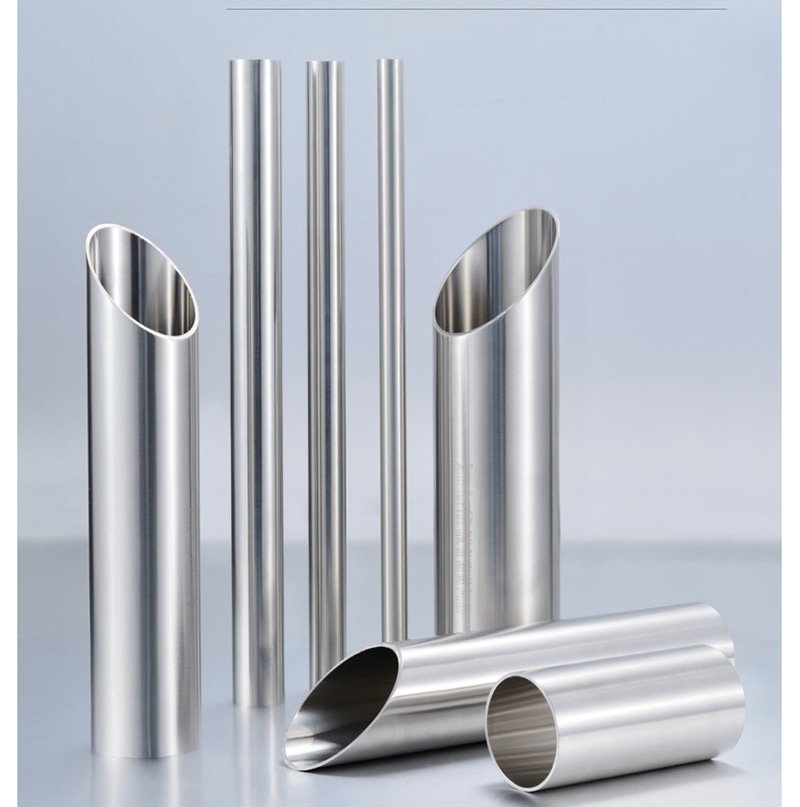
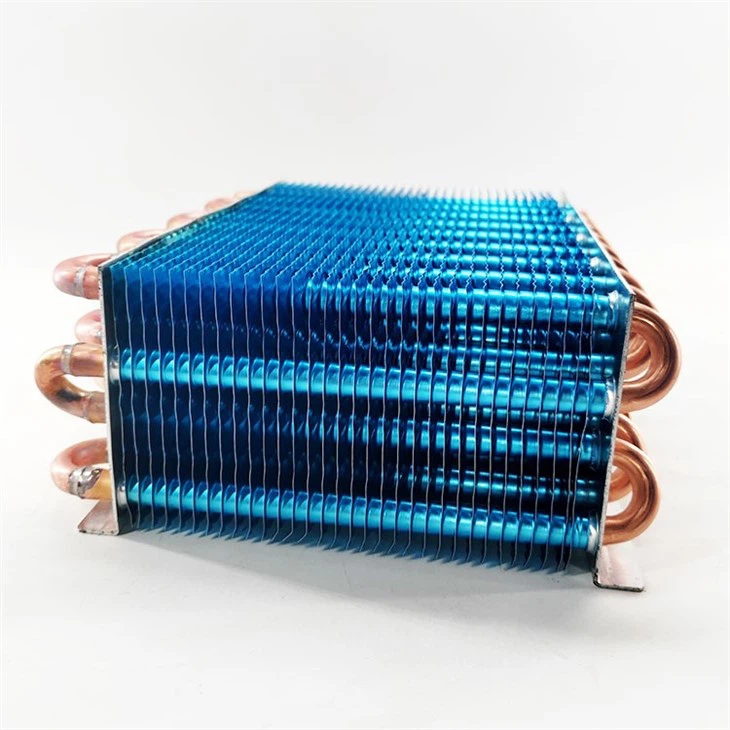
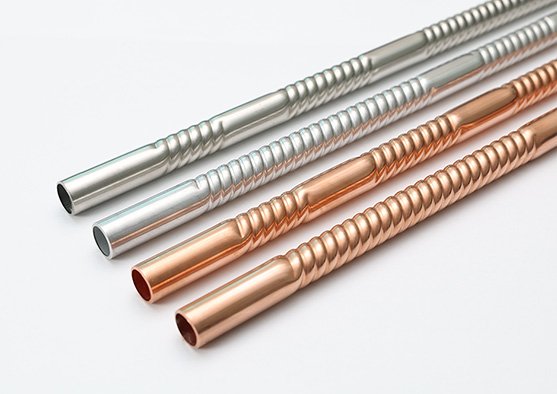
Stainless steel has become the material of choice for heat exchanger tubes across a wide range of industries. Its combination of corrosion resistance, mechanical strength, and cleanability makes it ideal for applications requiring durability and thermal efficiency. Choosing the right stainless steel grade is essential to maximizing performance and minimizing lifecycle costs.

This article explores the most common stainless steel tube grades used in heat exchangers, their performance characteristics, and industry-specific applications.


Why Stainless Steel?

According to Wikipedia – Stainless Steel, stainless steel is an iron-based alloy containing at least 10.5% chromium, which forms a passive film to resist corrosion. Its key benefits in heat exchanger applications include:

  • High corrosion resistance in acidic, alkaline, and chloride environments
  • Excellent strength-to-weight ratio
  • Good thermal conductivity for indirect heat transfer
  • Hygienic surface properties, easy to clean
  • Long service life with reduced maintenance costs

Stainless steel is also recyclable and widely accepted in ASME, EN, and PED design codes.


Common Stainless Steel Grades for Heat Exchanger Tubes

GradeUNS No.Features and BenefitsApplications
304LS30403General-purpose, low carbon, good weldabilityHVAC, water treatment, general industry
316LS31603Added molybdenum for chloride corrosion resistanceFood & beverage, pharmaceuticals, marine
317LS31703Higher molybdenum, better pitting resistanceChemical processing, pulp & paper
904LN08904High alloy, excellent sulfuric acid resistancePetrochemicals, fertilizer, acid recovery
Duplex 2205S32205High strength + chloride stress corrosion resistanceOffshore, oil & gas, desalination
Super Duplex 2507S32750Higher PREN value, seawater-compatibleSeawater cooling, subsea equipment
Titanium Gr.2N/AExtreme corrosion resistance in seawaterMarine, condenser tubes, desalination

Compare technical data: AZoM – Stainless Steel Grades


Heat Exchanger Tube Standards & Specifications

At DLSS, all stainless steel tubes conform to international heat exchanger specifications such as:

  • ASTM A213 / A269 / A789 – Seamless and welded tubes for boilers and heat exchangers
  • EN 10216-5 – European standard for seamless stainless steel tubes for pressure purposes
  • ASME Section II & VIII – Pressure vessel code requirements
  • PED 2014/68/EU – Pressure Equipment Directive for CE marking
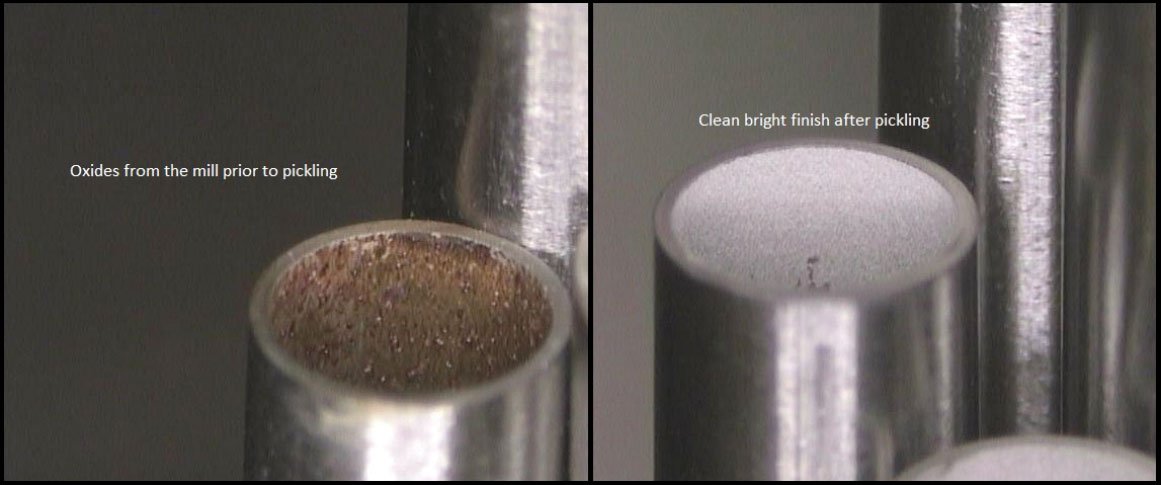
  • Surface finish options: pickled, bright annealed, polished (Ra ≤ 0.4 µm)

Need help understanding material test reports? See Wikipedia – Mill Test Report


Application Scenarios by Grade

316L – Food Grade Excellence

Used extensively in food, beverage, and pharmaceutical industries for its hygienic properties and corrosion resistance. Polished tubes meet 3-A sanitary standards.

2205 Duplex – Offshore Strength

Excellent resistance to chloride-induced stress corrosion cracking, suitable for offshore oil platforms, FPSOs, and subsea systems.

904L – Acid-Proof Durability

Highly resistant to sulfuric acid, used in fertilizer plants, refineries, and chemical reactors.

Titanium – Marine Performance

Unmatched resistance to pitting and crevice corrosion in brine, seawater, and chlorinated water. Ideal for condensers in coastal power plants.


DLSS: Stainless Steel Tube Expertise

DLSS supplies high-precision, corrosion-resistant stainless steel tubes for heat exchangers worldwide. We offer:

  • Tube diameters from 6mm to 60mm, wall thickness from 0.5mm to 5mm
  • U-bending, cutting-to-length, polishing, and eddy current testing
  • Tubing solutions tailored for petrochemical, power, food, HVAC, and marine industries
  • Compliance with ASME, PED, NACE, and API 660 project specifications

More details:
DLSS Heat Exchanger Tube Solutions


Frequently Asked Questions (FAQ)

Q1: How do I choose between 304L and 316L stainless steel tubes?
316L contains molybdenum, offering better corrosion resistance, especially in chloride-rich environments.

Q2: What is the PREN value and why does it matter?
PREN (Pitting Resistance Equivalent Number) helps compare corrosion resistance. Higher PREN = better resistance to pitting.

Q3: Are your tubes suitable for ASME-certified pressure vessels?
Yes. DLSS tubes comply with ASTM and ASME standards and can be supplied with ASME-compliant MTCs.


Contact Us

Looking for reliable stainless steel tube solutions for your heat exchanger project?

Our engineers and export professionals are ready to support you with:

  • Material selection advice
  • Sizing and standard consultation
  • Fast quotation and complete documentation

Email: info@dlsspipe.com
Website: www.dlsspipeline.com

DLSS – Trusted by global clients in over 40 countries.

Wonderful! Share This Case:

Austenitic Stainless Steel

Duplex Stainless Steel

Nickel Alloys

▪ Incoloy Family

▪ Inconel Family

▪ Monel Family

▪ Hastelloy Family

▪ Other Special Alloys

Cobalt Alloys

Related Posts

Nickel Alloy Steel Seamless Pipes and Tubes: Industrial Advantages and Applications

Alloy Steel Heat Exchanger Tubes

Introduction In high-temperature environments such as boilers, power plants, and petrochemical heat exchangers, alloy steel tubes are indispensable. One common choice is ASTM A199 T11, a Cr-Mo alloy steel that provides excellent creep resistance, mechanical strength, and durability. Recently, a customer requirement for T11 cold drawn tubes offers a valuable example of how this material […]

Read More
ASTM A789 S32750 Super Duplex Steel Seamless Tube 19*2.4MW Bright Annealed Type

Global Heat Exchanger Tube Standards

Meta Description:Compare global heat exchanger tube standards including ASTM, EN, GOST, and JIS. Understand their key differences, material designations, dimensional tolerances, and testing requirements. Introduction In the international heat exchanger industry, buyers and engineers frequently encounter various regional and international standards. The most commonly used include: Understanding the similarities and differences between these standards is […]

Read More
Top Heat Exchanger Trends to Watch in 2025

Top Heat Exchanger Trends to

Meta Description:Discover the latest heat exchanger technologies—hybrid systems, additive manufacturing, AI monitoring, and advanced materials—shaping energy efficiency across industrial sectors. 1. Hybrid Heat Exchangers: The Next Evolution Hybrid systems combine multiple heat transfer technologies (e.g., plate-fin + shell-and-tube) to boost energy efficiency and reduce installation space. This market is growing rapidly, fueled by decarbonization goals […]

Read More
belt-road-orders-stainless-steel-tube-strategy

Winning Orders in Belt and

With over 140 participating countries, China’s Belt and Road Initiative (BRI) has become one of the largest infrastructure investment programs in history. From oil pipelines in Pakistan to power plants in Southeast Asia and desalination facilities in Africa, the demand for stainless steel pipes, tubes, and heat exchanger systems is rapidly expanding. For Chinese manufacturers, […]

Read More
What’s the Difference Between TP304, TP316, TP321, and Other Stainless Steel Tube Grades?

What’s the Difference Between TP304,

Meta Description:Explore the key differences between TP304, TP316, TP321, and other stainless steel tube grades. Learn how to choose the right material based on corrosion resistance, temperature, mechanical strength, and compliance with ASTM and EN standards. Introduction Choosing the correct stainless steel tube grade is crucial for ensuring performance, longevity, and regulatory compliance in industries […]

Read More
Understanding EN 10204 3.1 vs 3.2: Certification Types for Stainless Steel Tubes

Understanding EN 10204 3.1 vs

Meta Description:Learn the key differences between EN 10204 3.1 and 3.2 material certificates for stainless steel tubes. Understand which certificate your project needs and how DLSS ensures compliance. Introduction Material certification is essential for traceability and quality assurance in the supply of stainless steel tubes, especially in industries like oil & gas, power generation, and […]

Read More
Top Surface Finishes for Stainless Steel Tubes – BA, EP, Polished, and More

Top Surface Finishes for Stainless

Meta Description:Discover the most common surface finishes for stainless steel tubes—BA, EP, polished, pickled—and how each impacts corrosion resistance, cleanliness, and application suitability. Introduction Surface finish plays a critical role in determining the performance and aesthetics of stainless steel tubes, especially in industries like pharmaceuticals, food processing, heat exchangers, and instrumentation systems. Whether your project […]

Read More
Bright Annealed vs Pickled Tubes – Which Finish Is Right for Your Application?

Bright Annealed vs Pickled Tubes

Meta Description:Explore the differences between bright annealed and pickled stainless steel tubes. Learn which finish is best for your application in terms of corrosion resistance, cleanliness, and industry standards. Introduction When selecting stainless steel tubes, the surface finish isn’t just cosmetic—it directly affects corrosion resistance, cleanability, and suitability for critical applications such as food processing, […]

Read More

Request A Quote

*We respect your confidentiality and all information are protected.