Cómo Prevenir el Agrietamiento por Sulfuro de Hidrógeno (H₂S) en Tuberías Industriales

DLSS - Oil & Gas Industry - Cómo Prevenir el Agrietamiento por Sulfuro de Hidrógeno (H₂S) en Tuberías Industriales

Meta descripción:
El H₂S puede causar fallas catastróficas en tuberías de refinería o gasoductos. Descubra cómo prevenir el agrietamiento inducido por hidrógeno (HIC) y la fisuración bajo esfuerzo (SSC) con materiales y pruebas adecuados.


Introducción

El sulfuro de hidrógeno (H₂S) es uno de los mayores enemigos de la integridad de las tuberías en la industria del petróleo y gas. Presente en muchos yacimientos sudamericanos, puede causar agrietamiento interno sin señales visibles, poniendo en riesgo la seguridad de plantas y personas.

Este artículo explica qué es el agrietamiento por H₂S, cómo detectarlo y—sobre todo—cómo prevenirlo desde la selección de materiales hasta los ensayos de calidad.


¿Qué es el agrietamiento inducido por hidrógeno (HIC)?

El HIC ocurre cuando el hidrógeno penetra en el acero, se acumula en defectos internos y forma microgrietas paralelas a la superficie del tubo.
Es común en aceros dulces con inclusiones de azufre y afecta particularmente a:

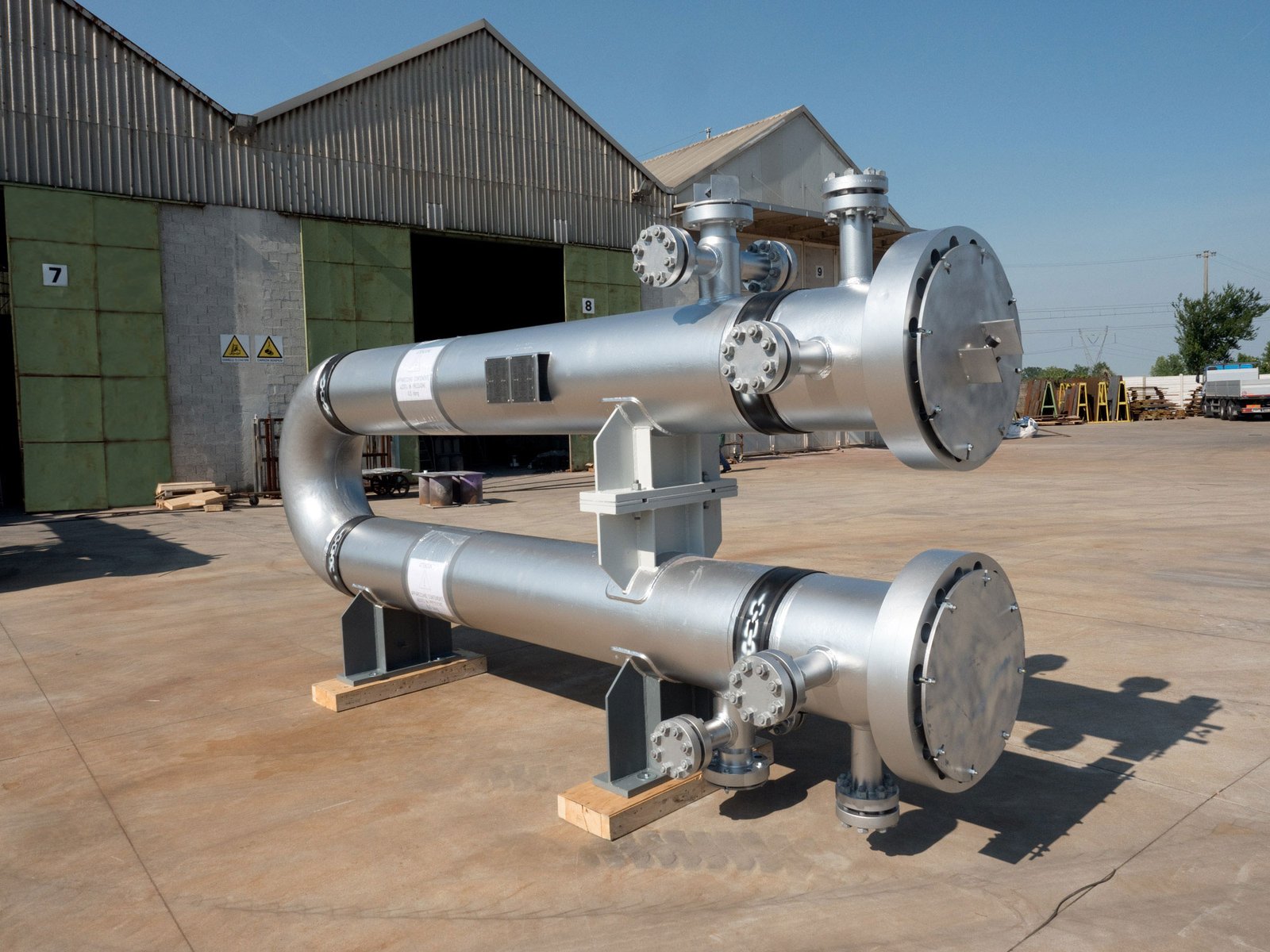
  • Tuberías en refinerías (condensadores, intercambiadores)
  • Gasoductos con servicio amargo (gas agrio)
  • Tanques de almacenamiento de crudo ácido

¿Qué es la fisuración bajo esfuerzo por sulfuro (SSC)?

La SSC es una fractura frágil que se forma en presencia simultánea de:

  • Tensiones internas o externas
  • Ambiente con H₂S
  • Aceros con alta dureza o baja tenacidad

Es común en tuberías soldadas o en zonas afectadas por el calor (ZAC) y puede ocurrir en condiciones de servicio normales si no se controla el material.


Materiales Recomendados para Evitar HIC y SSC

MaterialAplicaciónPropiedad Clave
A106 Gr. B NACETubería estándar para servicio agrioBajo azufre, baja dureza, soldabilidad
TP316LProcesos con cloruros y ácidoResistencia a corrosión general y SSC
TP317LAmbientes más agresivosMayor contenido de molibdeno
Incoloy 825Intercambiadores y líneas críticasCumple NACE MR0175, alta resistencia a H₂S
Alloy 625Áreas de alta presión y H₂S severoMáxima resistencia a corrosión y fatiga

DLSS ofrece todos estos materiales con pruebas específicas para HIC y SSC según el proyecto.


Ensayos Relevantes: NACE TM0284 y TM0177

Para verificar la resistencia de los materiales al H₂S, aplicamos ensayos según NACE:

  • HIC (TM0284): exposición del material en solución ácida con H₂S por 96 h
  • SSC (TM0177 Método A): aplicación de carga sobre la muestra en ambiente ácido durante 720 h

Se evalúan métricas como:

  • CLR (Crack Length Ratio)
  • CTR (Crack Thickness Ratio)
  • CSR (Crack Sensitivity Ratio)

DLSS colabora con laboratorios como SGS, BV y TÜV para garantizar cumplimiento total con NACE MR0175 e ISO 15156.


Proyectos en América del Sur

DLSS ha suministrado tuberías resistentes al H₂S para:

  • Refinerías en Argentina y Chile
  • Gasoductos amargos en Colombia y Perú
  • Sistemas offshore en Brasil (FPSO, plataformas)

Todos los productos incluyen:

  • Certificados EN 10204 3.1 / 3.2
  • Pruebas HIC/SSC aprobadas
  • Recomendaciones de soldadura y limpieza
  • Soporte técnico bilingüe para equipos locales

Conclusión

El agrietamiento por H₂S no se puede ignorar.
La selección adecuada de materiales y pruebas de calidad no solo evita fallas—protege vidas y reduce costos operativos a largo plazo.

Confíe en DLSS para el suministro de tubos resistentes al H₂S, certificados, probados y listos para sus proyectos en América Latina.


Contáctenos
Correo: info@dlsspipe.com
Sitio web: www.dlsspipeline.com

Wonderful! Share This Case:

Austenitic Stainless Steel

Duplex Stainless Steel

Nickel Alloys

▪ Incoloy Family

▪ Inconel Family

▪ Monel Family

▪ Hastelloy Family

▪ Other Special Alloys

Cobalt Alloys

Related Posts

Stainless steel seamless bright tube

How DLSS Performs 100% Eddy

Meta Description:DLSS explains how 100% eddy current testing (ET) ensures the quality and reliability of seamless stainless steel tubes. Learn about standards, test principles, and defect detection. Introduction In critical industries like heat exchangers, petrochemicals, boilers, and nuclear power, the demand for defect-free stainless steel tubing is non-negotiable. One of the most reliable non-destructive testing […]

Read More
Titanium Tubes vs Stainless Steel Tubes: Which One is Right for Your Heat Exchanger?

Titanium Tubes vs Stainless Steel

Meta Description:Compare titanium tubes and stainless steel tubes in terms of corrosion resistance, mechanical strength, cost, and applications. Find out which is the better material for your heat exchanger or industrial system. Introduction In corrosive or high-performance environments—such as desalination, chemical processing, or marine applications—material selection is crucial. Two common choices for heat exchanger tubing […]

Read More
U-Bent Heat Exchanger Tubes: Precision and Reliability for Industrial Efficiency

U-Bent Heat Exchanger Tubes: Precision

Meta Description:Explore how U-bent stainless steel tubes optimize space, thermal transfer, and maintenance efficiency in power plants and chemical facilities across South America. Introduction In complex thermal systems—such as boilers, condensers, and heat recovery units—U-bent stainless steel tubes offer a compact, efficient, and high-performance solution. Their curved design allows for greater heat transfer in limited […]

Read More
Different Types of Finned Tubes and Their Applications in Heat Exchangers

Different Types of Finned Tubes

Finned tubes come in a variety of designs, each engineered to meet specific heat transfer and operating conditions. Choosing the right type of finned tube is essential for achieving optimal heat exchanger efficiency and long-term durability. If you are new to the concept, you can first read our article What is a Finned Tube and […]

Read More
Selecting Stainless Steel Tubes for Chemical Processing Equipment (2025 Guide)

Selecting Stainless Steel Tubes for

Why Chemical Processing Requires Advanced Tubing Materials Chemical industries operate under some of the most corrosive and demanding environments. Stainless steel tubes used in reactors, acid circulation lines, scrubbers, and condensers are constantly exposed to aggressive chemicals like sulfuric acid, hydrochloric acid, chlorides, and high-pressure steam. Choosing the wrong material could lead to rapid corrosion, […]

Read More
Nickel Alloys vs Stainless Steel Tubes – When and Why to Choose Each

Nickel Alloys vs Stainless Steel

Meta Description:Explore the key differences between nickel alloy tubes and stainless steel tubes. Understand when to select Inconel, Monel, or Hastelloy instead of TP316 or Duplex 2205, and how to evaluate performance vs. cost in demanding applications. Introduction In critical industries like oil & gas, chemical processing, power generation, and aerospace, choosing between stainless steel […]

Read More
Corrosion Resistance in Marine Applications: Stainless Tubes for Japan(海洋用途における耐食性:日本向けステンレスチューブ)

Corrosion Resistance in Marine Applications:

1. Introduction Japan, an island nation surrounded by seawater, faces constant challenges from 塩化物腐食 (chloride corrosion) in its marine industries. Stainless steel tubes with high corrosion resistance are essential in 海水淡水化プラント (seawater desalination plants), offshore oil & gas facilities, and shipbuilding. DLSS specializes in supplying marine corrosion resistant tube Japan to meet these demanding conditions. […]

Read More
africa-refinery-power-projects-stainless-steel-demand

Africa’s Refining and Power Surge:

Africa is undergoing a once-in-a-generation infrastructure transformation. New refineries, LNG terminals, combined cycle power plants, and mining developments are emerging across Nigeria, Egypt, Algeria, Angola, Kenya, and beyond. For stainless steel tube and pipe suppliers, this is not just a trend—it’s a new frontier. The continent’s demand for high-quality industrial piping, heat exchanger tubes, and […]

Read More

Request A Quote

*We respect your confidentiality and all information are protected.