Corrosion Resistance in Marine Applications: Stainless Tubes for Japan(海洋用途における耐食性:日本向けステンレスチューブ)

DLSS - Market Insights – Japan - Corrosion Resistance in Marine Applications: Stainless Tubes for Japan(海洋用途における耐食性:日本向けステンレスチューブ)

1. Introduction

Japan, an island nation surrounded by seawater, faces constant challenges from 塩化物腐食 (chloride corrosion) in its marine industries. Stainless steel tubes with high corrosion resistance are essential in 海水淡水化プラント (seawater desalination plants), offshore oil & gas facilities, and shipbuilding. DLSS specializes in supplying marine corrosion resistant tube Japan to meet these demanding conditions.


2. Corrosion Challenges in Japanese Marine Industry

Marine environments expose metals to:

  • High chloride levels from seawater
  • Salt-laden air in coastal regions
  • Temperature variations between seasons
  • Biofouling from marine organisms

If the wrong material is used, pitting corrosion, crevice corrosion, or stress corrosion cracking can quickly reduce service life.


3. Recommended Stainless Grades for Marine Use

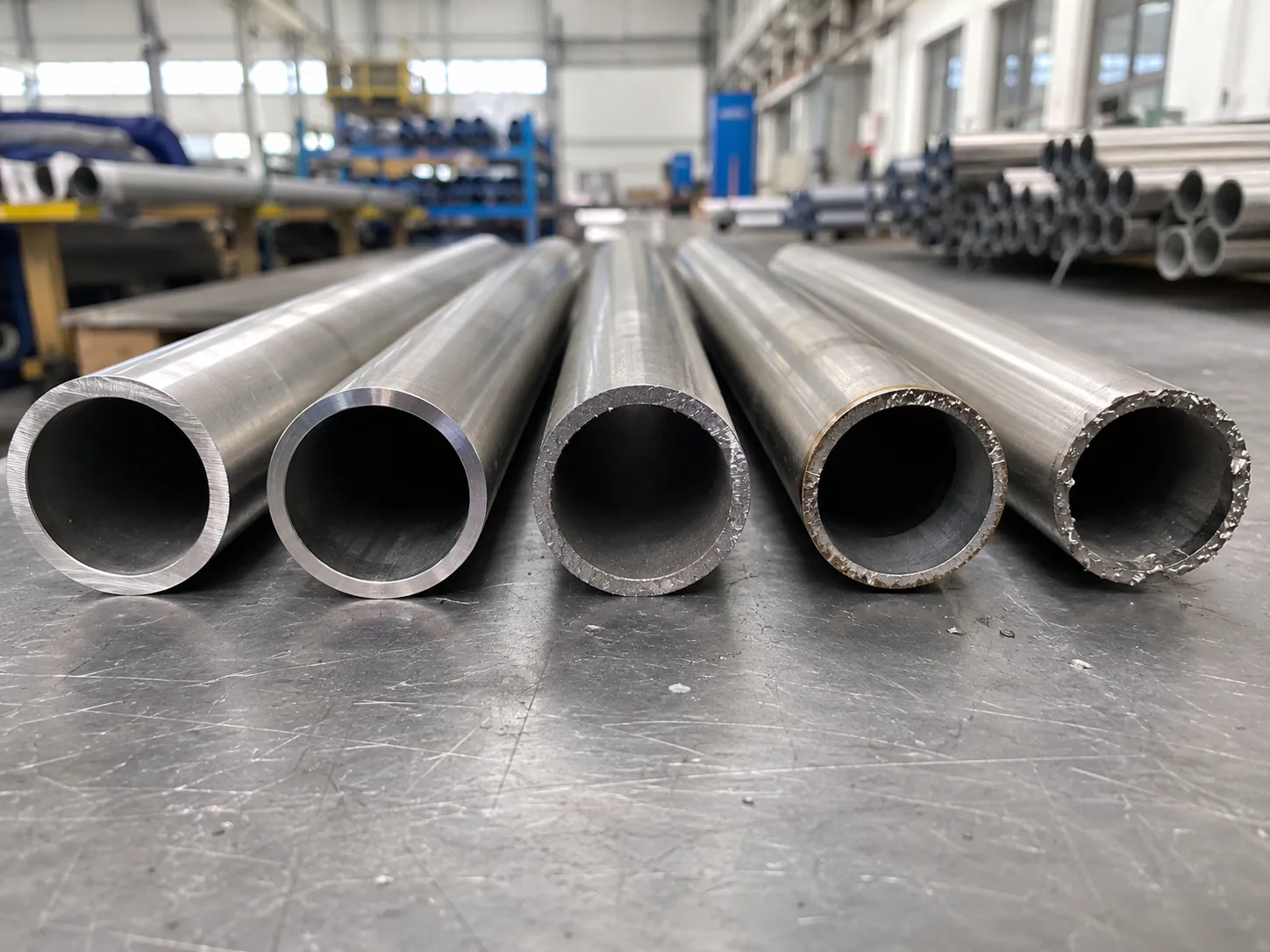
  • SUS316L / TP316L – Molybdenum-enhanced for excellent pitting resistance
  • SUS2205 Duplex – Higher strength and better chloride resistance than 316L
  • SUS2507 Super Duplex – Superior performance in extreme seawater conditions
  • Titanium Tubes – For the most aggressive marine and desalination applications

Reference: Pitting Corrosion – Wikipedia


4. Applications in Japan

  • 海水淡水化設備 in Okinawa, Shizuoka, and coastal cities
  • 洋上風力発電冷却システム (offshore wind farm cooling systems)
  • 化学工場の海水冷却ライン (chemical plants using seawater cooling)
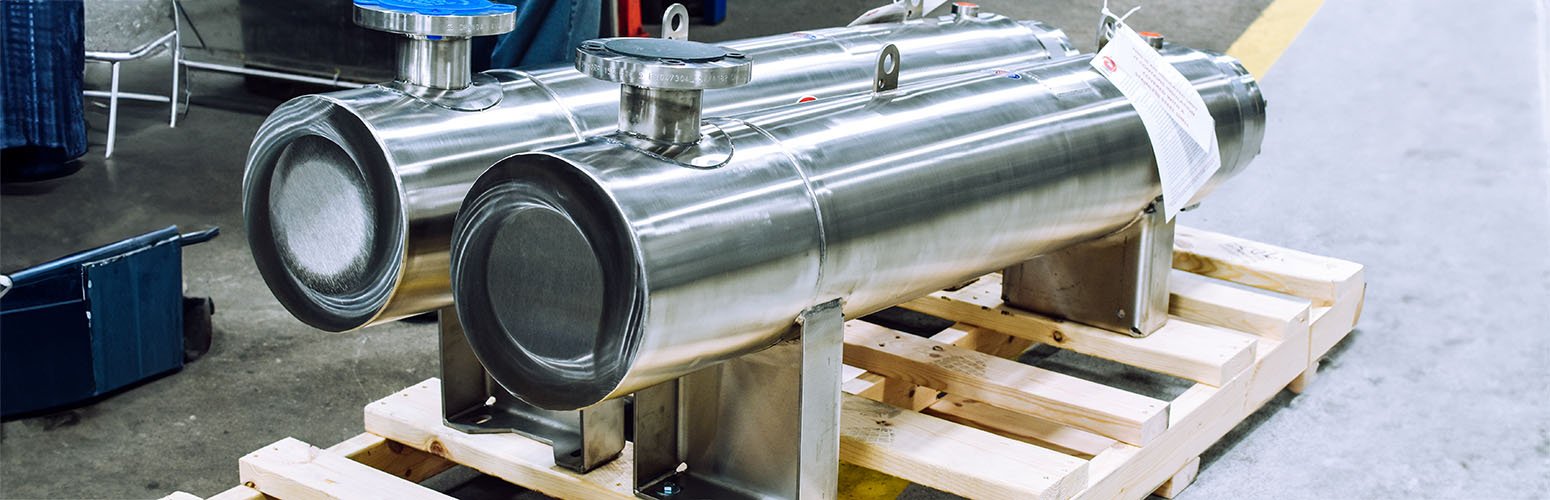
  • 船舶用熱交換器 (shipboard heat exchangers)

5. DLSS Marine Tube Advantages

  • Enhanced Corrosion Resistance: Tested in simulated seawater conditions
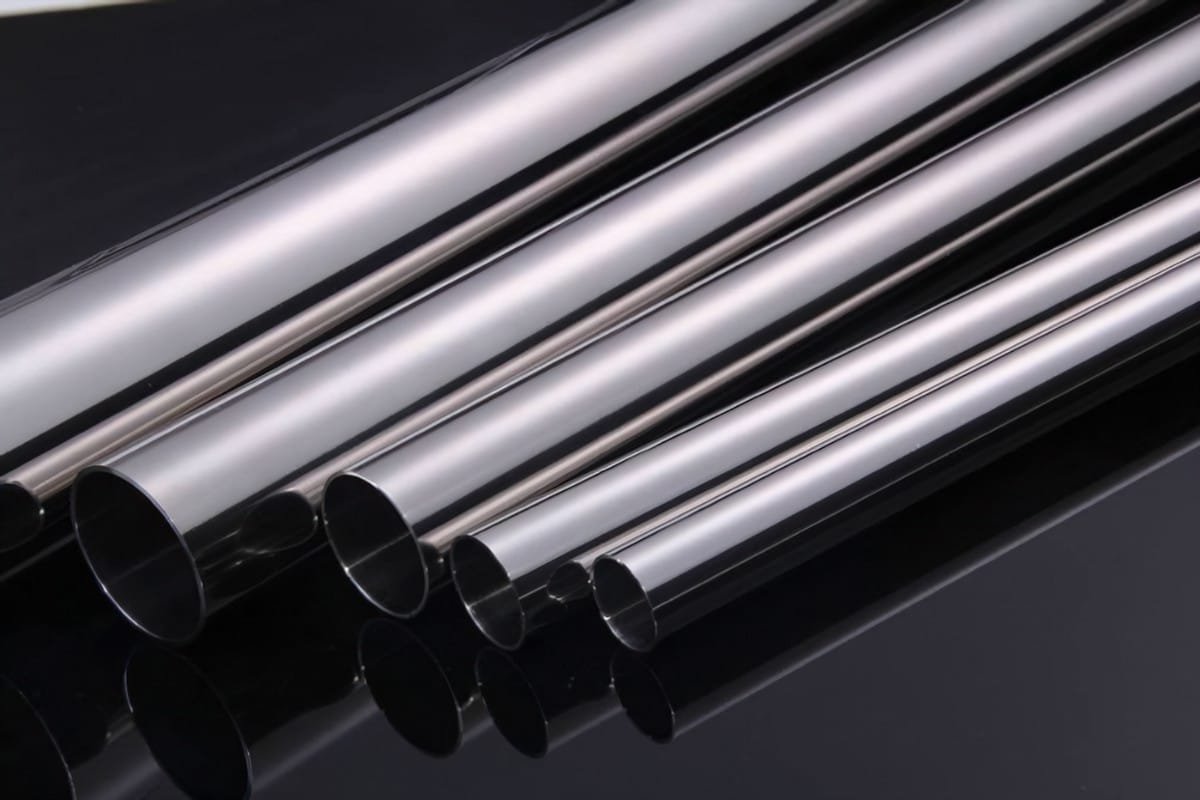
  • High Surface Finish Quality: Smooth inner surface minimizes fouling
  • Custom Lengths & Bending: U-bend tubes for marine condensers
  • Seaworthy Packaging: Plastic end caps, anti-corrosion oil, wooden crates for long-distance sea transport
  • Dual Certification: ASTM + JIS for international and domestic projects

6. Conclusion & Call to Action

For Japan’s marine and coastal industries, marine corrosion resistant tube Japan is more than a product—it’s a safeguard against downtime and costly replacements. DLSS delivers the right materials, certified quality, and export-ready packaging to ensure your projects succeed in the harshest seawater environments.

info@dlsspipe.com | www.dlsspipeline.com

Wonderful! Share This Case:

Austenitic Stainless Steel

Duplex Stainless Steel

Nickel Alloys

▪ Incoloy Family

▪ Inconel Family

▪ Monel Family

▪ Hastelloy Family

▪ Other Special Alloys

Cobalt Alloys

Related Posts

HIC and SSC Testing Explained: What Oil & Gas Engineers Need to Know

HIC and SSC

Oil and gas projects often use sour service pipe materials in H₂S environments. Sour service means the system contains hydrogen sulfide, also called H₂S. H₂S can create serious cracking risks in steel pipes, fittings, flanges, and pressure parts. These cracks may be hard to see at first. But they can...

Read More
Titanium Tubes vs Stainless Steel Tubes: Which One is Right for Your Heat Exchanger?

Titanium vs Stainless

Titanium tubes and stainless steel tubes are both used as heat exchanger tubes in many industrial systems. But they are not used for the same working conditions. Titanium is often used in seawater, high chloride, desalination, and marine systems. Stainless steel is often used in general heat exchangers, boilers, power...

Read More

How to Choose

Stainless steel tubes are commonly used in heat exchanger systems because they are corrosion-resistant and have a long lifespan. However, how do you choose the right stainless steel tube? This article will help you understand the key factors to consider when selecting stainless steel tubes. 1、Material Grade Stainless steel tubes are...

Read More

ISO 2037 Sanitary

ISO 2037 sanitary tube is a common term in food, beverage and hygienic piping projects. Many old drawings, RFQs and equipment lists still mention ISO 2037. Buyers may also use this term when they need stainless steel sanitary tubes for dairy lines, beverage lines, food processing systems or clean process...

Read More
TP316L Stainless Pipes for Japan’s Chemical Processing Plants – 日本化学プラント向けTP316Lステンレス管

TP316L Stainless Pipes

Introduction Japan’s chemical industry demands high-performance stainless steel pipes capable of withstanding aggressive media and high temperatures. TP316L stainless pipes by DLSS meet JIS G3459 – Stainless Steel Pipes for Corrosion Resistance, ensuring durability, weldability, and excellent resistance to chloride-induced corrosion common in Japanese chemical processing plants. 1. Why TP316L...

Read More
How DLSS Controls Grain Size for Austenitic Stainless Steel Tubes – Why It Matters

How DLSS Controls

Introduction Grain size in stainless steel is more than just a microscopic characteristic—it directly affects mechanical strength, corrosion resistance, formability, and creep performance. For critical applications such as heat exchangers, nuclear power, and chemical processing, maintaining the correct grain size (typically ASTM No. 5 to No. 8) is a specification...

Read More
Heat Exchangers in the Food and Beverage Industry: Hygienic Design and Stainless Steel Tube Selection

Heat Exchangers in

In the food and beverage (F&B) industry, heat exchangers play a vital role in processes such as pasteurization, sterilization, CIP cleaning, and temperature control in production lines. These systems must meet stringent hygiene requirements, resist corrosion, and maintain high thermal efficiency under continuous operation. This article explores how heat exchangers...

Read More
What is Pickling and Passivation? Surface Treatment for Stainless Steel Tubes Explained

What is Pickling

Introduction Stainless steel may be known for its corrosion resistance, but improper surface conditions can compromise performance. To ensure maximum durability, two essential surface treatments are often used: pickling and passivation. These processes are vital for removing contamination, enhancing corrosion resistance, and meeting industry specifications—especially in applications like food processing,...

Read More

Request A Quote

*We respect your confidentiality and all information are protected.