Africa’s Refining and Power Surge: Is It the Next Big Market for Stainless Steel Piping?

DLSS - Oil & Gas Industry - Africa’s Refining and Power Surge: Is It the Next Big Market for Stainless Steel Piping?

Africa is undergoing a once-in-a-generation infrastructure transformation. New refineries, LNG terminals, combined cycle power plants, and mining developments are emerging across Nigeria, Egypt, Algeria, Angola, Kenya, and beyond.

For stainless steel tube and pipe suppliers, this is not just a trend—it’s a new frontier. The continent’s demand for high-quality industrial piping, heat exchanger tubes, and pressure components is growing fast and diversifying.


1. The Projects Driving Demand

Here’s a snapshot of current mega-projects and their piping requirements:

CountryProjectProduct Needs
NigeriaDangote Refinery (650,000 bpd)Large OD stainless steel piping, ASME heat exchanger tubes
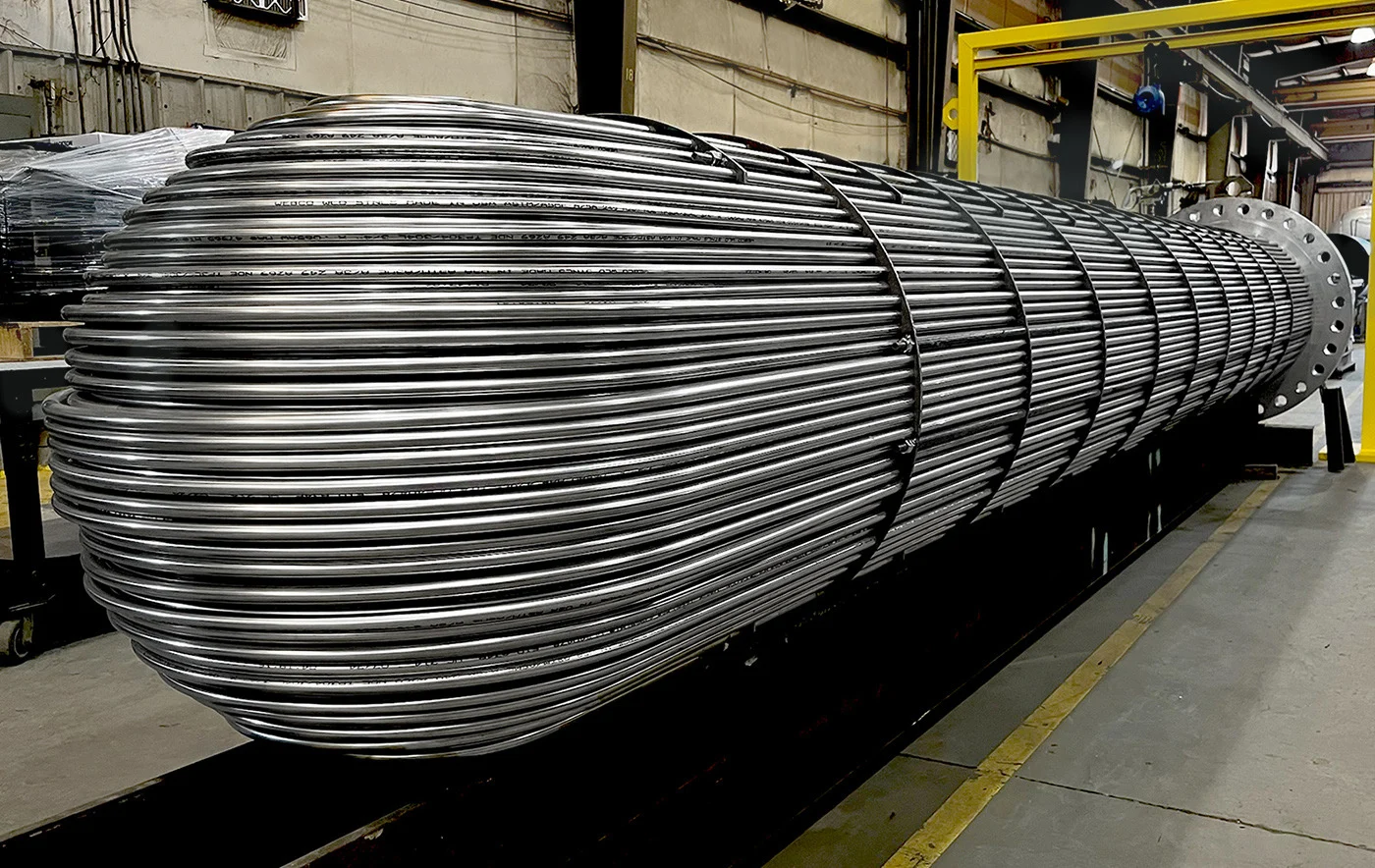
EgyptEl-Dabaa Nuclear Power PlantTP316L seamless piping, U-bend coils for heat removal systems
AlgeriaSkikda LNG and Hassi R’Mel Gas ProjectsDuplex and 904L alloy tubes, cryogenic-ready piping
KenyaGeothermal Power Plants (Olkaria)Corrosion-resistant geothermal tubes (TP304L, TP321)
AngolaCabinda Refinery and gas pipeline expansionsFlanges, elbows, SA213 tubes, alloy steel headers

Many of these projects are funded by public-private partnerships or with the support of Chinese, European, or Middle Eastern EPC firms.
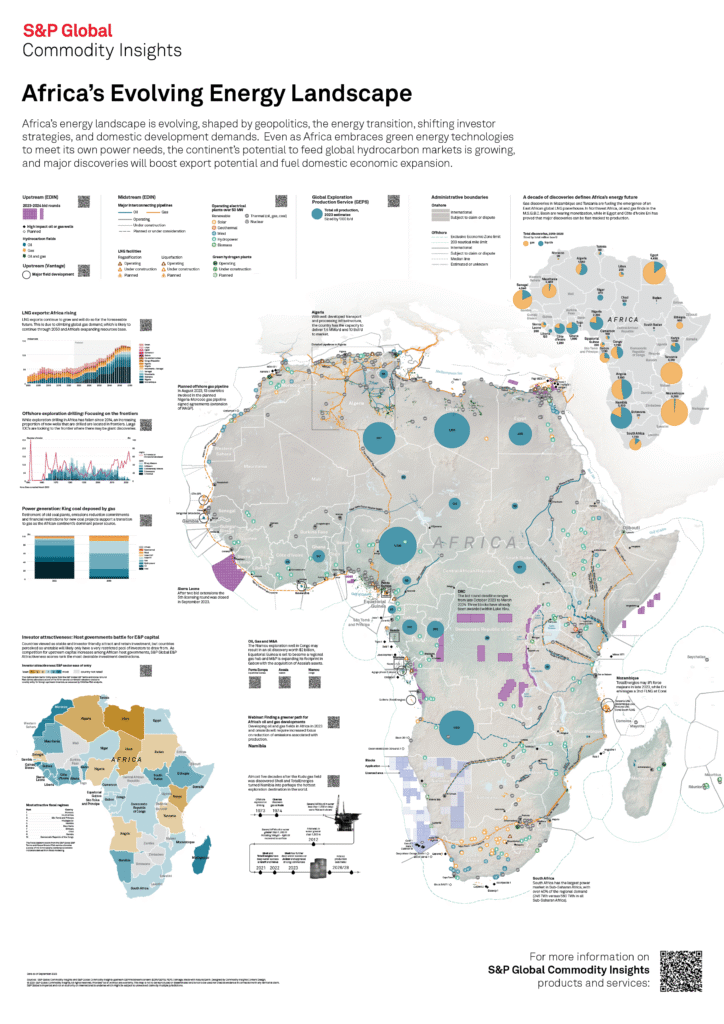
africa-refinery-power-projects-stainless-steel-demand

2. Why Stainless Steel Tubing Is Gaining Ground

While carbon steel remains prevalent in basic piping, stainless steel tubes are increasingly selected due to:

  • Resistance to corrosion, especially in coastal, high-salinity, or acidic conditions
  • Suitability for high-pressure and high-temperature systems (steam, hydrogen, oil)
  • Ease of maintenance and longer lifecycle for hard-to-reach areas
  • Compatibility with renewable energy systems like geothermal or hybrid plants

Standards such as ASME SA213, ASTM A312, EN10216-5, and DIN 17458 are often specified.
africa-refinery-power-projects-stainless-steel-demand

3. Exporter’s Playbook: How to Enter and Succeed in Africa

African buyers and EPCs prioritize delivery certainty, document accuracy, and project experience. Here’s what stainless steel suppliers must prepare:

Buyer RequirementHow to Respond
TPI documentationOffer support for SGS/BV/TÜV inspection at your mill
Standard-compliant packagingFumigated wooden boxes, seaworthy markings, bundle labels
Multilingual paperworkFrench or Arabic versions for North/West Africa may be needed
Flexible IncotermsSome buyers prefer CIF or DAP to simplify import handling
Fast response timesMany projects are time-sensitive and buyers value speed

Tip: Highlight past projects with refineries, mining operations, or power plants during your offers to establish credibility.
africa-refinery-power-projects-stainless-steel-demand

4. DLSS Case Study

In 2024, DLSS successfully delivered over 75 tons of TP316L stainless steel U-tubes and SA213 seamless piping for a sugar-mill energy recovery system in South Africa. The project demanded full traceability, 3.1 certificates, and BV inspection prior to shipment. DLSS met the timeline within 27 days, helping the customer restart the plant with improved efficiency.


Frequently Asked Questions (FAQ)

Q1: What stainless steel grades are most popular for African refineries?
A: TP316L, TP321, S32205 (duplex), and sometimes TP304H for high-temperature zones.

Q2: Are African buyers price-sensitive?
A: Yes—but increasingly they also value document compliance, performance, and service. Providing added value through fast quoting and technical advice helps win orders.

Q3: How are products usually delivered to Africa?
A: Through major ports like Lagos (Nigeria), Mombasa (Kenya), Durban (South Africa), and Alexandria (Egypt), often using 20’ or 40’ containers with wood-packed bundles.

Q4: Are third-party inspections required?
A: For government or EPC-funded projects—yes. Pre-shipment inspections by SGS, BV, or TUV are common and often mandatory.
africa-refinery-power-projects-stainless-steel-demand

Conclusion: Africa Is Not Waiting—Neither Should You

Africa’s industrial momentum is real. Projects are moving fast, and they need reliable partners who can deliver certified stainless steel tubing, offer flexibility, and back their claims with real project success.

If your company can ensure ASME-compliant delivery, provide bilingual documentation, and solve logistical challenges—Africa may just be your next strategic growth market.

Wonderful! Share This Case:

Austenitic Stainless Steel

Duplex Stainless Steel

Nickel Alloys

▪ Incoloy Family

▪ Inconel Family

▪ Monel Family

▪ Hastelloy Family

▪ Other Special Alloys

Cobalt Alloys

Related Posts

Brinell Rockwell Vickers Shore hardness stainless steel tubes

Definitions and Representation

Introduction Hardness is one of the most important mechanical properties for evaluating metallic materials. It reflects a material’s resistance to deformation, wear, and penetration, which is critical for stainless steel seamless tubes used in boilers, heat exchangers, and petrochemical equipment. The most widely used hardness testing methods are Brinell (HB),...

Read More
Sanitary Stainless Steel Tubes for Food and Beverage Applications in Latin America

Sanitary Stainless Steel

Introduction The food and beverage industry in Latin America is growing rapidly, driven by both exports and domestic demand. From Brazil’s massive dairy processing sector to Colombia’s coffee production and Argentina’s wineries, the region requires reliable, hygienic, and corrosion-resistant tubing to support safe and efficient food-grade operations. Sanitary stainless steel...

Read More
How to Size a Shell and Tube Heat Exchanger: Key Design Parameters

How to Size

1. Introduction – Shell and Tube Heat Exchanger Sizing Proper shell and tube heat exchanger sizing ensures optimal performance, energy efficiency, and long service life. Incorrect sizing can lead to excessive pressure drops, fouling, or insufficient heat transfer. This guide outlines the key design parameters to consider when sizing a...

Read More
Aluminum Brass C68700 (O61) ASTM B111 Seamless Tube 19 × 1.6mm × 3000mm with 100% Eddy Current Testing for Condenser Applications.

Aluminum Brass C68700

Product Overview: ASTM B111 C68700 Aluminum Brass Seamless Tube (19×1.6mm, 3000mm) C68700 Aluminum Brass, also known as Al-Brass, is a copper-zinc alloy enhanced with a small amount of aluminum. It is widely recognized for its exceptional resistance to dezincification, corrosion, and biofouling, especially in seawater and brackish water environments. This makes it...

Read More
How DLSS Controls Grain Size for Austenitic Stainless Steel Tubes – Why It Matters

How DLSS Controls

Introduction Grain size in stainless steel is more than just a microscopic characteristic—it directly affects mechanical strength, corrosion resistance, formability, and creep performance. For critical applications such as heat exchangers, nuclear power, and chemical processing, maintaining the correct grain size (typically ASTM No. 5 to No. 8) is a specification...

Read More
Advanced Pipe-Based Heat Exchanger Designs: U-Tube, Shell-and-Tube, and Coiled Tube Systems

Advanced Pipe-Based Heat

As industrial demands for thermal efficiency, space optimization, and corrosion resistance continue to grow, the design and selection of heat exchangers have become increasingly specialized. Beyond basic double tube systems, engineers often turn to more advanced pipe configurations to meet rigorous process requirements. In this article, we explore three widely...

Read More
Plate vs. Shell and Tube Heat Exchangers: A Complete Comparison Guide

Plate vs. Shell

Selecting the right heat exchanger is critical for ensuring operational efficiency, durability, and cost-effectiveness. Among the most commonly used designs are the plate heat exchanger (PHE) and the shell and tube heat exchanger (STHE)—each offering distinct performance advantages in specific industrial environments. This guide compares the two technologies in terms...

Read More
Weldability and Fabrication Challenges of Titanium and Nickel Alloy Tubes

Weldability and Fabrication

1. Introduction Welding and fabrication are critical stages in the production and installation of titanium tubes and nickel alloy pipes. Both materials offer superior corrosion resistance and mechanical properties, but they require specialized welding techniques, strict process control, and skilled workmanship to ensure reliability in demanding applications such as desalination...

Read More

Request A Quote

*We respect your confidentiality and all information are protected.