ASTM A269 vs ASTM A213: What’s the Difference for Stainless Steel Tubes?

DLSS - Pipe&Tube - ASTM A269 vs ASTM A213: What’s the Difference for Stainless Steel Tubes?

Meta Description:
Confused between ASTM A269 and ASTM A213 stainless steel tube standards? This guide compares their differences in application, mechanical properties, testing, and surface finish.


Introduction

When sourcing stainless steel tubes, understanding the applicable ASTM standards is crucial. Two commonly referenced specifications are ASTM A269 and ASTM A213.

While they may seem similar, these standards differ significantly in intended use, required testing, surface finish, and tolerances.

In this article, we compare ASTM A269 and ASTM A213, helping you select the right tube for your application.


Overview of ASTM A213

ASTM A213 covers seamless ferritic and austenitic stainless steel tubes intended for:

  • Boiler tubes
  • Superheaters
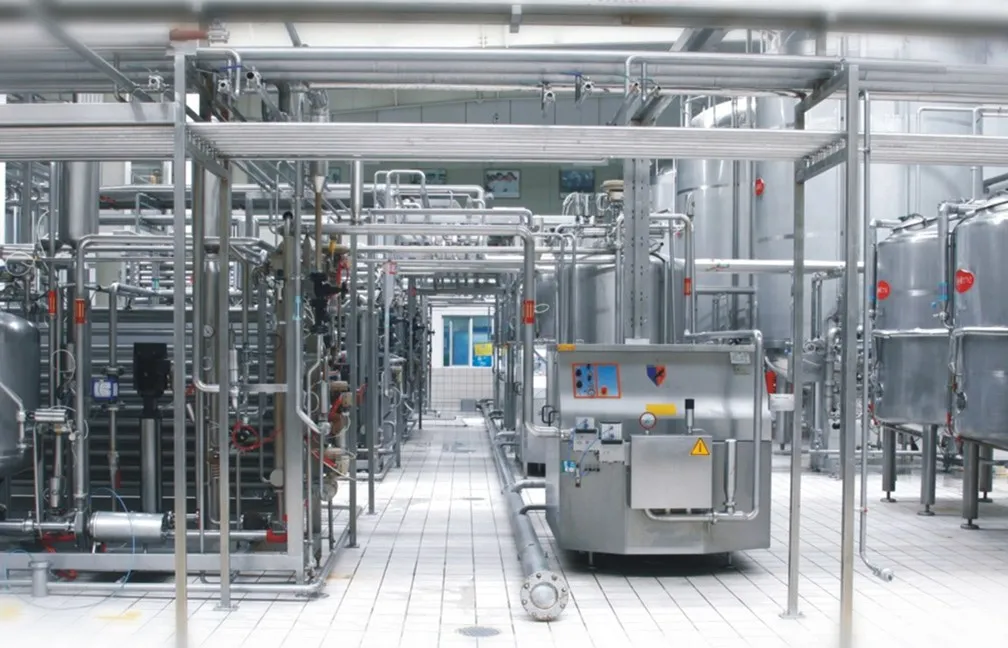
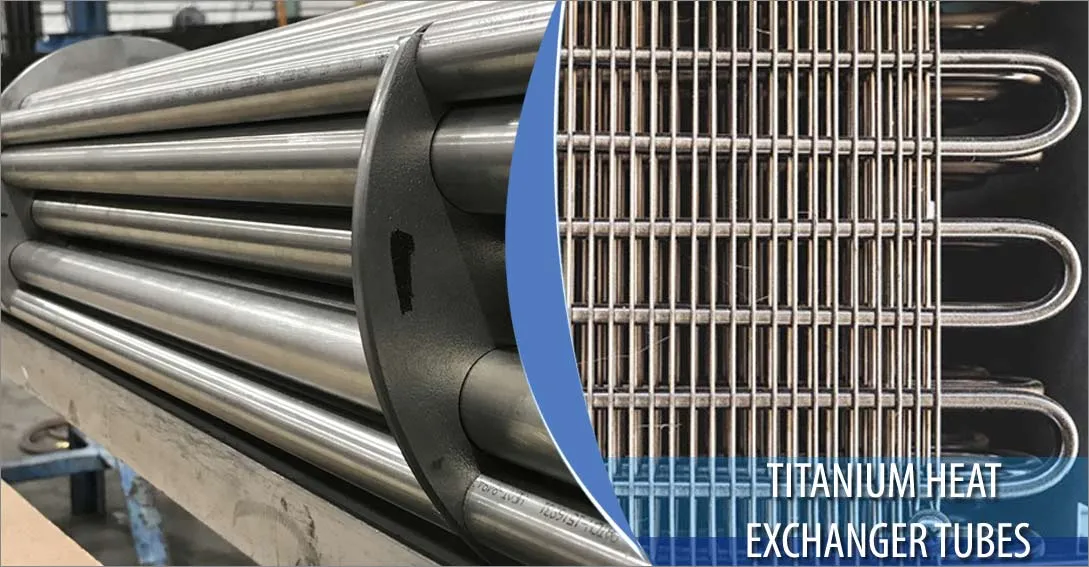
  • Heat exchangers
  • High-temperature service

Typical grades: TP304, TP304L, TP316, TP316L, TP321, TP347

Key Features:

  • Mandatory heat treatment (solution annealing)
  • Tighter wall thickness tolerances
  • Mandatory nondestructive testing (NDT) like eddy current or hydrostatic

Overview of ASTM A269

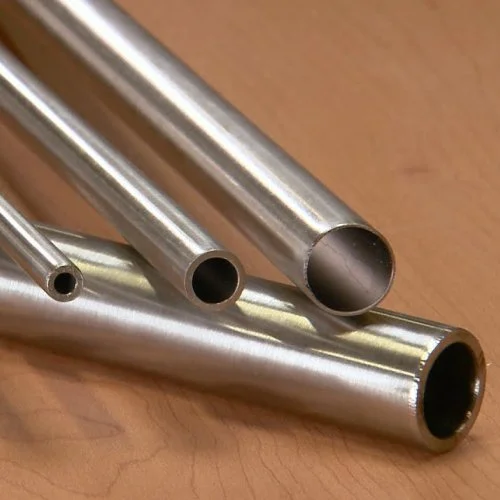
ASTM A269 applies to seamless and welded austenitic stainless steel tubing used for:

  • General-purpose fluid transport
  • Low-pressure systems
  • Instrumentation or utility lines

Typical grades: TP304, TP304L, TP316, TP316L

Key Features:

  • Heat treatment is required only for certain sizes
  • Available in bright annealed or polished finish
  • NDT is optional unless specified by the purchaser

Comparison Table: A213 vs A269

FeatureASTM A213ASTM A269
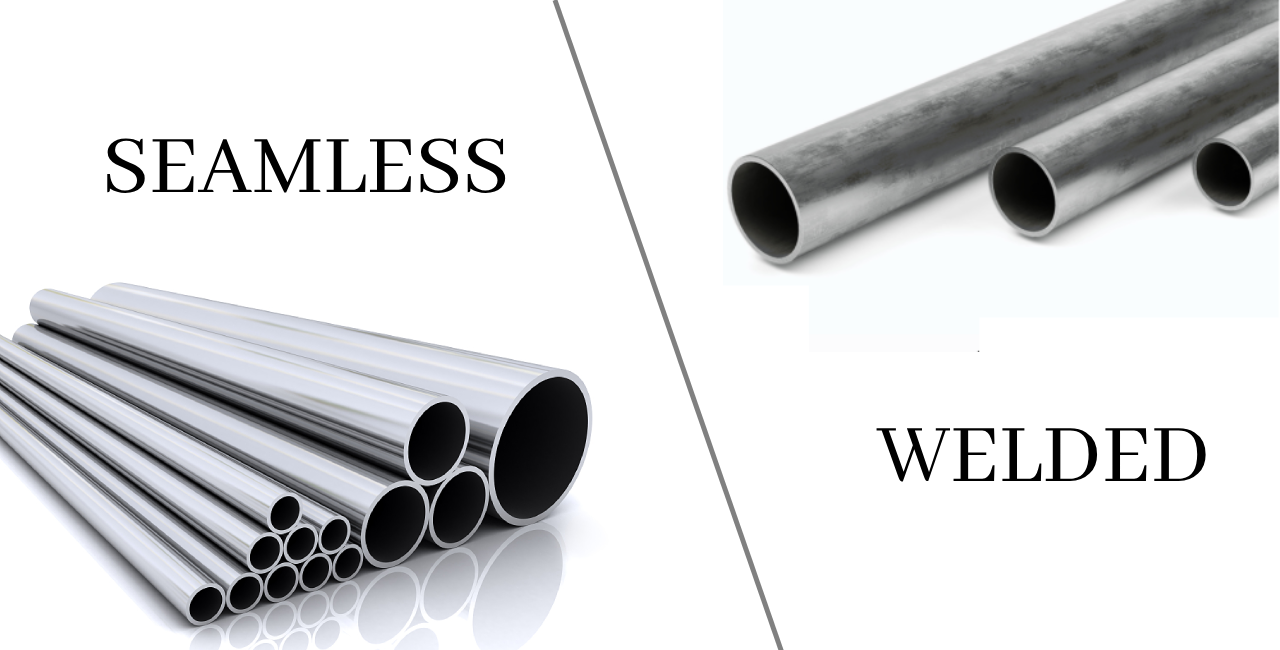
Tube TypeSeamless onlySeamless and welded
ApplicationHeat exchangers, boilersGeneral-purpose piping
Grades CoveredFerritic & Austenitic SSAustenitic SS only
Heat TreatmentMandatory solution annealingMandatory for sizes >¼” OD
Surface FinishPickled / Bright AnnealedBA, pickled, or polished
Wall Thickness ToleranceTighter (ASTM A450 reference)Less strict
NDT RequirementMandatory (hydro or eddy current)Optional (unless requested)
Mechanical PropertiesSpecified & testedSpecified & tested
Typical End UseHeat transfer systemsUtility tubing, instrumentation

When to Use ASTM A213

Choose ASTM A213 tubes when:

  • The system operates under high temperature or pressure
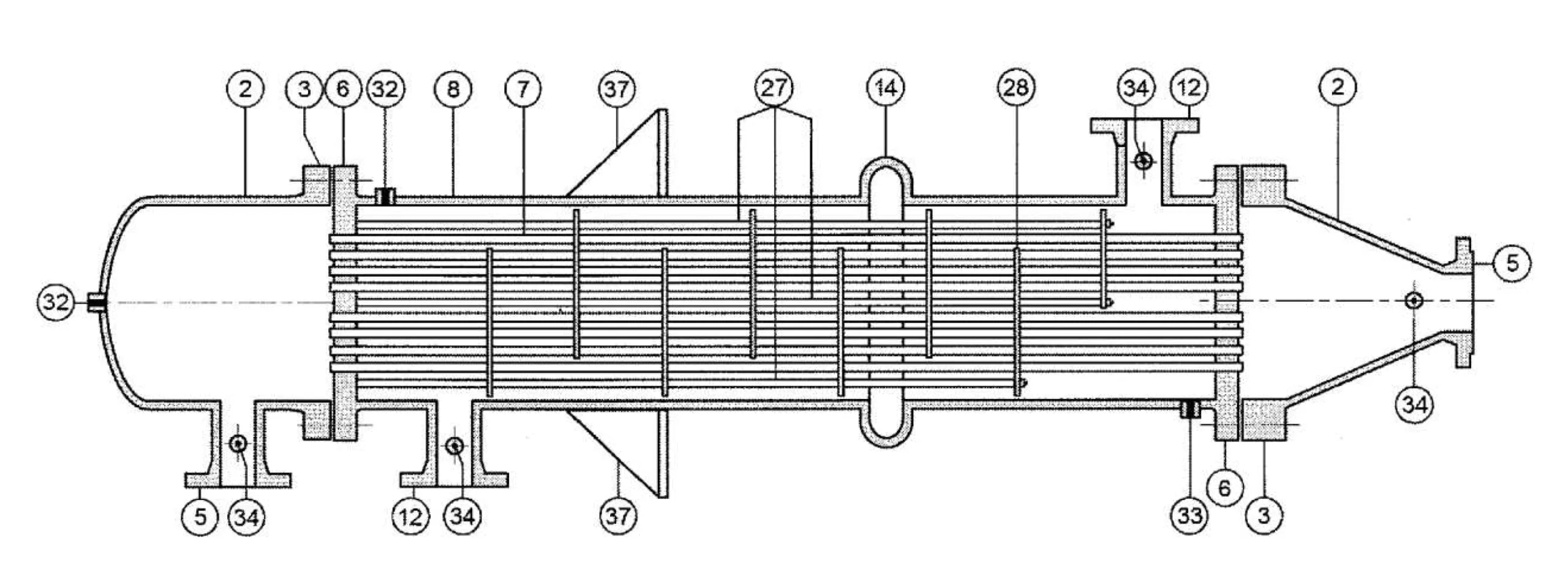
  • Tubes are installed in shell-and-tube heat exchangers
  • Third-party inspection or EPC project compliance is required
  • Precise dimensional control and NDT are necessary

When to Use ASTM A269

Select ASTM A269 tubes when:

  • The system is for fluid transfer or non-critical environments
  • Cost efficiency is important
  • Welded tubes are acceptable
  • Surface finish (BA or polished) is a priority (e.g., food/pharma)

DLSS Capabilities

DLSS manufactures and supplies both ASTM A213 and A269 stainless steel tubes:

  • Sizes: 6 mm – 38.1 mm OD, 0.5 – 3.5 mm WT
  • Grades: TP304, TP304L, TP316L, TP321, TP347, Duplex S32205
  • Surface: Bright Annealed, Pickled, Polished
  • Tests: Hydrostatic, Eddy Current, PMI, Grain Size, Hardness
  • Certification: EN10204 3.1 / 3.2, ASME-compliant

SEO Keywords

ASTM A213 vs A269 stainless steel, difference between A213 and A269, TP316L heat exchanger tubing standard, ASTM tube testing comparison, pickled vs BA finish tube, boiler tube standard ASTM A213, general purpose stainless pipe ASTM A269, DLSS tube supplier, seamless vs welded ASTM stainless tube, austenitic tube for pharma


Conclusion

Both ASTM A213 and A269 have their unique strengths. A213 is ideal for critical heat transfer applications, while A269 offers cost-effective solutions for utility or non-pressure systems.

DLSS ensures full compliance with both standards and can guide you through material selection and quality assurance.


Contact DLSS for Expert Tube Supply

Email: info@dlsspipe.com
Website: www.dlsspipeline.com

Let DLSS help you choose the right tube—certified, tested, and delivered with confidence.

Wonderful! Share This Case:

Austenitic Stainless Steel

Duplex Stainless Steel

Nickel Alloys

▪ Incoloy Family

▪ Inconel Family

▪ Monel Family

▪ Hastelloy Family

▪ Other Special Alloys

Cobalt Alloys

Related Posts

How to Choose the Right Tubular Heat Exchanger for Your Application

How to Choose the Right

Selecting the appropriate tubular heat exchanger is a critical step for ensuring optimal thermal efficiency, mechanical integrity, and long-term operational reliability. As a widely used heat transfer device in process engineering, tubular designs—especially shell-and-tube heat exchangers—are the preferred choice for a wide variety of industrial applications. This article outlines the technical and commercial criteria for […]

Read More

Stainless Steel Seamless Pipe for

Meta Description:Explore how stainless steel seamless pipes tested to NACE MR0175 / ISO 15156 and MR0103 standards ensure safety in sour service environments. Learn about SSC, HIC, and corrosion resistance. Introduction Sour service environments—such as oil and gas fields containing hydrogen sulfide (H₂S)—pose serious challenges to piping materials. Without the proper metallurgy and testing, stainless […]

Read More
Hygienic Stainless Steel Seamless Tubes for Food and Pharmaceutical Industries in South America

Hygienic Stainless Steel Seamless Tubes

Meta Description:Need stainless steel tubes for sanitary use in food or pharmaceutical facilities across South America? Discover the best grades, surface finishes, and certifications for compliant, clean systems. Introduction In South America, the food & beverage and pharmaceutical industries are growing rapidly in countries like Chile, Peru, Colombia, and Argentina. Whether it’s a dairy processing […]

Read More

Why Seamless Stainless Steel Tubes

When designing a high-performance heat exchanger, tube material is a critical factor. Stainless steel, particularly in seamless form, is gaining popularity across industries thanks to its mechanical strength, corrosion resistance, and thermal reliability. In this article, we’ll break down why seamless stainless steel tubes are the ideal choice for demanding heat exchanger applications. 1. Uniform Wall Thickness […]

Read More
Ultrasonic vs Eddy Current Testing: Which Is Best for Heat Exchanger Tube Inspection?

Ultrasonic vs Eddy Current Testing:

Meta Description:Understand the key differences between ultrasonic testing (UT) and eddy current testing (ECT) for stainless steel and alloy heat exchanger tubes. Learn which method is best for your application. Introduction Non-destructive testing (NDT) is essential in the manufacturing and inspection of stainless steel tubes used in critical heat exchanger systems. Among the most widely […]

Read More
How to Interpret EN 10204 3.1 and 3.2 Material Certificates in Industrial Audits

How to Interpret EN 10204

Introduction In large-scale industrial projects—refineries, power plants, LNG terminals, or chemical facilities—material traceability is non-negotiable. Clients, third-party inspectors, and auditors often require EN 10204-compliant inspection certificates for stainless steel pipes, fittings, flanges, or pressure parts. But what do terms like 3.1 or 3.2 certificate actually mean? This article breaks down the types of EN 10204 […]

Read More
Flange Sealing Techniques: How to Ensure a Leak-Proof Pipeline Connection

Flange Sealing Techniques: How to

Meta Description:Explore how proper flange sealing techniques, gasket selection, and installation methods impact pipeline integrity. Learn how to avoid flange leaks in industrial systems. Introduction If you’ve ever walked through an oil refinery or a chemical plant, you’ve probably seen a flange connection wrapped in insulation—maybe even dripping or steaming from a tiny leak. Flange […]

Read More

5 U-Bending Standards and Applications

Introduction U-bent stainless steel tubes are essential in shell-and-tube heat exchangers, widely used in power generation, petrochemical processing, desalination, HVAC, and marine applications. These tubes are designed to efficiently redirect fluid flow while withstanding extreme thermal and mechanical stress. At DLSS, we specialize in producing high-quality U-tubes with tight tolerances and global standard compliance. In this […]

Read More

Request A Quote

*We respect your confidentiality and all information are protected.