Applications of Stainless Steel Seamless Pipes in the Shipbuilding Industry

DLSS - Shipbuilding Industry - Applications of Stainless Steel Seamless Pipes in the Shipbuilding Industry

Meta Description:
Explore how stainless steel seamless pipes improve corrosion resistance, reliability, and efficiency in shipbuilding. Learn key applications, material grades, and marine standards relevant for Latin American shipyards.


Introduction

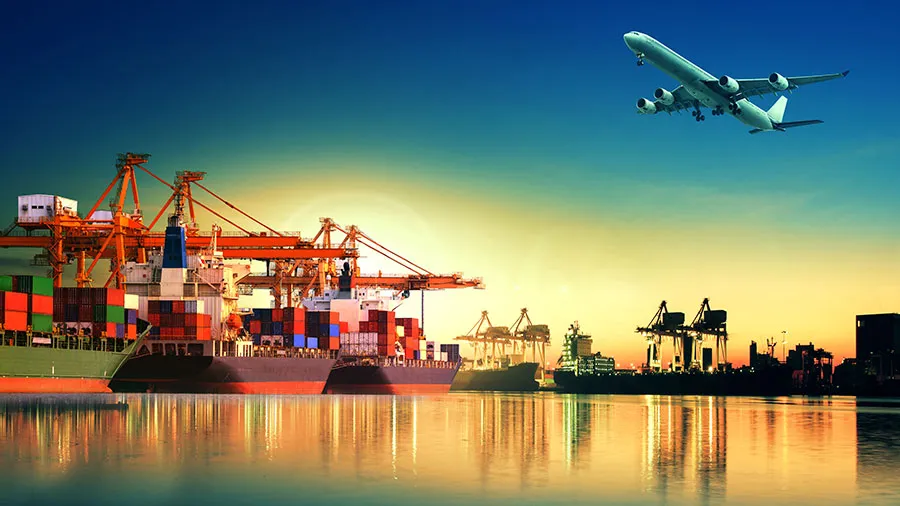
In modern shipbuilding—whether it’s a container vessel in Brazil, a naval patrol boat in Chile, or a passenger ferry in Argentina—material selection is critical. Exposure to saltwater, pressure, vibration, and corrosion demands high-performance piping systems.

Stainless steel seamless pipes have become the go-to solution in many marine systems due to their excellent strength-to-weight ratio, resistance to pitting and crevice corrosion, and longevity in harsh environments.


Why Use Seamless Stainless Steel Pipes on Ships?

Shipboard systems require reliability under continuous motion, extreme temperatures, and exposure to seawater or chemicals. Stainless steel seamless pipes are preferred because they:

  • Eliminate weld seams, reducing failure risk
  • Offer uniform wall thickness and internal flow
  • Are highly resistant to corrosion, especially in chloride-rich marine environments
  • Require less maintenance than carbon steel alternatives

See: DNV Marine Piping Rules


Key Marine Applications

Ship SystemStainless Pipe ApplicationMaterial Recommendation
Ballast and cooling water linesLong-life corrosion-resistant pipingTP316L, Duplex 2205
Fuel and oil transfer systemsPrecision and cleanliness, high-pressure toleranceTP304L, TP316L
Firefighting systemsCorrosion-resistant safety-critical pipesSuper Duplex (UNS S32750)
Potable water / fresh waterHygienic, non-leaching pipe materialsTP316L, TP304
Wastewater and exhaust linesTemperature and acid resistanceTP321, TP316Ti, 904L
HVAC and chiller systemsSeamless pipes for coil connectionsTP316L, 1.4404

Recommended Grades & Standards

GradeFeaturesStandards Applicable
TP316LExcellent saltwater and chemical resistanceASTM A312, EN 10216-5
Duplex 2205High strength, better pitting resistanceASTM A789, ASTM A790
TP321/316TiHeat resistance, anti-intergranular corrosionASTM A312, ASME SA312
S32750For critical safety lines like firewaterASTM A790, NORSOK MDS D45
TP904LHigh-performance corrosion in acidic mediaASTM B673, EN 10216-5

Read more: Stainless Steel in Marine Environments – Nickel Institute


DLSS Capabilities for Shipbuilding Projects

FeatureSpecification
Pipe SizesOD 6 mm to 114.3 mm, WT 0.7 mm – 8 mm
Surface FinishPickled, Annealed, BA, Custom as per client
Inspection OptionsPMI, UT, Hydrostatic, Eddy Current, 3.2 certs
Standards ComplianceASTM, EN, ASME, DNV, CCS, LR, ABS
Coating / PackagingAnti-corrosion oiling, end caps, seaworthy cases
DeliveryFull export support to Brazil, Chile, Argentina

Real Project Applications

  • Chile Naval Yard: Duplex 2205 piping for seawater intake and deck drainage systems
  • Brazilian Offshore Supply Vessel: TP316L seamless coils for HVAC & chillers
  • Argentinian Ferry Refit: TP321 tubes used in high-temp exhaust and boiler piping
  • Ecuador Ship Repair Dock: 904L piping for chemical tank barges

FAQs

Q1: Are your stainless pipes approved by marine classification societies?
Yes. DLSS can supply pipes with DNV, CCS, LR, or ABS approvals and full traceability.

Q2: Do you offer duplex or super duplex pipes for shipboard fire lines?
Yes. We supply both 2205 and S32750 grades with supporting tests and impact data.

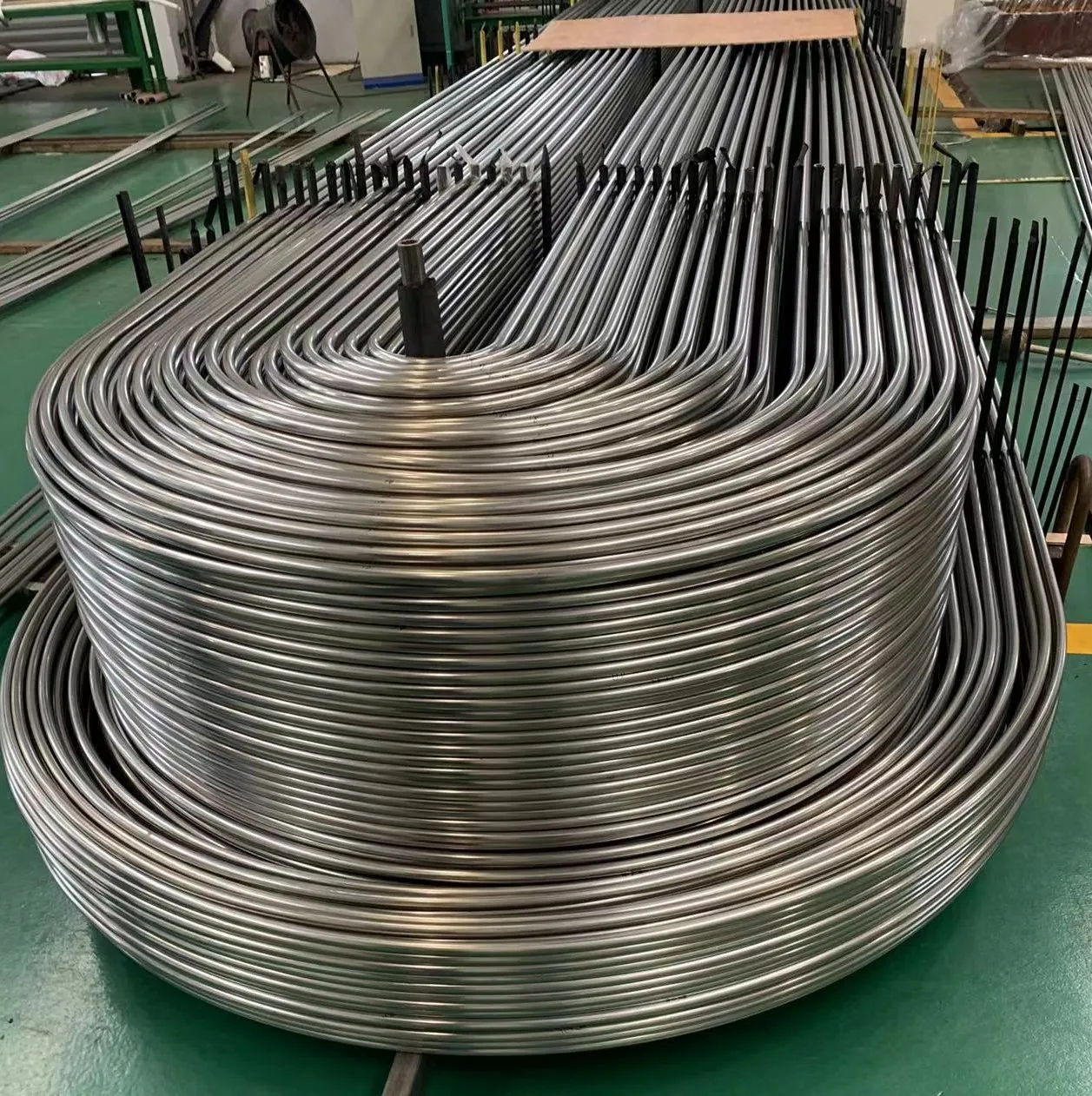
Q3: Can you supply long coils for chiller/HVAC units?
Absolutely. Seamless coil tubes are available in lengths up to 600 meters per reel.


Conclusion

As shipbuilding technology advances across Latin America, stainless steel seamless pipes play an increasingly vital role in improving corrosion resistance, weight efficiency, and system reliability. DLSS offers the expertise, materials, and certifications needed for your next marine project.


Contact DLSS
Email: info@dlsspipe.com
Website: www.dlsspipeline.com

Need help selecting the right material and specification for marine-grade piping? Contact us for technical guidance and pricing.

Wonderful! Share This Case:

Austenitic Stainless Steel

Duplex Stainless Steel

Nickel Alloys

▪ Incoloy Family

▪ Inconel Family

▪ Monel Family

▪ Hastelloy Family

▪ Other Special Alloys

Cobalt Alloys

Related Posts

offshore-oil-gas-corrosion-resistant-heat-exchanger-tubes

Corrosion-Resistant Heat Exchanger Solutions for

Offshore oil and gas platforms operate in some of the harshest environments on earth—intense humidity, salt spray, hydrogen sulfide, and high-pressure processes. These conditions make corrosion the #1 threat to heat exchanger systems and piping reliability. To reduce failures and maintenance costs, operators are turning to advanced stainless steel and duplex alloy tubes as the […]

Read More
Heat Exchanger Tube Manufacturing for Japan’s Power Industry(日本の発電産業向け熱交換器チューブ製造)

Heat Exchanger Tube Manufacturing for

1. Introduction Japan’s power sector—including 火力発電所 (thermal power plants), 原子力発電所 (nuclear power plants), and 再生可能エネルギー施設 (renewable energy facilities)—demands high-performance heat exchanger tube Japan that can withstand high pressure, high temperature, and corrosive environments. DLSS provides stainless steel and special alloy tubes that meet JIS G3463 and ASTM standards, ensuring long service life and stable performance. […]

Read More
A Guide to Bright Annealed Stainless Steel Tubes – Benefits, Production, Applications

A Guide to Bright Annealed

Meta Description:Discover what bright annealed stainless steel tubes are, how they’re produced, and why they are essential in hygienic and high-purity applications such as pharmaceuticals, food processing, and semiconductors. Introduction In industries where surface finish, corrosion resistance, and cleanliness are critical, Bright Annealed (BA) stainless steel tubes are the preferred solution. With a mirror-like internal […]

Read More
Flange Sealing Techniques: How to Ensure a Leak-Proof Pipeline Connection

Flange Sealing Techniques: How to

Meta Description:Explore how proper flange sealing techniques, gasket selection, and installation methods impact pipeline integrity. Learn how to avoid flange leaks in industrial systems. Introduction If you’ve ever walked through an oil refinery or a chemical plant, you’ve probably seen a flange connection wrapped in insulation—maybe even dripping or steaming from a tiny leak. Flange […]

Read More
Pickling vs Bright Annealing: Which Surface Treatment Is Best for Stainless Steel Tubes?

Top 5 Stainless Steel Tube

Meta Description:Discover the five most common causes of stainless steel tube failures. Learn how to detect, prevent, and solve issues in high-performance piping systems across industries. Introduction Stainless steel tubes are widely used in high-demand applications due to their corrosion resistance, strength, and cleanliness. However, tube failure—when it occurs—can lead to production shutdowns, safety hazards, […]

Read More
Electropolished vs Mechanically Polished Tubes: What’s Best for Hygienic Applications?

Electropolished vs Mechanically Polished Tubes:

Meta Description:Discover the key differences between electropolished (EP) and mechanically polished (MP) stainless steel tubes. Learn which surface finish is better for food, beverage, and pharmaceutical use in Latin America. Introduction In sanitary applications, cleanability is critical. Whether you’re building a milk pasteurizer in Brazil or a pharmaceutical system in Colombia, the inner surface of […]

Read More
Top Stainless Steel Industry Trends in 2025: Sustainability, Advanced Alloys, and Smart Manufacturing

Top Stainless Steel Industry Trends

Meta Description:Explore the top 6 stainless steel industry trends in 2025, including green steel initiatives, duplex and super duplex stainless steels, nickel alloy pipes, and intelligent tube manufacturing. 1. Sustainable Stainless Steel Production With the global push toward decarbonization, the stainless steel industry is rapidly transitioning to green steel production. In 2025: Key Keywords: green […]

Read More
Stainless Steel Tube Failure Modes – Cracks, Pitting, and How to Prevent Them

Stainless Steel Tube Failure Modes

Meta Description:Explore the most common failure modes of stainless steel tubes including cracking, pitting, and stress corrosion. Learn how to prevent these issues through material selection, surface treatment, and quality control. Introduction Even the highest-grade stainless steel tubes can fail under extreme or mismanaged conditions. Understanding the failure mechanisms helps design engineers, QA teams, and […]

Read More

Request A Quote

*We respect your confidentiality and all information are protected.