High-Frequency Welded Finned Tubes: Advantages and Ideal Applications

DLSS - Finned Tube Knowledge Hub - High-Frequency Welded Finned Tubes: Advantages and Ideal Applications

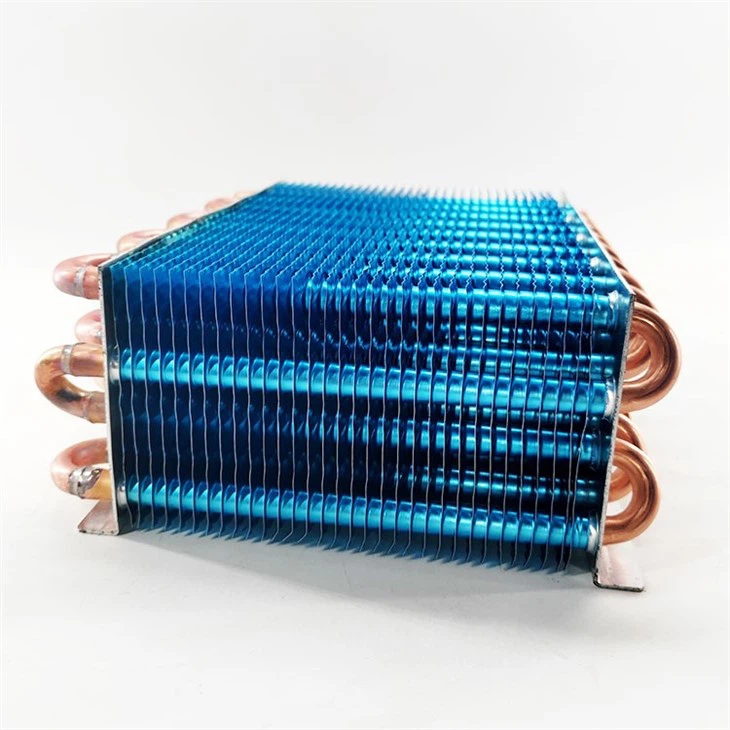
High-frequency welded finned tubes are one of the most widely used designs in industrial heat exchangers due to their strong metallurgical bonding and excellent heat transfer capabilities. This manufacturing method ensures a durable, efficient, and long-lasting solution for demanding thermal applications.

If you are unfamiliar with finned tubes in general, read our guide on What is a Finned Tube and How It Improves Heat Exchanger Efficiency. For a complete overview of finned tube types, see Different Types of Finned Tubes and Their Applications.


How High-Frequency Welded Finned Tubes Are Made

The manufacturing process involves helically winding a strip of steel or alloy fin material around the base tube, then welding the fin to the tube using high-frequency electrical current. This method creates:

  • A metallurgical bond between the fin and the tube wall
  • Minimal thermal resistance at the fin-tube interface
  • High mechanical strength and vibration resistance

Key Advantages

  1. Excellent Heat Transfer Efficiency – Strong weld ensures effective thermal conduction from fin to tube.
  2. High Durability – Resistant to fin loosening under high thermal stress or vibration.
  3. Wide Material Options – Carbon steel, stainless steel, alloy steel, and other special alloys can be used.
  4. Cost-Effective for Long-Term Use – Extended service life reduces maintenance frequency.
  5. Adaptable Design – Suitable for custom fin pitch, height, and thickness.

Ideal Applications

High-frequency welded finned tubes are commonly used in:

  • Boilers & Economizers – For waste heat recovery in power plants.
  • Air-Cooled Heat Exchangers – Particularly in petrochemical and oil & gas plants.
  • Gas Heaters & Coolers – Where high temperature resistance is needed.
  • Industrial Dryers – For heating air in process industries.

Maintenance Considerations

Although welded finned tubes are durable, performance can still degrade over time due to fouling. To maintain peak efficiency:


Conclusion

High-frequency welded finned tubes are a proven choice for industries that demand both performance and durability. Their robust construction ensures reliable heat transfer even in the most challenging environments.

DLSS offers precision manufacturing of high-frequency welded finned tubes, with customizable designs to meet specific project needs.

Contact us today via www.dlsspipeline.com or email info@dlsspipe.com for expert advice and a tailored quotation.

Wonderful! Share This Case:

Austenitic Stainless Steel

Duplex Stainless Steel

Nickel Alloys

▪ Incoloy Family

▪ Inconel Family

▪ Monel Family

▪ Hastelloy Family

▪ Other Special Alloys

Cobalt Alloys

Related Posts

green-building-hvac-stainless-steel-heat-exchanger-tube

How Green Buildings and HVAC

With urban centers pushing for net-zero construction and energy-efficient design, HVAC systems—heating, ventilation, and air conditioning—have become the heart of green buildings. This shift is driving new demand for stainless steel heat exchanger tubes, used in chilled water systems, heat pumps, condenser units, and energy recovery modules. 1. Why Stainless Steel Is Replacing Copper and […]

Read More
Sanitary Stainless Steel Tubes for Food and Beverage Applications in Latin America

Sanitary Stainless Steel Tubes for

Meta Description:Learn how stainless steel sanitary tubes support food and beverage production in Latin America. Discover suitable grades, surface finishes, and hygiene standards for long-term performance. Introduction The food and beverage industry in Latin America is growing rapidly, driven by both exports and domestic demand. From Brazil’s massive dairy processing sector to Colombia’s coffee production […]

Read More

How to Select Heat Exchanger

Introduction Heat exchanger tubes are the most critical components in shell and tube heat exchangers. They directly determine the heat transfer efficiency, corrosion resistance, and operational reliability of the entire system. Selecting the wrong tube material can result in serious issues such as: For engineers and procurement specialists, understanding how to properly select heat exchanger […]

Read More
ASTM vs JIS Standards: Choosing the Right Stainless Tube for Japan(ASTM規格とJIS規格の比較:日本市場向けステンレスチューブの選び方)

ASTM vs JIS Standards: Choosing

1. Introduction In the Japanese stainless steel tube market, buyers often compare ASTM (American Society for Testing and Materials) and JIS (Japanese Industrial Standards) specifications. Both systems have rigorous requirements, but understanding their differences is key to choosing the right stainless steel seamless tube Japan for specific applications such as 熱交換器 (heat exchangers) and 産業配管 […]

Read More
Seamless vs. Welded Pipes: Which Is Right for Your Industrial Pipeline?

Seamless vs. Welded Pipes: Which

Meta Description:Compare seamless and welded pipes in terms of cost, pressure capacity, corrosion resistance, and industrial use. Learn how to choose the right pipe for your project. Introduction In pipeline engineering, one of the most common questions from project engineers and procurement teams is:“Should we use seamless pipes or welded pipes?” Each option has distinct […]

Read More
Stainless Steel Instrumentation Tubing for Japan’s Oil & Gas Projects – 日本石油・ガス産業向けステンレス計装チューブ

Stainless Steel Instrumentation Tubing for

Introduction The oil and gas industry in Japan demands high-precision stainless steel instrumentation tubing for safe and efficient operation of control systems. DLSS supplies JIS G3446-compliant tubes with excellent corrosion resistance, precision dimensional tolerances, and long service life in harsh offshore and onshore environments. 1. Why Stainless Instrumentation Tubes for Oil & Gas(石油・ガスにステンレス計装チューブが必要な理由) 2. Standards […]

Read More
Green Energy and ESG: How Sustainability Is Reshaping the Stainless Steel Seamless Tube Market

Green Energy and ESG: How

The stainless steel seamless tube industry is undergoing a quiet but profound transformation—not just driven by technical demands, but by Environmental, Social, and Governance (ESG) goals and the global energy transition. As governments, investors, and end-users demand cleaner, longer-lasting, and traceable materials, tube manufacturers are under growing pressure to reduce carbon footprint, improve transparency, and […]

Read More
ASTM B111 C70600 (O61) Copper-Nickel Seamless Tube 16 × 1.0mm × 3000mm with 100% Eddy Current Testing for Condenser Applications

ASTM B111 C70600 (O61) Copper-Nickel

Product Overview: ASTM B111 C70600 Seamless Copper-Nickel Tube (16×1.0mm, 3000mm) C70600, also known as 90/10 Copper-Nickel, is a marine-grade copper alloy containing 90% copper and 10% nickel. It’s renowned for its outstanding resistance to seawater corrosion, biofouling, and stress corrosion cracking, making it a top choice for condenser tubes and heat exchanger systems, especially in power plants, […]

Read More

Request A Quote

*We respect your confidentiality and all information are protected.