Heat exchanger efficiency is important for chemical plants, refineries, power plants, marine systems, HVAC systems, food processing lines, and heat recovery projects. When a heat exchanger does not perform well, the result may be higher energy consumption, unstable outlet temperature, increased pressure drop, frequent cleaning, leakage, or unexpected downtime.
Improving heat exchanger efficiency is not about one single action. It requires a practical review of design, flow condition, fouling risk, tube material, surface condition, inspection, and maintenance.
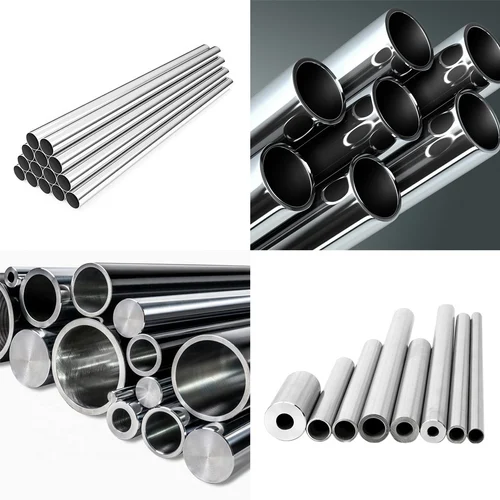
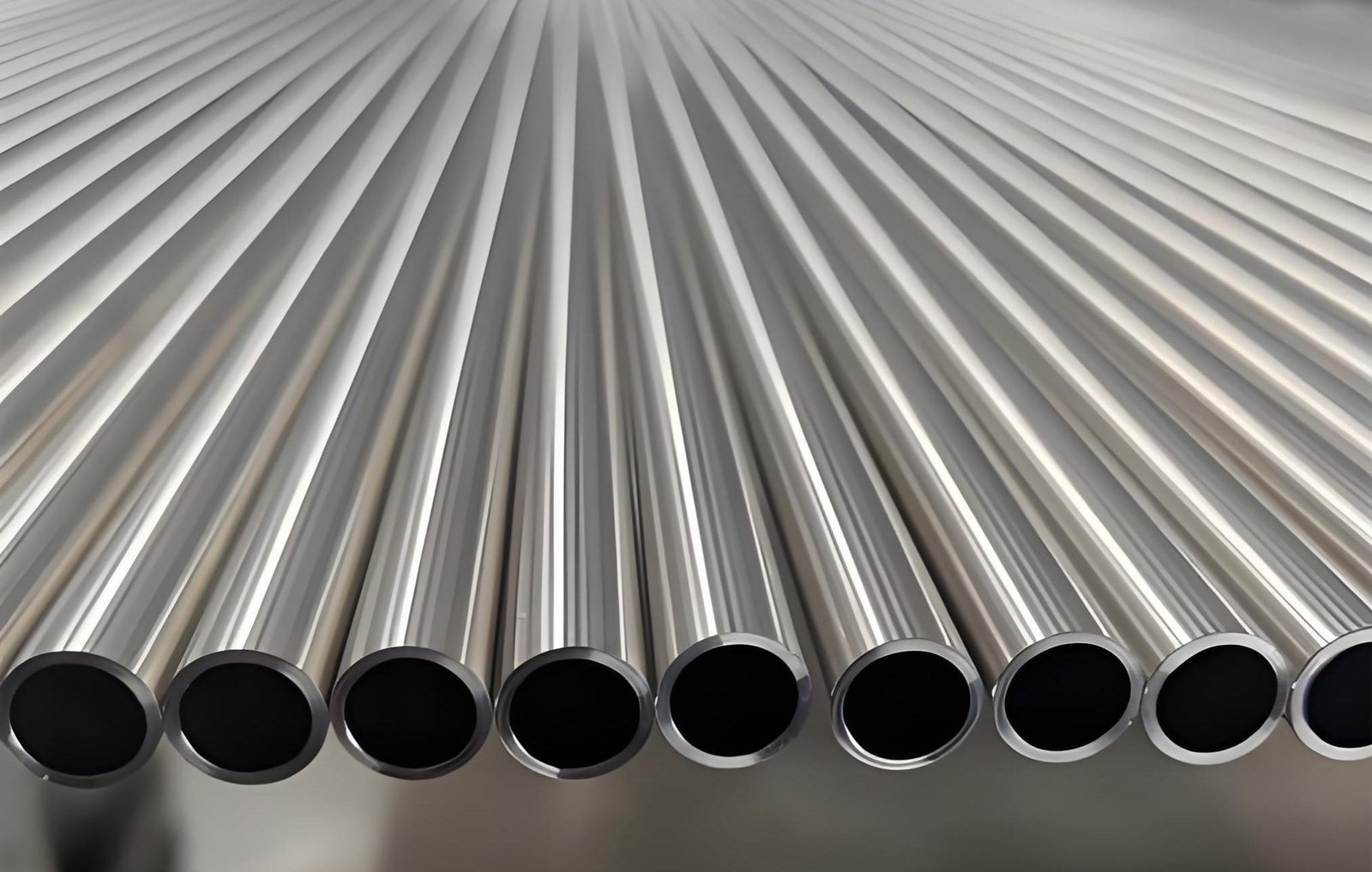
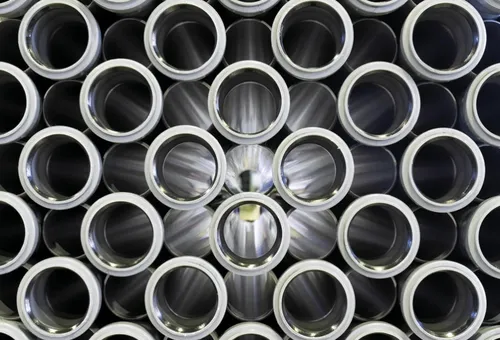
For shell and tube heat exchangers, the tube is one of the most important components. Tube material, wall thickness, surface finish, corrosion resistance, fouling behavior, and dimensional accuracy can all affect long-term heat transfer performance.
This guide explains practical ways to improve heat exchanger efficiency and helps buyers prepare a clearer RFQ when tube replacement or new heat exchanger tube procurement is required.
Quick Answer
To improve heat exchanger efficiency, focus on five areas:
- Optimize flow condition and heat exchanger design
- Prevent fouling, scaling, and corrosion deposits
- Select the right tube material and surface condition
- Balance heat transfer improvement with pressure drop
- Build a regular inspection, cleaning, and maintenance plan
The goal is not only to increase heat transfer on paper. A good solution must also consider pressure drop, fouling tendency, cleaning access, corrosion resistance, service life, and total operating cost.
What Affects Heat Exchanger Efficiency?
Heat exchanger performance depends on several factors working together.
Important factors include:
- Overall heat transfer coefficient
- Heat transfer surface area
- Temperature difference between fluids
- Flow arrangement
- Fluid velocity
- Fouling resistance
- Tube wall thickness
- Tube material
- Surface condition
- Corrosion risk
- Pressure drop
- Cleaning and maintenance frequency
In real industrial systems, efficiency often decreases over time. The most common reasons are fouling, scaling, corrosion deposits, blocked flow paths, poor cleaning, incorrect operating conditions, and unsuitable tube material.
That is why efficiency improvement should not only focus on new design. Existing heat exchangers can also be improved through inspection, cleaning, tube replacement, material upgrade, and better operating control.
1. Optimize Flow Condition and Heat Exchanger Design
A heat exchanger must be correctly designed for the required heat duty, temperature program, flow rate, pressure drop, and service medium.
For many applications, counterflow arrangement gives better thermal performance than parallel flow because it maintains a more effective temperature difference between the two fluids. In shell and tube heat exchangers, baffle design, tube layout, tube pass arrangement, tube length, and flow distribution also affect performance.
Buyers and engineers should review:
- Required heat duty
- Inlet and outlet temperature
- Flow rate
- Tube-side and shell-side pressure drop
- Tube length
- Tube OD and wall thickness
- Tube layout
- Flow arrangement
- Fouling allowance
- Maintenance access
A common mistake is trying to improve efficiency only by increasing heat transfer area. More area may help, but if the exchanger has poor flow distribution, excessive fouling, wrong tube material, or high pressure drop, the expected performance may not be achieved.
For new projects, design review should be completed before placing the tube order. For replacement projects, the original operating problem should be understood before simply copying the old tube specification.
2. Prevent Fouling, Scaling and Deposits
Fouling is one of the most common reasons for reduced heat exchanger efficiency. Deposits on tube surfaces act like an insulating layer. They reduce heat transfer and may also increase pressure drop.
Common types of fouling include:
- Mineral scaling
- Biological fouling
- Corrosion product deposits
- Particulate fouling
- Oil or organic deposits
- Chemical reaction deposits
Fouling risk depends on water quality, fluid composition, temperature, velocity, surface condition, corrosion behavior, and cleaning frequency.
To reduce fouling risk, operators can:
- Maintain proper fluid velocity
- Avoid stagnant zones
- Use suitable filtration
- Control water chemistry
- Select corrosion-resistant tube materials
- Use suitable surface finish
- Schedule cleaning before performance drops too much
- Monitor temperature and pressure trends
For tube procurement, buyers should not only ask for the cheapest material. In seawater, chloride water, chemical media, or high-fouling systems, the wrong tube material may cause corrosion deposits, leakage, cleaning difficulty, and shorter service life.
3. Select the Right Tube Material and Surface Condition
Tube material selection can strongly affect long-term heat exchanger performance. The right material should match the medium, temperature, pressure, corrosion risk, fouling tendency, and cleaning method.
Common heat exchanger tube materials include:
- TP304 / TP304L stainless steel
- TP316 / TP316L stainless steel
- TP321 / TP347 high-temperature stainless steel
- Duplex 2205
- Super duplex 2507
- 904L
- Titanium Grade 2
- Copper nickel C70600 / C71500
- Nickel alloys such as Alloy 625, Alloy 825, and C-276
Material selection is not only about thermal conductivity. A material with good corrosion resistance and stable surface condition may maintain performance better over time in aggressive environments.
For example:
- 316L may be suitable for many general industrial and mildly corrosive applications.
- Duplex or super duplex may be considered when chloride resistance is more important.
- Titanium is often reviewed for seawater or highly corrosive cooling water.
- Copper nickel may be used in selected condenser and marine service.
- Nickel alloys may be required for strong chemical corrosion or high-temperature service.
Surface condition also matters. Pickled, bright annealed, polished, or electropolished surfaces may be required depending on cleanliness, corrosion, or process requirements.
4. Balance Flow Velocity and Pressure Drop
Increasing flow velocity can improve heat transfer, but it also increases pressure drop. Higher pressure drop may require more pumping power and can create erosion, vibration, or noise problems if not controlled properly.
This is why heat exchanger efficiency should not be judged only by heat transfer rate. A practical design must balance:
- Heat transfer improvement
- Pumping energy
- Pressure drop limit
- Fouling control
- Erosion risk
- Vibration risk
- Mechanical stability
- Operating cost
If flow velocity is too low, fouling and sediment deposition may increase. If flow velocity is too high, pressure drop, erosion, and vibration risk may increase.
For tube replacement projects, engineers should check whether the existing problem is caused by fouling, wrong flow rate, blocked channels, undersized heat transfer area, unsuitable material, or poor cleaning practice.
5. Build a Regular Inspection and Maintenance Plan
Even a well-designed heat exchanger will lose performance if it is not maintained properly.
A practical maintenance plan should include:
- Temperature monitoring
- Pressure drop monitoring
- Visual inspection
- Tube-side cleaning
- Shell-side cleaning
- Leak testing
- Eddy current testing, if required
- Hydrostatic testing, if required
- Tube plugging record
- Corrosion inspection
- Gasket and seal review
- Performance trend analysis
Operators should not wait until heat transfer has already dropped significantly. Early warning signs include:
- Outlet temperature cannot reach target
- Pressure drop increases
- Energy consumption rises
- Flow rate decreases
- Frequent cleaning is needed
- Leakage appears
- Corrosion products are found
For critical heat exchangers, maintenance should be based on operating data, not only fixed calendar intervals.
What Buyers Should Include in the RFQ
If tube replacement or new heat exchanger tube procurement is needed, the RFQ should include enough technical information for proper review.
Buyers should provide:
- Tube material grade
- Applicable standard
- OD, wall thickness, and length
- Straight tube or U-tube
- Quantity
- Heat exchanger type
- Tube-side medium
- Shell-side medium
- Operating temperature
- Operating pressure
- Corrosion condition
- Fouling condition
- Surface finish requirement
- Heat treatment requirement
- NDT requirement
- Hydrostatic test requirement
- PMI requirement
- MTC requirement
- Third-party inspection requirement
- Packing requirement
- Drawing or tube sheet layout, if available
If the buyer is not sure which material is suitable, the RFQ can state:
“Please recommend a suitable heat exchanger tube material based on the attached medium, operating temperature, pressure, fouling condition, corrosion risk, inspection requirement, and expected service life. Please also advise the technical risk and cost difference between available options.”
How DLSS Supports Heat Exchanger Tube Projects
DLSS supplies stainless steel and special alloy tubes for heat exchangers, condensers, boilers, U-tube bundles, chemical equipment, power plants, shipbuilding, food processing, and industrial process systems.
Our support includes:
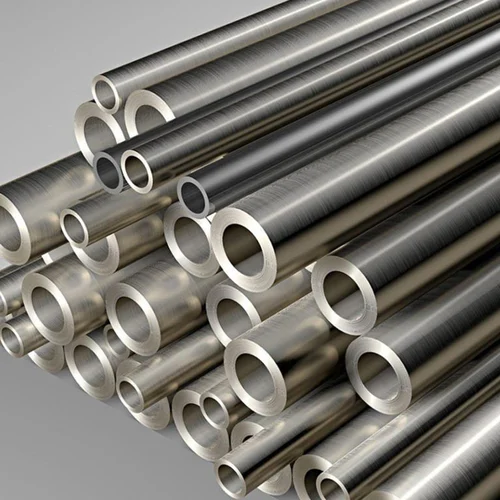
- Stainless steel heat exchanger tubes
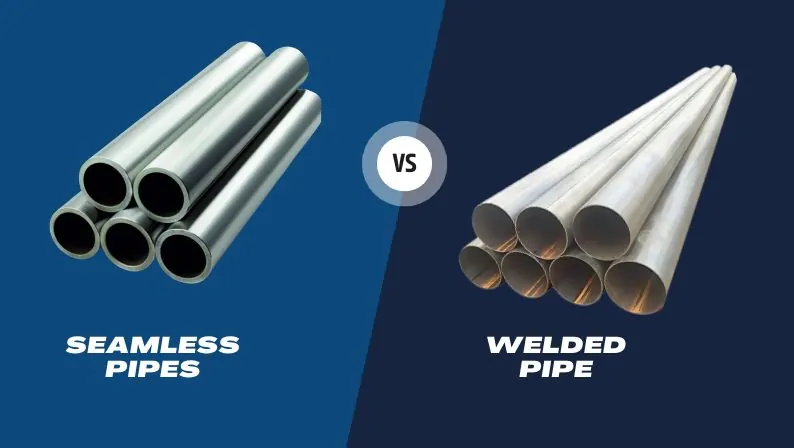
- Seamless stainless steel tubes
- Welded stainless steel tubes
- U-bent tubes
- Bright annealed tubes
- Duplex and super duplex tubes
- Titanium tubes
- Copper nickel condenser tubes
- Nickel alloy tubes
- Low finned tubes
- Tube cutting and length control
- MTC and inspection document support
- Third-party inspection coordination
- Export packing for long-distance shipment
Before production, DLSS can help buyers review the material, standard, size, surface condition, testing requirement, and document requirement. The goal is to reduce material selection risk, avoid unnecessary cost, and support stable heat exchanger performance.
Common Mistakes to Avoid
Mistake 1: Only Increasing Surface Area
More heat transfer area may help, but it does not solve every problem. Fouling, flow distribution, material corrosion, pressure drop, and cleaning access must also be reviewed.
Mistake 2: Choosing Tube Material Only by Price
The cheapest material may lead to corrosion, fouling, leakage, frequent maintenance, and shorter service life.
Mistake 3: Ignoring Pressure Drop
Higher heat transfer may come with higher pressure drop. Pumping cost and operating stability should be considered together.
Mistake 4: Waiting Too Long to Clean
If cleaning is delayed until performance drops heavily, energy loss and downtime may already be significant.
Mistake 5: Sending an Incomplete RFQ
Without medium, temperature, pressure, fouling condition, and inspection requirement, the supplier cannot make a reliable tube recommendation.
FAQ
What is the main cause of reduced heat exchanger efficiency?
Common causes include fouling, scaling, corrosion deposits, poor flow distribution, air pockets, blocked channels, wrong operating conditions, and unsuitable tube material.
Can better tube material improve heat exchanger efficiency?
Better tube material can help maintain stable performance by reducing corrosion, fouling, leakage, and cleaning problems. The best material depends on the medium, temperature, pressure, and service environment.
Does higher flow velocity always improve efficiency?
Not always. Higher velocity may improve heat transfer, but it also increases pressure drop and may create erosion or vibration risk. Flow velocity should be optimized, not simply maximized.
How often should heat exchangers be cleaned?
Cleaning frequency depends on medium, fouling rate, operating data, pressure drop, temperature performance, and process requirements. A data-based maintenance plan is better than waiting for serious performance loss.
What information should I send for heat exchanger tube replacement?
Please send material grade, standard, OD, wall thickness, length, quantity, medium, temperature, pressure, fouling condition, corrosion risk, testing requirement, MTC requirement, and drawing if available.
Conclusion
Improving heat exchanger efficiency requires more than one simple change. The best results come from reviewing design, flow condition, fouling risk, tube material, surface finish, inspection, and maintenance together.
For shell and tube heat exchangers, tube selection is especially important. The right tube material and surface condition can help reduce corrosion risk, maintain heat transfer performance, and extend service life.
DLSS supplies stainless steel, duplex, super duplex, titanium, copper nickel, and nickel alloy tubes for heat exchanger applications. If your project needs tube replacement, material upgrade, U-tubes, condenser tubes, or inspection support, our team can help review your specification before production and prepare the required documents.
Related Reading
- 7 Effective Ways to Prevent Fouling in Heat Exchangers
- Shell and Tube Heat Exchanger Design Considerations
- Energy-Saving Tips for Industrial Heat Exchangers