Hygienic Stainless Steel Heat Exchanger Tube Requirements in Food and Pharmaceutical Equipment

DLSS - Tubes For Heat Exchanger - Hygienic Stainless Steel Heat Exchanger Tube Requirements in Food and Pharmaceutical Equipment

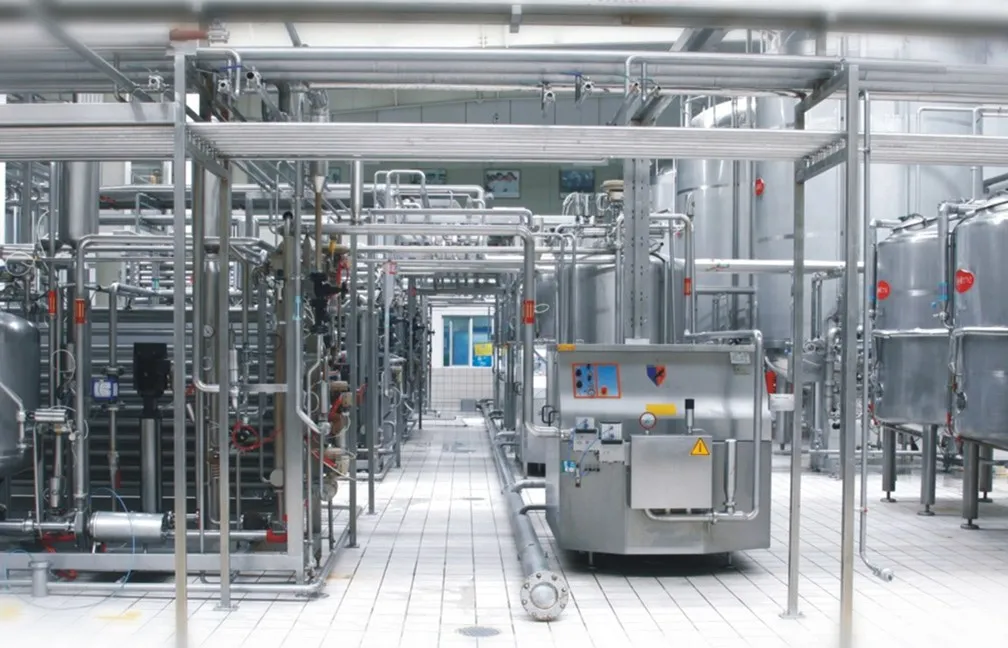
In the food and pharmaceutical industries, cleanliness is not optional—it’s mandatory. Heat exchangers in these sectors are integral to pasteurization, sterilization, CIP (clean-in-place) loops, and product temperature control.

That’s why the choice of tubing is critical. Sanitary-grade stainless steel tubes ensure both product safety and regulatory compliance, while also withstanding the harsh cleaning agents and high-frequency thermal cycles these systems endure.


1. What Makes a Tube “Hygienic”?

Hygienic tubes differ from standard industrial stainless steel tubes in the following ways:

FeatureDescription
Surface finishPolished or bright annealed with Ra ≤ 0.4–0.8 µm ID (internal diameter)
Weld qualityOrbital welded or seamless, free from pits and crevices
CleanabilityCompatible with CIP, SIP (steam-in-place), and aggressive cleaners
TraceabilityFull batch traceability with EN 10204 3.1 MTC
CertificationsMeet ASTM A270, ASME BPE, or EN 10357 standards

Tubes must be non-reactive, non-toxic, and resistant to microbiological growth.
hygienic-food-pharma-heat-exchanger-stainless-steel

2. Where Tubes Are Used in Food & Pharma Systems

ApplicationTube Role
Milk pasteurizersTransfer heat while preventing contamination between media
Bioreactors / fermentersMaintain process temperature with clean steam or water
CIP systemsRapid flushing of pipes and tanks with caustic solution
WFI (Water for Injection) loopsUltra-pure, low-carbon TP316L piping
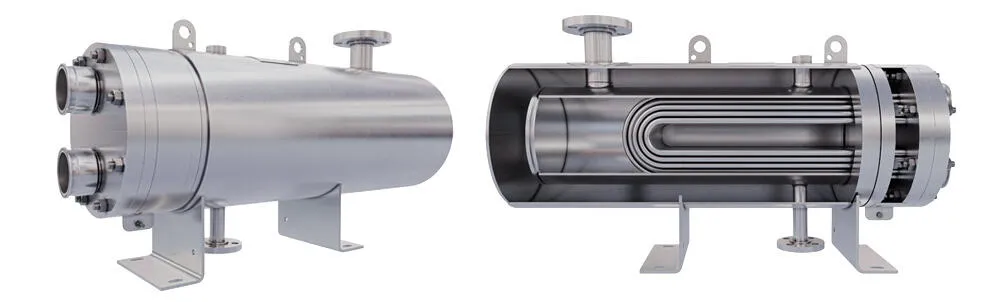
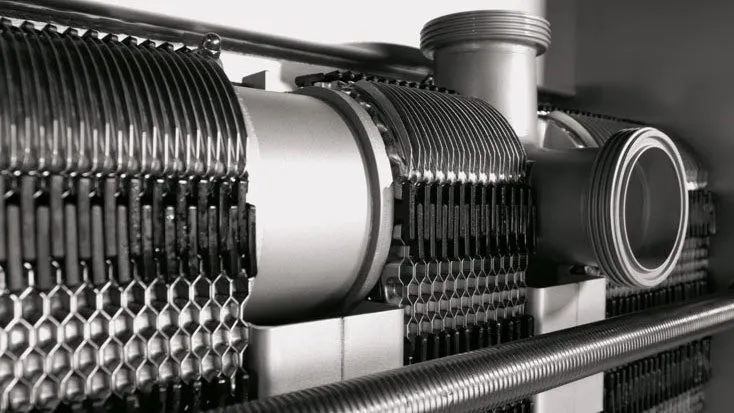
Syrup, sauce, vaccine productionTube-in-tube or shell-and-tube heat exchange with hygienic seals

Even small flaws—like weld beads or scale residues—can harbor bacteria and lead to product recall, contamination, or regulatory violations.
hygienic-food-pharma-heat-exchanger-stainless-steel

3. Common Tube Grades and Standards

GradeStandardUse Case
TP316LASTM A270 / A269Dairy, brewery, bio-pharma
TP304 / 304LASTM A249 / EN10357Beverages, food-grade steam
EP Tubes (Electro-Polished)ASME BPE / ISO 1127Biotech and injectable drugs
TP316Ti / 904LFor acidic or aggressive environmentsTomato paste, acid-based cleaners

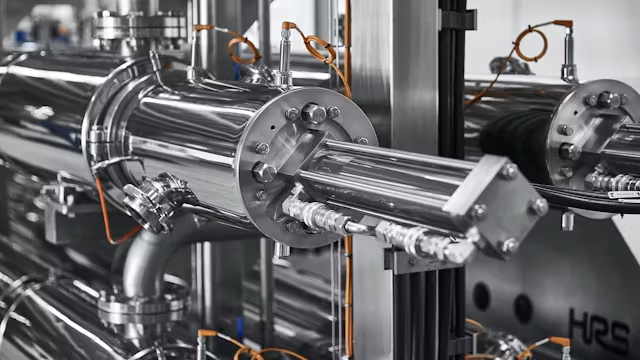
DLSS produces hygienic stainless steel tubes with automatic polishing, pickling-passivation, and full certification—ideal for system integrators and OEMs in the food/pharma sectors.
hygienic-food-pharma-heat-exchanger-stainless-steel

4. What OEMs and End Users Expect

ExpectationDLSS Capability
Ra ≤ 0.6 μm ID finishBright annealed, polished tubes with test report
Seamless or TIG-welded with no creviceControlled welding and annealing process
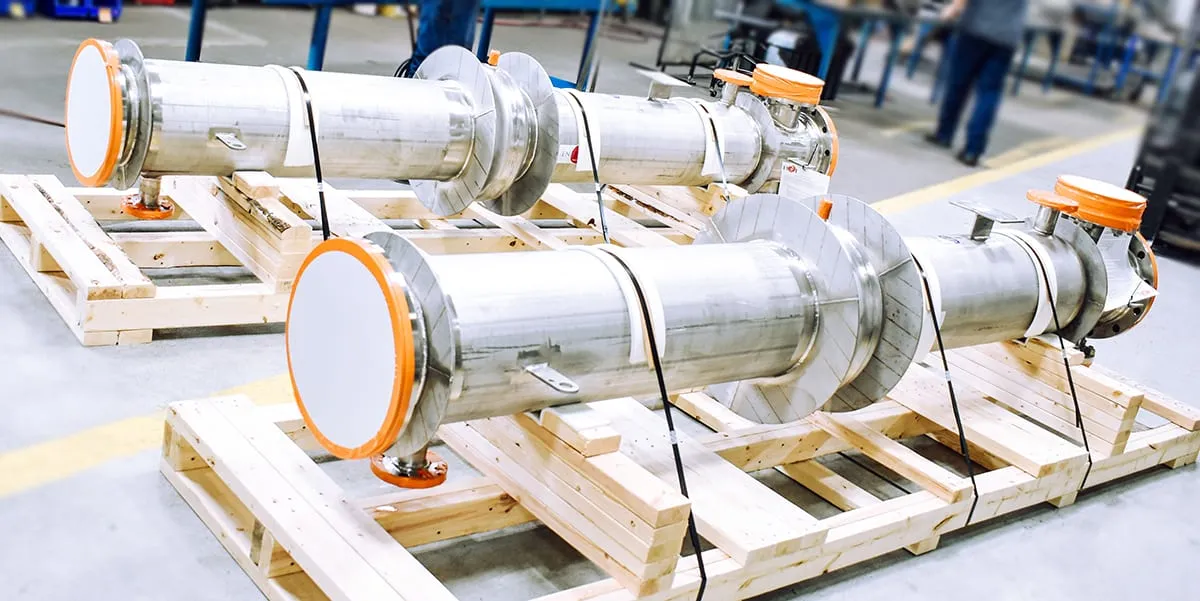
Clean packagingPE bag + end caps + ISO pallet + labeling
Documentation3.1 MTC, surface roughness report, PMI, welding logs
Batch controlAlloy + heat number + project tracking

Frequently Asked Questions (FAQ)

Q1: What is the difference between industrial and sanitary stainless steel tubes?
A: Sanitary tubes have smoother surface finishes (Ra ≤ 0.8 µm or lower), higher cleanliness, tighter tolerances, and are tested for cleanability and compatibility with hygienic systems.

Q2: Why is TP316L preferred in pharma and dairy systems?
A: TP316L resists corrosion from chlorides and acidic cleaning agents, and has low carbon content to prevent sensitization during welding.

Q3: What packaging is used for hygienic tubes?
A: Tubes are cleaned, sealed with caps, wrapped in PE or VCI film, bundled in clean wood or plastic pallets, and labeled with alloy, batch, and inspection date.

Q4: Can DLSS provide welding documentation and Ra test reports?
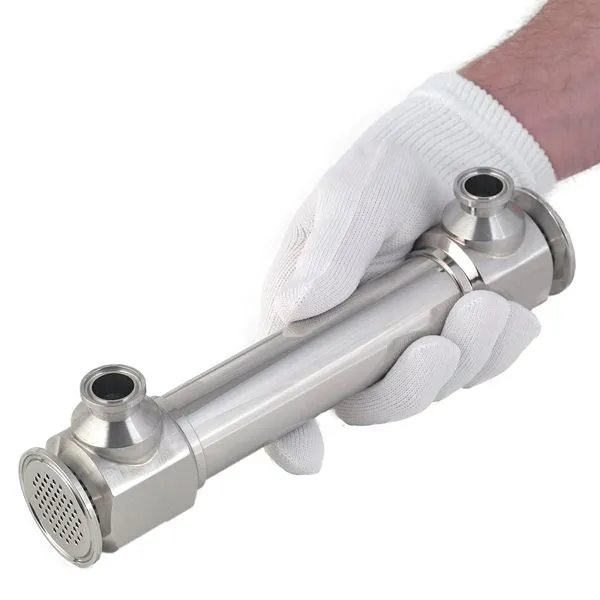
A: Yes. DLSS offers surface roughness tests (per 10–20 pieces per batch), orbital weld QC, and full welding logs on request.
hygienic-food-pharma-heat-exchanger-stainless-steel

Conclusion: Clean Tubes, Clean Process, Safe Product

In food and pharmaceutical manufacturing, a single tube flaw can shut down production. That’s why hygienic-grade stainless steel tubes must be engineered with precision, cleanliness, and confidence.

DLSS proudly supports global food and pharma clients with sanitary heat exchanger tubing that meets the highest international standards—from dairy to biotech.

Because when it comes to safety, there is no margin for contamination.

Wonderful! Share This Case:

Austenitic Stainless Steel

Duplex Stainless Steel

Nickel Alloys

▪ Incoloy Family

▪ Inconel Family

▪ Monel Family

▪ Hastelloy Family

▪ Other Special Alloys

Cobalt Alloys

Related Posts

Why Alloy C-276 Pipes are Essential for Acid Processing Industries

Why Alloy C-276

1. Introduction Industries handling aggressive chemicals such as sulfuric acid, hydrochloric acid, and phosphoric acid face constant challenges in piping material selection. Hastelloy C-276 (Alloy C-276) pipes are one of the most reliable choices for these corrosive environments. With outstanding resistance to strong oxidizers, reducing agents, and mixed chemical streams,...

Read More
Material Selection for Seawater-Cooled Heat Exchangers: What Engineers Must Consider

Heat Exchanger Tube

The global heat exchanger market is heating up—literally and economically. With rising demand for energy efficiency, industrial process optimization, and sustainable thermal management, stainless steel heat exchanger tubes are becoming a critical infrastructure material across multiple industries. Recent industry research forecasts a compound annual growth rate (CAGR) of 9.5% through...

Read More
Why Stainless Steel Seamless Tubes Are the Backbone of South America’s Energy Industry

Why Stainless Steel

Introduction South America is rich in natural resources—but also in engineering challenges. With vast offshore oil fields, mountainous LNG projects, and acidic mining processes, the region demands durable, corrosion-resistant piping systems. Stainless steel seamless tubes have become the material of choice across the continent for reliability, strength, and long lifecycle...

Read More
316 vs 316L vs 316Ti stainless steel

316 vs 316L

1. Overview In demanding industries such as heat exchangers, condensers, boilers, and pressure vessels, stainless steels of the 316 family are among the most widely used materials. However, choosing between 316, 316L, and 316Ti depends on factors like weldability, temperature stability, and corrosion resistance. At DLSS (Zhejiang Daling Special Steel...

Read More
U-Bend Stainless Steel Tubes: Design, Manufacturing and Application in Heat Exchangers

U-Bend Stainless Steel

Introduction U-bend stainless steel tubes are a core component in shell-and-tube heat exchangers, used in power plants, refineries, LNG terminals, and petrochemical plants. Their precise bending, dimensional accuracy, and resistance to thermal fatigue directly impact the longevity and performance of the equipment. This article explores the full lifecycle of U-bend...

Read More
ASTM A312 vs ASTM A789: Which Stainless Steel Tube Standard Is Right for Oil & Gas Applications?

ASTM A312 vs

Introduction In the oil and gas sector, selecting the right stainless steel tube standard is essential for long-term system performance. Among the most referenced specifications are: While both serve critical purposes in petroleum refining, offshore rigs, and midstream transport systems, they differ significantly in material composition, mechanical properties, and application...

Read More
latin-america-energy-projects-stainless-steel-opportunities

Latin America’s Energy

In recent years, Latin America has emerged as a hotbed of industrial investment. From deepwater oil fields in Brazil to lithium mines in Argentina and sugar mills in Colombia, the region is investing heavily in infrastructure and energy. For suppliers of stainless steel tubes, heat exchanger coils, and industrial piping...

Read More
Stainless Steel U-Bend Tubes for Japan’s Condenser Systems – 日本向けコンデンサー用Uベンドステンレス管

Stainless Steel U-Bend

Introduction In Japan’s power generation, chemical processing, and desalination industries, U-bend stainless steel tubes play a critical role in enhancing the efficiency of condenser systems. DLSS Stainless Steel Seamless Pipes are engineered to meet JIS G3463 – Stainless Steel Boiler and Heat Exchanger Tubes, ensuring precise bending, corrosion resistance, and...

Read More

Request A Quote

*We respect your confidentiality and all information are protected.