Heat Exchangers in Renewable Energy: Wind, Hydrogen, and Beyond

DLSS - Tubes For Heat Exchanger - Heat Exchangers in Renewable Energy: Wind, Hydrogen, and Beyond

As the world transitions toward low-carbon energy, the role of heat exchangers in renewable energy systems is becoming increasingly critical. Whether in wind turbine cooling, hydrogen production, or energy storage, heat exchangers ensure thermal stability, equipment safety, and energy efficiency.

This article explores how tubular heat exchangers are integrated into modern renewable energy technologies, what materials are best suited, and how DLSS stainless steel tubes support next-generation energy systems.


Why Heat Exchangers Matter in Renewable Energy

Per Wikipedia – Renewable Energy, renewables such as wind, solar, geothermal, and hydrogen require advanced thermal control to:

  • Dissipate waste heat from inverters, electrolyzers, batteries, and motors
  • Pre-heat or cool fluids in electrolysis or thermal storage systems
  • Protect sensitive components (e.g., fuel cells, rectifiers) from overheating
  • Improve system efficiency and safety

Key Applications and Heat Exchanger Roles

1. Wind Turbine Cooling Systems

  • Heat exchangers cool down gearboxes, generators, and power electronics in nacelles.
  • Often located offshore or in remote locations where maintenance access is limited.

Challenges:

  • Corrosive sea air
  • Vibration and mechanical stress
  • Temperature fluctuations

Solution:
Use Duplex or 316L stainless steel U-tube heat exchangers for compact, rugged thermal control systems.


2. Green Hydrogen Production (Electrolyzers)

  • In PEM and alkaline electrolyzers, plate or shell-and-tube exchangers manage thermal energy generated during electrolysis.

Design considerations:

  • High-purity water compatibility
  • H₂ embrittlement protection
  • Compact design and cleanability

Recommended Materials:

  • 316L and Titanium tubes
  • Surface finish Ra ≤ 0.4 µm
  • Double-tube designs for safety redundancy

More info: Wikipedia – Hydrogen Production


3. Battery Energy Storage Systems (BESS)

  • In large-scale lithium or sodium-ion storage, cooling is crucial for preventing thermal runaway.

Heat exchanger role:

  • Manage air-liquid or liquid-liquid heat transfer
  • Integrate with HVAC or glycol cooling loops

Tube Requirements:

  • Thin wall for fast response
  • Corrosion resistance under cyclic conditions
  • Compact U-bend or serpentine designs

4. Solar Thermal Systems

  • For CSP (Concentrated Solar Power) and solar water heating, heat exchangers transfer thermal energy to working fluids or storage tanks.

Tube material must withstand:

  • High temperature
  • Oxidation
  • Thermal cycling

Common specs:

  • Stainless 321/316L
  • ASME Section VIII, PED, or ISO 9806 compliant

DLSS Tube Solutions for Renewable Energy Systems

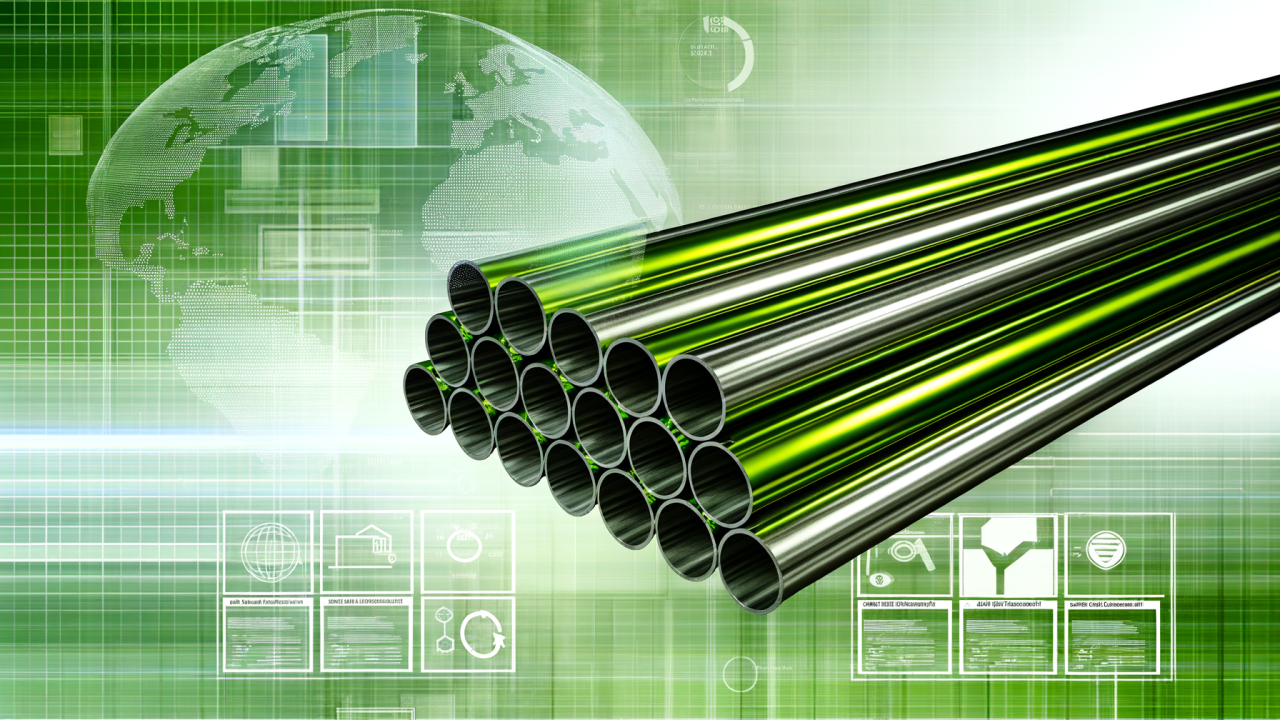
DLSS provides custom-engineered seamless tubes for renewable energy applications with:

  • 316L / 304L / Duplex / Super Duplex / Titanium tube options
  • Bright annealed or polished finishes for purity and heat transfer
  • Cut-to-length, U-bending, and high-precision control
  • Compliance with EN 10216-5, ASTM A213, PED, ASME, and NACE standards

Visit: DLSS Tubes for Energy Systems


Material Selection Guide

ApplicationRecommended Tube Material
Wind turbine cooling (onshore)316L or 304L stainless steel
Offshore wind / marineDuplex 2205 or Super Duplex S32750
Hydrogen electrolyzers316L, Titanium Gr.2
Battery cooling loops304L, 316L polished tubes
CSP / solar thermal316L, 321, or Incoloy 800H

Frequently Asked Questions (FAQ)

Q1: What is the biggest challenge in renewable energy heat exchangers?
Durability under thermal cycling and corrosion exposure. Stainless and duplex steels provide best long-term stability.

Q2: Do you supply tubes for PEM electrolyzers?
Yes. DLSS provides 316L polished tubes with full traceability, suitable for ultrapure water systems.

Q3: Can DLSS supply tubes with specific coating or passivation?
Yes. Upon request, tubes can be supplied with electropolishing, acid passivation, or protective coatings.

Q4: How does tube quality affect energy efficiency?
Higher surface finish, thinner wall, and precise tolerances lead to lower pressure drop, better transfer efficiency, and longer equipment life.


Contact Us

DLSS supports EPCs, OEMs, and developers in building resilient, efficient and future-ready renewable energy systems.

  • Full material certification and testing
  • Short lead times and export-ready packaging
  • Custom solutions for offshore and high-purity projects

Email: info@dlsspipe.com
Website: www.dlsspipeline.com

Partner with DLSS for your next green energy breakthrough.

Wonderful! Share This Case:

Austenitic Stainless Steel

Duplex Stainless Steel

Nickel Alloys

▪ Incoloy Family

▪ Inconel Family

▪ Monel Family

▪ Hastelloy Family

▪ Other Special Alloys

Cobalt Alloys

Related Posts

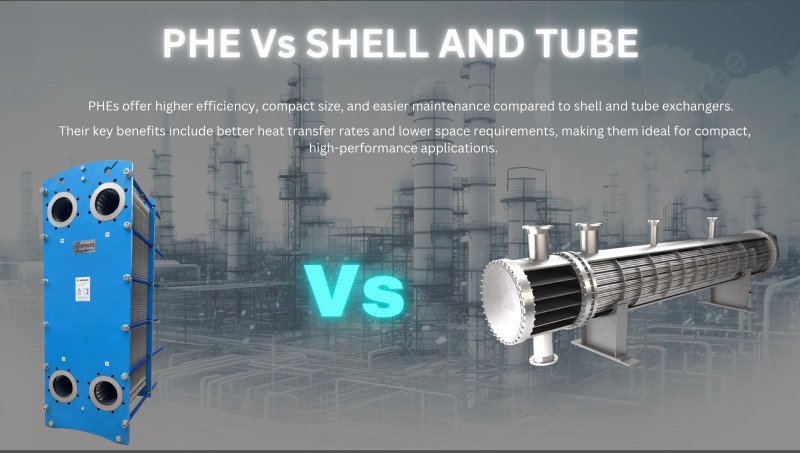
Plate Heat Exchanger vs Shell

1. Introduction – Plate vs Shell and Tube Heat Exchanger When selecting a heat exchanger for your application, one of the most common decisions is between a plate heat exchanger (PHE) and a shell and tube heat exchanger (STHE). Both designs have unique advantages and limitations. This guide compares the two to help you choose […]

Read More
Stainless Steel Tube Defects – Common Issues, Causes, and How to Prevent Them

Stainless Steel Tube Defects –

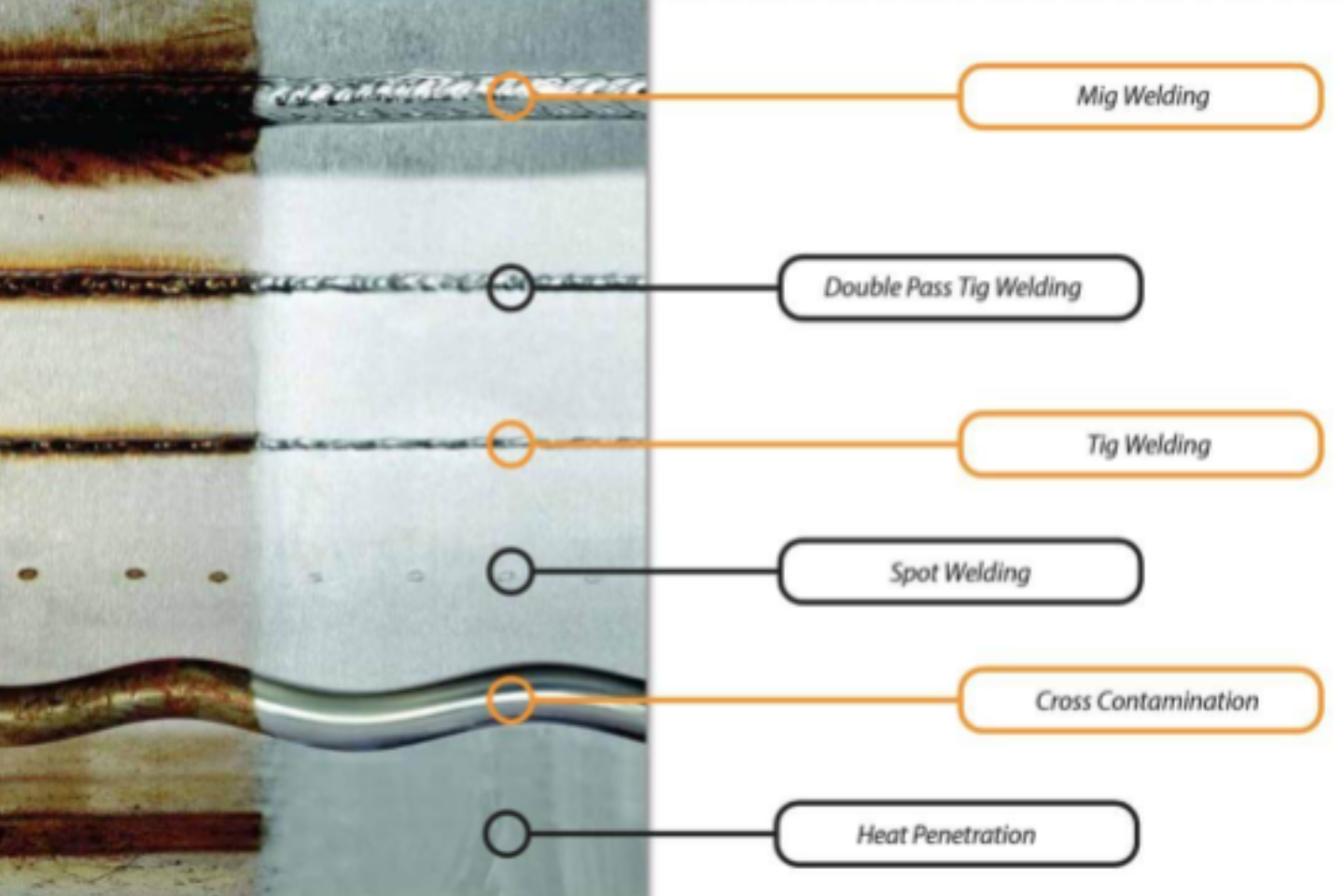
Meta Description:Discover the most common defects in stainless steel tubes, such as pitting, cracking, and weld flaws. Learn what causes them and how DLSS prevents them through rigorous quality control. Introduction Stainless steel tubes are used in critical applications across industries—from heat exchangers and boilers to instrumentation and food processing. But even high-grade stainless steel […]

Read More
Green Energy and ESG: How Sustainability Is Reshaping the Stainless Steel Seamless Tube Market

Green Energy and ESG: How

The stainless steel seamless tube industry is undergoing a quiet but profound transformation—not just driven by technical demands, but by Environmental, Social, and Governance (ESG) goals and the global energy transition. As governments, investors, and end-users demand cleaner, longer-lasting, and traceable materials, tube manufacturers are under growing pressure to reduce carbon footprint, improve transparency, and […]

Read More
africa-refinery-power-projects-stainless-steel-demand

Africa’s Refining and Power Surge:

Africa is undergoing a once-in-a-generation infrastructure transformation. New refineries, LNG terminals, combined cycle power plants, and mining developments are emerging across Nigeria, Egypt, Algeria, Angola, Kenya, and beyond. For stainless steel tube and pipe suppliers, this is not just a trend—it’s a new frontier. The continent’s demand for high-quality industrial piping, heat exchanger tubes, and […]

Read More
Shell and Tube Heat Exchangers vs. Plate Heat Exchangers: Which One Should You Choose?

Shell and Tube Heat Exchangers

When it comes to industrial heat transfer equipment, shell and tube heat exchangers (STHE) and plate heat exchangers (PHE) are two of the most widely used technologies. Each design offers specific advantages and limitations depending on the industry, media properties, and operational conditions. In this article, we’ll provide a professional comparison between STHE and PHE, […]

Read More
ASTM B163 Incoloy 825 (UNS N08825) Seamless Tube – 25.4 × 2.11 × 5555 mm, Bright Annealed Surface

ASTM B163 Incoloy 825 (UNS

Product Details Chemical Composition of Incoloy 825 (UNS N08825) Element Composition (%) Nickel (Ni) 38.0 – 46.0 Chromium (Cr) 19.5 – 23.5 Iron (Fe) Balance Molybdenum (Mo) 2.5 – 3.5 Copper (Cu) 1.5 – 3.0 Titanium (Ti) 0.6 – 1.2 Carbon (C) ≤ 0.05 Incoloy 825 is a nickel-iron-chromium alloy with added molybdenum, copper, and titanium for enhanced corrosion […]

Read More
Inconel 625 Seamless Tubes: Ultimate Solution for Corrosion and High-Temperature Performance

Inconel 625 Seamless Tubes: Ultimate

Introduction Inconel 625 seamless tubes are high-performance nickel-chromium-molybdenum-niobium alloys known for their extraordinary strength, thermal stability, and corrosion resistance. These tubes are widely used in marine environments, offshore oil & gas platforms, nuclear systems, and chemical process plants, especially where chloride-induced pitting, stress corrosion cracking, or elevated temperatures are major concerns. See: Inconel – Wikipedia […]

Read More
Meeting JIS G3459 Standards for Stainless Steel Seamless Pipes(JIS G3459規格に適合するステンレス無縫管)

Meeting JIS G3459 Standards for

1. Introduction JIS G3459 seamless pipe Japan is a widely recognized specification for stainless steel pipes used in chemical, food, marine, and high-temperature applications. For Japanese buyers, compliance with ステンレス無縫管 規格 (stainless seamless pipe standards) is not optional—it is the foundation of product acceptance. DLSS ensures every tube meets or exceeds the stringent requirements of […]

Read More

Request A Quote

*We respect your confidentiality and all information are protected.