Introduction
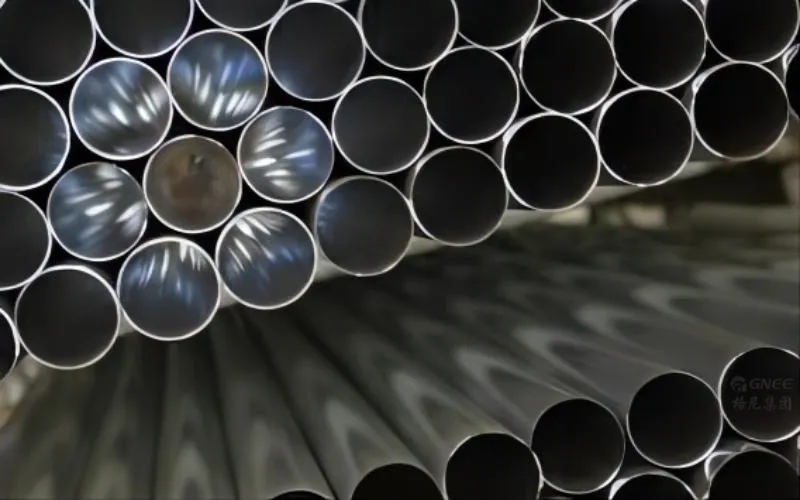
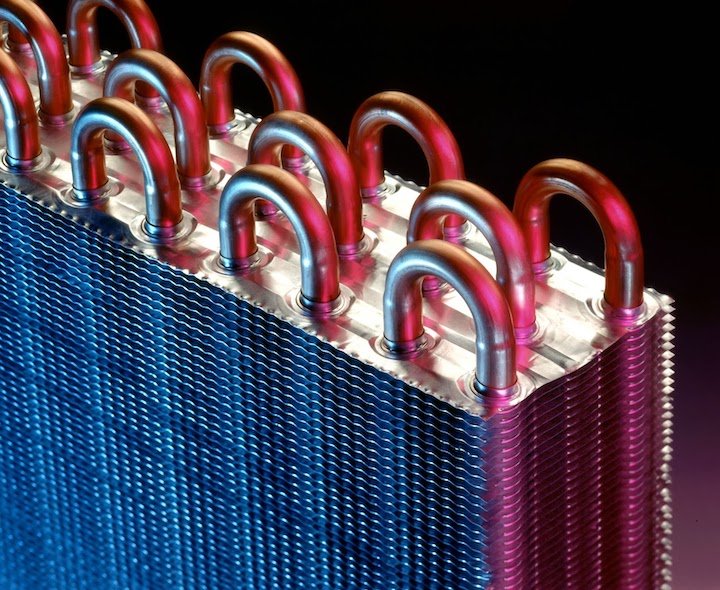
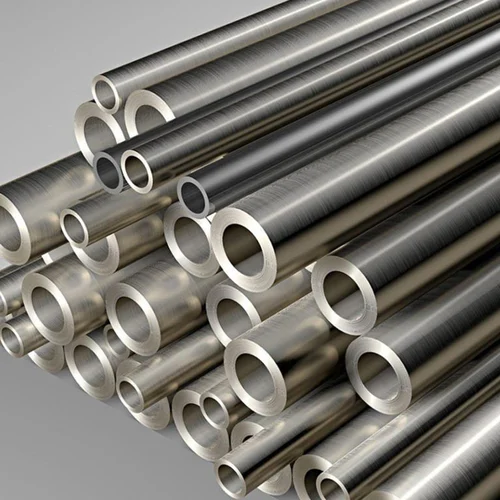
Heat exchanger tubes are the most critical components in shell and tube heat exchangers. They directly determine the heat transfer efficiency, corrosion resistance, and operational reliability of the entire system.
Selecting the wrong tube material can result in serious issues such as:
- Corrosion failure
- Tube leakage
- Reduced heat transfer efficiency
- Unexpected equipment shutdowns
For engineers and procurement specialists, understanding how to properly select heat exchanger tubes is essential for ensuring long-term system performance.
This guide explains the key factors involved in heat exchanger tube material selection and compares the most commonly used materials in industrial applications.
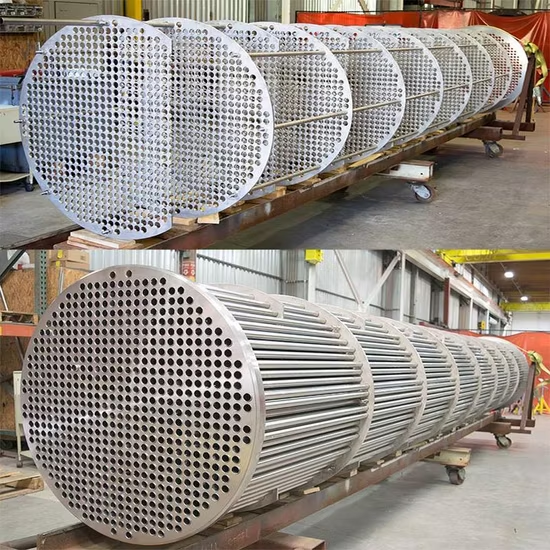
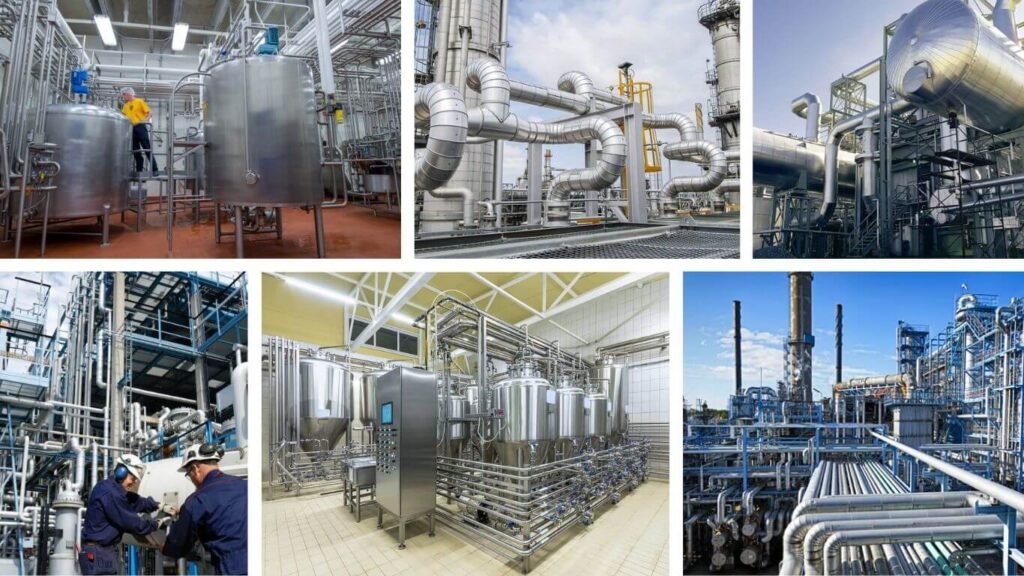
1. Typical Applications of Heat Exchanger Tubes
Heat exchanger tubes are widely used in many industrial sectors.
Common applications include:
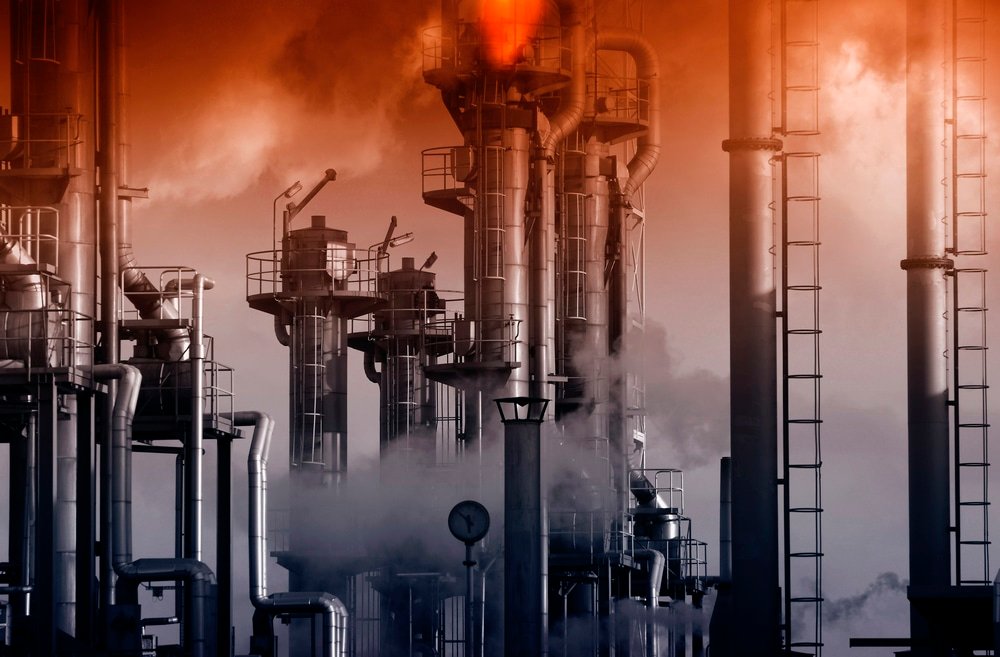
Oil and gas refineries
Petrochemical processing plants
Power generation facilities
Desalination plants
Marine cooling systems
Chemical processing plants
Each industry operates under different temperature, pressure, and corrosion conditions, which significantly affect tube material selection.
2. Common Materials Used for Heat Exchanger Tubes
Several materials are commonly used depending on the operating environment.
Stainless Steel Tubes
Typical standards:
ASTM A213
ASTM A269
EN10216-5
Common grades:
TP304L
TP316L
TP321
TP347H
Advantages:
Good corrosion resistance
Stable mechanical performance
Cost-effective solution for many industrial applications
Typical applications:
Petrochemical heat exchangers
Power plant heat recovery systems
Duplex Stainless Steel Tubes
Typical standards:
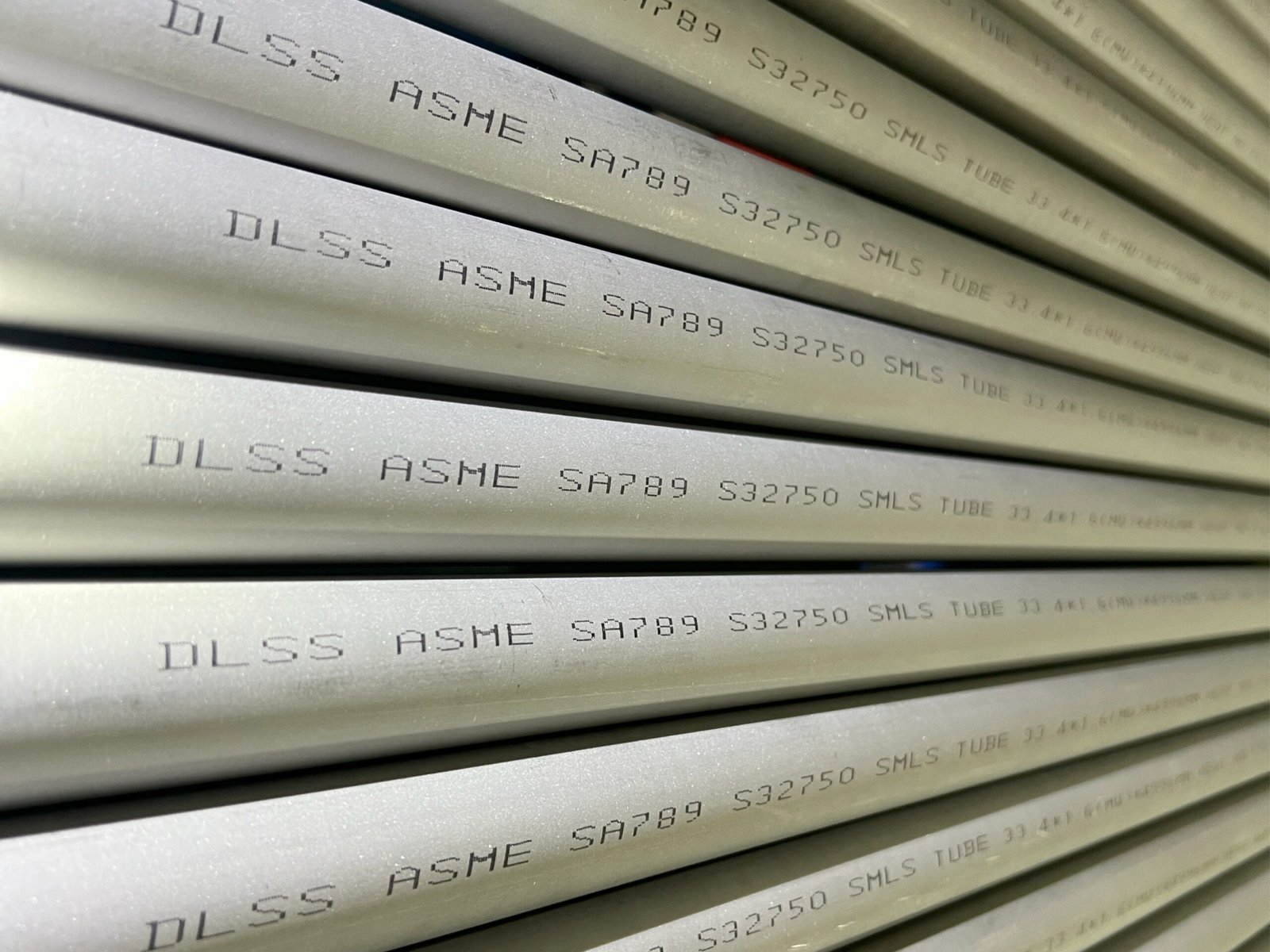
ASTM A789
Common grades:
Duplex 2205 (UNS S31803)
Super Duplex 2507 (UNS S32750)
Advantages:
Higher strength than austenitic stainless steel
Excellent resistance to chloride-induced corrosion
Higher PREN values
Typical applications:
Seawater heat exchangers
Offshore oil platforms
Desalination plants
Titanium Tubes
Typical standard:
ASTM B338
Common grade:
Titanium Grade 2
Advantages:
Exceptional corrosion resistance in seawater
Extremely long service life
Excellent resistance to pitting corrosion
Typical applications:
Seawater condensers
Marine heat exchangers
Copper Alloy Tubes
Typical standard:
ASTM B111
Common grades:
C70600 (CuNi 90/10)
C71500 (CuNi 70/30)
Advantages:
Excellent thermal conductivity
Strong resistance to biofouling
Good seawater corrosion resistance
Typical applications:
Marine cooling systems
Power plant condensers
3. Material Comparison Table
| Material | Corrosion Resistance | Strength | Heat Conductivity | Typical Application |
|---|---|---|---|---|
| 316L Stainless Steel | Good | Medium | Medium | Petrochemical |
| Duplex 2205 | Very High | High | Medium | Offshore / Seawater |
| Titanium Gr.2 | Excellent | Medium | Low | Seawater Condensers |
| CuNi C70600 | Good | Medium | Very High | Marine Cooling |
This comparison helps engineers quickly identify suitable materials for different service environments.
4. Key Engineering Parameters for Tube Selection
Operating Temperature
Temperature significantly influences material selection.
Typical operating limits:
| Material | Recommended Temperature Limit |
|---|---|
| Stainless Steel | up to 600°C |
| Duplex Stainless Steel | up to 300°C |
| Titanium | up to 350°C |
| Copper Alloys | up to 260°C |
High-temperature environments often require alloy steels or stabilized stainless steels such as TP321 or TP347H.
Operating Pressure
Tube wall thickness must meet pressure design requirements.
Common design codes include:
ASME Boiler and Pressure Vessel Code
TEMA Standards
For high-pressure systems, seamless tubes are typically preferred because of their superior structural integrity.
Corrosion Environment
Corrosion is one of the most common causes of heat exchanger tube failure.
Typical corrosion types include:
Pitting corrosion
Stress corrosion cracking
Erosion corrosion
Galvanic corrosion
When chloride ions are present, duplex stainless steels or titanium may be required.
Heat Transfer Efficiency
Heat transfer performance depends on the thermal conductivity of the tube material.
Typical comparison:
| Material | Thermal Conductivity |
|---|---|
| Copper Alloy | Very High |
| Stainless Steel | Medium |
| Titanium | Lower |
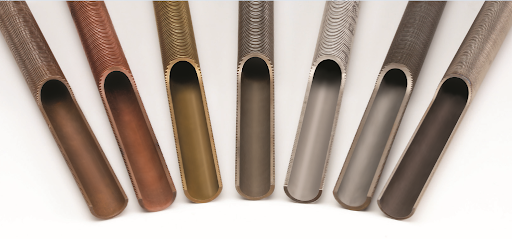
To improve heat transfer efficiency, low fin tubes are often used.
5. Seamless vs Welded Heat Exchanger Tubes
Heat exchanger tubes can be manufactured using either seamless or welded processes.
Seamless tubes
Higher pressure resistance
More reliable structure
Preferred for critical applications
Welded tubes
Lower cost
Suitable for low-pressure systems
Most high-performance heat exchangers use seamless tubes manufactured according to ASTM A213 or EN10216-5.
6. Engineering Recommendations
Material selection should be based on operating environment.
Typical recommendations:
Petrochemical heat exchangers
Recommended materials: 316L or 321 stainless steel
Seawater heat exchangers
Recommended materials: Duplex 2205, Super Duplex 2507, or Titanium
High temperature heat exchangers
Recommended materials: TP321 or TP347H
Cooling water systems
Recommended materials: CuNi C70600
Lifecycle cost should always be considered together with material price.
7. International Standards for Heat Exchanger Tubes
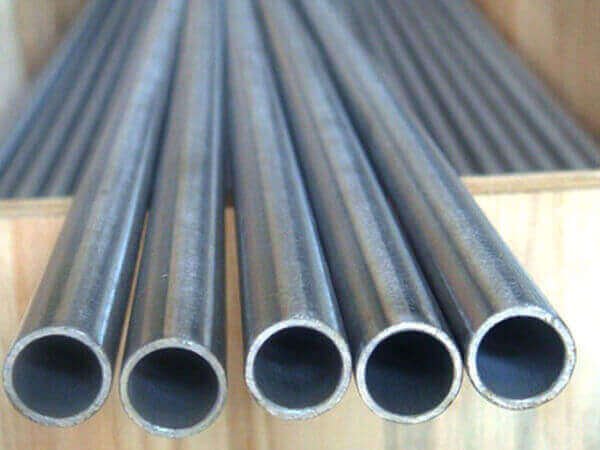
Heat exchanger tubes are manufactured according to international standards.
Common standards include:
ASTM A213
ASTM A789
ASTM B338
ASTM B111
EN10216-5
Inspection and testing may follow ASTM A999.
Testing methods may include:
Hydrostatic testing
Ultrasonic testing
Eddy current testing
Flattening test
Flaring test
FAQ: Heat Exchanger Tube Selection
What is the most common material for heat exchanger tubes?
Stainless steel grades such as 304L and 316L are among the most commonly used materials because they offer good corrosion resistance and reasonable cost.
Which material is best for seawater heat exchangers?
Duplex stainless steel, super duplex stainless steel, and titanium are widely used due to their excellent resistance to chloride corrosion.
Why are seamless tubes preferred for heat exchangers?
Seamless tubes have higher structural reliability and better pressure resistance, making them suitable for critical applications.
Conclusion
Selecting the right heat exchanger tube material is essential for ensuring reliable heat transfer and long-term equipment operation.
Engineers must evaluate operating temperature, pressure conditions, corrosion environment, and heat transfer requirements when choosing tube materials.
Understanding the differences between stainless steel, duplex stainless steel, titanium, and copper alloy tubes helps engineers identify the most suitable solution for their specific applications.