How to Interpret EN 10204 3.1 vs 3.2 Material Test Certificates

DLSS - Tubes For Heat Exchanger - How to Interpret EN 10204 3.1 vs 3.2 Material Test Certificates

Meta Description:
Discover the key differences between EN 10204 3.1 and 3.2 Material Test Certificates (MTCs). Learn why MTCs matter in stainless steel tube procurement and how DLSS ensures full traceability and certification compliance.


Introduction

When sourcing stainless steel tubes, especially for critical applications in oil & gas, power, or chemical industries, the Material Test Certificate (MTC) is your assurance of quality, compliance, and traceability.

Two of the most requested MTC types are:

  • EN 10204 3.1
  • EN 10204 3.2

Understanding the difference between these certificates helps procurement teams, inspectors, and engineers ensure that the supplied materials meet all specified requirements.


1. What Is EN 10204?

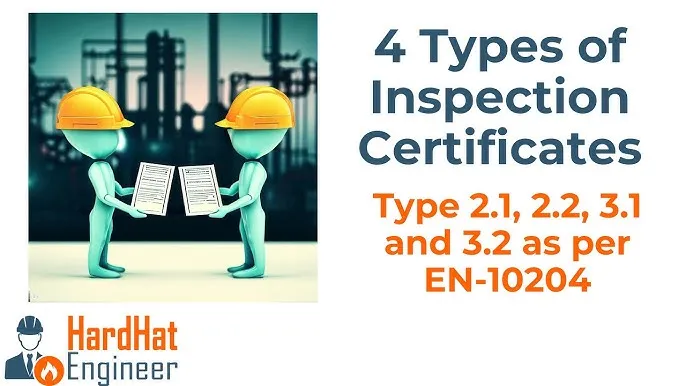
EN 10204 is a European standard that defines various types of inspection documents supplied with metallic products. These documents provide information on the chemical composition, mechanical properties, and testing performed on the materials.

Reference: BSI – EN 10204 Inspection Documents


2. Comparison: 3.1 vs 3.2 MTCs

Feature3.1 Certificate3.2 Certificate
Issued ByManufacturer’s QA departmentIndependent inspector (e.g., SGS, BV) + mill
EndorsementManufacturer declarationManufacturer + Third-party body
Witness TestingNot requiredRequired
Project CriticalityMedium-critical projectsHigh-critical (offshore, nuclear, etc.)
TraceabilityFull, but internally verifiedFull with external verification
EN 10204 Clause ReferenceClause 4.1Clause 4.2

3. When Is a 3.2 MTC Required?

You’ll typically need a 3.2 certificate in the following scenarios:

  • Projects governed by PED 2014/68/EU, ASME, or API requirements
  • Oil & gas installations, especially offshore
  • Nuclear power components
  • End-users requiring third-party surveillance
  • Government infrastructure projects

DLSS partners with recognized bodies like SGS, Lloyd’s Register, TÜV, and BV to issue 3.2 certificates as requested.


4. Key Components of a DLSS MTC

Whether 3.1 or 3.2, DLSS MTCs always include:

  • Heat number and batch reference
  • Chemical composition (C, Si, Mn, Cr, Ni, Mo, N, etc.)
  • Mechanical properties: Yield, tensile strength, elongation
  • Hardness results (Brinell / Rockwell / Vickers)
  • Dimensional measurements (OD, WT, length)
  • Non-destructive test (ET, UT, hydro) results
  • Grain size and microstructure (if applicable)
  • Surface condition and finish notes
  • Stamp, signature, and certifying body details

5. How DLSS Ensures MTC Integrity

  1. Digital Record Keeping – All MTCs are archived and traceable to tube batch
  2. Third-Party Inspection Coordination – Full witness scheduling and documentation
  3. Photographic Verification – Visual proof of dimensional and test procedures
  4. Document Customization – Client logo, language, and project details supported
  5. Secure PDF MTCs – Watermarked and encrypted formats on request

FAQs

Q1: Can I convert a 3.1 MTC to 3.2 after delivery?
No. 3.2 certification must involve real-time third-party inspection during or before production. Retroactive upgrades are not valid.

Q2: Is a 3.1 MTC enough for food-grade applications?
Yes, if issued correctly and accompanied by other hygiene declarations (e.g., Ra report, surface testing).

Q3: Does DLSS charge extra for 3.2 certification?
Yes, depending on the certifying body and scope. We offer transparent cost estimation at inquiry stage.

Q4: How long does it take to issue a 3.2 MTC?
Usually 3–5 days post-inspection, subject to inspector availability and documentation processing.


Conclusion

EN 10204 3.1 and 3.2 certificates are more than paperwork—they are your guarantee of quality, safety, and compliance. DLSS ensures full MTC documentation with every stainless steel tube shipment, supporting you with the right level of verification for your project’s needs.


Contact DLSS
Email: info@dlsspipe.com
Website: www.dlsspipeline.com

Not sure whether your application needs a 3.1 or 3.2 MTC? Contact DLSS for expert consultation, test coordination, and high-quality stainless steel tube solutions.

Wonderful! Share This Case:

Austenitic Stainless Steel

Duplex Stainless Steel

Nickel Alloys

▪ Incoloy Family

▪ Inconel Family

▪ Monel Family

▪ Hastelloy Family

▪ Other Special Alloys

Cobalt Alloys

Related Posts

Middle East Market Insight: Stainless Steel Seamless Tube Demand in Refining and Desalination Projects

Middle East Market Insight: Stainless

The Middle East remains one of the world’s largest consumers of stainless steel seamless tubes—driven by oil & gas refining, petrochemical facilities, and mega-scale desalination and water treatment plants. As Gulf countries shift toward more technologically advanced, environmentally compliant, and cost-efficient infrastructure, the demand for U-bent heat exchanger tubes, duplex/super duplex grades, and ASME/PED-certified seamless […]

Read More

Welded vs. Seamless Tubes: Which

Choosing between welded and seamless tubes can impact your heat exchanger’s performance, durability, and cost. While both have their place, understanding their differences helps engineers and purchasers make informed decisions. In this blog, we compare these two types of stainless steel tubes and highlight where each one excels. 1. Manufacturing Process This difference affects the structural integrity and mechanical […]

Read More
EN vs ASTM Standards for Stainless Steel Tubes – What’s the Difference and How to Choose?

EN vs ASTM Standards for

Meta Description:Explore the key differences between EN and ASTM standards for stainless steel tubes. Understand specifications, testing requirements, tolerances, and how to choose the right standard for your project. Introduction Global industrial projects often involve suppliers and clients from different regions—especially Europe, America, and Asia. As a result, you may encounter both ASTM and EN […]

Read More
Nickel Alloy Steel Seamless Pipes and Tubes: Industrial Advantages and Applications

Alloy Steel Heat Exchanger Tubes

Introduction In high-temperature environments such as boilers, power plants, and petrochemical heat exchangers, alloy steel tubes are indispensable. One common choice is ASTM A199 T11, a Cr-Mo alloy steel that provides excellent creep resistance, mechanical strength, and durability. Recently, a customer requirement for T11 cold drawn tubes offers a valuable example of how this material […]

Read More
Spiral Finned Tube vs Extruded Finned Tube: Which is Better for Your Project?

Spiral Finned Tube vs Extruded

When selecting spiral finned tube vs extruded finned tube for a heat exchanger, engineers must weigh performance, durability, and operating costs. Both fin types enhance heat transfer, but their differences can significantly affect long-term efficiency. If you’re new to finned tubes, start with What is a Finned Tube and How It Improves Heat Exchanger Efficiency. […]

Read More

5 U-Bending Standards and Applications

Introduction U-bent stainless steel tubes are essential in shell-and-tube heat exchangers, widely used in power generation, petrochemical processing, desalination, HVAC, and marine applications. These tubes are designed to efficiently redirect fluid flow while withstanding extreme thermal and mechanical stress. At DLSS, we specialize in producing high-quality U-tubes with tight tolerances and global standard compliance. In this […]

Read More
Pickling vs Bright Annealing: Which Surface Treatment Is Best for Stainless Steel Tubes?

Top 5 Stainless Steel Tube

Meta Description:Discover the five most common causes of stainless steel tube failures. Learn how to detect, prevent, and solve issues in high-performance piping systems across industries. Introduction Stainless steel tubes are widely used in high-demand applications due to their corrosion resistance, strength, and cleanliness. However, tube failure—when it occurs—can lead to production shutdowns, safety hazards, […]

Read More

Disadvantages of Copper Tubes in

Copper tubes have been widely used in heat exchangers for decades, thanks to their excellent thermal conductivity and workability. However, as industries evolve and system requirements become more demanding, copper tubes are facing several limitations in terms of performance, durability, and lifecycle cost. In this blog, we’ll explore the main disadvantages of copper tubes in heat exchangers—and […]

Read More

Request A Quote

*We respect your confidentiality and all information are protected.