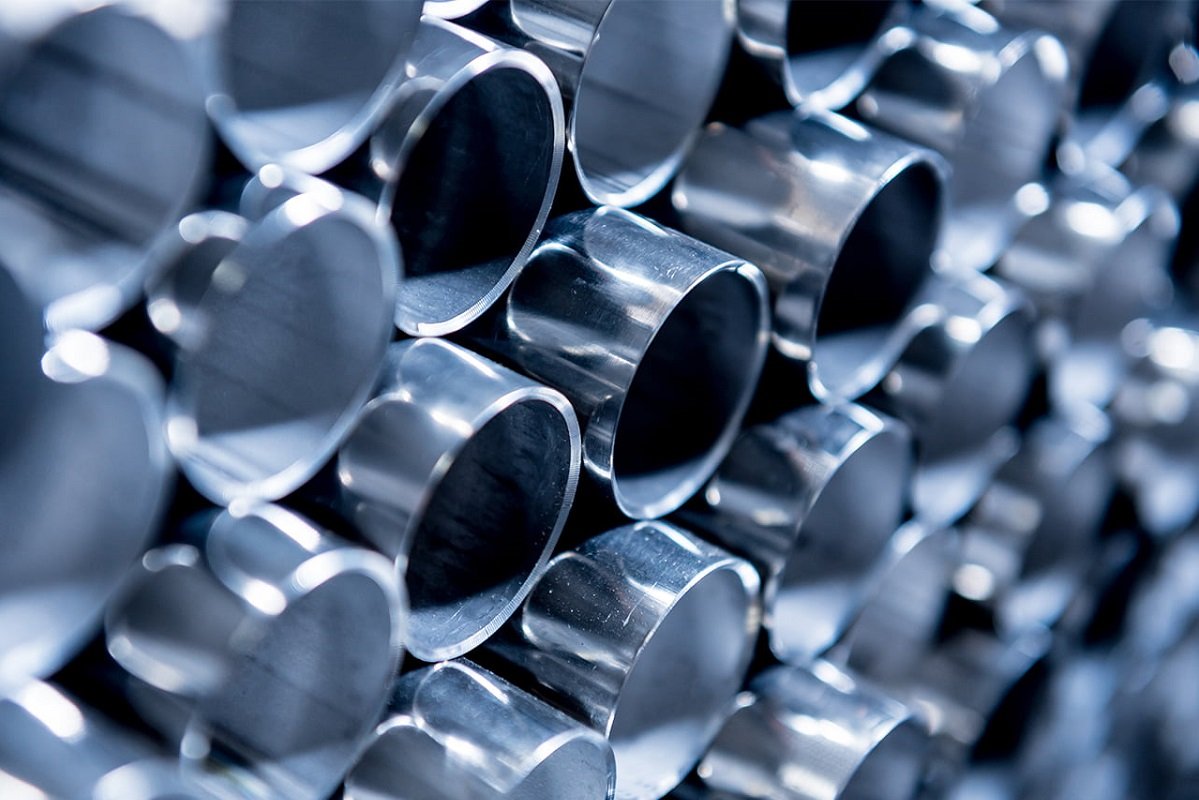
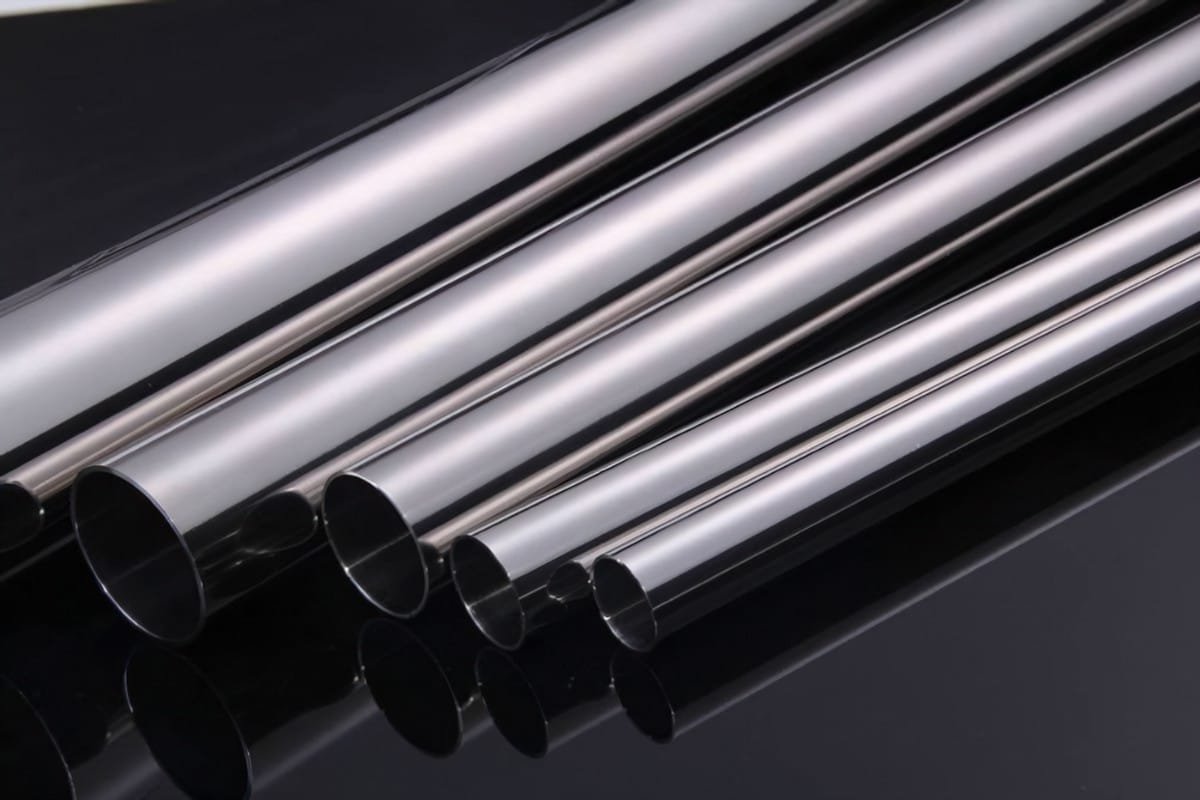
Electropolished stainless steel tubes are often called EP tubes.
They are used in clean and high-purity systems. These systems need a smooth inner surface, low particle risk, and good corrosion resistance.
EP tubes are common in:
- Pharmaceutical plants
- Biotechnology systems
- Semiconductor fabs
- Food and beverage lines
- Clean steam systems
- High-purity gas lines
- Purified water systems
The most important point for many buyers is surface roughness.
Surface roughness is usually shown as Ra.
But Ra is not the only thing to check. Buyers should also check material grade, tube standard, cleaning, packing, inspection, and documents.
This guide explains what EP tube surface roughness means, how EP tubes are made, how EP compares with BA and MP tubes, and what buyers should confirm before ordering.
What Is an Electropolished EP Tube?
An electropolished EP tube is usually made from stainless steel seamless tubes or welded sanitary tubes, with the inner surface treated by electropolishing.
Electropolishing is an electrochemical process. It removes a very thin layer from the metal surface.
This process helps make the surface:
- Smoother
- Brighter
- Cleaner
- Easier to clean
- More resistant to corrosion
- Less likely to hold particles
For high-purity piping, the inner surface is very important. A rough surface may hold particles, product residue, or bacteria. A smoother surface is easier to clean and easier to inspect.
EP tubes are often made from 304L or 316L stainless steel. For special projects, other alloys may also be used.
What Does Surface Roughness Ra Mean?
Ra means roughness average.
It is a way to measure how smooth or rough a surface is.
A lower Ra value usually means a smoother surface. For EP tubes, buyers often ask for a low inner surface Ra value.
Common Ra requirements may include:
- Ra ≤ 0.38 μm
- Ra ≤ 0.25 μm
- Ra ≤ 0.20 μm
The final requirement depends on the project standard and application.
But Ra is not the only quality point.
Two tubes can have the same Ra value, but the real surface condition may still be different. That is why buyers may also request borescope inspection, visual inspection, cleaning records, and proper packing.
Why Surface Roughness Matters
Surface roughness matters because the tube inner surface touches the process fluid or gas.
A smoother surface can help reduce:
- Particle retention
- Product buildup
- Cleaning difficulty
- Bacterial risk
- Corrosion risk
- Contamination risk
This is why EP tubes are often used in clean systems.
For example, pharmaceutical water systems need clean inner surfaces. Semiconductor gas or chemical lines also need very clean wetted surfaces.
In these systems, even a small surface problem may create quality risk.
EP vs BA vs MP Tubes
EP, BA, and MP are different surface finishes.
Each one has its own use.
| Item | EP Tube | BA Tube | MP Tube |
|---|---|---|---|
| Full Name | Electropolished Tube | Bright Annealed Tube | Mechanically Polished Tube |
| Surface | Very smooth and bright | Bright and clean | Polished by tools |
| Inner Cleanliness | Excellent | Good | Good |
| Particle Risk | Low | Medium | Medium |
| Cleanability | Excellent | Good | Good |
| Corrosion Resistance | Very good | Good | Depends on process |
| Cost | Higher | Medium | Medium |
| Common Use | Pharma, semiconductor, biotech | Clean industrial lines, heat exchanger tubes | Food and sanitary systems |
EP tubes are usually selected when the system needs higher cleanliness.
BA tubes are suitable for many clean industrial uses.
MP tubes are often used in sanitary piping and food systems.
The best choice depends on the project requirement.
To compare BA, EP, MP, and pickled surfaces, buyers can also review our guide to stainless steel tube surface finishes.
Common Surface Finish Comparison
| Surface Finish | Typical Ra Range | Common Use |
| Pickled Surface | ≥ 0.5 μm | General industrial use |
| BA Surface | 0.2–0.5 μm | Clean industrial tubing |
| MP Surface | 0.4–0.8 μm | Food and sanitary systems |
| EP Surface | 0.2–0.38 μm or better | High-purity systems |
These values are typical ranges only.
The final Ra value should follow the purchase order, project standard, and inspection requirement.
Common Standards for EP Tubes
EP tube projects may use different standards.
| Standard | Why It Matters |
| ASTM B912 | Covers passivation of stainless steel by electropolishing |
| ASTM A270 | Covers stainless steel sanitary tubing |
| ASTM A269 | Covers stainless steel tubing for general service |
| ASME BPE | Used for bioprocessing and high-purity systems |
| SEMI F19 | Used for wetted surfaces of stainless steel components in semiconductor systems |
Not every project needs all these standards.
Buyers should confirm the required standard before ordering.
Where Are EP Tubes Used?
EP tubes are used in systems where cleanliness is very important.
| Industry | Common Use |
| Pharmaceutical | WFI, purified water, clean steam |
| Biotechnology | Bioreactors, fermentation lines, clean process piping |
| Semiconductor | Ultra-high purity gas and chemical lines |
| Food & Beverage | CIP, SIP, sterile filling lines |
| Medical | Cleanroom utilities and device production |
| Laboratory | High-purity fluid and gas systems |
EP tubes are not needed for every stainless steel piping system.
They are mainly used when the process needs a very clean surface.
How EP Tubes Are Made
A good EP tube starts from a good base tube.
The process usually includes these steps:
- Select the stainless steel tube
The tube should have the correct material grade, size, wall thickness, and surface condition.
- Clean the tube
Oil, dust, and surface dirt should be removed before electropolishing.
- Electropolish the inner surface
The tube is treated in an electrolyte solution. Electric current removes a thin layer from the surface.
- Rinse and neutralize
The tube is cleaned after electropolishing. This helps remove chemical residue.
- Passivate the surface
Passivation helps build a stable protective film on the stainless steel surface.
- Measure Ra
The inner surface roughness is checked to confirm the required Ra value.
- Inspect the inner surface
Borescope inspection can help check the inner surface condition.
- Clean and pack
EP tubes should be cleaned, capped, and packed carefully to protect the inner surface.
What Buyers Should Check Before Ordering EP Tubes
Buyers should not only ask for “EP tube.”
They should confirm the full requirement.
Buyer Checklist
- Material grade: 304L, 316L, or special alloy
- Standard: ASTM A269, ASTM A270, ASME BPE, or project standard
- OD
- Wall thickness
- Length
- Inner surface Ra value
- EP or BA finish
- Seamless or welded tube
- Heat treatment condition
- Borescope inspection
- PMI test
- MTC
- Cleaning method
- End cap requirement
- Packing method
- Nitrogen purge, if required
- Third-party inspection support, if required
A clear requirement helps avoid mistakes.
It also helps the supplier quote faster and more accurately.
EP Tube Inspection Items
Inspection is very important for EP tubes. A clear DLSS quality control process helps buyers check Ra, material grade, size, surface, documents, and packing before shipment.
| Inspection Item | Purpose |
| Ra Test | Checks inner surface roughness |
| Borescope Inspection | Checks inner surface condition |
| PMI Test | Confirms material grade |
| Dimensional Inspection | Checks OD, WT, and length |
| Visual Inspection | Checks appearance and surface defects |
| MTC Review | Confirms chemical and mechanical properties |
| Packing Inspection | Checks caps, bags, labels, and protection |
| Third-Party Inspection | Gives independent inspection before shipment |
For high-purity projects, buyers may also request extra testing or special documents.
DLSS EP Tube Capability
DLSS supplies electropolished stainless steel tubes for high-purity systems.
We can support:
- 304L EP tubes
- 316L EP tubes
- Special alloy EP tubes upon request
- Seamless stainless steel tubes
- BA tubes before EP treatment
- Inner Ra inspection
- Borescope inspection
- PMI testing
- MTC documents
- Clean packing
- End caps
- Export wooden case packing
- Third-party inspection support
Typical available range:
| Item | Typical Range |
| Material | 304L, 316L, and special alloys upon request |
| OD | 6 mm to 25.4 mm |
| Wall Thickness | 0.5 mm to 2 mm |
| Length | Up to 6000 mm |
| Surface Finish | EP inner surface |
| Inspection | Ra, borescope, PMI, visual inspection, MTC |
Final production range should be confirmed according to size, material, quantity, and surface requirement.
EP Tubes for Pharmaceutical Systems
Pharmaceutical systems need clean and easy-to-clean piping.
EP tubes are often used in:
- WFI lines
- Purified water lines
- Clean steam lines
- Sterile process lines
- Biotech production lines
EP tubing is often required or preferred for high-purity pharmaceutical systems.
But the final requirement should follow the project specification, validation plan, and end-user standard.
EP Tubes for Semiconductor Systems
Semiconductor systems need very clean gas and chemical lines.
EP tubes are often used because they have a smooth inner surface and low particle risk.
They may be used in:
- Ultra-high purity gas lines
- Chemical delivery systems
- Cleanroom utility lines
- Wet process systems
For semiconductor projects, buyers should pay close attention to surface condition, packing, cleaning, and inspection.
EP Tubes for Food and Beverage Systems
Food and beverage systems also need clean surfaces.
EP tubes may be used when the system requires high cleanliness or easy cleaning.
Common uses include:
- CIP lines
- SIP systems
- Sterile filling lines
- High-purity water lines
- Clean process piping
For normal food lines, MP or BA tubes may also be suitable. The final choice depends on hygiene level, cleaning method, and budget.
FAQ
What is an EP tube?
An EP tube is an electropolished stainless steel tube. Its inner surface is treated to become smoother, cleaner, and easier to clean.
What does Ra mean for EP tubes?
Ra means roughness average. It shows the average surface roughness. A lower Ra value usually means a smoother surface.
Is a lower Ra always better?
Not always. A lower Ra is helpful, but it is not the only quality point. Buyers should also check surface defects, cleaning, inspection, packing, and documents.
What is the difference between EP and BA tubes?
EP tubes are electropolished after tube production. BA tubes are bright annealed. EP tubes usually have a cleaner and smoother inner surface. BA tubes are suitable for many clean industrial systems.
Are EP tubes required for pharmaceutical systems?
EP tubes are often required or preferred for high-purity pharmaceutical systems, such as WFI, purified water, and clean steam lines. The final requirement should follow the project specification.
Can EP tubes be used in semiconductor systems?
Yes. EP tubes are often used in semiconductor gas and chemical lines because they help reduce particle risk and improve surface cleanliness.
What documents should buyers request?
Buyers may request MTC, Ra report, borescope inspection report, PMI report, cleaning record, packing photos, and third-party inspection report if needed.
Conclusion
EP tube surface roughness is an important point for high-purity piping systems.
A smooth inner surface can help reduce particle retention, cleaning risk, corrosion risk, and contamination risk.
But buyers should not only check the Ra value.
They should also confirm material grade, standard, tube size, surface finish, inspection method, cleaning, packing, and documents.
DLSS supplies high-purity stainless steel tubing for pharmaceutical, biotechnology, semiconductor, food, and clean process systems.
If you need EP tubes for a clean system, send us your material grade, OD, wall thickness, length, Ra requirement, standard, and inspection needs. Our team will help review your requirement before quotation.