Advanced Pipe-Based Heat Exchanger Designs: U-Tube, Shell-and-Tube, and Coiled Tube Systems

DLSS - Tubes For Heat Exchanger - Advanced Pipe-Based Heat Exchanger Designs: U-Tube, Shell-and-Tube, and Coiled Tube Systems

As industrial demands for thermal efficiency, space optimization, and corrosion resistance continue to grow, the design and selection of heat exchangers have become increasingly specialized. Beyond basic double tube systems, engineers often turn to more advanced pipe configurations to meet rigorous process requirements.

In this article, we explore three widely used and performance-driven heat exchanger types: the U-Tube Heat Exchanger, Shell and Tube Heat Exchanger, and Coiled Tube Heat Exchanger.


1. U-Tube Heat Exchanger: Space-Saving and Flexible

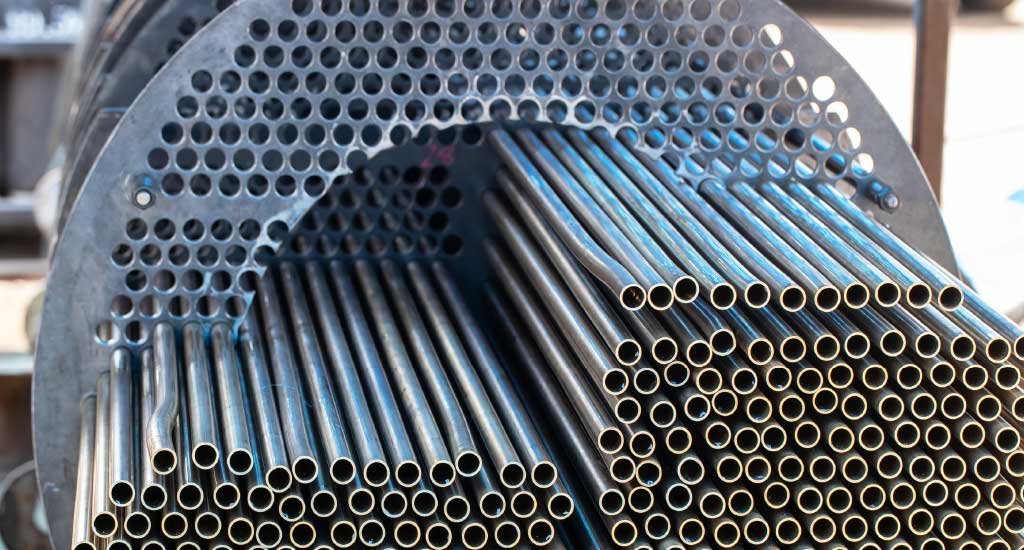
The U-tube heat exchanger features a bundle of U-shaped tubes housed within a shell. One fluid flows through the U-tubes, while another circulates around them inside the shell.

Advantages:

  • Compact footprint
  • Accommodates thermal expansion due to tube flexibility
  • Cost-effective for high-pressure applications

Common Applications:

  • Steam-to-liquid or liquid-to-liquid heat transfer
  • Power generation
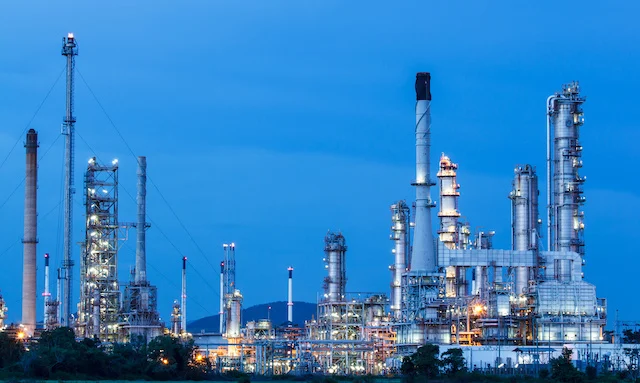
  • Refineries and chemical plants

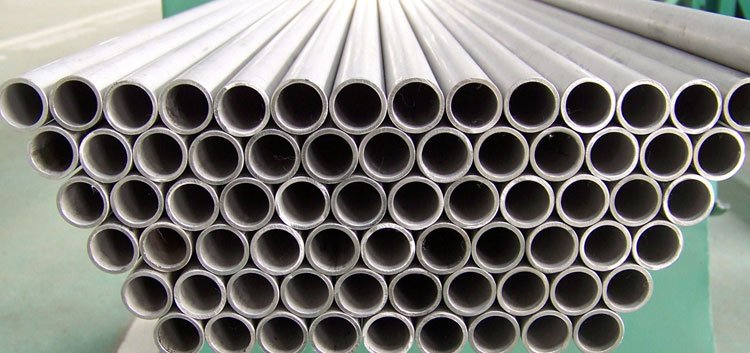
DLSS provides thin-walled U-bend stainless steel tubes with tight radius control, ideal for precision U-tube bundle manufacturing.


2. Shell and Tube Heat Exchanger: Industrial Standard

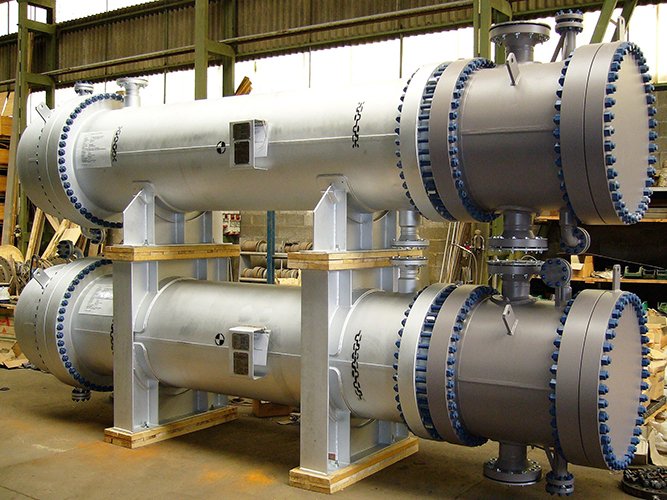
The shell and tube heat exchanger is the most widely used design in industries requiring high heat transfer capacity. It consists of multiple straight tubes enclosed in a cylindrical shell. Baffles may be added to direct fluid flow and increase turbulence for better thermal performance.

Key Benefits:

  • Handles high pressure and high-temperature environments
  • Easily scalable for large systems
  • Facilitates multiple flow configurations (crossflow, counterflow, multipass)

Applications:

  • Oil refining and petrochemical processes
  • Boiler feedwater preheating
  • Cooling tower loops

DLSS offers stainless steel and duplex alloy tubes that meet ASME, ASTM, and EN standards, making them suitable for shell-and-tube heat exchanger manufacturing worldwide.


3. Coiled Tube Heat Exchanger: High Efficiency in Compact Designs

Coiled tube heat exchangers use helically coiled or spiral tubes, often enclosed in a tank or shell. Their compact shape allows for a large surface area in a small volume, making them ideal for space-constrained systems.

Features:

  • Enhanced heat transfer due to secondary flow patterns (Dean vortices)
  • Low fouling design
  • High mechanical strength under vibration

Use Cases:

  • Solar thermal systems
  • Chemical reactors
  • Small-scale heat recovery units

Our seamless coiled stainless steel tubing ensures minimal leakage risk and excellent corrosion resistance, even under cyclic temperature conditions.

Why DLSS Tubing Fits These Designs

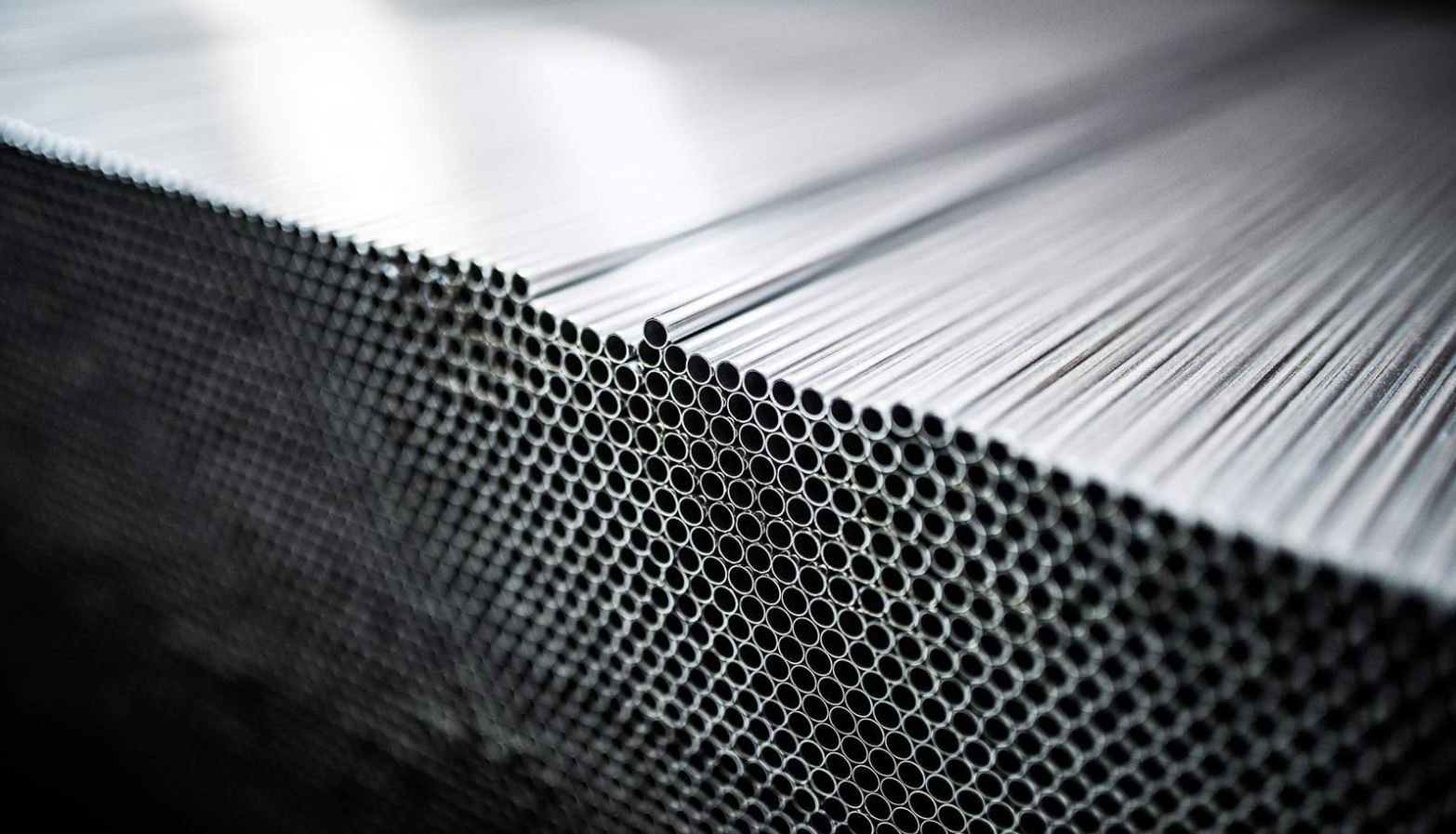
At DLSS, we specialize in precision stainless steel seamless tubes, offering key advantages for advanced heat exchanger applications:

  • Tight tolerances and smooth inner surfaces for optimal flow
  • Custom lengths, U-bends, and coiled configurations available
  • Materials include TP304, TP316L, 2205, 2507, and nickel alloys
  • Compliance with ASTM A213 / A269 / EN 10216-5 / JIS G3463 standards

Explore our manufacturing capabilities at www.dlsspipeline.com
Inquiries: info@dlsspipe.com

Wonderful! Share This Case:

Austenitic Stainless Steel

Duplex Stainless Steel

Nickel Alloys

▪ Incoloy Family

▪ Inconel Family

▪ Monel Family

▪ Hastelloy Family

▪ Other Special Alloys

Cobalt Alloys

Related Posts

Choosing the Right Pipe Materials for the Oil & Gas Industry

Guía para Seleccionar Tuberías de

Meta descripción:¿Necesita tuberías confiables para calentadores, intercambiadores o calderas en refinerías latinoamericanas? Descubra qué materiales ofrecen la mejor resistencia a la corrosión y al calor para aplicaciones críticas. Introducción En América del Sur, países como Argentina, Brasil, Chile y Perú están modernizando sus refinerías para cumplir con nuevas demandas energéticas y ambientales.Estos proyectos requieren tuberías […]

Read More
316 vs 316L vs 316Ti stainless steel

316 vs 316L vs 316Ti

1. Overview In demanding industries such as heat exchangers, condensers, boilers, and pressure vessels, stainless steels of the 316 family are among the most widely used materials. However, choosing between 316, 316L, and 316Ti depends on factors like weldability, temperature stability, and corrosion resistance. At DLSS (Zhejiang Daling Special Steel Co., Ltd.), we supply all […]

Read More
Shell and Tube Heat Exchangers vs. Plate Heat Exchangers: Which One Should You Choose?

Shell and Tube Heat Exchangers

When it comes to industrial heat transfer equipment, shell and tube heat exchangers (STHE) and plate heat exchangers (PHE) are two of the most widely used technologies. Each design offers specific advantages and limitations depending on the industry, media properties, and operational conditions. In this article, we’ll provide a professional comparison between STHE and PHE, […]

Read More
Stainless Steel Tube Selection for LNG and Cryogenic Applications (2025 Guide)

Stainless Steel Tube Selection for

Why Cryogenic Environments Demand Specialized Tubing Cryogenic systems, such as LNG pipelines, vaporizers, and storage tanks, operate at extremely low temperatures — sometimes below –196°C. In such harsh conditions, stainless steel tubes must retain excellent mechanical strength, ductility, and impact toughness. Incorrect tubing materials in LNG systems can lead to brittle fracture, thermal fatigue, or […]

Read More
A Guide to Bright Annealed Stainless Steel Tubes – Benefits, Production, Applications

A Guide to Bright Annealed

Meta Description:Discover what bright annealed stainless steel tubes are, how they’re produced, and why they are essential in hygienic and high-purity applications such as pharmaceuticals, food processing, and semiconductors. Introduction In industries where surface finish, corrosion resistance, and cleanliness are critical, Bright Annealed (BA) stainless steel tubes are the preferred solution. With a mirror-like internal […]

Read More
Why Duplex Stainless Steel Tubes Are Ideal for South America's Offshore Oil & Gas Projects

Why Duplex Stainless Steel Tubes

Meta Description:Explore how duplex stainless steel tubes meet the demands of South America’s offshore energy sector. Learn about corrosion resistance, mechanical strength, and NACE compliance in deep-sea environments. Introduction From Brazil’s pre-salt fields to Colombia’s coastal gas terminals, offshore exploration in South America is pushing engineering materials to the limit. The tubes used in these […]

Read More
Aleaciones Especiales para Tuberías en Plataformas Offshore en Brasil

Aleaciones Especiales para Tuberías en

Meta descripción:Las plataformas marinas brasileñas enfrentan desafíos extremos: alta salinidad, presión y exposición constante a H₂S. Conozca qué aleaciones inoxidables ofrecen mayor seguridad y vida útil en ambientes offshore. Introducción Brasil es líder en producción de petróleo en aguas profundas gracias a regiones como Campos, Santos y Pre-Sal. Estas plataformas offshore requieren sistemas de tuberías […]

Read More
Finned Tube Material Selection Guide for Different Industrial Applications

Finned Tube Material Selection Guide

Selecting the right finned tube material is critical to achieving optimal performance, durability, and cost-effectiveness in heat exchanger systems. Different industries face different environmental and operational challenges, so your material choice should align with your application’s specific needs. If you are new to finned tube technology, start with Different Types of Finned Tubes and Their […]

Read More

Request A Quote

*We respect your confidentiality and all information are protected.