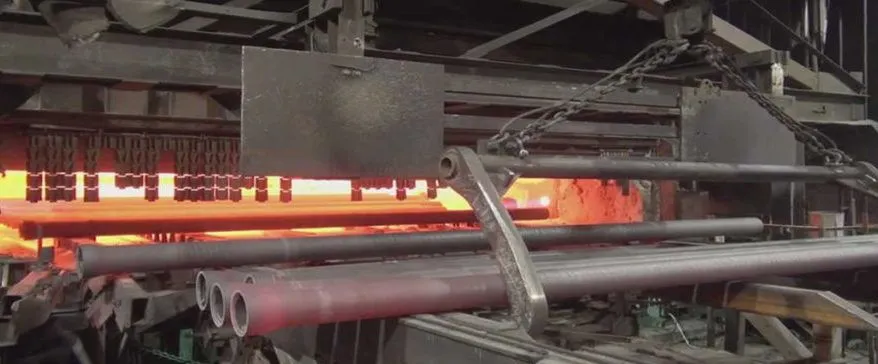
How Green Buildings and HVAC Systems Are Driving New Demand for Stainless Steel Heat Exchanger Tubes

DLSS - Tubes For Heat Exchanger - How Green Buildings and HVAC Systems Are Driving New Demand for Stainless Steel Heat Exchanger Tubes

With urban centers pushing for net-zero construction and energy-efficient design, HVAC systems—heating, ventilation, and air conditioning—have become the heart of green buildings.

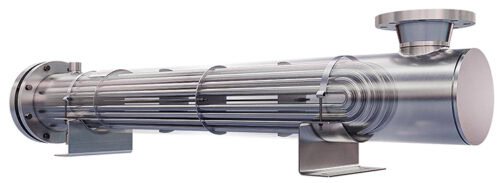
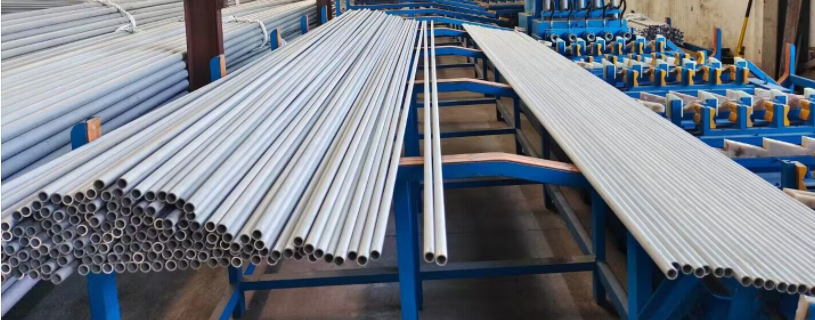
This shift is driving new demand for stainless steel heat exchanger tubes, used in chilled water systems, heat pumps, condenser units, and energy recovery modules.


1. Why Stainless Steel Is Replacing Copper and Galvanized Steel in HVAC

ReasonStainless Steel Advantage
Corrosion resistanceEspecially in coastal cities and high-humidity zones
Longevity20+ year lifespan vs. galvanized or copper under acidic condensate
SustainabilityRecyclable, low carbon options available (ISO 14067)
Compatibility with modern refrigerantsLike R-32, CO₂, and ammonia
Aesthetics and hygienePreferred in hospitals, labs, and high-end public facilities

Grades like TP304L, TP316L, and TP444 are now commonly used in HVAC coils, plate heat exchangers, and underfloor heating systems.
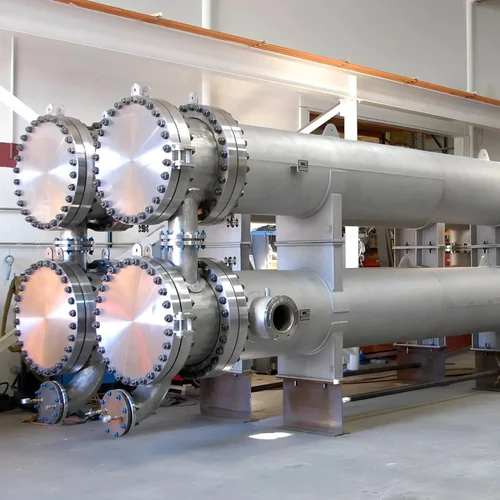
green-building-hvac-stainless-steel-heat-exchanger-tube

2. Where Tubes Are Used in Building HVAC Systems

HVAC System ComponentTube Function
Chilled water coilsTransfer heat from indoor air to chilled water loop
Condenser coilsDischarge building heat to outdoor air or cooling tower
Heat pumpsSource/sink-side heat transfer for heating/cooling
Energy recovery systems (ERV)Recover heat from exhaust air
Radiant floor heatingCirculate warm water through stainless tube circuits

3. Global Trends in HVAC Tube Applications

RegionTrendTube Impact
EuropeStrict energy codes (e.g., REACH, ErP)High-efficiency TP316L coil tubing
Southeast AsiaGreen building boom in Malaysia, SingaporeSalt-resistant TP304L U-bent tubes
USA & CanadaElectrification of heating (heat pumps)Stainless steel replaces copper in aggressive condensate systems
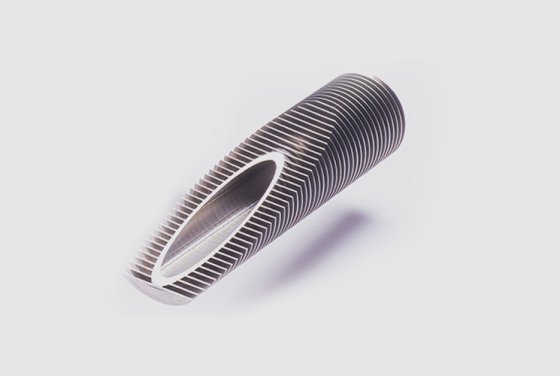
ChinaPassive building design in Tier-1 citiesStainless spiral coils in heat recovery ventilation

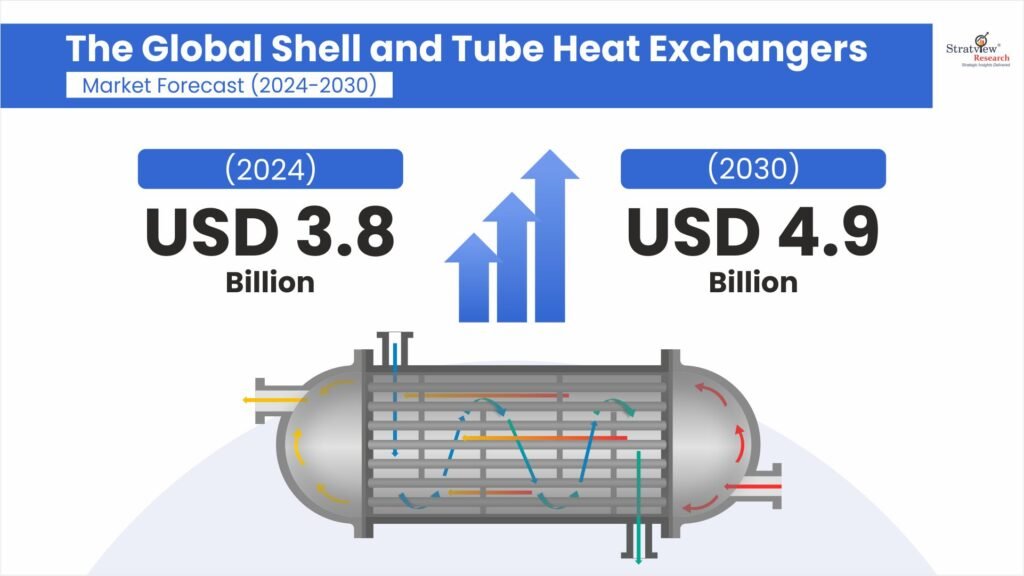
According to the IEA, global heat pump sales grew by over 11% in 2023, especially in regions targeting building decarbonization.
green-building-hvac-stainless-steel-heat-exchanger-tube

4. Why Architects and MEP Designers Specify Stainless Tube

  • Low maintenance lifecycle
  • Fire safety and pressure resistance
  • Certified materials with traceability (EN10204 3.1)
  • Polished or bright-annealed surface finish for visible installations
  • U-bent and coiled tubes for compact units

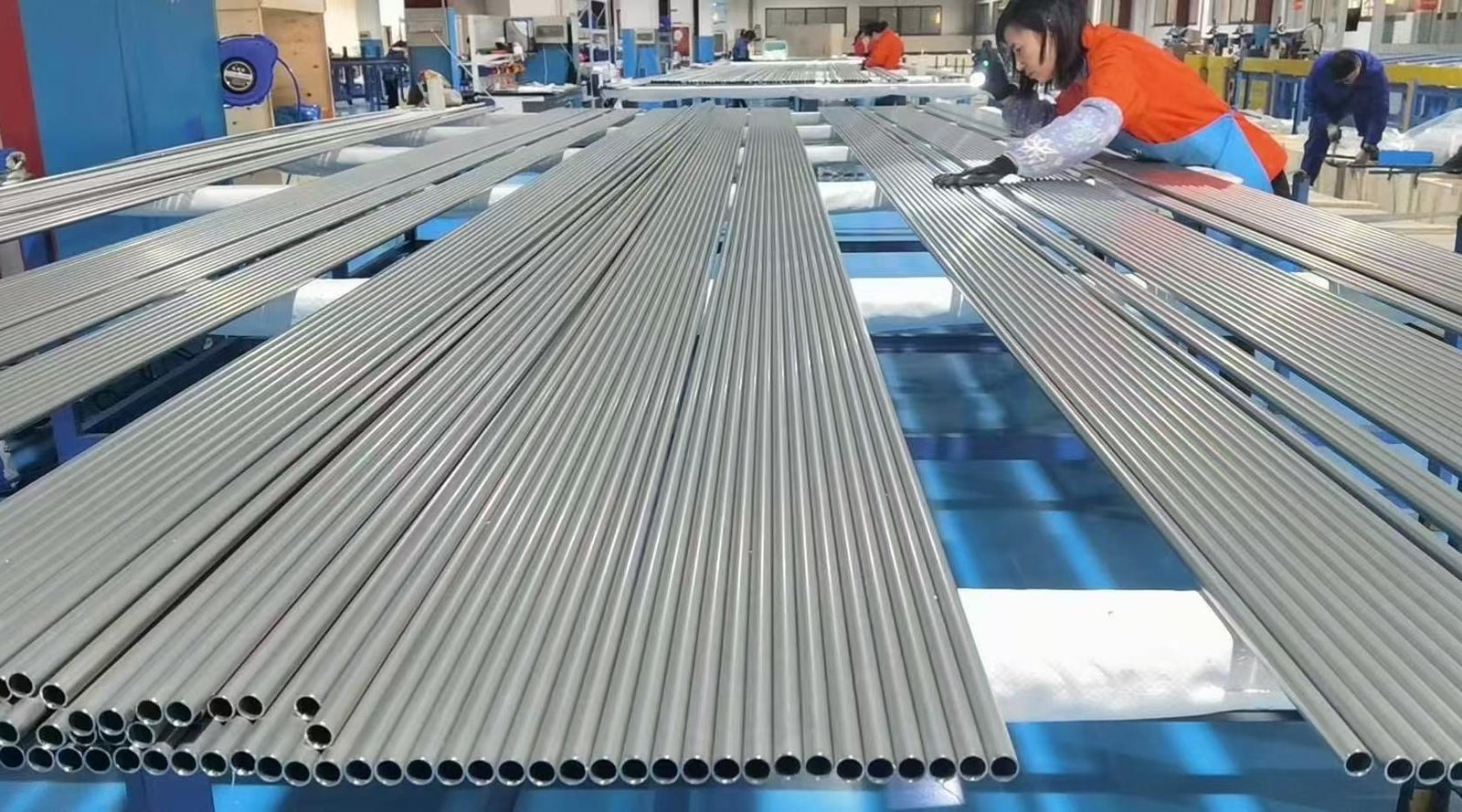
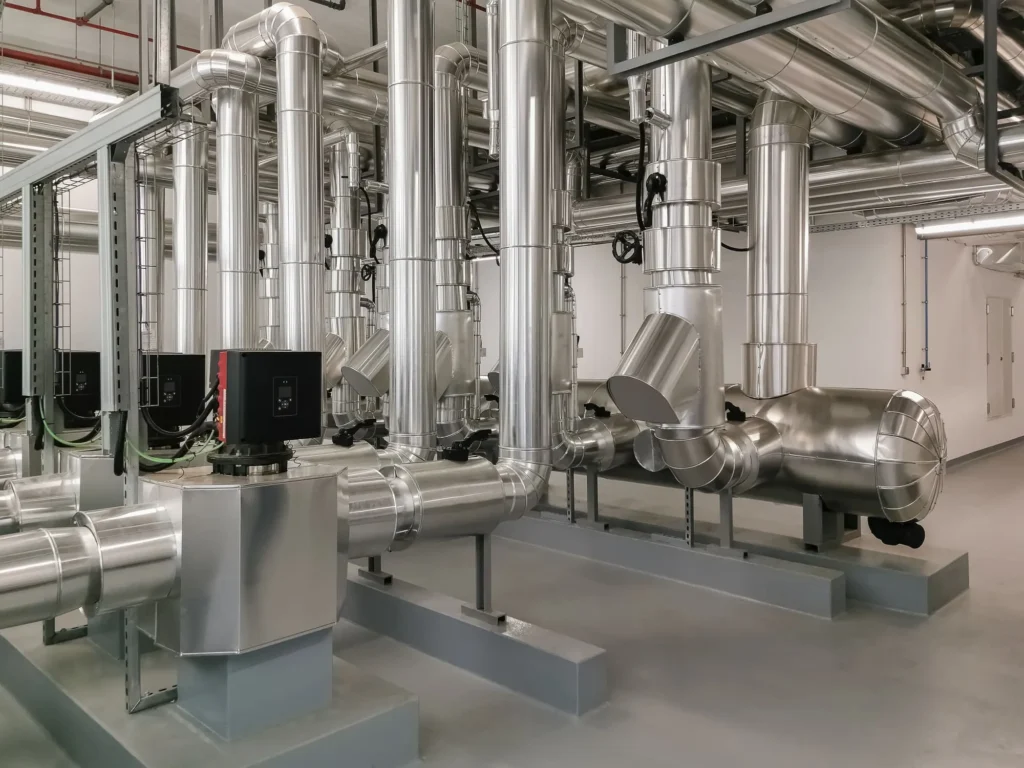
DLSS supplies HVAC-grade ASTM A249 / A269 / A213 tubes with tight tolerances, smooth ID surfaces, and custom lengths for chiller OEMs and contractors.
green-building-hvac-stainless-steel-heat-exchanger-tube

Frequently Asked Questions (FAQ)

Q1: What surface finish is typical for HVAC stainless steel tubes?
A: Polished or bright annealed finish with Ra ≤ 0.6 µm for thermal efficiency and hygiene.

Q2: Can stainless steel tubes handle modern refrigerants like CO₂ or ammonia?
A: Yes. TP316L and TP444 are commonly used with R-744 (CO₂), and are resistant to acidic byproducts in ammonia-based systems.

Q3: Are stainless steel HVAC tubes used only in commercial buildings?
A: Not anymore. High-end residential, hospitals, and even prefab housing are adopting stainless steel coils for lifespan and quality.

Q4: What packaging is preferred for HVAC coils and tubes?
A: Tubes are capped, plastic-wrapped, bundled in protective foam, and labeled with P.O., alloy, and length. U-bent coils are often crated or framed.


Conclusion: HVAC Tubes Are the Invisible Backbone of Green Buildings

Green building standards are rising. HVAC systems are getting smarter. But without the right tubing—durable, clean, and efficient—these systems can’t perform.

Stainless steel heat exchanger tubes offer the performance, lifespan, and environmental compliance required by next-generation HVAC applications.

At DLSS, we’re proud to support global HVAC and construction leaders with tailored stainless solutions for a greener, healthier future.

Wonderful! Share This Case:

Austenitic Stainless Steel

Duplex Stainless Steel

Nickel Alloys

▪ Incoloy Family

▪ Inconel Family

▪ Monel Family

▪ Hastelloy Family

▪ Other Special Alloys

Cobalt Alloys

Related Posts

Inconel 625 Seamless Tubes: Ultimate Solution for Corrosion and High-Temperature Performance

Inconel 625 Seamless

Introduction Inconel 625 seamless tubes are high-performance nickel-chromium-molybdenum-niobium alloys known for their extraordinary strength, thermal stability, and corrosion resistance. These tubes are widely used in marine environments, offshore oil & gas platforms, nuclear systems, and chemical process plants, especially where chloride-induced pitting, stress corrosion cracking, or elevated temperatures are major...

Read More

Emergency Heat Exchanger

Emergency Heat Exchanger Tube Replacement with TÜV Third-Party Inspection In heat exchanger projects, a tube quality issue can create more than a material problem. It can quickly become a trust problem between the equipment manufacturer and the end user. Recently, one heat exchanger manufacturer contacted DLSS after tubes purchased from...

Read More

Welded vs. Seamless

Choosing between welded and seamless tubes can impact your heat exchanger’s performance, durability, and cost. While both have their place, understanding their differences helps engineers and purchasers make informed decisions. In this blog, we compare these two types of stainless steel tubes and highlight where each one excels. 1. Manufacturing Process This difference affects...

Read More
ASTM B111 C44300 (O61) Admiralty Brass Seamless Tube – 19.05 × 1.65 × 6100mm

ASTM B111 C44300

Product Summary Material Overview – C44300 Admiralty Brass C44300, commonly referred to as Admiralty Brass, is a copper-zinc alloy with a small amount of tin. It is specifically developed for excellent corrosion resistance in seawater and brine environments, making it ideal for refinery and power station heat exchanger tubes. Element Typical Composition (%) Copper...

Read More
Stainless Steel Tubing for Wind Energy, Hydrogen & Green Projects (2025 Guide)

Stainless Steel Tubing

Why Green Energy Systems Need Advanced Tubing Materials As the world transitions to low-carbon technologies, components like stainless steel tubes play a vital role in wind turbines, hydrogen production, carbon capture units, and biofuel systems. These environments demand materials that resist corrosion, pressure, vibration, and outdoor exposure over decades. From...

Read More
Exploring Different Types of Pipe-Based Heat Exchangers: Double Tube, Stove Pipe, Exhaust Pipe, and Heat Pipe Designs

Exploring Different Types

In various industrial and domestic applications, heat exchangers are essential for optimizing thermal efficiency, reducing energy waste, and lowering operational costs. Among the many designs, pipe-based heat exchangers play a crucial role due to their structural simplicity and high effectiveness. This blog explores four common types: the Double Tube Heat...

Read More
Applications of Stainless Steel Seamless Pipes in the Oil & Gas Industry

Applications of Stainless

Introduction In the global steel market, stainless steel seamless pipes are projected to grow from USD 3.88 B in 2025 to USD 5.15 B by 2030, driven largely by demand in the oil and gas sector linkedin.com+1gerabnationalenterprises.com+1marketsandmarkets.com+4globenewswire.com+4marketsandmarkets.com+4. Their unmatched resistance to high pressure, corrosion, and temperature make them essential across the entire petroleum value...

Read More
Stainless Steel U-Bend Tubes for Japan’s Condenser Systems – 日本向けコンデンサー用Uベンドステンレス管

Stainless Steel U-Bend

Introduction In Japan’s power generation, chemical processing, and desalination industries, U-bend stainless steel tubes play a critical role in enhancing the efficiency of condenser systems. DLSS Stainless Steel Seamless Pipes are engineered to meet JIS G3463 – Stainless Steel Boiler and Heat Exchanger Tubes, ensuring precise bending, corrosion resistance, and...

Read More

Request A Quote

*We respect your confidentiality and all information are protected.