Cost vs Performance: Are Titanium Pipes Worth It in Power Plant Condensers?

DLSS - Pipe&Tube - Cost vs Performance: Are Titanium Pipes Worth It in Power Plant Condensers?

1. Introduction

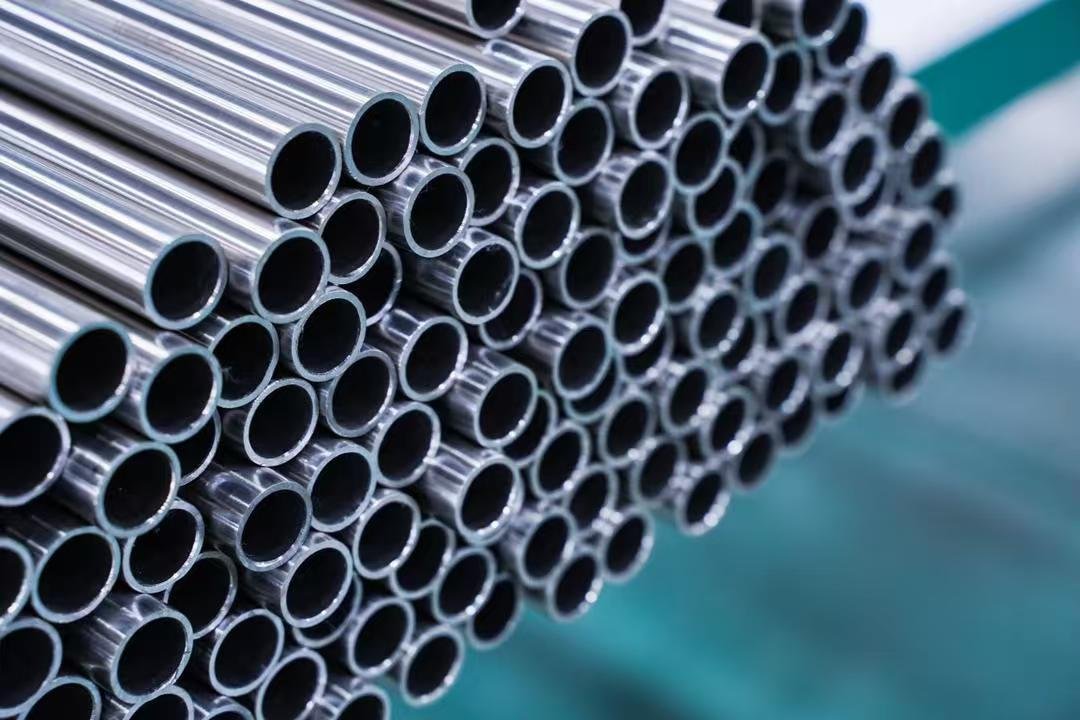
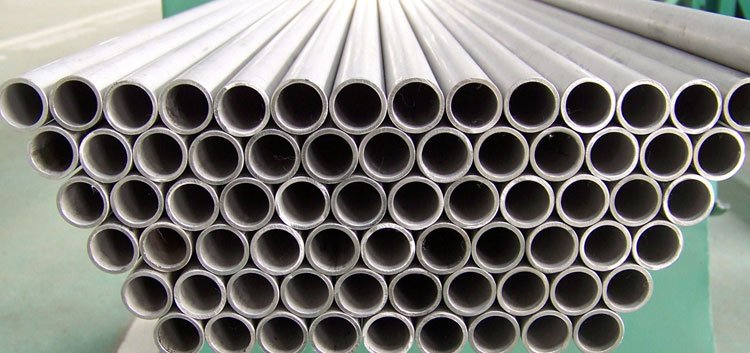
Power plants around the world rely on efficient condenser systems to maximize energy output and minimize downtime. Material choice for condenser tubes directly impacts operating costs and plant reliability. While stainless steel and copper alloys have traditionally been used, titanium pipes (Grade 2, ASTM B338) are increasingly recognized as the most cost-effective solution in the long term. This article evaluates the cost vs performance of titanium pipes compared with conventional alternatives.


2. Why Titanium Pipes Are Used in Condensers

  • Corrosion Resistance: Titanium resists pitting, crevice corrosion, and chloride stress cracking in seawater cooling systems.
  • Extended Lifespan: Service life of 20–30 years compared to 5–10 years for stainless steel and 10–15 years for copper alloys.
  • Low Maintenance: Fewer shutdowns for replacement, reduced cleaning and inspection costs.
  • High Strength-to-Weight Ratio: Lightweight yet durable, reducing mechanical stress on systems.

Reference: Titanium Applications – Wikipedia.


3. Cost vs Performance Analysis

MaterialInitial CostService LifeCorrosion ResistanceMaintenance FrequencyLifecycle Cost
Titanium GR2High20–30 yearsExcellent (seawater & brine)Very LowLowest
Stainless Steel 316LLow5–10 yearsModerate (risk of pitting)HighHigh
Copper-Nickel 90/10Medium10–15 yearsGoodMediumMedium

Key Takeaway: Although titanium pipes have a higher upfront cost, their long service life and minimal maintenance make them the most economical option for power plant condensers in the long run.


4. Case Studies in Power Plant Applications

  • Middle East Power Stations: Titanium GR2 tubes installed in seawater-cooled condensers have operated reliably for over 20 years with no major replacement.
  • Asian Coastal Power Plants: Switched from Cu-Ni tubes to titanium to solve frequent leakage issues caused by biofouling and chloride corrosion.
  • Nuclear Power Plants: Titanium used in condenser systems due to its radiation resistance and long-term stability.

5. Standards for Titanium Condenser Tubes

  • ASTM B338: Seamless and welded titanium tubes for condensers and heat exchangers.
  • Grades: GR2 and GR12 are the most common for seawater cooling applications.
  • Certifications: EN 10204 3.1/3.2, PED, ASME Section III (for nuclear applications).

6. DLSS Titanium Pipe Supply Advantages

At DLSS, we supply Titanium GR2 condenser tubes with:

  • Full compliance with ASTM B338 and PED certification.
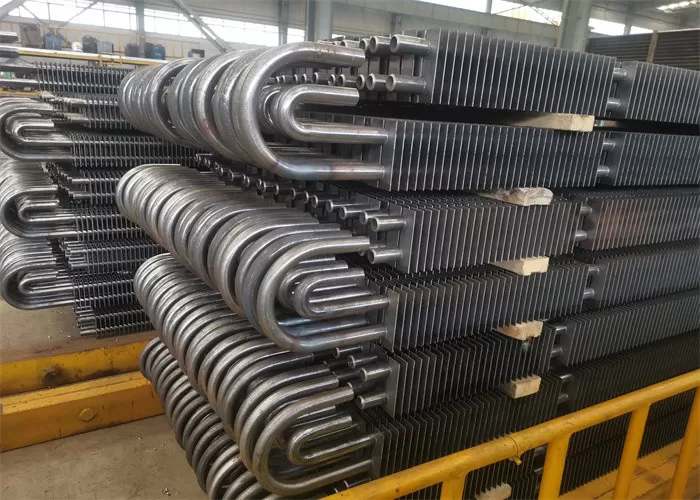
  • Straight lengths, U-bend tubes, and custom dimensions.
  • Third-party inspection: TÜV, DNV, LR, ABS.
  • Proven supply track record for power plants and desalination projects.
  • Export packaging with seaworthy wooden crates, capped ends, anti-corrosion coating.

7. Conclusion & Call to Action

Although titanium pipes require higher initial investment, their superior performance, extended service life, and lifecycle savings make them the most cost-effective choice for power plant condensers. For EPC contractors and power utilities seeking long-term reliability, titanium is the clear winner.

Contact DLSS for titanium condenser tubes tailored to your project.
info@dlsspipe.com | www.dlsspipeline.com

Wonderful! Share This Case:

Austenitic Stainless Steel

Duplex Stainless Steel

Nickel Alloys

▪ Incoloy Family

▪ Inconel Family

▪ Monel Family

▪ Hastelloy Family

▪ Other Special Alloys

Cobalt Alloys

Related Posts

5 Common Causes of Tube

Heat exchanger tube failure can lead to system shutdowns, costly repairs, and even safety risks. Understanding the causes can help prevent future problems. In this article, we’ll cover the 5 most common reasons tubes fail—and how choosing the right materials and surface treatment can make all the difference. 1. Pitting and Crevice Corrosion Often caused […]

Read More
Choosing the Right Pipe Materials for the Oil & Gas Industry

Guía para Seleccionar Tuberías de

Meta descripción:¿Necesita tuberías confiables para calentadores, intercambiadores o calderas en refinerías latinoamericanas? Descubra qué materiales ofrecen la mejor resistencia a la corrosión y al calor para aplicaciones críticas. Introducción En América del Sur, países como Argentina, Brasil, Chile y Perú están modernizando sus refinerías para cumplir con nuevas demandas energéticas y ambientales.Estos proyectos requieren tuberías […]

Read More
How to Read a Stainless Steel Tube Mill Test Certificate (MTC)

How to Read a Stainless

Meta Description:Understand how to interpret a stainless steel tube Mill Test Certificate (MTC). Learn what each section means, how to verify compliance, and why it matters for project quality and traceability. Introduction When sourcing stainless steel tubes for critical applications, the Mill Test Certificate (MTC) is more than a formality — it’s your proof of […]

Read More
Why NACE MR0175 & ISO 15156 Matter When Sourcing Tubes for Sour Service

Why NACE MR0175 & ISO

Meta Description:Learn why compliance with NACE MR0175 / ISO 15156 is essential when selecting stainless steel or alloy tubes for sour gas environments. Understand testing, materials selection, and DLSS compliance offerings. Introduction In oil and gas applications—especially those involving sour service environments with hydrogen sulfide (H₂S)—selecting the wrong material can lead to catastrophic failure. To […]

Read More

How to Ensure NACE MR0175

Meta Description:Discover how to meet NACE MR0175/ISO 15156 compliance when sourcing stainless steel seamless tubes for sour service. Learn about materials, testing, certifications, and supplier selection. Introduction Sour gas environments—containing hydrogen sulfide (H₂S)—pose one of the greatest challenges for stainless steel tubes in the oil and gas industry. The presence of H₂S increases the risk […]

Read More
What is a Finned Tube and How It Improves Heat Exchanger Efficiency

What is a Finned Tube

Finned tubes are a specialized type of heat transfer component designed to increase the surface area available for heat exchange between fluids. By adding extended surfaces or “fins” to the tube’s exterior, these components can significantly improve the efficiency of heat exchangers, making them ideal for applications where space is limited, or higher heat transfer […]

Read More
Top 10 Materials Used in Industrial Pipeline Engineering

Top 10 Materials Used in

Meta Description:Explore the 10 most common materials used in pipeline engineering, from stainless steel and carbon steel to exotic alloys. Understand their pros, cons, and applications across industries. Introduction Choosing the right material is one of the most critical decisions in pipeline engineering. The material affects not only the strength, corrosion resistance, and temperature tolerance […]

Read More
Nickel Alloy 625 vs 825: Choosing the Right Pipe for Chemical and Offshore Projects

Nickel Alloy 625 vs 825:

1. Introduction When it comes to critical piping systems in chemical plants, refineries, and offshore projects, material selection plays a decisive role in long-term reliability. Two of the most widely specified options are Nickel Alloy 625 pipes and Incoloy 825 tubes. Although both are high-performance alloys with excellent corrosion resistance, their properties and cost-performance profiles […]

Read More

Request A Quote

*We respect your confidentiality and all information are protected.