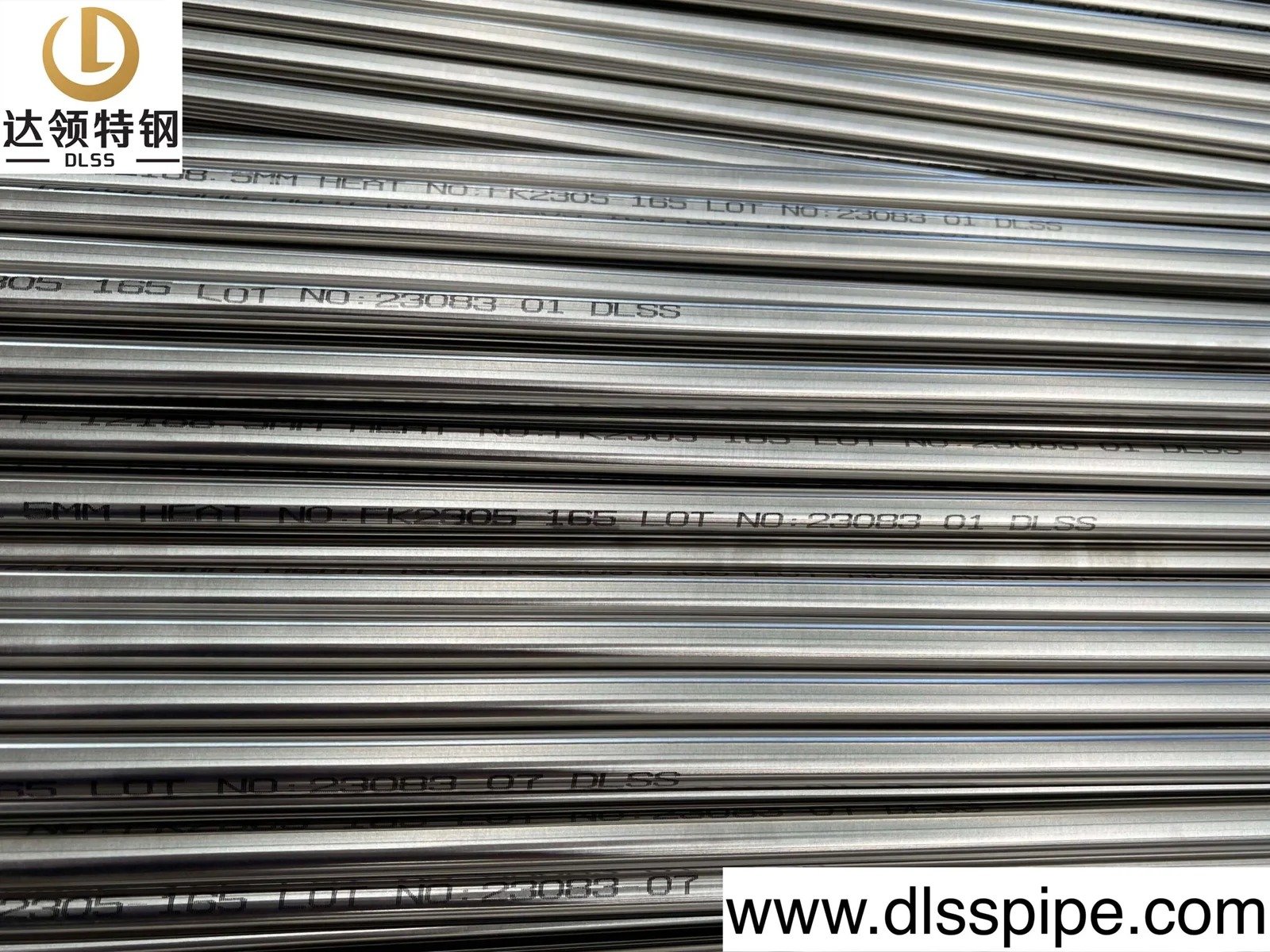
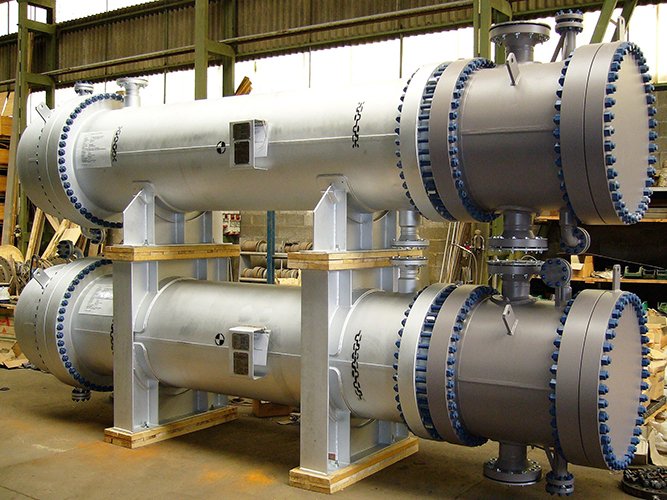
Super Duplex Seamless Tubes (SA789 S32205) for Long-Length Heat Exchangers

DLSS - Pipe&Tube - Super Duplex Seamless Tubes (SA789 S32205) for Long-Length Heat Exchangers

Introduction

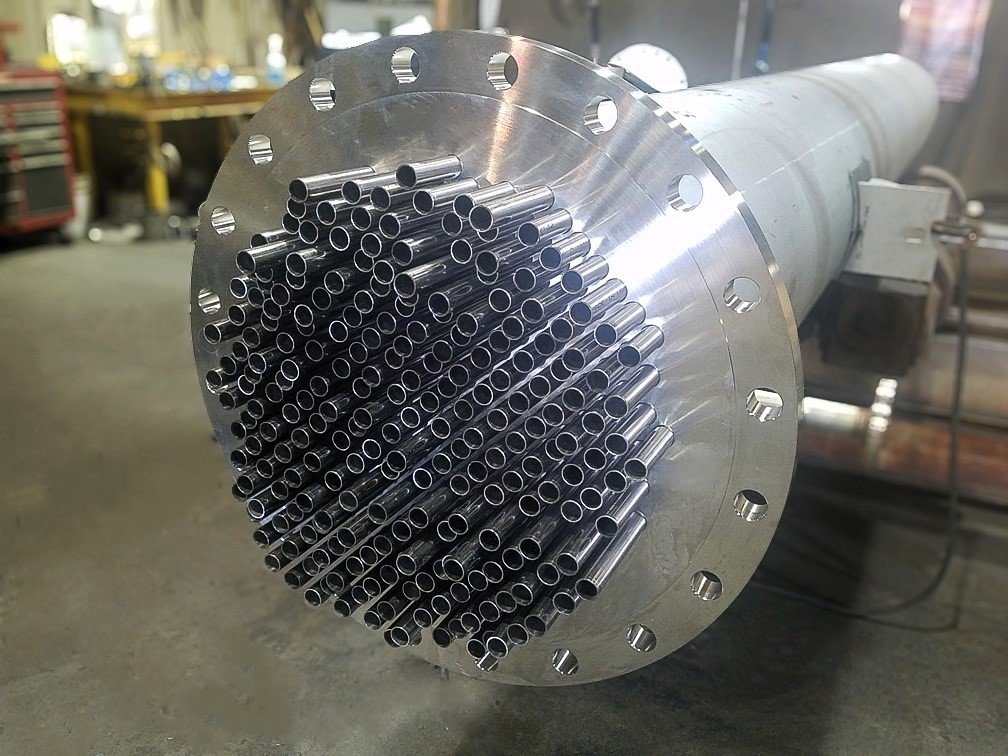
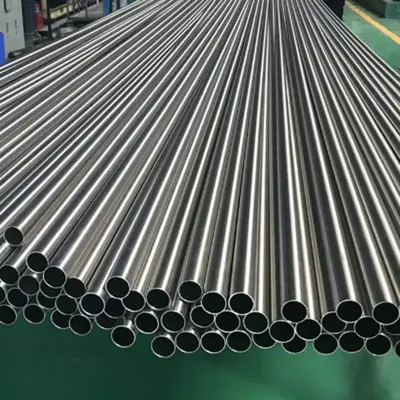
Heat exchangers operating in corrosive and high-pressure environments require tube materials with superior mechanical properties and corrosion resistance. One typical customer requirement highlights the importance of super duplex seamless tubes (SA789 S32205) in long-length applications. With outside diameters of 25.4 mm, thin wall thickness, and lengths exceeding 18 meters, these tubes represent a challenging yet essential solution for modern heat exchanger design.


Customer Requirement Example

A customer recently outlined the following specification for seamless duplex tubes:

  • Material: ASME SA789 S32205 Duplex (Super Duplex grade)
  • Outside Diameter (OD): 25.4 mm
  • Minimum Wall Thickness: 0.9 mm
  • Tube Length: 18,290 mm
  • Quantity: 4,600 pieces

This configuration demonstrates a focus on extended tube lengths with thin walls, aiming to improve efficiency while minimizing welding joints inside tube bundles.
Why Alloy C-276 Pipes are Essential for Acid Processing Industries

Why Super Duplex S32205?

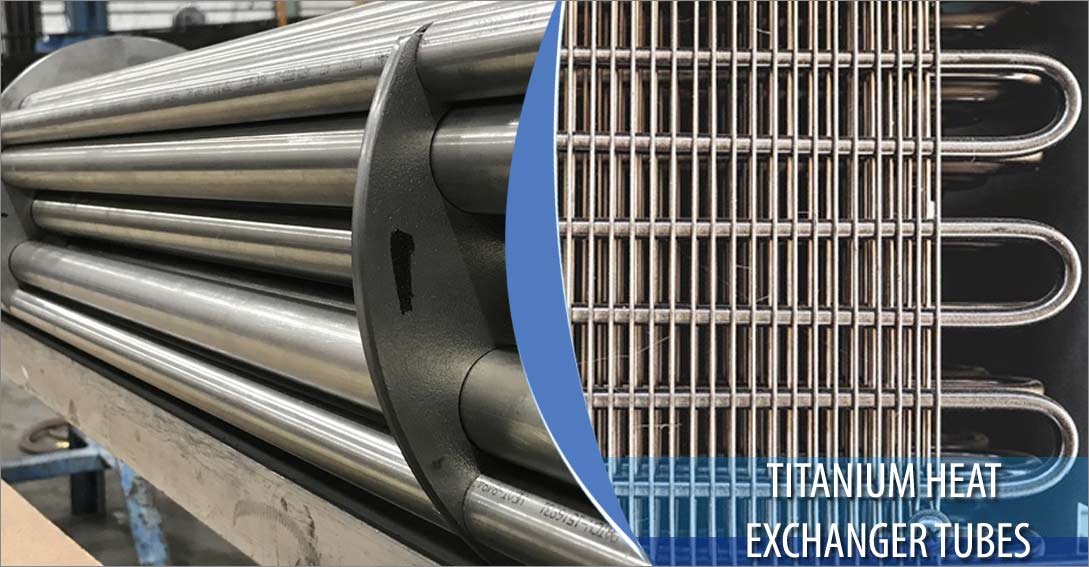
Super Duplex stainless steel S32205 is a preferred choice for high-performance heat exchanger tubes due to its unique balance of strength and corrosion resistance.

  • High Corrosion Resistance: PREN (Pitting Resistance Equivalent Number) above 35 ensures protection against pitting and crevice corrosion.
  • Strength Advantage: Nearly twice the yield strength of standard austenitic stainless steels, allowing thinner walls without compromising safety.
  • Stress Corrosion Cracking Resistance: Particularly effective in chloride-rich environments such as seawater cooling or geothermal brine applications.
  • Extended Lifespan: Long-term reliability reduces maintenance costs and downtime.

Technical Challenges in Long-Length Seamless Tubes

Producing tubes with 0.9 mm wall thickness and over 18 meters length is technically demanding:

  • Straightness Control: Ensuring the tube maintains straight alignment over long lengths to fit into precise heat exchanger tube sheets.
  • Thin-Wall Strength: Preventing collapse or ovality during cold drawing and heat treatment.
  • Surface Quality: Maintaining smooth inner and outer surfaces for optimal heat transfer and reduced fouling.
  • Packaging & Handling: Protecting long tubes during shipping requires reinforced wooden crates, internal capping, and often nitrogen purging.
Nickel 200 and Nickel 201 Seamless Tubes: Properties, Applications, and Selection Guide

DLSS Manufacturing Solutions

DLSS provides engineering-grade solutions to address these challenges:

  • Cold Drawing Precision: Advanced processes maintain tight tolerances for OD, wall thickness, and straightness.
  • Bright Annealing & Solution Heat Treatment: Restores corrosion resistance and refines microstructure.
  • Full QA Documentation:
    • EN 10204 3.1 certificates (optionally 3.2 with third-party inspection)
    • 100% Eddy Current & Hydrostatic Testing
    • PMI (Positive Material Identification) for every batch
    • Complete ITP (Inspection and Test Plan) dossier
  • Surface & Packaging: Acid pickling/passivation, optional bright finish, capped ends, nitrogen purging, and seaworthy export packaging.

Applications of Super Duplex Seamless Tubes

The versatility of super duplex seamless tubes makes them indispensable across multiple sectors:

  • Heat Exchangers in Petrochemical Plants
  • Seawater-Cooled Condensers
  • Geothermal Energy Systems
  • Offshore Oil & Gas Facilities
  • Power Plant Condensers and Coolers

By reducing welds and ensuring long, seamless lengths, operators achieve improved reliability, reduced leak risks, and extended operational cycles.

Conclusion – A Reliable Partner for Long-Length Tube Supply

This customer requirement demonstrates the growing demand for super duplex seamless tubes with long lengths and thin walls in heat exchanger applications. DLSS specializes in delivering precision-engineered duplex and super duplex tubes, backed by rigorous testing, traceability, and international project experience.

For inquiries, contact us at info@dlsspipe.com or visit www.dlsspipeline.com to learn how DLSS can support your next project with high-performance tubing solutions.

Wonderful! Share This Case:

Austenitic Stainless Steel

Duplex Stainless Steel

Nickel Alloys

▪ Incoloy Family

▪ Inconel Family

▪ Monel Family

▪ Hastelloy Family

▪ Other Special Alloys

Cobalt Alloys

Related Posts

Common Condenser Coil

1. Why Your Condenser Coil Matters for AC Performance The condenser coil is the component in your outdoor air conditioning unit that releases indoor heat to the environment. When clogged or damaged, your AC system can’t cool effectively, leading to high energy bills, system strain, and premature breakdown. 2. Top 5 Common Condenser...

Read More
Corrosion-Resistant Heat Exchanger Tubes: When to Choose Titanium and Nickel Alloys

Corrosion-Resistant Heat Exchanger

In highly corrosive environments—such as seawater cooling, chemical processing, and offshore oil and gas—traditional stainless steel may not offer sufficient durability. Selecting the right material for heat exchanger tubes in these conditions is crucial for ensuring long service life, process safety, and reduced maintenance costs. This article explores two high-performance...

Read More
Selecting Stainless Steel Tubes for Food, Beverage & Sanitary Applications (2025 Guide)

Selecting Stainless Steel

Why Sanitary Tubing Matters in Food and Beverage Systems In the food and beverage industry, stainless steel tubing is not just about mechanical performance—it’s about hygiene, cleanliness, and compliance. Tubes are used to transport milk, beer, juice, water, or cleaning agents in systems that demand zero contamination, excellent cleanability, and...

Read More
New Growth Frontiers: Latin America’s Stainless Steel Tube Market in Energy and Industry

New Growth Frontiers:

Latin America (LATAM) is becoming an increasingly important region for stainless steel seamless tube suppliers—especially in the energy, mining, petrochemical, and food sectors. Countries like Brazil, Mexico, Argentina, and Chile are actively investing in infrastructure modernization, oil & gas projects, and renewable energy systems, all of which require heat exchangers,...

Read More
Nickel Alloy Steel Seamless Pipes and Tubes: Industrial Advantages and Applications

Alloy Steel Heat

Introduction In high-temperature environments such as boilers, power plants, and petrochemical heat exchangers, alloy steel tubes are indispensable. One common choice is ASTM A199 T11, a Cr-Mo alloy steel that provides excellent creep resistance, mechanical strength, and durability. Recently, a customer requirement for T11 cold drawn tubes offers a valuable...

Read More
Seamless vs Welded Stainless Steel Pipes: Which Is More Reliable in 2025?

Seamless vs Welded

Introduction When selecting stainless steel pipes for high-stakes projects—whether in oil & gas, chemical processing, or heat exchanger systems—one key decision is: Should I choose seamless or welded pipe? With evolving quality standards and application-specific demands, this comparison remains a hot topic in 2025.In this article, we explore the structural,...

Read More
Corrosion Resistance in Marine Applications: Stainless Tubes for Japan(海洋用途における耐食性:日本向けステンレスチューブ)

Corrosion Resistance in

1. Introduction Japan, an island nation surrounded by seawater, faces constant challenges from 塩化物腐食 (chloride corrosion) in its marine industries. Stainless steel tubes with high corrosion resistance are essential in 海水淡水化プラント (seawater desalination plants), offshore oil & gas facilities, and shipbuilding. DLSS specializes in supplying marine corrosion resistant tube Japan...

Read More
How to Improve Heat Exchanger Efficiency: Practical Tips for Better Heat Transfer Performance

How to Improve

Heat exchanger efficiency is important for chemical plants, refineries, power plants, marine systems, HVAC systems, food processing lines, and heat recovery projects. When a heat exchanger does not perform well, the result may be higher energy consumption, unstable outlet temperature, increased pressure drop, frequent cleaning, leakage, or unexpected downtime. Improving...

Read More

Request A Quote

*We respect your confidentiality and all information are protected.