Reliable Stainless Steel Tubes for the Shipbuilding Industry

DLSS - Shipbuilding Industry - Reliable Stainless Steel Tubes for the Shipbuilding Industry

The shipbuilding industry continues to grow, with China, South Korea, and Japan accounting for nearly 90% of global ship output in 2023. As vessels are exposed to seawater corrosion, high pressure, and strict IMO environmental standards, the demand for corrosion-resistant stainless steel tubes and copper-nickel alloy pipes has never been higher.

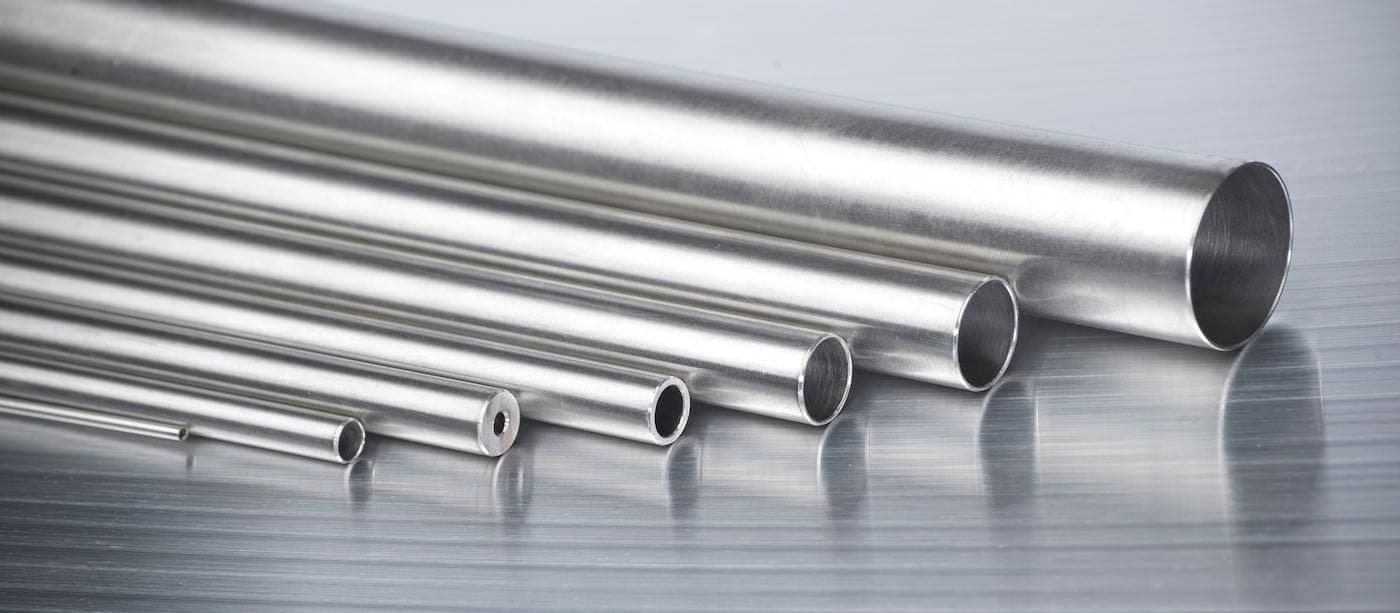
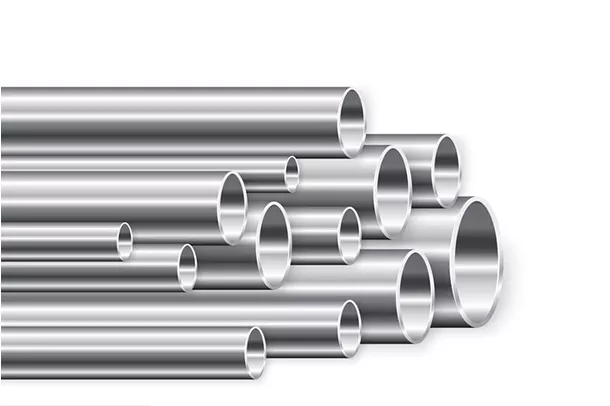
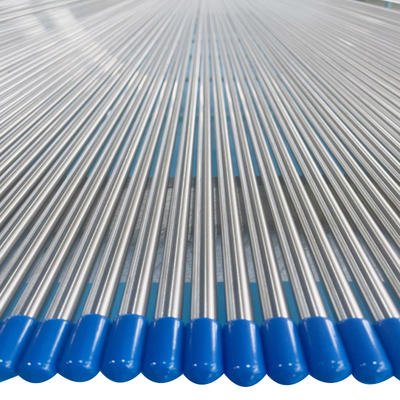
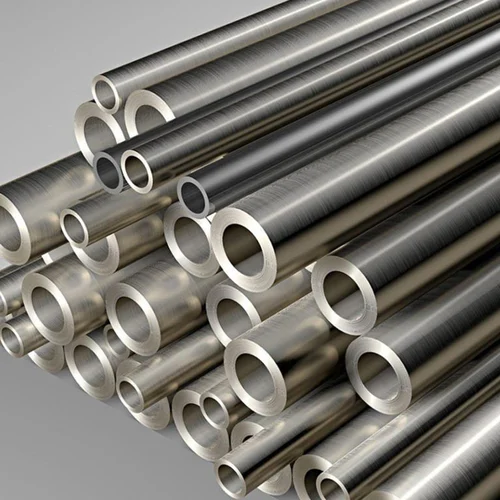
At DLSS, we specialize in stainless steel tubes for shipbuilding, seamless marine pipes, and copper-nickel tubes for seawater systems, designed to meet the needs of global shipyards.


Material Comparison for Shipbuilding Pipes

To highlight why stainless steel and copper-nickel alloys are widely used in shipyards, here is a technical comparison of three major materials:

PropertyCarbon SteelStainless Steel (304/316)Copper-Nickel Alloy (90/10, 70/30)
Corrosion Resistance (Seawater)Poor – requires coatings, frequent maintenanceGood – resistant to chloride stress corrosion, suitable for seawater applicationsExcellent – outstanding resistance to biofouling and seawater corrosion
Service Life in Marine Environment5–8 years (high maintenance)15–20 years20–25 years
Operating TemperatureUp to ~400°CUp to ~600°CUp to ~400°C
Strength at High PressureMediumHigh – ideal for boilers, condensers, and pressure systemsMedium
Maintenance RequirementsFrequent painting, replacement, higher lifecycle costModerate – stable long-term performanceLow – minimal maintenance needed
Cost (Initial vs Lifecycle)Low initial cost, high long-term costMedium initial cost, balanced lifecycle costHigher initial cost, lowest lifecycle cost
CertificationsLimited marine approvalCertified by ABS, DNV, LR, BVWidely approved by classification societies for seawater systems

Key Applications in Shipyards

1. Heat Exchanger & Condenser Tubes
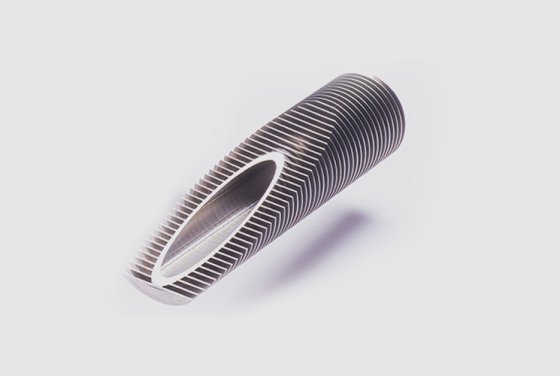
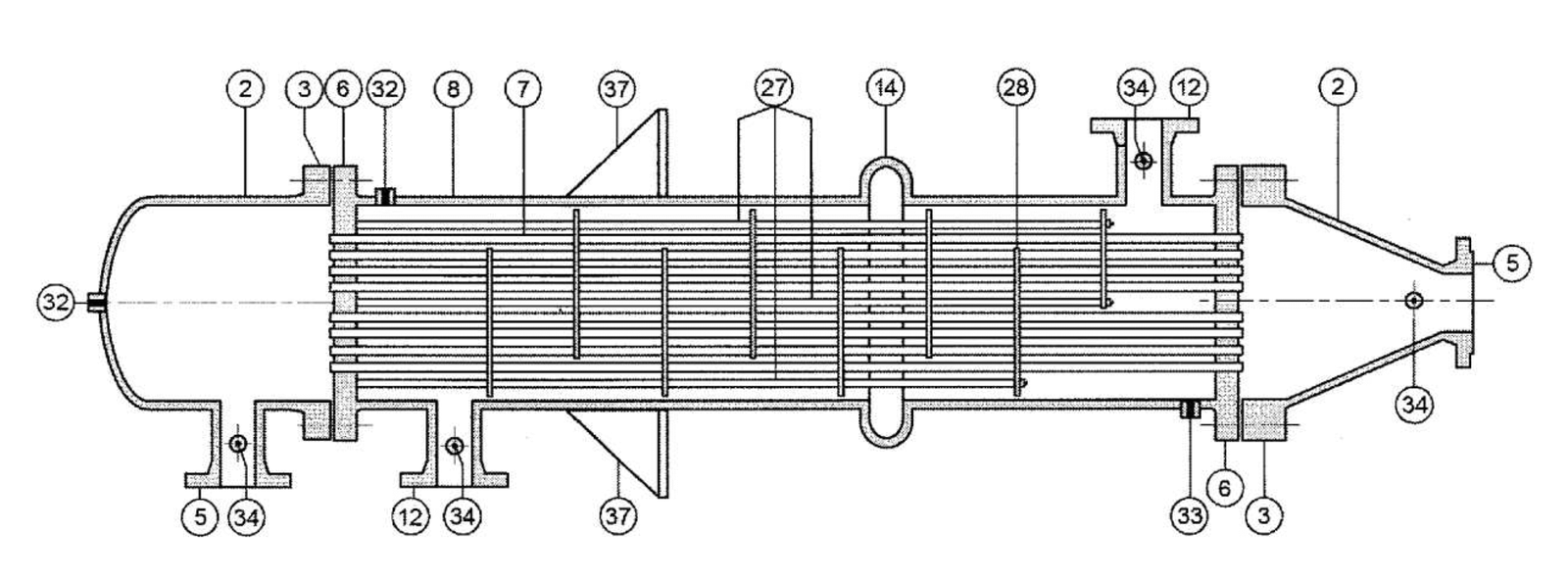
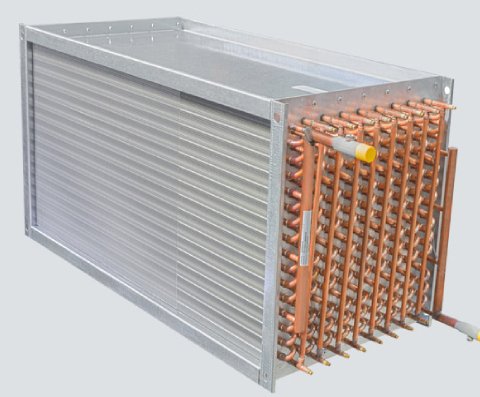
Heat exchangers represent 20–30% of total piping materials in vessel engine rooms. DLSS provides finned tubes and condenser tubes that ensure efficient thermal transfer under harsh seawater conditions.

2. Marine Boilers & Pressure Systems
Marine boilers operate at 6–8 MPa and over 500°C. DLSS supplies high-pressure stainless steel boiler tubes, manufactured to ASME BPVC standards and approved by all major classification societies.

3. Seawater Desalination Units
Cupronickel alloys (90/10, 70/30) extend service life up to 25 years, ensuring reliability in onboard desalination plants.

4. Auxiliary Systems (HVAC, Firefighting, Fuel & Lubrication)
Large vessels typically use 10–15 km of piping, where DLSS supplies marine piping solutions with superior corrosion resistance and long-term durability.


Why Shipyards Choose DLSS

  • 30+ Years of Manufacturing Experience with shipyards and offshore projects.
  • Certified by ABS, DNV, BV, LR, PED (EU Pressure Equipment Directive).
  • Customization: Tubes up to 17.5 m in length, with tolerances of ±0.5% OD and ±7.5% WT.
  • Comprehensive Testing: HT, ET, UT, RT, PMI, and third-party inspections (TPI).
  • Global Reach: Exports to 56+ countries, packaging suitable for sea transport.

Customer Success Story

In 2024, DLSS delivered 12 km of copper-nickel finned tubes to a European LNG shipyard. Despite a tight 45-day lead time, all tubes passed BV inspection and third-party testing. The installed system has achieved 15% higher efficiency compared to traditional carbon steel tubes, extending the vessel’s operating cycle.


Conclusion

The shipbuilding sector is projected to exceed 55 million gross tons by 2026, driving demand for advanced materials. Stainless steel tubes and copper-nickel alloys offer shipyards longer service life, lower maintenance costs, and compliance with IMO environmental regulations.

Looking for corrosion-resistant stainless steel tubes for shipbuilding? Contact DLSS today and explore our marine piping solutions.

Wonderful! Share This Case:

Austenitic Stainless Steel

Duplex Stainless Steel

Nickel Alloys

▪ Incoloy Family

▪ Inconel Family

▪ Monel Family

▪ Hastelloy Family

▪ Other Special Alloys

Cobalt Alloys

Related Posts

Why Japanese Heat Exchanger Manufacturers Prefer TP316L Tubes(日本の熱交換器メーカーがTP316Lチューブを選ぶ理由)

Why Japanese Heat Exchanger Manufacturers

1. Introduction TP316L heat exchanger tube Japan is the top choice for many 日本の熱交換器メーカー (Japanese heat exchanger manufacturers) that require exceptional corrosion resistance, precise dimensions, and long service life. Whether for 海水淡水化プラント (seawater desalination plants), chemical processing, or power generation, TP316L delivers consistent performance in Japan’s demanding industrial environments. 2. Material Properties of TP316L Stainless […]

Read More
Integrated Stainless Steel Piping Solutions for Industrial Projects

Integrated Stainless Steel Piping Solutions

Meta Description:For EPC contractors and system integrators, DLSS offers a one-stop stainless steel piping package: pipes, flanges, fittings, inspection, and global delivery. Introduction In large-scale industrial projects—such as oil refineries, power plants, food processing lines, and chemical facilities—procurement teams often face a key challenge: how to consolidate material supply while ensuring technical compliance and on-time […]

Read More
Shell and Tube Heat Exchanger Design Considerations for Optimal Performance

Shell and Tube Heat Exchanger

1. Introduction – Shell and Tube Heat Exchanger Design A shell and tube heat exchanger is one of the most widely used heat exchanger types in industrial applications due to its versatility, durability, and ability to handle high pressures and temperatures. When planning a new installation or upgrading existing equipment, it is essential to consider […]

Read More
How to Select the Right Stainless Steel Tubes for Heat Exchangers: A Complete Guide for Engineers

How to Select the Right

Choosing the right tubing material is crucial for designing a high-performance heat exchanger. Whether you work in oil & gas, petrochemicals, power generation, food processing, or marine applications, the stainless steel tube you select can significantly impact corrosion resistance, thermal conductivity, and lifecycle cost. In this guide, we explore how to choose the right stainless […]

Read More
avoid steel pipe shipment delays

How to Avoid Delays in

In global trade, on-time delivery is just as critical as product quality. For overseas buyers of stainless steel pipes and tubes, shipment delays can lead to project interruptions, financial losses, and strained client relationships. Understanding the common causes of delays—and how to avoid them—is essential for smooth international transactions. Common Causes of Shipment Delays How […]

Read More
How to Read a Stainless Steel Tube Mill Test Certificate (MTC)

How to Read a Stainless

Meta Description:Understand how to interpret a stainless steel tube Mill Test Certificate (MTC). Learn what each section means, how to verify compliance, and why it matters for project quality and traceability. Introduction When sourcing stainless steel tubes for critical applications, the Mill Test Certificate (MTC) is more than a formality — it’s your proof of […]

Read More
How to Ensure Zero-Defect Delivery of High-Performance Alloy Pipes

How to Ensure Zero-Defect Delivery

1. Introduction For EPC contractors and end-users in desalination, LNG, chemical, and power projects, the reliability of piping systems depends on zero-defect delivery. High-performance alloys such as titanium tubes and nickel alloy pipes (Alloy 625, 825, C-276) are costly and used in critical applications where failure is not an option. This article outlines the key […]

Read More
7 Effective Ways to Prevent Fouling in Heat Exchangers for Long-Term Performance

7 Effective Ways to Prevent

1. Introduction – Prevent Fouling in Heat Exchangers Knowing how to prevent fouling in heat exchangers is essential for maintaining high efficiency and reducing maintenance costs. Fouling occurs when unwanted deposits form on heat transfer surfaces, decreasing thermal performance and increasing operational expenses. Whether you operate a shell and tube heat exchanger in a chemical […]

Read More

Request A Quote

*We respect your confidentiality and all information are protected.