For overseas buyers of stainless steel pipes, tubes, fittings, flanges, and alloy materials, shipment delay is more than a logistics problem. It can affect project installation, plant maintenance, commissioning schedules, and client commitments.
In international steel pipe trade, delay can happen at many stages: specification confirmation, raw material preparation, production, inspection, document review, packing, customs declaration, vessel booking, port operation, and destination clearance.
The best way to reduce delay is not to wait until the goods are ready. It is to control the risk from the RFQ stage.
This guide explains the most common causes of shipment delays in international steel pipe orders and how buyers and suppliers can reduce risk before production and shipment.
Quick Answer
To avoid delays in international steel pipe shipments, buyers and suppliers should confirm five things early:
- Complete technical specification
- Clear inspection and MTC requirements
- Realistic production and testing schedule
- Accurate export and customs documents
- Proper packing, marking, and logistics coordination
For stainless steel and alloy pipe projects, delivery reliability depends on both production control and document control. A finished product cannot be shipped smoothly if the MTC, packing list, commercial invoice, HS code, origin document, or inspection report is incomplete.
Why Steel Pipe Shipments Are Often Delayed
Steel pipe shipments are different from ordinary cargo. They usually involve heavy weight, long length, strict material requirements, project documentation, third-party inspection, and international customs procedures.
Common delay reasons include:
- Incomplete RFQ information
- Unclear material grade or standard
- Late drawing or specification revision
- Raw material shortage
- Production schedule changes
- Failed or repeated inspection
- Late third-party inspection booking
- MTC or document mismatch
- Incorrect packing list or commercial invoice
- HS code or customs declaration issue
- Port congestion or vessel schedule change
- Poor packing or loading preparation
- Import document issues at destination
Some delays are caused by the supplier. Some are caused by the buyer, end user, inspector, freight forwarder, customs broker, or shipping line. The practical solution is to identify the risk early and assign responsibility clearly.
1. Confirm Technical Specifications Before Production
Many delays start before production because the order information is incomplete.
For steel pipe and tube orders, buyers should confirm:
- Product type: pipe, tube, fitting, flange, U-tube, finned tube, or forged component
- Material grade
- UNS / EN / material number, if applicable
- Standard, such as ASTM, ASME, EN, DIN, JIS, or project specification
- Size, wall thickness, length, and quantity
- Seamless or welded requirement
- Heat treatment condition
- Surface finish
- End preparation
- Tolerance requirement
- Application and service condition
- Inspection requirement
- MTC requirement
- Packing requirement
- Delivery term and destination port
A common problem is writing only a simple description such as “stainless steel pipe 316L.” This is not enough for accurate production or delivery planning.
A better RFQ should include the full standard and size, for example:
ASTM A312 TP316L seamless pipe, OD 168.3 mm x SCH 40S x 6000 mm, pickled surface, EN 10204 3.1 MTC, seaworthy wooden case packing.
The more complete the specification is, the lower the risk of quotation mistakes, production changes, and shipment delays.
2. Confirm Inspection Requirements Early
Inspection is one of the biggest causes of delay in industrial pipe shipments.
Many projects require:
- Visual inspection
- Dimensional inspection
- PMI
- Hydrostatic test
- Eddy current test
- Ultrasonic test
- Flattening test
- Flaring test
- Hardness test
- Surface roughness test
- Third-party inspection
- EN 10204 3.1 or 3.2 certificate
If these requirements are confirmed only after production, the schedule may be affected.
For example, EN 10204 3.2 certification or third-party witness inspection should be arranged before the agreed inspection stage. If the buyer requests third-party inspection only after the goods are packed, the supplier may need to unpack, re-check, or repeat testing.
To avoid this problem, buyers should confirm the Inspection and Test Plan before production.
The RFQ can state:
“Please confirm the inspection scope, MTC type, third-party inspection requirement, witness points, hold points, and final document list before production.”
3. Review MTC and Documents Before Shipment
For international steel pipe shipments, documents are part of the product.
Even if the physical pipes are ready, shipment can still be delayed if the documents are wrong or incomplete.
Before shipment, buyers should check:
- MTC
- Commercial invoice
- Packing list
- Certificate of origin, if required
- Bill of lading draft
- Insurance certificate, if required
- Inspection report
- NDT report
- PMI report
- Hydrostatic test report
- Third-party inspection certificate
- Mill certificate consistency
- Heat number traceability
- Shipping marks
The most important point is consistency.
The material grade, standard, size, quantity, weight, heat number, PO number, shipping marks, and consignee information should match across all documents.
If the commercial invoice says one description, the packing list says another description, and the MTC uses a different material name, customs or the buyer’s internal document review may raise questions.
A document review before shipment can prevent unnecessary clearance delay.
4. Use Clear Commercial Invoice and Packing List Details
The commercial invoice and packing list are critical for customs clearance.
For steel pipe shipments, the commercial invoice should clearly show:
- Seller and buyer information
- Invoice number and date
- PO number
- Product description
- Material grade
- Standard
- Size
- Quantity
- Unit price and total value
- Currency
- Incoterms
- Country of origin
- HS code, if agreed
- Gross weight and net weight
- Package quantity
- Destination port or place
The packing list should clearly show:
- Package number
- Product description
- Size
- Quantity per package
- Net weight
- Gross weight
- Package dimensions
- Shipping marks
- Heat number, if required
- Total packages
For long tubes, heavy pipes, or mixed-size shipments, packing details must be especially clear. Incorrect package quantity, wrong weight, unclear product description, or inconsistent marks can cause problems during customs clearance and destination unloading.
5. Arrange Third-Party Inspection in Advance
Third-party inspection is common for oil and gas, petrochemical, power plant, shipbuilding, heat exchanger, and EPC projects.
Common inspection agencies include SGS, BV, TÜV, LR, ABS, DNV, and others, depending on the project requirement.
To avoid delay, buyers should confirm:
- Which inspection agency is required
- Whether inspection is mandatory
- Whether inspection is before production, during production, or before shipment
- Which tests require witness
- Whether 3.2 certificate is required
- Who pays inspection cost
- How many days are needed for inspector booking
- Whether the inspector needs original documents before visiting
If the inspector is booked too late, the goods may wait in the factory even after production is finished.
For urgent projects, the inspection schedule should be arranged as soon as the production completion date is clear.
6. Control Packing Before Shipment
Good packing is necessary for long-distance steel pipe shipments.
Stainless steel pipes and tubes can be damaged by:
- Surface scratches
- Moisture
- Salt exposure
- Deformation
- Poor bundling
- Mixed heat numbers
- Missing end protection
- Weak wooden cases
- Rough loading and unloading
Packing should be selected based on product type.
Examples:
- Long stainless steel tubes may need strong wooden cases or bundled protection.
- Bright annealed tubes may need plastic sleeve, end caps, and clean packing.
- U-tubes need extra protection against deformation.
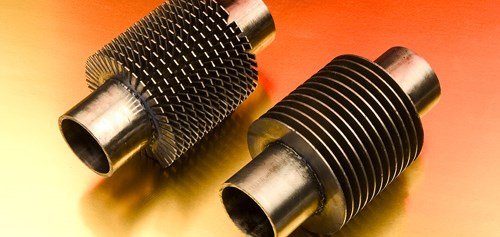
- Finned tubes need protection for fin height and fin shape.
- Heavy pipes may need steel frame or reinforced packing.
- Export wooden cases may need fumigation or non-solid wood certificate depending on destination requirements.
Packing should be confirmed before production is completed, not after the goods are ready.
7. Confirm Incoterms and Responsibility Clearly
Shipment delay can also happen because buyer and seller have different understanding of responsibilities.
Before shipment, both sides should confirm the trade term, such as FOB, CFR, CIF, FCA, DAP, or DDP.
The Incoterms should match the actual logistics arrangement.
Key questions include:
- Who books the vessel?
- Who handles export customs?
- Who buys insurance?
- Who pays destination charges?
- Who handles import customs clearance?
- Where does risk transfer?
- Who provides the required documents?
- Who contacts the forwarder?
- Who confirms the bill of lading draft?
If responsibilities are not clear, shipment can be delayed even when the goods are ready.
For steel pipe export orders, the PO and invoice should show the Incoterms and named port or place clearly.
8. Book Vessel Space Early for Long or Heavy Cargo
Steel pipes and tubes are often heavy, long, or difficult to load. Some cargo may need special container loading, open-top container, flat rack, breakbulk, or special handling.
For urgent orders, vessel booking should not wait until the last day.
Buyers and suppliers should confirm:
- Cargo dimensions
- Package weight
- Total gross weight
- Container type
- Loading method
- Port cut-off date
- Vessel schedule
- Transit time
- Destination free time
- Whether transshipment is involved
- Whether special equipment is required
During peak shipping seasons or port congestion, booking space may take longer. For long tubes, heavy packages, or non-standard packing, early coordination with the freight forwarder is important.
9. How DLSS Reduces Shipment Delay Risk
DLSS supplies stainless steel pipes, seamless tubes, welded tubes, heat exchanger tubes, U-tubes, finned tubes, fittings, flanges, duplex stainless steel, super duplex stainless steel, nickel alloy, titanium, and copper alloy materials for global industrial projects.
To reduce shipment delay risk, DLSS controls the order process from specification review to final shipment.
Our support includes:
- Technical specification review before quotation
- Material grade and standard confirmation
- Production schedule planning
- Inspection and test requirement review
- MTC and document preparation
- Third-party inspection coordination when required
- Packing method confirmation
- Shipping mark and packing list review
- Export customs document support
- Forwarder coordination before shipment
For urgent projects, DLSS also helps buyers review which requirements may affect delivery time, such as special material availability, third-party inspection, 3.2 certification, surface finish, U-bending, special packing, or non-standard length.
Our goal is to reduce preventable delay and help buyers receive correct material with complete documents.
Common Mistakes Buyers Should Avoid
Mistake 1: Sending an Incomplete RFQ
An incomplete RFQ often leads to repeated clarification, wrong quotation, or production revision.
Mistake 2: Confirming Inspection Too Late
Third-party inspection, 3.2 certificate, NDT, PMI, or special test requirements should be confirmed before production.
Mistake 3: Ignoring Document Consistency
The MTC, invoice, packing list, inspection report, and shipping marks must be consistent. Document mismatch can delay customs clearance or final acceptance.
Mistake 4: Choosing Packing Only by Price
Poor packing can cause surface damage, deformation, moisture problems, or unloading difficulties.
Mistake 5: Not Confirming Incoterms
The buyer and seller should clearly confirm who handles freight booking, insurance, export customs, import customs, destination charges, and document submission.
FAQ
What is the most common cause of steel pipe shipment delays?
Common causes include incomplete specifications, late inspection requirements, document mismatch, customs clearance issues, packing problems, and vessel schedule changes.
How can buyers avoid customs clearance delays?
Buyers should make sure commercial invoice, packing list, MTC, certificate of origin, HS code, product description, weight, quantity, and shipping marks are accurate and consistent.
When should third-party inspection be arranged?
Third-party inspection should be confirmed before production or before the agreed inspection stage. Late booking may delay shipment.
Why is packing important for stainless steel pipe shipments?
Packing protects pipes and tubes from scratches, deformation, moisture, contamination, and loading damage during long-distance transportation.
What documents are usually needed for international steel pipe shipments?
Common documents include commercial invoice, packing list, MTC, bill of lading, certificate of origin, inspection report, NDT report, PMI report, and third-party certificate if required.
What should I send to DLSS for a reliable delivery plan?
Please send material grade, standard, size, quantity, application, inspection requirement, MTC requirement, packing requirement, destination port, Incoterms, and required delivery time.
Conclusion
Shipment delays in international steel pipe trade are usually preventable when the buyer and supplier control the process early.
The key is not only fast production. It is clear specification, realistic schedule, early inspection planning, accurate documents, proper packing, correct Incoterms, and close logistics coordination.
DLSS supports global buyers with stainless steel pipes, heat exchanger tubes, U-tubes, finned tubes, fittings, flanges, duplex, super duplex, nickel alloy, titanium, and copper alloy materials. If your project has a strict delivery schedule, our team can help review the specification, inspection scope, documents, packing method, and shipment plan before production.