Stainless Steel Seamless Pipes for Mining and Metallurgy Projects in South America

DLSS - Pipe&Tube - Stainless Steel Seamless Pipes for Mining and Metallurgy Projects in South America

Introduction

South America is home to some of the world’s most significant mining and metallurgical hubs, particularly in Chile, Peru, and Brazil. With growing global demand for copper, lithium, iron ore, and rare earth elements, mining facilities are expanding—driving up the need for durable, corrosion-resistant piping systems.

DLSS supports this demand with high-performance stainless steel seamless tubes tailored for acidic, high-temperature, high-pressure mining environments.


1. Why Stainless Steel Seamless Pipes in Mining?

  • Withstand abrasive slurries, acid leaching, and high-pressure slurry transport
  • Ideal for underground dewatering, solvent extraction systems, and hydrometallurgical processing
  • Resistant to H₂SO₄, HCl, and chloride-induced pitting

View corrosion resistance comparison data on Outokumpu’s stainless steel guide


2. Popular Grades for Mining Applications

GradeUse Case ExampleStrengths
316L / 316TiAcid leach piping, dewatering linesExcellent corrosion resistance
317LHigh-chloride solution transportBetter pitting resistance than 316L
Duplex 2205Tailings transport pipelinesHigh mechanical strength + SCC resistance
Super Duplex 2507Heap leaching, pressure systemsUltimate strength + corrosion resistance
Alloy 904LSolvent extraction (SX/EW) systemsAcid resistance (sulfuric, phosphoric)

We also provide customized TP304L, S31803, C276, and other alloys based on client needs.


3. Typical Applications in South American Projects

CountrySectorDLSS Product Use Case
ChileCopper miningSolvent extraction piping, SX plants
PeruLithium & goldHigh-purity solution loops, CIP lines
BrazilIron ore processingAcid-resistant pipe networks, waste treatment
BoliviaRare earth elementsPressure lines, neutralization system tubing

4. DLSS Technical & Export Advantages

  • EN 10204 3.1 / 3.2 MTC
  • Third-party inspection (SGS, TÜV, BV)
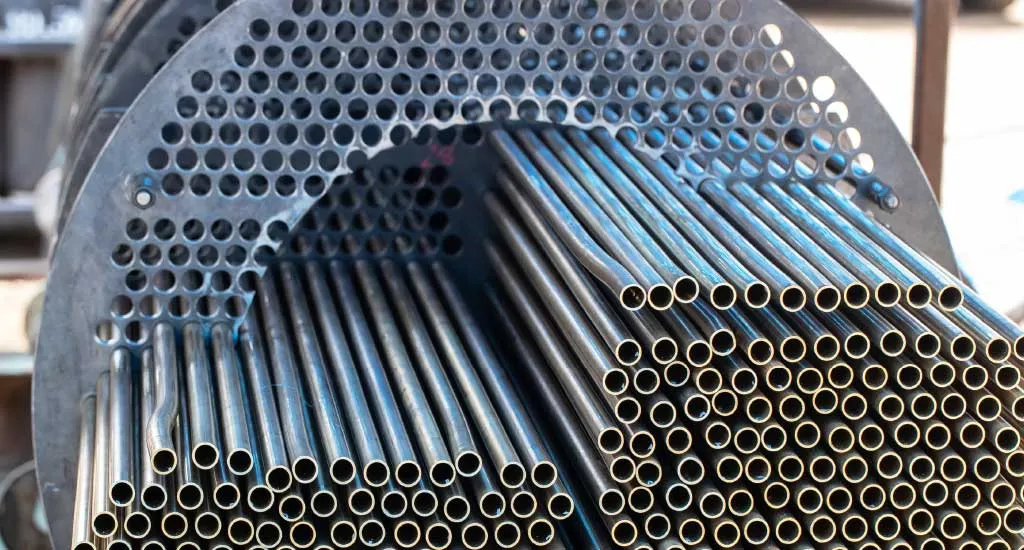
  • U-bent tube for process exchangers
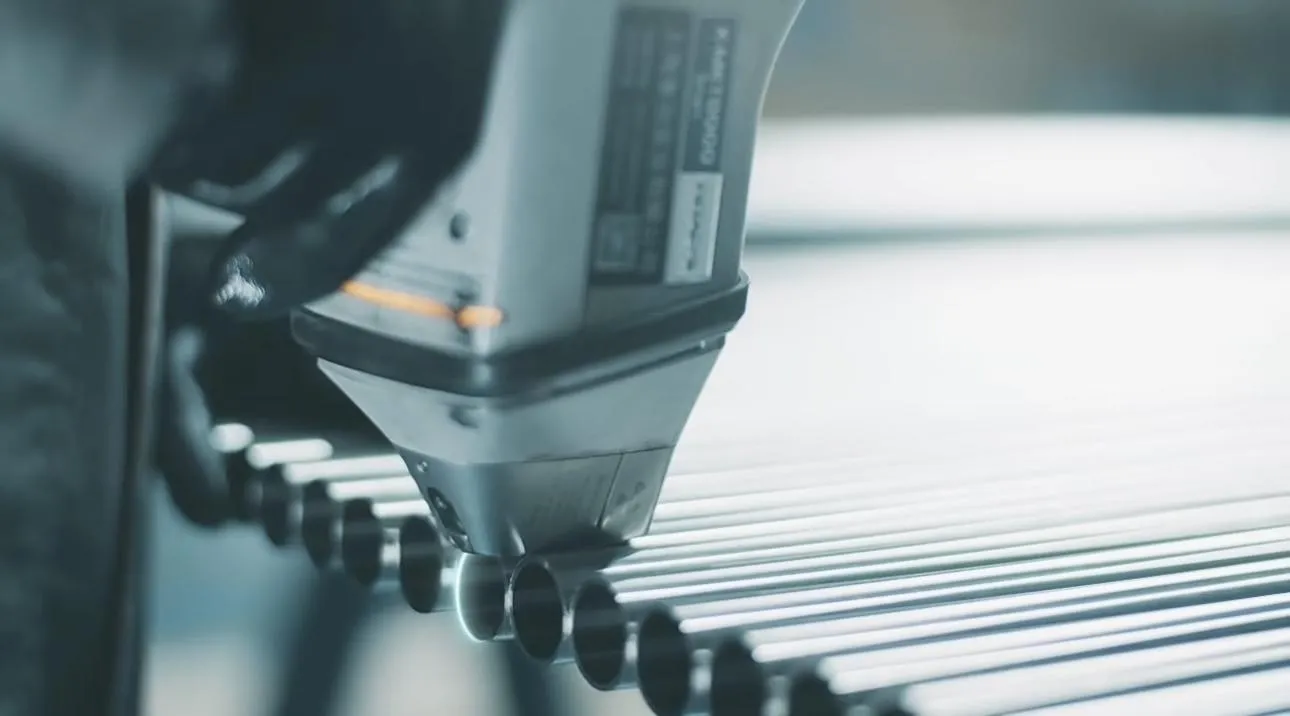
  • PMI, UT, Hydro, EC & flattening test reports
  • Packaging with PE wrap + seaworthy wooden crates
  • Spanish bilingual documentation for customs clearance

Get more detail about EN and ASTM steel pipe standards


Frequently Asked Questions (FAQ)

Q1: What’s the best grade for H₂SO₄ acid environments in copper mining?
Grade 904L or Super Duplex 2507 performs best under sulfuric acid exposure at elevated temperatures.

Q2: Can DLSS supply thick-wall pipes for high-pressure slurry lines?
Yes. We offer customized SCH80, SCH160, and XXS wall thicknesses, with OD up to 114.3 mm and length up to 12m.

Q3: What’s the export lead time to Chile or Peru?
Standard production takes 3–5 weeks. Shipping to Callao (Peru) or San Antonio (Chile) typically takes 30–40 days.

Q4: Is it possible to inspect pipes before shipment?
Absolutely. We welcome third-party onsite or video inspection, and provide full reports including PMI and hydro tests.


Conclusion

Mining and metallurgy demand piping systems that perform under stress—mechanical, chemical, and environmental.
DLSS delivers the reliability, material traceability, and support required for South America’s most demanding mineral operations.


Contact DLSS
Email: info@dlsspipe.com
Website: www.dlsspipeline.com

Wonderful! Share This Case:

Austenitic Stainless Steel

Duplex Stainless Steel

Nickel Alloys

▪ Incoloy Family

▪ Inconel Family

▪ Monel Family

▪ Hastelloy Family

▪ Other Special Alloys

Cobalt Alloys

Related Posts

EN vs ASTM Standards for Stainless Steel Tubes – What’s the Difference and How to Choose?

EN vs ASTM

Introduction Global industrial projects often involve suppliers and clients from different regions—especially Europe, America, and Asia. As a result, you may encounter both ASTM and EN standards when sourcing stainless steel seamless tubes. Understanding how these standards differ helps ensure proper specification alignment, regulatory compliance, and performance reliability. 1. Overview:...

Read More
hardness testing MTC stainless steel tubes

Hardness Testing in

Introduction Mill Test Certificates (MTCs) are essential documents for stainless steel tubes, certifying that products comply with ASTM, ASME, EN, and JIS standards. Among the critical mechanical properties included, hardness values (Brinell, Rockwell, Vickers) are especially important for ensuring suitability in demanding applications like boilers and heat exchangers. 1. Hardness...

Read More
How to Choose the Right Tubular Heat Exchanger for Your Application

How to Choose

Selecting the appropriate tubular heat exchanger is a critical step for ensuring optimal thermal efficiency, mechanical integrity, and long-term operational reliability. As a widely used heat transfer device in process engineering, tubular designs—especially shell-and-tube heat exchangers—are the preferred choice for a wide variety of industrial applications. This article outlines the...

Read More

Top 10 Common

Meta Description:Explore the most frequent defects found in stainless steel heat exchanger tubes, including pitting, thinning, and cracking. Learn how to detect and prevent these issues to extend tube service life. Introduction Stainless steel heat exchanger tubes play a critical role in transferring heat efficiently under corrosive and high-pressure conditions....

Read More
Material Selection for Seawater-Cooled Heat Exchangers: What Engineers Must Consider

Material Selection for

Seawater is one of the most aggressive environments for heat exchanger systems. High levels of chlorides, biofouling, and oxygenated saline water create ideal conditions for pitting, crevice corrosion, and stress corrosion cracking (SCC). Choosing the wrong material for tubes in seawater-cooled heat exchangers can lead to early failure, frequent maintenance,...

Read More
Stainless steel seamless bright tube

5 Key Factors

Introduction Choosing the right stainless steel heat exchanger tube is critical to ensuring long-term performance, safety, and efficiency—especially in industries like petrochemical, power generation, and marine engineering. At DLSS, we’ve supported projects in over 35 countries and understand what matters most when it comes to tube selection. In this article,...

Read More
The Role of Stainless Steel Tubes in Renewable Energy Systems – Solar, Wind, and Hydrogen

The Role of

Introduction As the global push for carbon neutrality intensifies, renewable energy systems are expanding at an unprecedented rate. From solar thermal plants to hydrogen pipelines, the infrastructure behind green energy demands materials that offer durability, corrosion resistance, and long life cycles under harsh environments. DLSS provides high-grade stainless steel tubes...

Read More
europe-cbam-stainless-steel-export-guide

How Europe’s CBAM

On October 1, 2023, the European Union launched its Carbon Border Adjustment Mechanism (CBAM) — a groundbreaking policy that requires importers to report the embedded carbon emissions of certain goods, including iron, steel, and stainless steel. For stainless steel pipe and heat exchanger tube exporters, this marks a new era....

Read More

Request A Quote

*We respect your confidentiality and all information are protected.