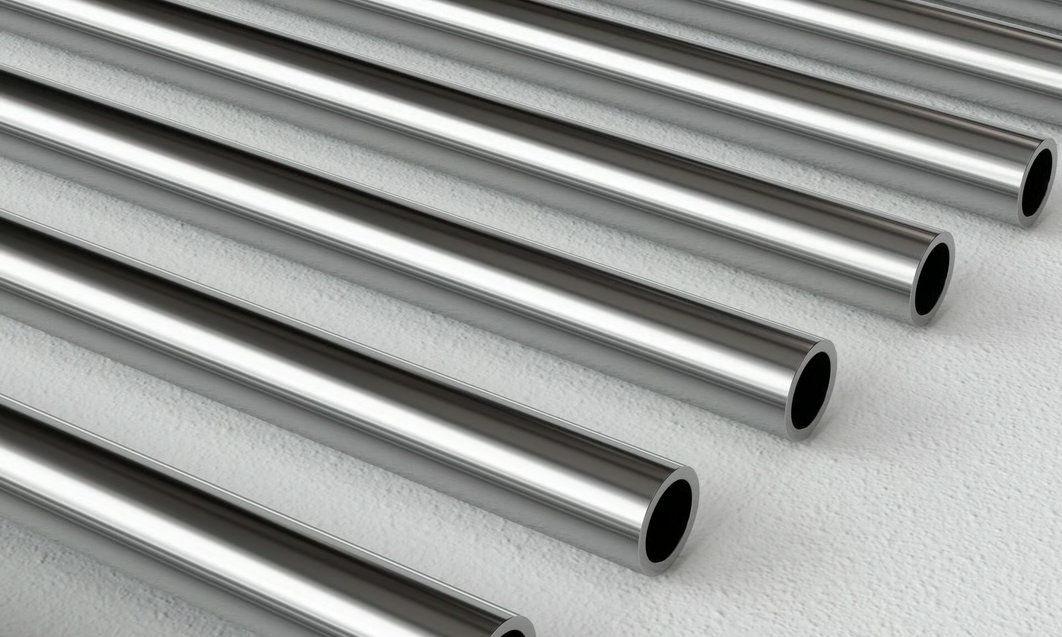
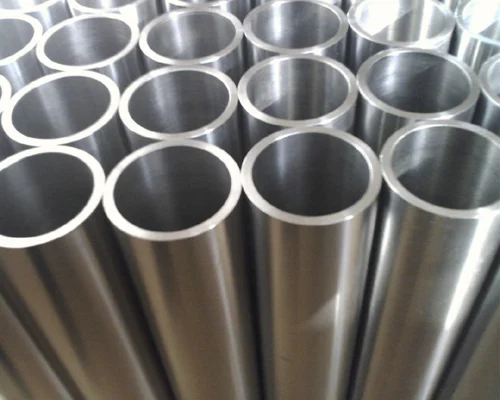
DLSS supplies 304L and 316L electropolished stainless steel tubes for clean and high-purity piping systems.
Our EP tubes are used in pharmaceutical, biotechnology, semiconductor, food, and laboratory projects.
Inner surface roughness of Ra ≤ 0.20 μm is available for selected sizes. We can also provide Ra test reports, borescope inspection, material records, and clean packing.
Each order is made according to the approved size, material, surface finish, inspection plan, and packing rules.
EP Stainless Steel Tube Specifications
| Item | Available Options |
|---|---|
| Materials | TP304L, TP316L, EN 1.4307, EN 1.4404 |
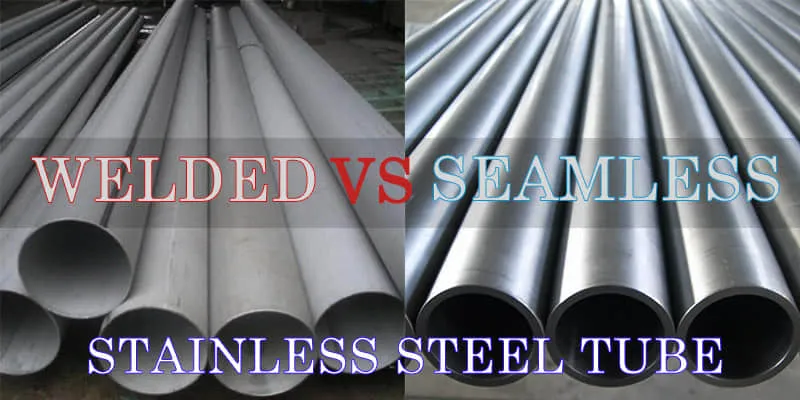
| Tube Type | Seamless or welded |
| Standards | ASTM A269, ASTM A270, EN 10357, DIN 11866 |
| Project Standard | ASME BPE requirements when stated in the order |
| Surface Finish | Inner EP, inner and outer EP, BA, or MP |
| Inner Surface Roughness | Ra ≤ 0.38 μm, Ra ≤ 0.25 μm, or Ra ≤ 0.20 μm |
| Outside Diameter | 6–219 mm |
| Wall Thickness | 0.5–3.0 mm |
| Length | Up to 12 metres |
| Inspection | Ra test, PMI, ET, visual inspection, and borescope inspection |
| Documents | EN 10204 3.1 MTC and inspection reports |
| Packing | End caps, clean PE bags, labels, and export cases |
The final supply range depends on the tube size, material, quantity, Ra target, and inspection requirements.
Please send us your full specification before ordering.
What Is an Electropolished Stainless Steel Tube?
Electropolishing is a surface treatment for stainless steel.
During the process, a very thin layer is removed from the metal surface. This makes the surface smoother and helps remove small surface defects.
An electropolished tube can be easier to clean and inspect than a tube with a rough inner surface.
However, the final quality also depends on:
- The quality of the base tube
- Heat treatment
- Mechanical polishing
- Cleaning and rinsing
- Drying
- Handling
- Packing
- The Ra test method
A bright or mirror-like surface does not always prove that the required Ra value has been reached.
For this reason, buyers should state a clear maximum Ra value in the purchase order.
Inner Surface Roughness
Ra is a common value used to measure surface roughness.
A lower Ra value means that the measured surface is smoother.
Common project requirements include:
Ra ≤ 0.38 μm
This level may be used for hygienic food, beverage, laboratory, and clean fluid systems.
Ra ≤ 0.25 μm
This level is used when the system needs stricter surface and cleaning control.
Ra ≤ 0.20 μm
This level is often requested for pharmaceutical, biotechnology, semiconductor, and other high-purity systems.
Lower Ra values may be possible for selected tube sizes. They must be checked before production.
The required Ra level should match the actual application. A lower value is not always needed for every system.
How to State the Ra Requirement
A clear inquiry should include:
- Inner surface, outer surface, or both
- Maximum Ra value
- Measurement unit
- Sampling rate
- Required test report
- Application of the tube
Example:
“Inner surface roughness shall be Ra ≤ 0.20 μm. A surface roughness test report shall be provided.”
The test method and acceptance rules should be confirmed before production.
This helps avoid different results caused by different test instruments or methods.
Materials
TP316L Electropolished Tube
TP316L is widely used in pharmaceutical, semiconductor, biotechnology, and high-purity water systems.
It offers good corrosion resistance in many clean process conditions.
Common applications include:
- Purified water
- Water for injection
- Clean steam
- High-purity gas
- Process chemicals
- Ultra-pure water
- Clean process fluids
TP304L Electropolished Tube
TP304L may be used in less corrosive conditions.
It can be a cost-effective choice for some food, laboratory, clean air, and general hygienic systems.
The final material grade should be selected according to the fluid, temperature, pressure, cleaning method, and project rules.
Standards
DLSS can supply EP stainless steel tubes according to the standard stated in the purchase order.
ASTM A269
ASTM A269 is used for seamless and welded austenitic stainless steel tubing for general service.
Extra surface finish, Ra, testing, and packing requirements may need to be added to the order.
ASTM A270
ASTM A270 is used for stainless steel sanitary tubing.
It is common in food, dairy, beverage, pharmaceutical, and other hygienic systems.
ASME BPE
ASME BPE includes requirements for bioprocessing equipment and piping systems.
A project may include special requirements for materials, surface finish, cleanability, welding, inspection, testing, documents, and packing.
The exact ASME BPE requirements must be stated in the inquiry.
ASTM B912
ASTM B912 covers the passivation of stainless steel using electropolishing.
It may be added when a project has clear electropolishing and passivation requirements.
Inspection and Quality Control
Based on the purchase order, DLSS can arrange the following inspections:
- Mill test certificate review
- Heat number check
- PMI material testing
- Outside diameter measurement
- Wall thickness measurement
- Length inspection
- Inner and outer visual inspection
- Surface roughness testing
- Borescope inspection
- Eddy current testing
- Ultrasonic testing when required
- Marking inspection
- Packing inspection
Not every test is included in every order.
The inspection plan should be agreed before production.
Test reports and inspection photos can be provided according to the approved order requirements.
Borescope Inspection
The inner surface of a long or small tube can be difficult to check with the naked eye.
A borescope can be used to inspect the tube bore.
It can help find:
- Scratches
- Stains
- Dirt
- Water marks
- Polishing lines
- Surface damage
- Poor tube-end protection
Borescope photos or videos can be provided when agreed before production.
Cleaning and Packing
An EP surface can be damaged or polluted after production.
Clean handling and packing are therefore important.
Available packing options include:
- Final cleaning
- Full drying
- Plastic end caps
- Clean PE bags
- Double PE bags
- Heat number labels
- Batch labels
- Protective packing material
- Strong export wooden cases
- Packing photos
Special packing can be reviewed for pharmaceutical and semiconductor projects.
Please tell us the application of the tubes when requesting a quote. This helps us choose a suitable packing method.
Main Applications
Pharmaceutical and Biotechnology
EP tubes are used in purified water, water for injection, clean steam, and clean process fluid systems.
A smooth inner surface can support cleaning and inspection.
The full piping system must still be designed, welded, cleaned, and maintained correctly.
Semiconductor
EP tubes may be used for high-purity gas, process chemicals, ultra-pure water, clean equipment, and vacuum systems.
These projects may need strict control of particles, moisture, surface condition, and packing.
Food and Beverage
EP tubes may be used in hygienic food and beverage production lines.
The correct material and finish depend on the product, cleaning chemicals, working temperature, and cleaning cycle.
Laboratory and Clean Equipment
Small-diameter EP tubes may be used in clean gas, vacuum, testing, research, and analytical equipment.
EP Tube vs. BA Tube
| Item | EP Tube | BA Tube |
| Main Process | Electropolishing | Bright annealing |
| Surface | Smooth surface with a stated Ra target | Bright and clean surface |
| Ra Report | Often required | Available when requested |
| Main Use | High-purity and hygienic systems | General clean and industrial systems |
| Cost | Usually higher | Usually lower |
Choose an EP tube when the project has:
- A clear inner Ra limit
- High-purity service
- Strict cleaning requirements
- Special surface inspection
- Clean packing requirements
- Pharmaceutical or semiconductor use
Choose a BA tube when the project needs a clean and bright tube but does not require an electropolished finish.
Do not choose a tube only by its appearance.
Why Choose DLSS?
DLSS supports buyers from technical review to final delivery.
Our service includes:
- Specification review before quotation
- TP304L and TP316L tube supply
- Custom Ra requirements
- Seamless and welded tube options
- Surface roughness testing
- Borescope inspection
- Material and batch traceability
- Third-party inspection support
- Production photo updates
- Packing photo updates
- Clean packing options
- Export packing and delivery support
If a technical requirement is not clear, we will confirm it before production.
Information Needed for a Quote
Please send us:
- Material grade
- Seamless or welded tube
- Standard
- Outside diameter
- Wall thickness
- Length
- Quantity
- Required Ra value
- Inner and outer surface finish
- Application
- Required tests
- Required documents
- Packing requirements
- Delivery country or port
A complete specification helps us provide a more accurate price and delivery plan.
Frequently Asked Questions
Can DLSS supply an inner Ra of 0.20 μm?
Ra ≤ 0.20 μm is available for selected EP tube sizes.
The final result depends on the material, tube size, base surface, processing method, and test method.
The requirement must be confirmed before the order.
Can you provide an Ra test report?
Yes.
An Ra test report can be provided when it is included in the purchase order.
Please state the maximum Ra value and sampling requirements.
Can you inspect the inner surface?
Yes.
Borescope inspection can be arranged. Photos or video records can also be provided when agreed before production.
Can you arrange third-party inspection?
Yes.
Independent third-party inspection can be arranged before shipment.
The inspection company, inspection scope, and hold points should be confirmed before production.
How are EP tubes packed?
Common packing includes plastic end caps, clean PE bags, labels, protective materials, and strong export cases.
Special clean packing can be arranged according to the application.