What is Electropolished Tubing and When Should You Use It?

DLSS - Pipe&Tube - What is Electropolished Tubing and When Should You Use It?

Meta Description:
Discover what electropolished (EP) stainless steel tubing is, how it’s made, and where it’s used. Ideal for pharmaceutical, semiconductor, and ultra-high-purity industries requiring extreme surface cleanliness and corrosion resistance.


Introduction

In industries where surface cleanliness, corrosion resistance, and bacterial control are critical, standard stainless steel tubing may not be enough. That’s where Electropolished (EP) Tubing comes in.

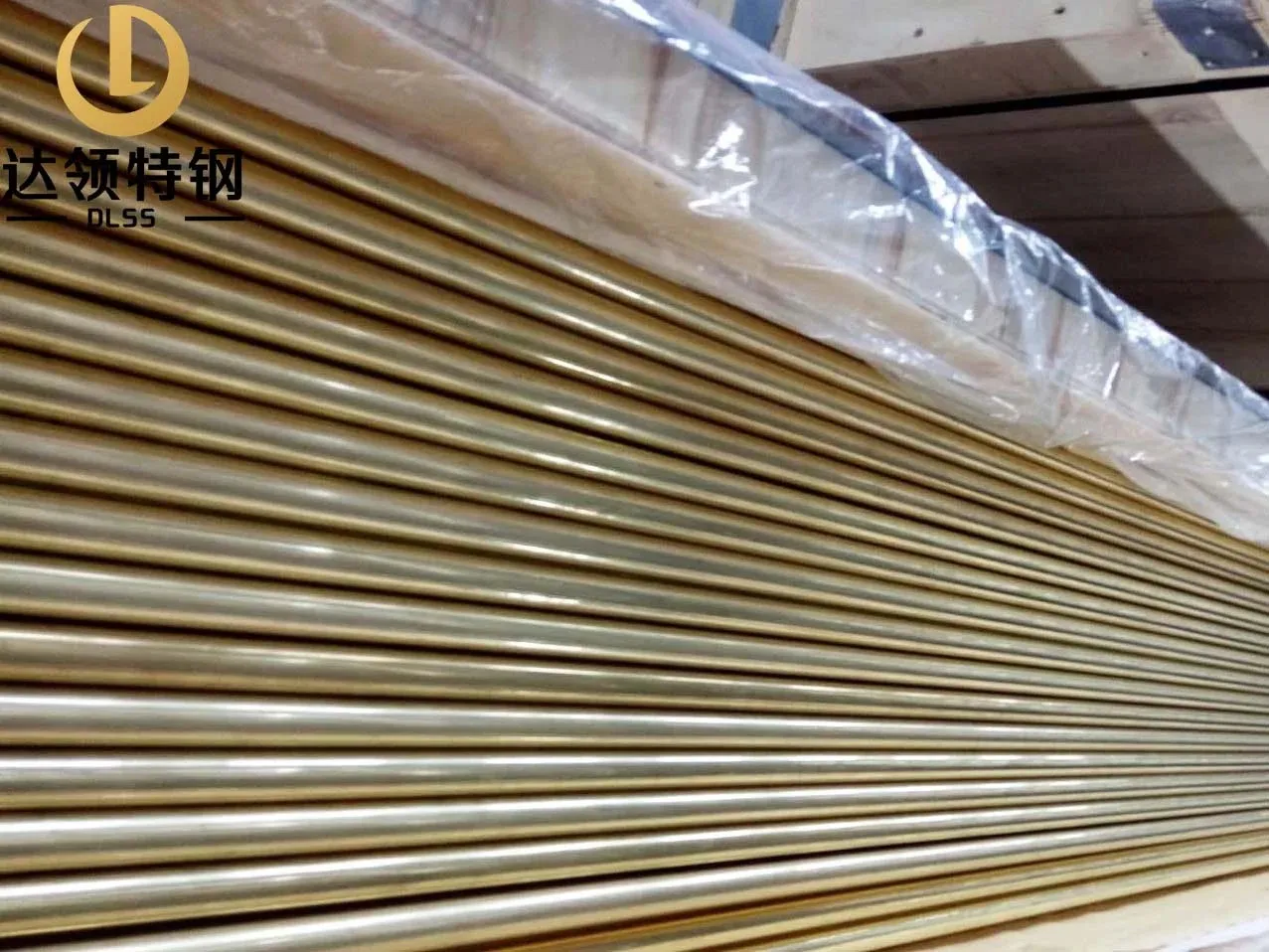
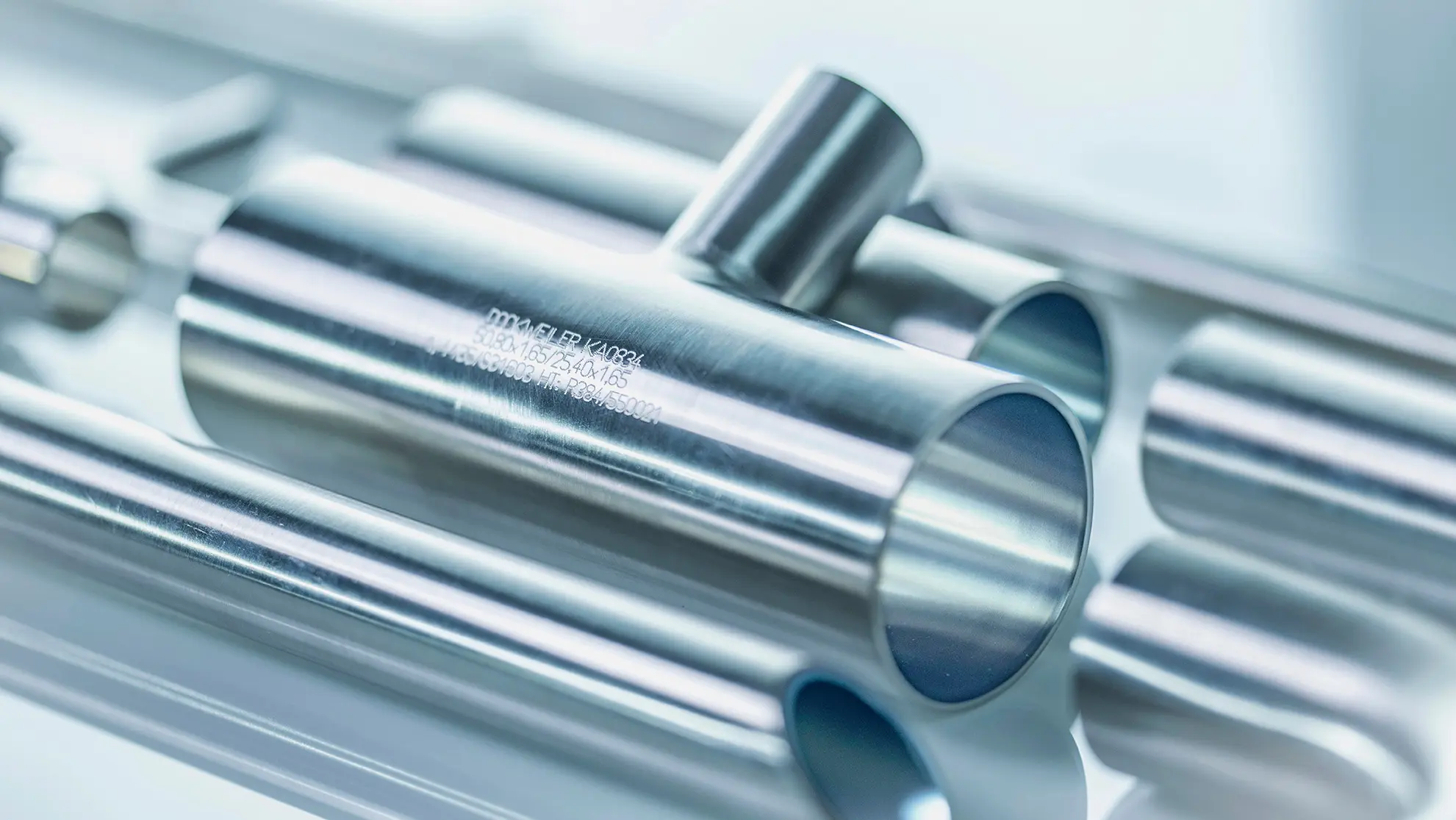
Used in biotech, pharma, semiconductor, and ultra-pure water systems, electropolished tubing delivers a smooth, passive, contamination-resistant internal surface that outperforms mechanically polished finishes.


1. What is Electropolished (EP) Tubing?

Electropolishing is a controlled electrochemical process that removes a thin layer of material from the stainless steel surface, improving:

  • Surface roughness (Ra)
  • Corrosion resistance
  • Cleanability

The process creates a chromium-rich passive layer, free from embedded contaminants or micro-crevices that harbor bacteria.


2. How is EP Tubing Made?

Production Steps:

  1. Cold drawn or welded tube
  2. Bright annealing
  3. Initial mechanical polish (optional)
  4. Acid cleaning and pre-treatment
  5. Electropolishing in acid bath under DC current
  6. Neutralization and rinsing
  7. Ultrapure water cleaning
  8. Class 100 cleanroom packaging (optional)

3. Surface Roughness (Ra) Comparison

Finish TypeTypical Ra (μm)
Mill Finish0.8 – 1.2
Mechanically Polished0.4 – 0.8
Electropolished (EP)0.2 – 0.4
Ultra EP≤ 0.1

EP tubes may also meet ASME BPE, SEMI F20, or DIN 11866 requirements for UHP systems.


4. Applications of Electropolished Tubing

IndustryApplication ExampleRecommended Grades
PharmaceuticalWFI loops, injection systemsTP316L EP, 1.4435
BiotechnologyFermentation, sterile filtrationTP316L, 1.4404
SemiconductorUHP chemical transport, gas distributionTP316L Ultra EP
Food & BeverageDairy and beverage processingTP304L / TP316L EP
Laboratory & R&DHigh-purity water systems316L BA + EP
Medical DevicesImplantable equipment tubingCustom electropolished

Learn more: SEMI F20 Standard Overview


5. Key Benefits of Electropolished Tubes

  • Superior corrosion resistance (especially in CIP/SIP systems)
  • Reduced biofilm formation
  • Fewer particles and lower TOC
  • Improved flow characteristics
  • Longer equipment lifespan

6. DLSS Electropolished Tube Capabilities

  • Size Range: OD 6 – 101.6 mm
  • Materials: TP316L (1.4404), TP304L, 1.4435
  • Standards: ASTM A270 / A269 + ASME BPE
  • Ra Options: ≤ 0.4 μm standard, ≤ 0.25 μm optional
  • Testing:
    • Surface roughness (Ra) reports
    • PMI, hydro, ET
    • Passivation report (per ASTM A967)

Packaging: Double PE bag + cleanroom polybag sealing. Nitrogen-purged packaging optional.


FAQs

Q1: Is EP tubing suitable for welding?
Yes, but welds must also be electropolished or passivated to maintain surface integrity.

Q2: Can EP tubes be used in vacuum or gas applications?
Absolutely. EP finish helps minimize outgassing, ideal for UHV/clean gas delivery.

Q3: Is EP necessary if using TP316L?
Material alone isn’t enough for hygiene-sensitive systems—surface finish is key.

Q4: What’s the shelf life of EP tubes?
If properly sealed and stored, EP tubes can retain cleanliness for years, especially in nitrogen-purged packaging.


Conclusion

Electropolished tubing is the gold standard for hygienic, ultra-clean, and corrosion-sensitive applications. DLSS provides EP tubing with world-class surface finish, full testing reports, and compliant packaging—meeting the most demanding purity standards in the market.


Contact DLSS
Email: info@dlsspipe.com
Website: www.dlsspipeline.com

Need electropolished tubing for your clean process system? Contact DLSS for expert consultation and quotation.

Wonderful! Share This Case:

Austenitic Stainless Steel

Duplex Stainless Steel

Nickel Alloys

▪ Incoloy Family

▪ Inconel Family

▪ Monel Family

▪ Hastelloy Family

▪ Other Special Alloys

Cobalt Alloys

Related Posts

Seamless vs Welded Stainless Steel

Meta Description:Seamless or welded pipe? Learn the structural, performance, and cost differences, and discover which option is better for your industrial application. Introduction One of the most common engineering decisions in piping systems is: “Should we use seamless or welded stainless steel pipes?” While both types comply with international standards, they differ significantly in: This […]

Read More
ASTM A269 vs ASTM A213: What’s the Difference for Stainless Steel Tubes?

ASTM A269 vs ASTM A213:

Meta Description:Confused between ASTM A269 and ASTM A213 stainless steel tube standards? This guide compares their differences in application, mechanical properties, testing, and surface finish. Introduction When sourcing stainless steel tubes, understanding the applicable ASTM standards is crucial. Two commonly referenced specifications are ASTM A269 and ASTM A213. While they may seem similar, these standards […]

Read More
Stainless Steel U-Bend Tubes for Japan’s Condenser Systems – 日本向けコンデンサー用Uベンドステンレス管

Stainless Steel U-Bend Tubes for

Introduction In Japan’s power generation, chemical processing, and desalination industries, U-bend stainless steel tubes play a critical role in enhancing the efficiency of condenser systems. DLSS Stainless Steel Seamless Pipes are engineered to meet JIS G3463 – Stainless Steel Boiler and Heat Exchanger Tubes, ensuring precise bending, corrosion resistance, and optimal heat transfer for Japanese […]

Read More
wind-farm-heat-exchanger-finned-tube-market

Global Wind Farm Upgrades: A

With wind power accounting for over 25% of electricity in key global markets, operators are facing a new challenge: maintaining, upgrading, and replacing aging cooling and heat transfer systems, especially in offshore environments. As a result, demand for stainless steel finned tubes—used in turbine cooling, nacelle HVAC, and heat exchangers—is rapidly rising. For precision tube […]

Read More
Shell and Tube Heat Exchangers vs. Plate Heat Exchangers: Which One Should You Choose?

Shell and Tube Heat Exchangers

When it comes to industrial heat transfer equipment, shell and tube heat exchangers (STHE) and plate heat exchangers (PHE) are two of the most widely used technologies. Each design offers specific advantages and limitations depending on the industry, media properties, and operational conditions. In this article, we’ll provide a professional comparison between STHE and PHE, […]

Read More
Stainless Steel Tubes for Heat Exchangers: Grades, Benefits, and Industrial Applications

Stainless Steel Tubes for Heat

Stainless steel has become the material of choice for heat exchanger tubes across a wide range of industries. Its combination of corrosion resistance, mechanical strength, and cleanability makes it ideal for applications requiring durability and thermal efficiency. Choosing the right stainless steel grade is essential to maximizing performance and minimizing lifecycle costs. This article explores […]

Read More
global-heat-exchanger-market-trends-2025

Global Heat Exchanger Market Trends

As the world transitions toward cleaner energy and more efficient industrial processes, heat exchangers are becoming more critical than ever. Whether in hydrogen plants, data centers, electric vehicle battery cooling, or traditional oil refineries—thermal management systems are evolving rapidly. This change is driving demand for more durable, efficient, and customizable heat exchanger tubes, particularly in […]

Read More

TP304 vs TP316L: A Comprehensive

Introduction TP304 and TP316L are the two most widely used austenitic stainless steel grades in industrial piping, particularly in heat exchangers, boiler systems, and chemical plants. While both belong to the same stainless steel family, they differ in corrosion resistance, mechanical properties, and application suitability. In this article, we compare TP304 and TP316L across 5 key aspects to help engineers, procurement teams, and project […]

Read More

Request A Quote

*We respect your confidentiality and all information are protected.