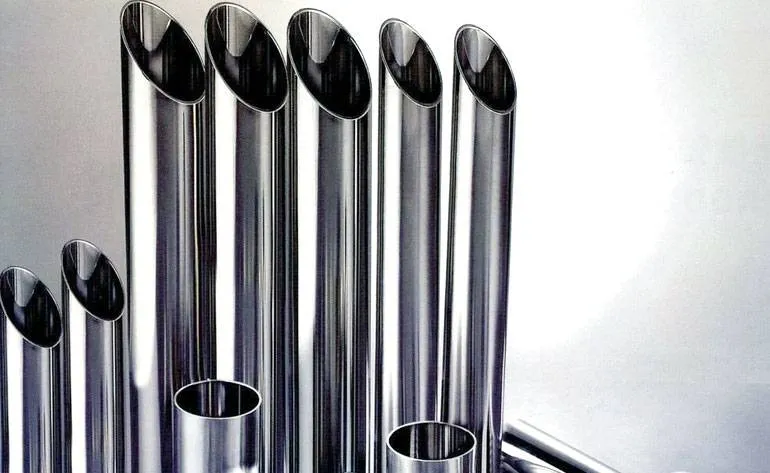
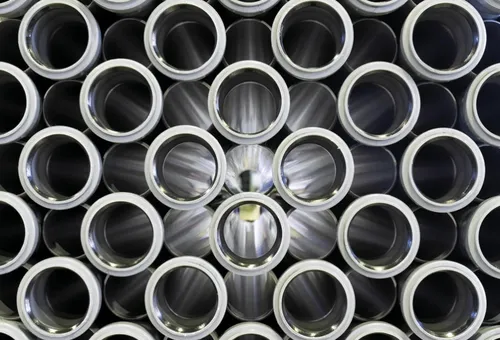
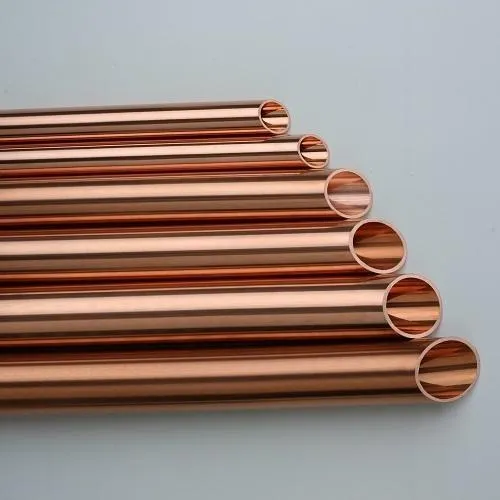
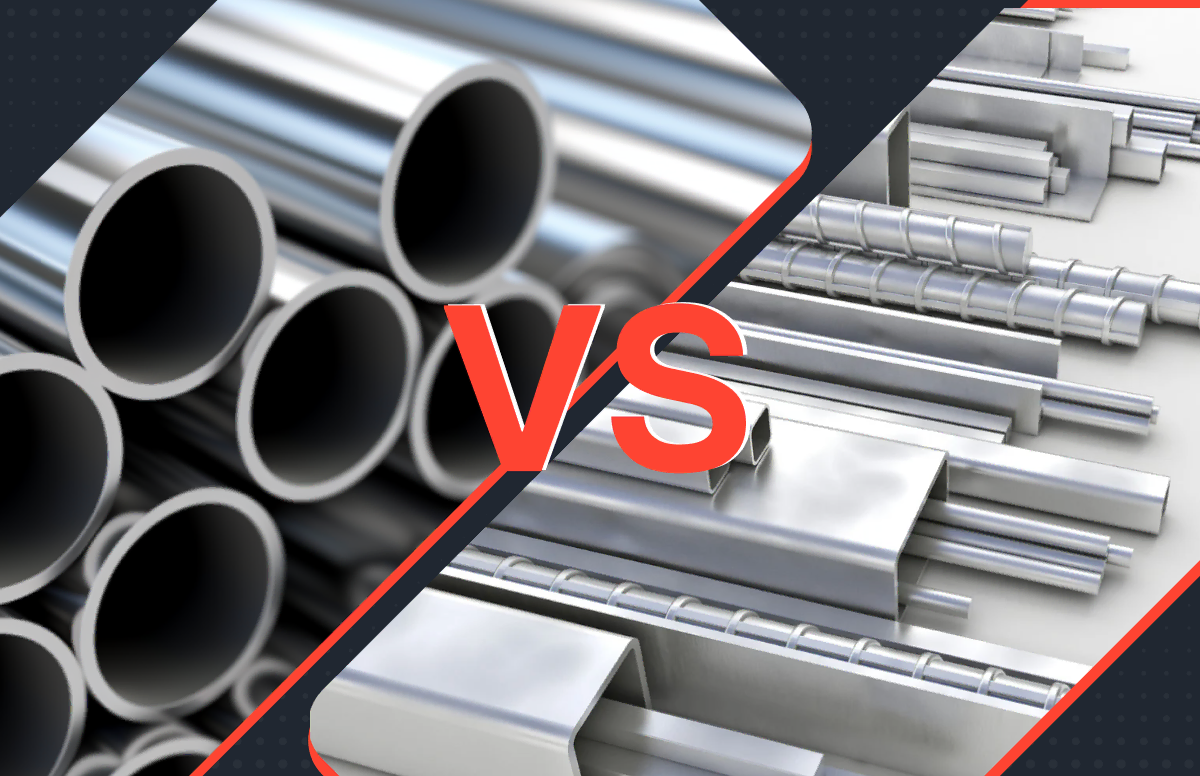
ISO 2037 sanitary tube is a common term in food, beverage and hygienic piping projects.
Many old drawings, RFQs and equipment lists still mention ISO 2037. Buyers may also use this term when they need stainless steel sanitary tubes for dairy lines, beverage lines, food processing systems or clean process piping.
But one point is important. ISO 2037:1992 has been withdrawn by ISO. This means it should not be treated as the latest active standard for new projects.
So why do buyers still search for ISO 2037 sanitary tube?
Because many existing systems, old drawings and replacement projects still use this name. In real purchasing work, the buyer may not be asking for the newest standard. They may need to match an old system, old tube size or old fitting connection.
This guide explains what ISO 2037 sanitary tube means, where it is used, and what buyers should check before ordering.
What Is ISO 2037 Sanitary Tube?
ISO 2037 was a standard for stainless steel tubes used in the food industry.
It covered straight stainless steel tubes for hygienic applications. These tubes were used where cleanliness, smooth inner surface and corrosion resistance were important.
Sanitary tube is different from normal industrial pipe. It is not only about pressure and strength. It also needs a clean surface, good weld quality, easy cleaning and low contamination risk.
Typical applications include:
Food processing lines
Dairy production lines
Beverage systems
Juice and syrup lines
Brewing systems
Clean water systems
Hygienic process piping
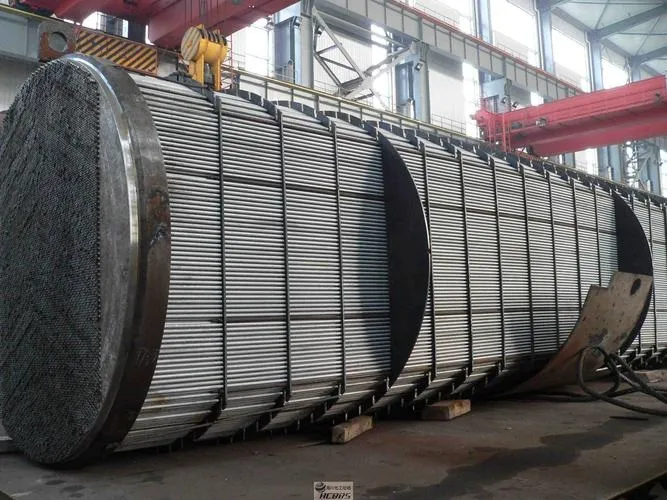
Sanitary heat exchangers
Clean process equipment
Is ISO 2037 Still a Current Standard?
No. ISO 2037:1992 has been withdrawn.
This is why buyers should be careful when they see ISO 2037 in a drawing or RFQ.
If the project is a new system, the buyer should confirm whether a newer standard is required.
If the project is a replacement job, the buyer should confirm whether the tube must match an old ISO 2037 system.
The safest way is to check the tube size, wall thickness, material grade, surface finish and fitting connection before ordering.
This can help avoid size mismatch, connection problems and document issues.
Common Materials for Sanitary Tubes
The most common stainless steel grades for sanitary tubes are 304L and 316L.
304L stainless steel is used in many food and beverage systems. It is easy to source and cost-effective.
316L stainless steel has better corrosion resistance than 304L. It is often used when the medium contains more chloride, acid, cleaning chemicals or higher corrosion risk.
| Material | Common Use | Main Advantage |
|---|---|---|
| 304L | Food, beverage and clean water lines | Cost-effective and easy to source |
| 316L | Dairy, beverage and higher-risk media | Better corrosion resistance |
| 316L with polished surface | Hygienic process systems | Better cleanability |
| 316L electropolished tube | High-purity or stricter clean systems | Smoother and cleaner inner surface |
Sanitary Tube vs Normal Stainless Steel Tube
Sanitary tube and normal stainless steel tube may look similar, but they are used for different purposes.
Normal stainless steel tube is often used for industrial service. The main focus may be pressure, strength, heat resistance or corrosion resistance.
Sanitary tube is used for hygienic service. The main focus is cleanliness, smooth surface, easy cleaning and product safety.
| Item | Sanitary Tube | Normal Stainless Steel Tube |
|---|---|---|
| Main Use | Food, beverage and hygienic process lines | Industrial piping and equipment |
| Surface | Usually smoother | Depends on project need |
| Cleaning | Designed for easier cleaning | Not always designed for hygienic cleaning |
| Risk Focus | Contamination and cleanability | Pressure, corrosion or temperature |
| Typical Grades | 304L, 316L | 304, 316L, 321, 310S, duplex and more |
| Certificate | Often needs clear material and surface records | Depends on project |
Why Surface Finish Matters
Surface finish is very important for sanitary tubing.
A rough inner surface can hold product residue, bacteria or cleaning chemicals. This can increase contamination risk and make cleaning harder.
A smoother inner surface is easier to clean. It can also reduce product build-up inside the tube.
For food, dairy and beverage systems, buyers should not only check the material grade. They should also check the surface finish.
Common surface requirements may include:
Inner surface roughness requirement
Outer surface finish requirement
Pickling and passivation
Electropolishing for stricter service
Before ordering, the buyer should confirm the required Ra value and inspection method.
ISO 2037 vs ASTM A270
ASTM A270 is a widely used standard for sanitary stainless steel tubing.
It covers seamless, welded and heavily cold worked welded stainless steel sanitary tubing. It is mainly used for dairy and food industry service. Pharmaceutical quality may also be requested as an extra requirement.
In many modern RFQs, buyers may use ASTM A270 instead of ISO 2037.
| Item | ISO 2037 | ASTM A270 |
|---|---|---|
| Status | Withdrawn ISO standard | Common sanitary tubing standard |
| Main Use | Food industry stainless steel tubes | Dairy, food and hygienic tubing |
| Tube Type | Stainless steel tubes | Seamless, welded and heavily cold worked welded tubing |
| Buyer Use Today | Often seen in old drawings or replacement projects | Common in new RFQs and sanitary tube orders |
| Important Action | Confirm if old standard must be matched | Confirm grade, finish and certificate details |
ISO 2037 vs DIN 11850 and EN 10357
Some European sanitary tube projects may mention DIN 11850 or EN 10357.
These standards are also related to stainless steel tubes for food, beverage, dairy and hygienic process use.
If a buyer sends an RFQ with ISO 2037, DIN 11850, EN 10357 or ASTM A270, the supplier should not guess.
The supplier should check the exact tube size, wall thickness, material, surface finish and certificate requirement.
Different standards may have different tube series and size systems. A small difference in outside diameter or wall thickness can cause fitting problems.
When Should You Use ISO 2037 Sanitary Tube?
ISO 2037 may still appear in these cases:
Old equipment replacement
Existing food processing line maintenance
Dairy plant repair project
Beverage system spare parts
Imported equipment with old drawings
Customer RFQ copied from old documents
Tube and fitting matching work
In these cases, the buyer should not only ask for “ISO 2037 tube”. The buyer should also send the full size and application details.
Information to Send for a Fast Quote
To quote sanitary tubes faster, please send these details:
Tube outside diameter
Wall thickness
Length
Quantity
Material grade
Standard
Welded or seamless type
Surface finish
Inner surface roughness
Outer surface requirement
Application medium
Cleaning method
Certificate requirement
Packing requirement
Delivery destination
If you have a drawing, old sample or tube marking photo, please also send it. This helps us check the tube size and replacement possibility faster.
Common Applications
ISO 2037 sanitary tube or similar hygienic stainless steel tubing may be used in:
Milk processing lines
Yogurt production lines
Juice lines
Beer brewing systems
Soft drink production
Food ingredient transfer
Clean water systems
CIP cleaning systems
Hygienic heat exchangers
Process equipment piping
Storage tank connections
Pump and valve connections
What DLSS Can Supply
DLSS supplies stainless steel tubes for food, beverage, dairy, pharmaceutical and clean process systems.
Available options may include:
304L stainless steel sanitary tubes
316L stainless steel sanitary tubes
Welded sanitary tubes
Seamless stainless steel tubes
Bright annealed tubes
Polished stainless steel tubes
Pickled and passivated tubes
Electropolished tubes
Tubes with MTC
Tubes with EN 10204 3.1 certificate
Third-party inspection support if required
If your RFQ mentions ISO 2037, ASTM A270, DIN 11850 or EN 10357, our team can help check the tube size, material and supply possibility.
Buyer Checklist Before Ordering
Before placing an order, check these points:
Is the project a new system or replacement job?
Is ISO 2037 required by the old drawing?
Does the end user accept another current standard?
Is the tube size exactly confirmed?
Is the fitting connection matched?
Is the surface finish clearly stated?
Is Ra value required?
Is 304L enough, or is 316L better?
Is the tube welded or seamless?
Is third-party inspection required?
Is the certificate format confirmed?
This checklist can reduce order risk and avoid wrong material selection.
FAQ
Is ISO 2037 still valid?
ISO 2037:1992 has been withdrawn by ISO. But the term is still found in old drawings, RFQs and replacement projects.
What is ISO 2037 sanitary tube used for?
It is used for stainless steel tubes in food and hygienic process systems. Common uses include dairy, beverage, food processing and clean piping lines.
What material is used for sanitary tube?
The common grades are 304L and 316L stainless steel. 316L is often used when better corrosion resistance is needed.
Is ASTM A270 the same as ISO 2037?
No. They are different standards. ASTM A270 is a common sanitary tubing standard for dairy and food industry use. ISO 2037 is an older withdrawn ISO standard.
Can DLSS supply sanitary tubes for food and beverage systems?
Yes. DLSS can supply stainless steel sanitary tubes, bright annealed tubes, polished tubes and electropolished tubes for food, beverage, dairy and clean process systems.
What should I send for a quote?
Please send tube size, wall thickness, length, quantity, material grade, standard, surface finish, Ra requirement, certificate requirement and delivery destination.
Conclusion
ISO 2037 sanitary tube is still a common search term, but buyers should know that ISO 2037:1992 has been withdrawn.
If your drawing or RFQ mentions ISO 2037, do not only confirm the standard name. You should also confirm the tube size, material grade, surface finish, roughness requirement, fitting connection and certificate requirement.
For new sanitary tube projects, ASTM A270, DIN 11850 or EN 10357 may also be requested depending on the market and end user.
Need stainless steel sanitary tubes for food, beverage or clean process systems?
Send us your tube size, material grade, quantity, surface finish and certificate requirements. DLSS can help check the suitable tube solution and supply possibility.