Electropolished Tubing: When and Why to Use It

DLSS - Pipe&Tube - Electropolished Tubing: When and Why to Use It

Meta Description:
Electropolished (EP) tubing offers ultra-clean surfaces for critical applications. Learn what it is, why it matters, and where EP tubes are essential—from pharma to semiconductors.


Introduction

In industries where surface purity, cleanliness, and corrosion resistance are paramount, electropolished (EP) tubing is no longer optional—it’s a necessity.

Whether you’re building pharmaceutical cleanrooms, semiconductor cooling loops, or biotech reactors, EP tubing ensures the performance, sterility, and durability that standard stainless steel tubes can’t match.

This article explains what electropolishing is, when it should be used, and why it’s the standard in many regulated, high-precision systems.


What Is Electropolishing?

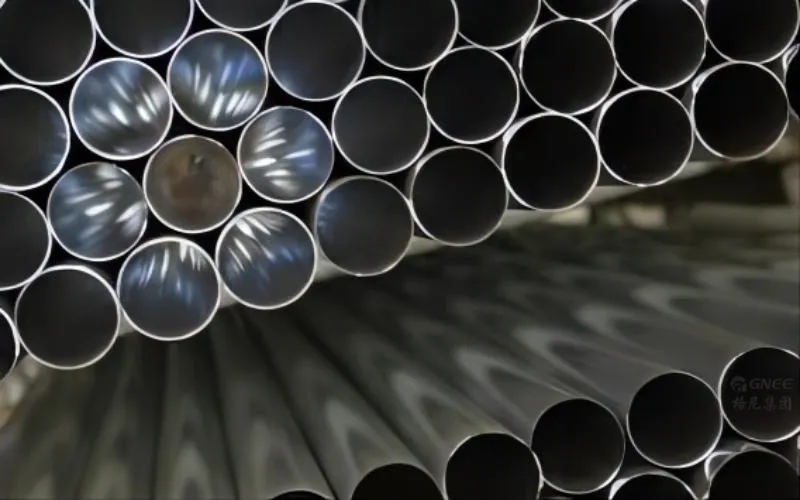
Electropolishing is a controlled electrochemical process that removes a thin layer of metal from the surface of stainless steel tubes.
Unlike mechanical polishing, electropolishing:

  • Smooths microscopic peaks and valleys
  • Reduces surface roughness (typically Ra ≤ 0.4 μm or better)
  • Enhances chromium-to-iron ratio for corrosion resistance
  • Improves cleanliness by minimizing biofilm and particle adhesion

Standards: ASTM A967 – Passivation & Electropolishing Guide


Why Use Electropolished Tubes?

1. Improved Cleanability

The ultra-smooth surface reduces microbial adhesion and residue buildup, making cleaning faster and more effective—critical in CIP/SIP systems.

2. Superior Corrosion Resistance

Electropolishing enhances the passive layer by removing embedded impurities and increasing chromium concentration at the surface.

3. Lower Risk of Contamination

In pharma, food, and semiconductor systems, EP tubing ensures that the process fluid does not pick up metallic ions or particulates.

4. Visual & Surface Integrity

EP tubes are aesthetically clean and ideal for visual inspection in transparent or exposed systems.


Where Is EP Tubing Required?

IndustryTypical EP Applications
PharmaceuticalWFI lines, bioreactors, transfer loops
SemiconductorCooling circuits, DI water systems, CMP slurry
Food & BeverageDairy, brewing, juice lines with sanitary loops
BiotechnologyFermentation, media preparation
Medical DevicesSterile environments, diagnostic equipment

In these industries, EP tubes often comply with ASME BPE, 3-A Sanitary Standards, and FDA GMP guidelines.


DLSS Electropolished Tubing Features

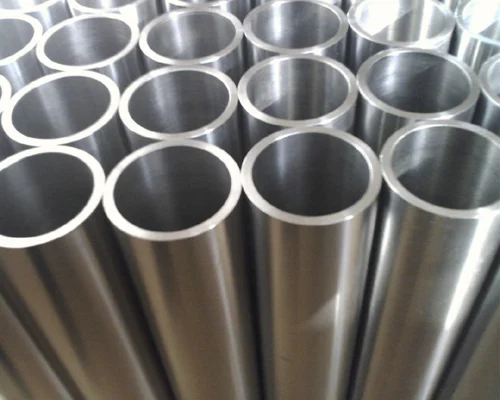
  • Seamless TP316L, TP304L, or 1.4404 tubing
  • ID Ra ≤ 0.4 µm, OD ≤ 0.8 µm
  • ASTM A269 or A270-S2 compliant
  • Marked with heat number and EP designation
  • Clean-packaged with PE bags, nitrogen purge optional

Frequently Asked Questions (FAQ)

Q1: Is electropolishing the same as passivation?
No. Passivation only enhances the oxide layer; electropolishing also smooths and removes surface impurities.

Q2: Do all clean systems require EP tubes?
Not all—but if you’re handling high-purity water, bioproducts, or reactive fluids, EP tubing is strongly recommended.

Q3: Can welded tubes be electropolished?
Yes, but seamless tubes are preferred for uniformity and performance. DLSS offers EP on seamless tubing as standard.

Q4: What inspection is required for EP tubes?
Surface roughness (Ra), visual inspection, PMI, and optional boroscope inspection for critical systems.


Conclusion

Electropolished tubing is essential in systems where sterility, corrosion resistance, and cleanability are non-negotiable.
It plays a critical role in ensuring long-term system integrity, compliance with regulatory standards, and reduced maintenance effort.

DLSS provides high-precision EP seamless tubing, backed by documentation, testing, and clean-room packaging—ready for deployment in your most demanding applications.


Contact DLSS
Email: info@dlsspipe.com
Website: www.dlsspipeline.com

Wonderful! Share This Case:

Austenitic Stainless Steel

Duplex Stainless Steel

Nickel Alloys

▪ Incoloy Family

▪ Inconel Family

▪ Monel Family

▪ Hastelloy Family

▪ Other Special Alloys

Cobalt Alloys

Related Posts

Top Stainless Steel Industry Trends in 2025: Sustainability, Advanced Alloys, and Smart Manufacturing

Top Stainless Steel Industry Trends

Meta Description:Explore the top 6 stainless steel industry trends in 2025, including green steel initiatives, duplex and super duplex stainless steels, nickel alloy pipes, and intelligent tube manufacturing. 1. Sustainable Stainless Steel Production With the global push toward decarbonization, the stainless steel industry is rapidly transitioning to green steel production. In 2025: Key Keywords: green […]

Read More
Europe’s Stainless Steel Tube Market: Compliance-Driven Demand and Strategic Opportunities

Europe’s Stainless Steel Tube Market:

Europe is one of the most regulated and compliance-focused markets in the world for stainless steel seamless tubes—especially for heat exchangers, pharma-grade piping, and energy infrastructure. With stringent requirements for traceability, environmental certification, and dual material standards, suppliers must demonstrate not only high product quality but also full alignment with EU directives. In this blog, […]

Read More
How to Choose the Right Tubular Heat Exchanger for Your Application

How to Choose the Right

Selecting the appropriate tubular heat exchanger is a critical step for ensuring optimal thermal efficiency, mechanical integrity, and long-term operational reliability. As a widely used heat transfer device in process engineering, tubular designs—especially shell-and-tube heat exchangers—are the preferred choice for a wide variety of industrial applications. This article outlines the technical and commercial criteria for […]

Read More
Seamless vs. Welded Pipes: Which Is Right for Your Industrial Pipeline?

Seamless vs. Welded Pipes: Which

Meta Description:Compare seamless and welded pipes in terms of cost, pressure capacity, corrosion resistance, and industrial use. Learn how to choose the right pipe for your project. Introduction In pipeline engineering, one of the most common questions from project engineers and procurement teams is:“Should we use seamless pipes or welded pipes?” Each option has distinct […]

Read More
Heat Exchanger Maintenance Checklist: How to Extend Equipment Life and Improve Performance

Heat Exchanger Maintenance Checklist: How

1. Introduction – Heat Exchanger Maintenance Checklist Following a structured heat exchanger maintenance checklist is the most effective way to keep your equipment running efficiently, avoid costly breakdowns, and extend service life. Whether you operate a shell and tube heat exchanger, a plate heat exchanger, or an air-cooled model, regular preventive maintenance ensures consistent heat […]

Read More
Electropolished vs Mechanically Polished Tubes: What’s Best for Hygienic Applications?

Electropolished vs Mechanically Polished Tubes:

Meta Description:Discover the key differences between electropolished (EP) and mechanically polished (MP) stainless steel tubes. Learn which surface finish is better for food, beverage, and pharmaceutical use in Latin America. Introduction In sanitary applications, cleanability is critical. Whether you’re building a milk pasteurizer in Brazil or a pharmaceutical system in Colombia, the inner surface of […]

Read More

Common Condenser Coil Problems &

1. Why Your Condenser Coil Matters for AC Performance The condenser coil is the component in your outdoor air conditioning unit that releases indoor heat to the environment. When clogged or damaged, your AC system can’t cool effectively, leading to high energy bills, system strain, and premature breakdown. 2. Top 5 Common Condenser Coil Problems 3. Warning Signs […]

Read More
Understanding EN 10204 3.1 vs 3.2: Certification Types for Stainless Steel Tubes

Understanding EN 10204 3.1 vs

Meta Description:Learn the key differences between EN 10204 3.1 and 3.2 material certificates for stainless steel tubes. Understand which certificate your project needs and how DLSS ensures compliance. Introduction Material certification is essential for traceability and quality assurance in the supply of stainless steel tubes, especially in industries like oil & gas, power generation, and […]

Read More

Request A Quote

*We respect your confidentiality and all information are protected.