Top 5 Causes of Heat Exchanger Tube Failures — and How to Prevent Them
Mr. Toey
DLSS-Pipe&Tube-Top 5 Causes of Heat Exchanger Tube Failures — and How to Prevent Them
Introduction
Heat exchanger tubes are critical components in industries ranging from petrochemical and power generation to pharmaceutical and food processing. Yet, even with high-quality stainless or alloy tubes, failures still occur—often resulting in costly downtime, environmental risk, and unplanned shutdowns.
This article identifies the top five root causes of tube failure in shell-and-tube or finned heat exchangers—and outlines how to avoid them through smart material choices, preventive inspection, and system design.
1. Pitting Corrosion
What it is: Localized corrosion that leads to deep, narrow holes—usually caused by chlorides or poor surface passivation.
Common Triggers:
Improper cleaning after welding
Use of 304/316 stainless in high-chloride media
Stagnant zones with low flow velocity
Prevention Tips:
Use 254 SMO, Duplex 2205, or Titanium in seawater or brine
Specify bright annealed surface to reduce crevice formation
Maintain flow velocity ≥ 1.5 m/s to prevent sedimentation
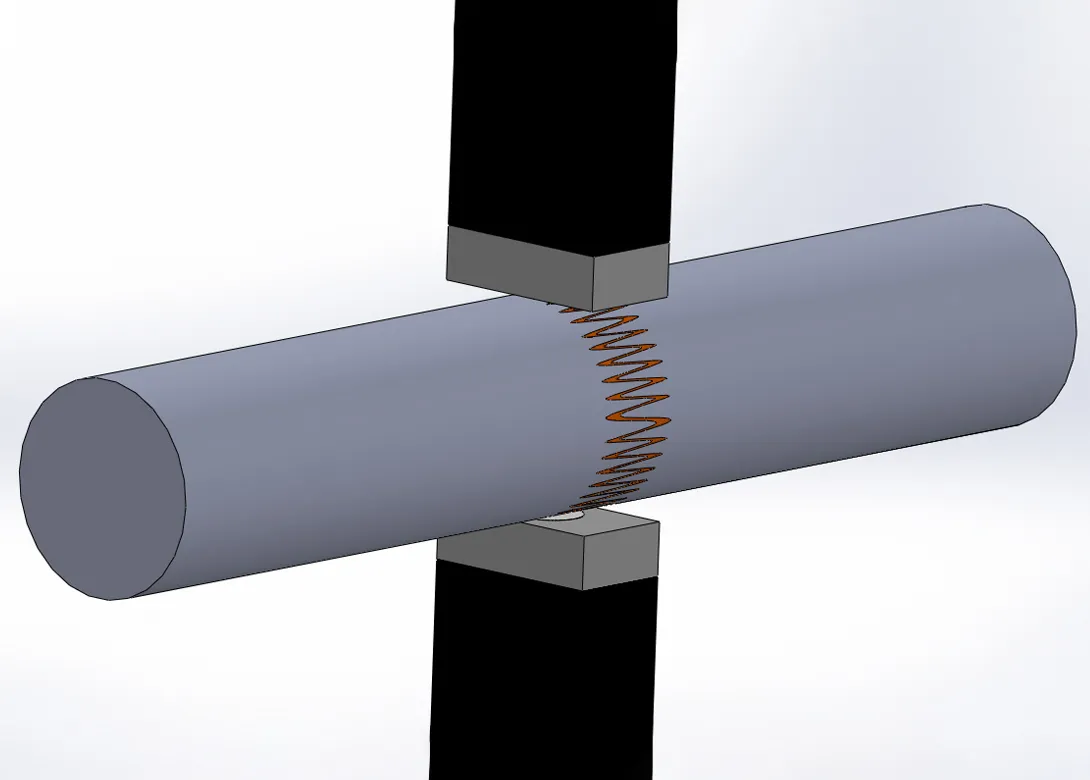
What it is: Cracking induced by the combination of tensile stress, high temperature, and corrosive agents (often chlorides or ammonia).
Materials Affected:
Austenitic grades like TP304, TP316
Common in refineries, power plants, and fertilizer units
Prevention Tips:
Switch to Duplex stainless, Incoloy 825, or Alloy 20
Use tubes compliant with NACE MR0175 in sour service
Reduce operational temperature and mechanical load
3. Erosion-Corrosion
What it is: Metal loss caused by high-velocity fluid or impinging particles combined with corrosive fluid.
Common Signs:
Thinning near tube inlets or bends
Grooving, pitting with directional wear
Vibration-induced tube flutter
Prevention Tips:
Add tube inserts or impingement plates
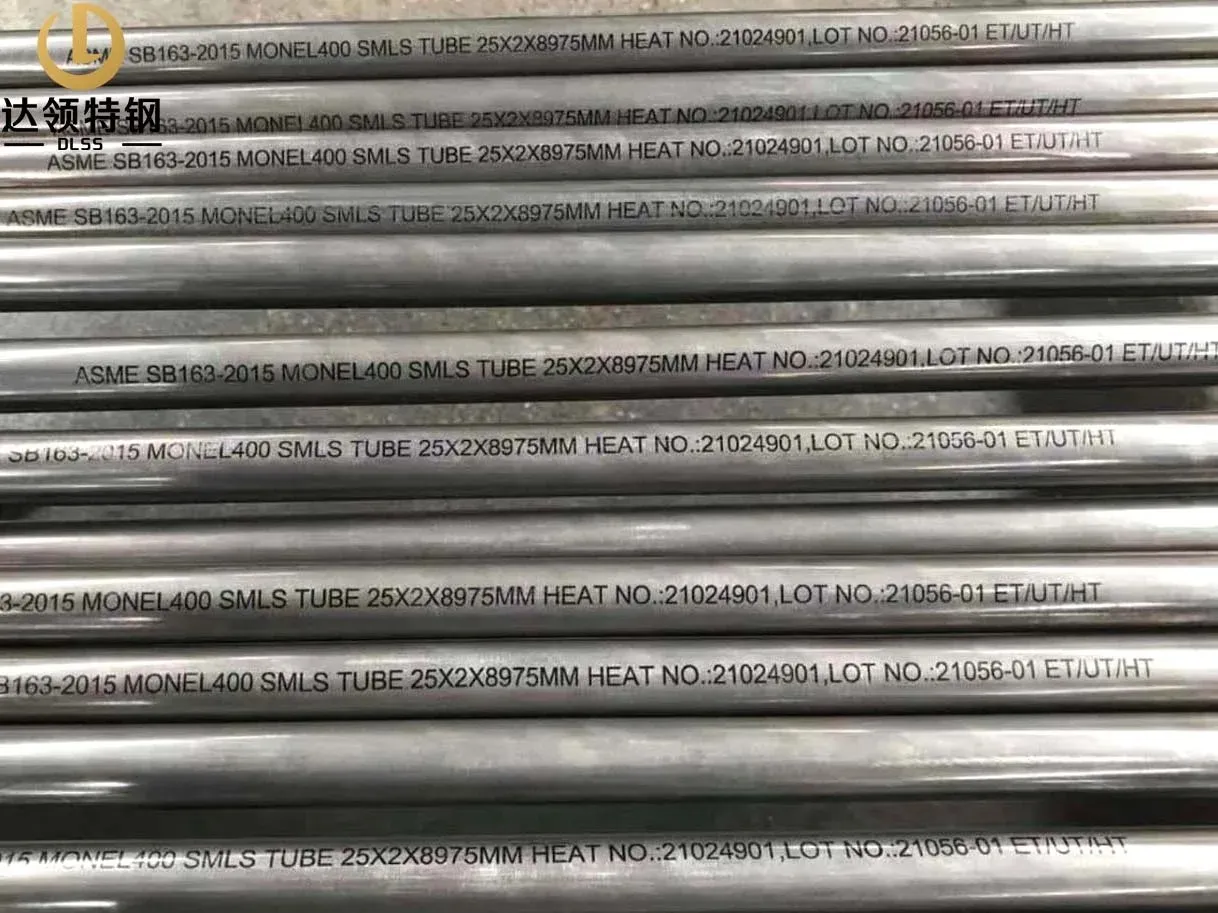
Choose CuNi 90/10 or Monel 400 in seawater cooling
Ensure smooth inlet design and steady fluid flow
4. Thermal Fatigue
What it is: Cyclic temperature changes cause tube expansion and contraction, eventually leading to cracking or rupture.
Typical Causes:
Sudden startup/shutdown cycles
Uneven heat transfer across tube bundle
Inadequate tube sheet expansion control
Prevention Tips:
Use seamless tubes with low residual stress
Design with flexible tube supports and expansion joints
Perform post-weld heat treatment (PWHT) where required
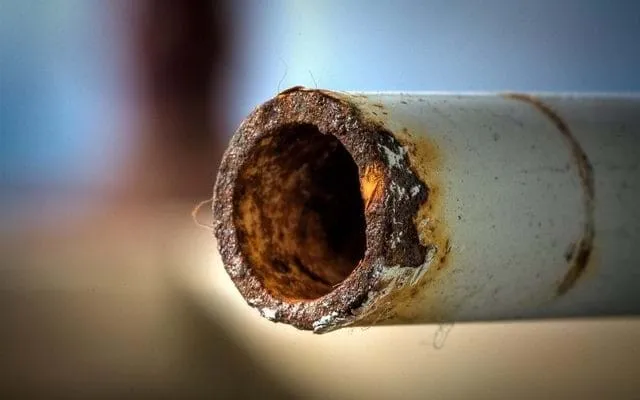
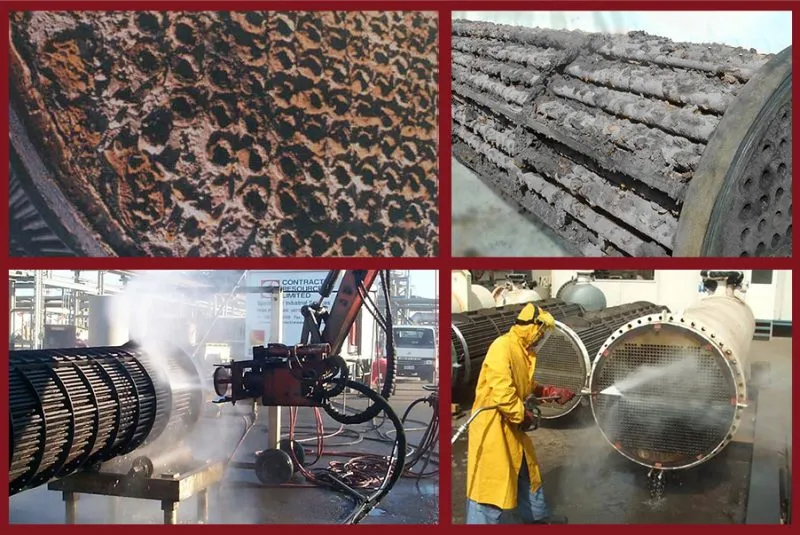
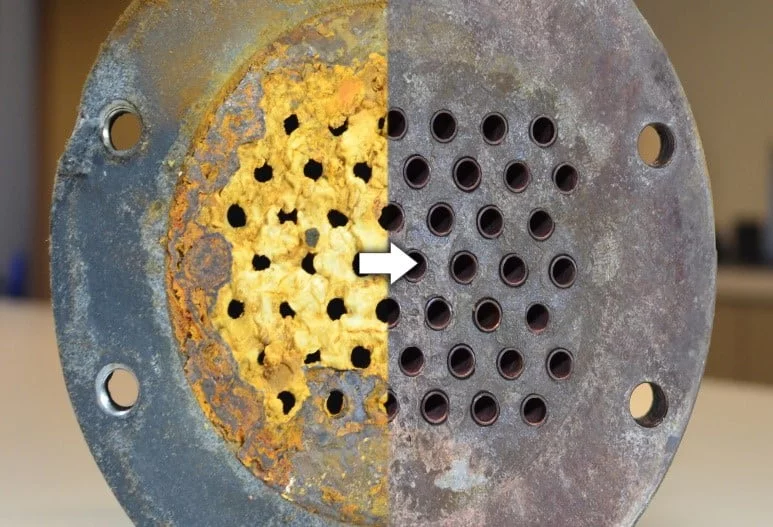
5. Fouling and Scaling
What it is: Accumulation of deposits like calcium carbonate, iron oxide, or organic biofilms that reduce heat transfer efficiency and induce under-deposit corrosion.
Typical Sources:
Untreated cooling water
Inadequate cleaning intervals
High suspended solids in fluid
Prevention Tips:
Choose BA surface tubes to minimize adhesion
Use low-finned tubes to enhance turbulence and self-cleaning
Establish regular CIP (clean-in-place) protocols
Bonus Tip: Poor Material Traceability
Issue: Incorrect or undocumented alloy grade leads to mismatch between material and service conditions.
Solution:
Request EN 10204 3.1 or 3.2 MTCs
Use PMI (Positive Material Identification) before installation
Work with verified manufacturers like DLSS
DLSS: Your Partner in Failure Prevention
DLSS supplies:
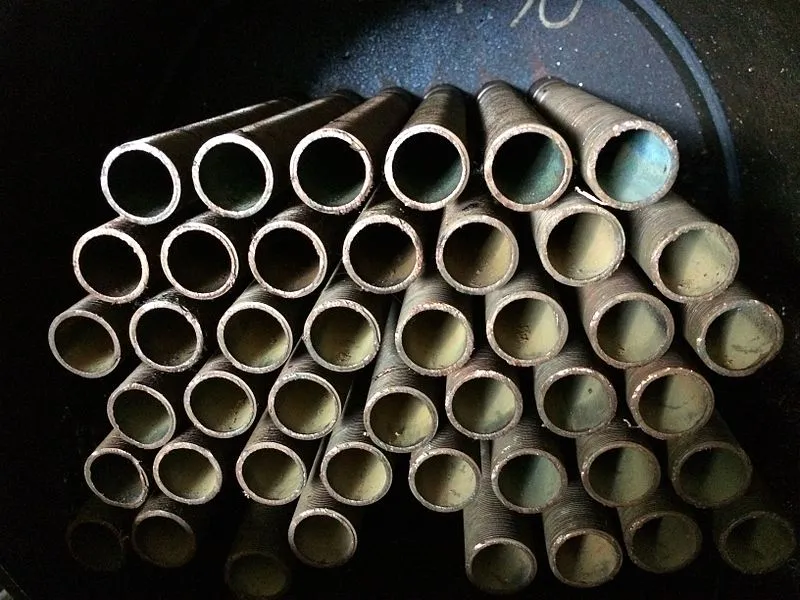
Seamless tubes in TP316L, TP321, Incoloy 825, Duplex 2205, and more
Heat exchanger tubes tested for corrosion, hardness, grain size, and pressure
Inspection-ready documentation with 3.1 / 3.2 certification
Custom cut-to-length or U-bent tubes for power plants, refineries, chemical plants
Conclusion
Understanding and preventing tube failures saves money, time, and reputational damage. Whether it’s stress cracking or under-deposit corrosion, the solution often lies in proper alloy selection, thoughtful design, and proactive inspection.
Choose DLSS to help you engineer longer-lasting, failure-resistant tube systems.
Product Overview: ASTM A213/ASME SA213 TP321 Seamless Tube (1.4541) The ASTM A213/ASME SA213 TP321 (1.4541) seamless tube is a high-performance, austenitic stainless steel tube designed for critical applications in heat exchangers and other high-temperature, high-stress systems. Known for its excellent corrosion resistance, especially against sulfuric and nitric acids, and its ability to...
Introduction As the global push for carbon neutrality intensifies, renewable energy systems are expanding at an unprecedented rate. From solar thermal plants to hydrogen pipelines, the infrastructure behind green energy demands materials that offer durability, corrosion resistance, and long life cycles under harsh environments. DLSS provides high-grade stainless steel tubes...
Electropolished stainless steel tubes are often called EP tubes. They are used in clean and high-purity systems. These systems need a smooth inner surface, low particle risk, and good corrosion resistance. EP tubes are common in: The most important point for many buyers is surface roughness. Surface roughness is usually...
For EPC contractors and end users, high-performance alloy pipes are not ordinary commodities. Materials such as titanium, Alloy 625, Alloy 825, Hastelloy C-276, Monel 400, duplex stainless steel, and super duplex stainless steel are often used in desalination, LNG, chemical processing, power plants, refineries, offshore platforms, and heat exchanger systems....
Introduction Heat exchangers are essential components in power plants, refineries, HVAC systems, and chemical processing. Yet, even with premium-grade stainless steel tubes, failures can occur—leading to leaks, shutdowns, and expensive repairs. DLSS has helped dozens of clients investigate and resolve stainless tube failures across the globe. In this article, we...
1. Sustainable Stainless Steel Production With the global push toward decarbonization, the stainless steel industry is rapidly transitioning to green steel production. In 2025: Key Keywords: green stainless steel, low-carbon stainless steel, ISO 14001 stainless tube supplier 2. Global Capacity Shifts and Import Pressure According to CRU Group, stainless steel...
When importing stainless steel pipes and tubes, one of the most important documents is the Mill Test Certificate (MTC). This document provides traceability and guarantees that the materials meet international standards. However, many buyers are not fully familiar with how to read and interpret an MTC correctly. In this article,...
Introduction If you’ve ever walked through an oil refinery or a chemical plant, you’ve probably seen a flange connection wrapped in insulation—maybe even dripping or steaming from a tiny leak. Flange connections are everywhere in pipeline systems, but when not sealed properly, they’re one of the most common sources of...