Comparing ASTM A213, A269, and A312 – Selecting the Right Stainless Steel Tube Standard

DLSS - Tubes For Heat Exchanger - Comparing ASTM A213, A269, and A312 – Selecting the Right Stainless Steel Tube Standard

Introduction

When sourcing stainless steel tubes, choosing the correct ASTM standard is critical for compliance, safety, and performance. Among the most commonly used specifications are:

  • ASTM A213 – Seamless tubes for high-temperature service
  • ASTM A269 – Welded/seamless tubes for general corrosion-resisting applications
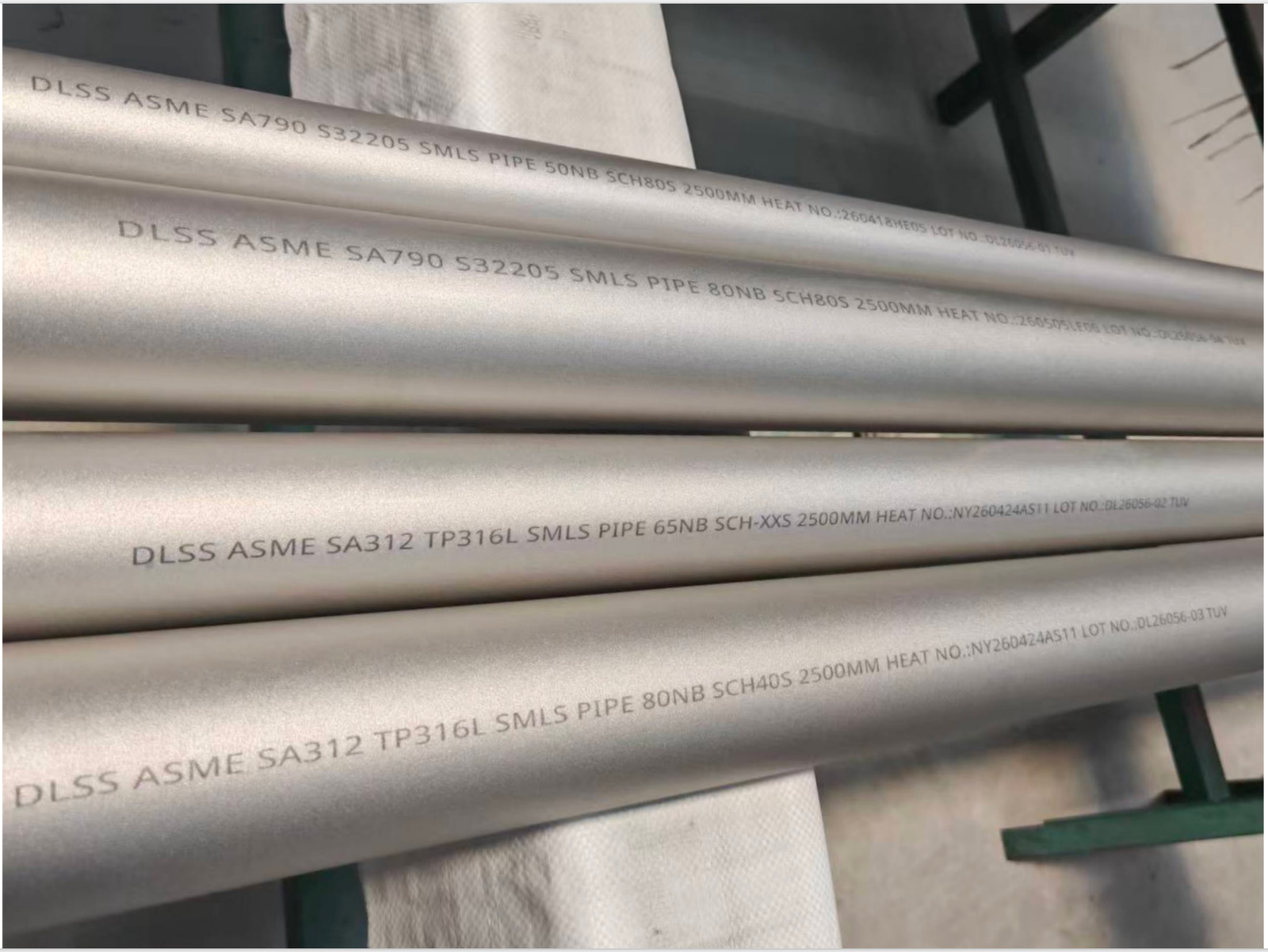
  • ASTM A312 – Heavy-duty pipes for pressure service

Each standard serves a specific purpose and comes with unique mechanical, dimensional, and testing requirements. This guide will help you understand the differences and select the right standard for your needs.


1. Overview of Each ASTM Standard

StandardTube TypeMain Application
ASTM A213Seamless onlyHeat exchanger, boiler, superheater
ASTM A269Seamless/WeldedGeneral-purpose fluid transport
ASTM A312Seamless/WeldedPressure piping, industrial pipework

2. Key Differences Between A213, A269, and A312

FeatureASTM A213ASTM A269ASTM A312
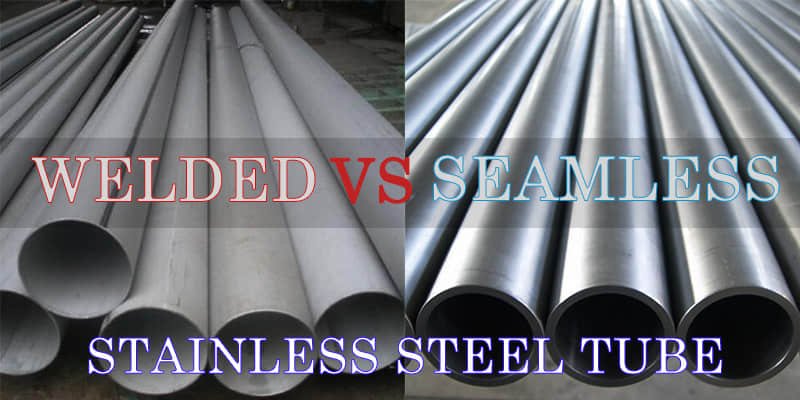
Tube TypeSeamlessSeamless or weldedSeamless or welded
Wall ThicknessUsually thinner (calculated)MediumThick-walled
ApplicationHeat exchanger, boilerFood, chemical, general tubingStructural, pressure pipe
Surface FinishBA, pickledBA, polished, pickledPickled or polished
Nondestructive TestingMandatory ET or hydrostaticET/hydro recommendedHydrostatic required
Mechanical TestsFlattening, flaring, hardnessFlattening, flange, reverse bendTensile, flattening, bend, hydro

3. Choosing the Right Standard – Application-Based Guide

ApplicationRecommended Standard
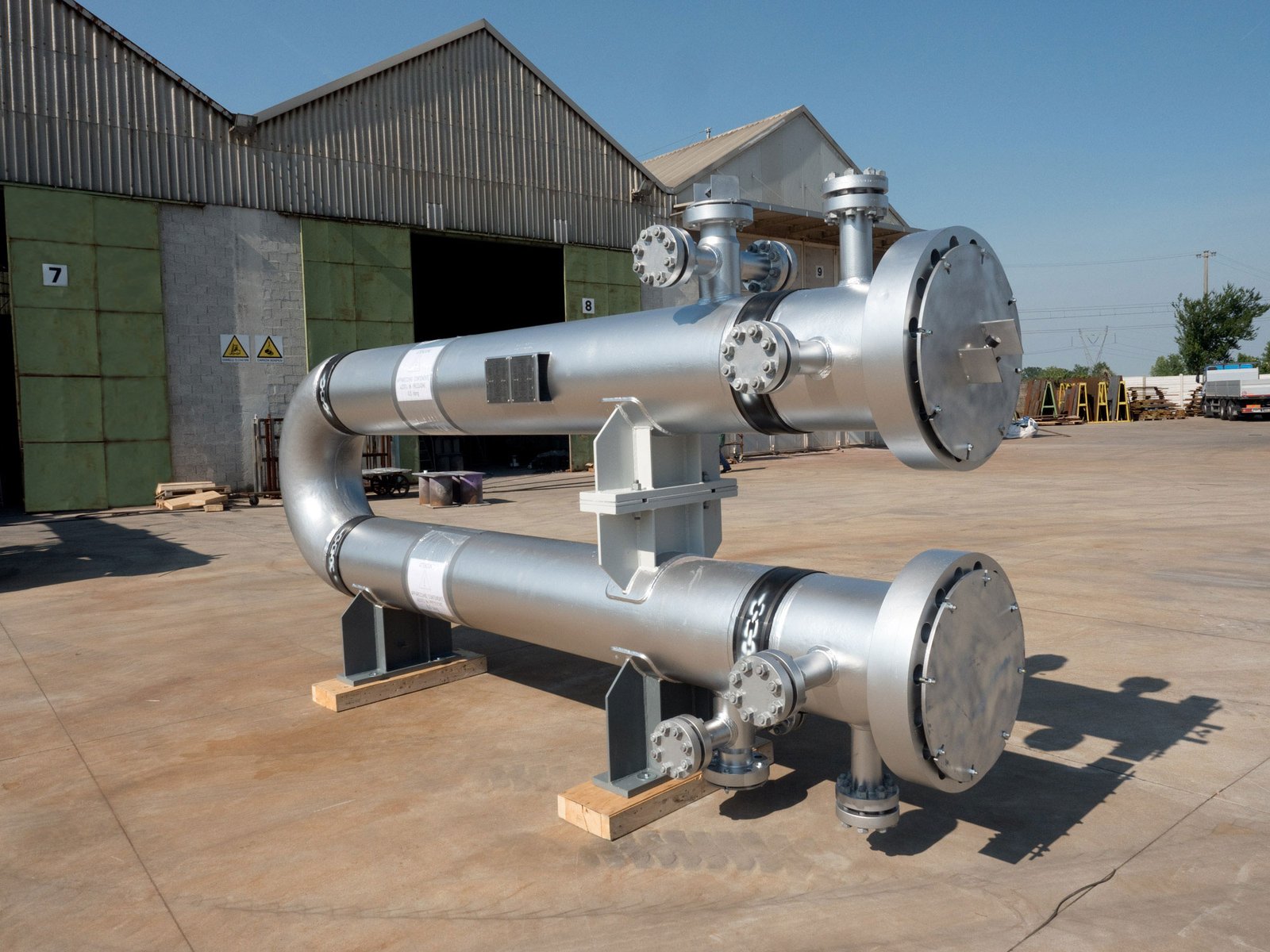
Shell-and-tube heat exchangersASTM A213
High-pressure fluid pipingASTM A312
Food-grade water transfer systemsASTM A269
Superheated steam lines (Power plants)ASTM A213
Corrosive chemical pipingASTM A312 or A269
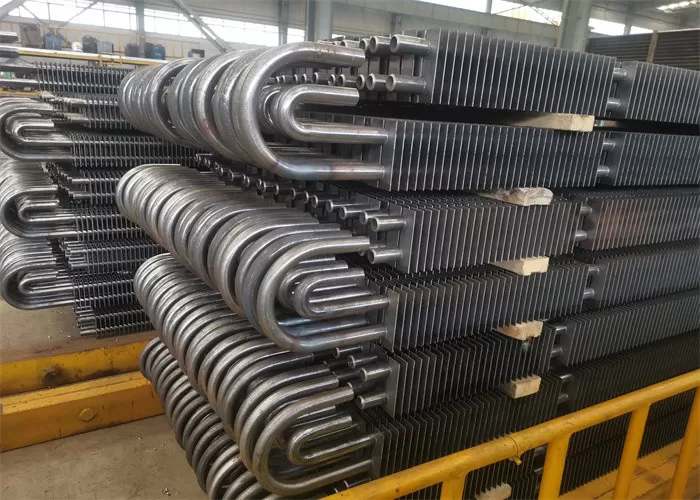
Condensers and U-bend tubesASTM A213

For a complete list, refer to ASTM’s official standards database


4. DLSS Product Range According to Standards

StandardGrades AvailableSize Range (OD × WT)Surface Finish
A213TP304/L, TP316/L, TP321, TP3476–50.8 mm × 0.5–3.0 mmBA, Pickled
A269TP304/L, TP316/L, TP904L6–76 mm × 0.5–2.5 mmBA, Polished, EP
A312TP304/L, TP316/L, Duplex 220521.3–219.1 mm × 2.0–12.7 mmPickled, Polished

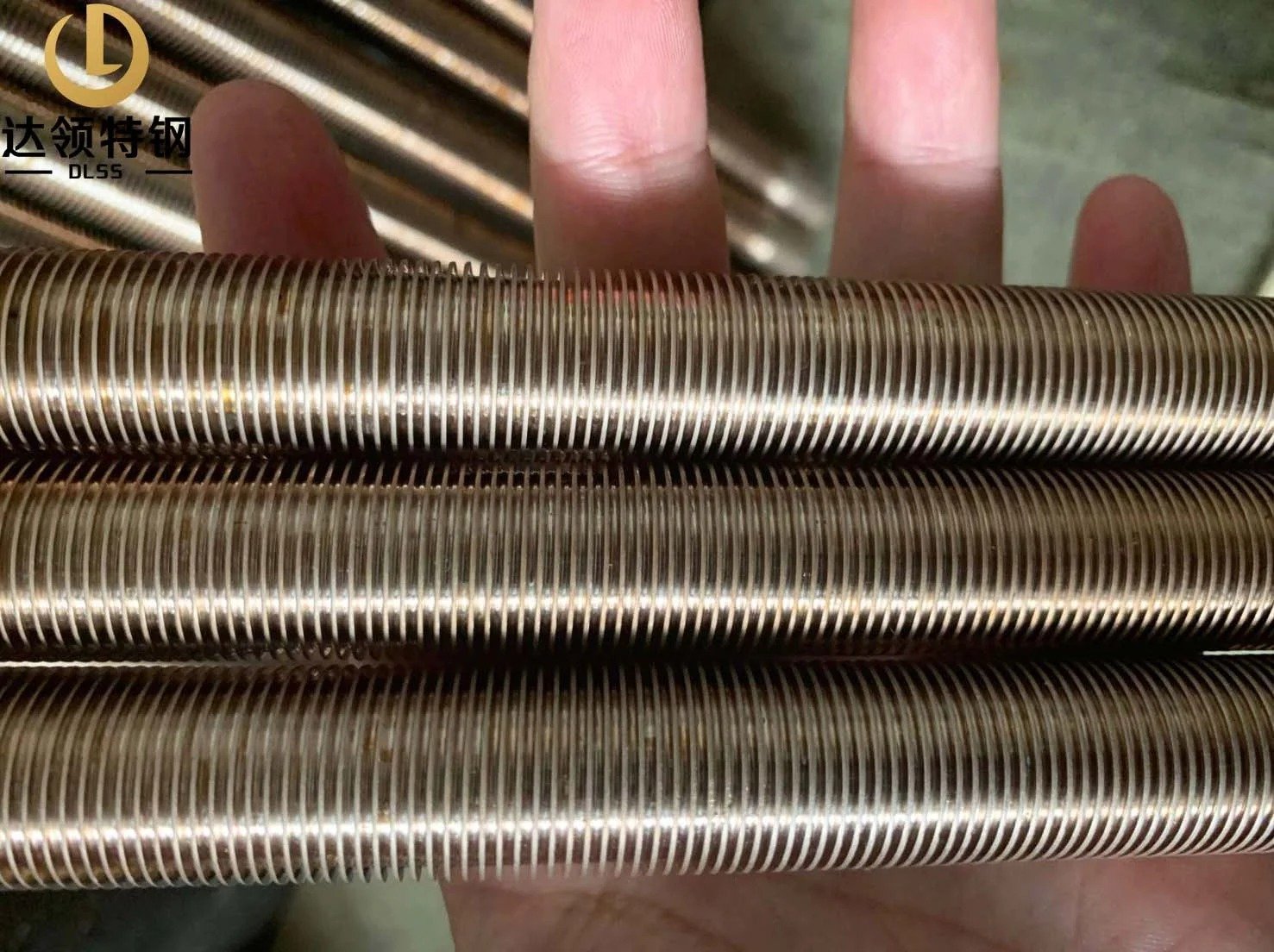
DLSS can also supply custom U-bend and corrugated tubes for heat exchangers per ASTM A213.


5. Cost and Lead Time Considerations

  • ASTM A213 tubes are more expensive due to seamless manufacturing and stricter testing
  • ASTM A269 offers flexibility with welded options for less demanding uses
  • ASTM A312 pipes have higher material cost due to wall thickness and size

Selecting the correct standard avoids over-specification and reduces procurement cost without compromising on safety or performance.


FAQs

Q1: Can I use ASTM A269 tubes in a boiler application?
No. For high-pressure, high-temperature applications, ASTM A213 is required due to its testing and dimensional tolerance.

Q2: Are A312 pipes available with NACE MR0175 certification?
Yes. DLSS can supply A312 pipes with full MTC and NACE compliance for sour gas service.

Q3: What is the surface roughness of A269 BA tubes?
Typical internal Ra ≤ 0.2 µm. For EP tubes (electropolished), Ra ≤ 0.05 µm.

Q4: Can DLSS offer 3.2-certified material for these standards?
Yes. We provide 3.2 inspection with Lloyd’s, BV, SGS or TÜV as required.


Conclusion

Understanding the difference between ASTM A213, A269, and A312 is essential for selecting the right stainless steel tubing. DLSS provides seamless and welded solutions to meet every specification—with global shipping, technical support, and full traceability.


Contact DLSS
Email: info@dlsspipe.com
Website: www.dlsspipeline.com

Still unsure which standard fits your application? Our engineers are ready to help you make an informed decision.

Wonderful! Share This Case:

Austenitic Stainless Steel

Duplex Stainless Steel

Nickel Alloys

▪ Incoloy Family

▪ Inconel Family

▪ Monel Family

▪ Hastelloy Family

▪ Other Special Alloys

Cobalt Alloys

Related Posts

ISO 2037 Sanitary

ISO 2037 sanitary tube is a common term in food, beverage and hygienic piping projects. Many old drawings, RFQs and equipment lists still mention ISO 2037. Buyers may also use this term when they need stainless steel sanitary tubes for dairy lines, beverage lines, food processing systems or clean process...

Read More
Why Duplex Stainless Steel Tubes Are Ideal for South America's Offshore Oil & Gas Projects

Why Duplex Stainless

Introduction From Brazil’s pre-salt fields to Colombia’s coastal gas terminals, offshore exploration in South America is pushing engineering materials to the limit. The tubes used in these operations must endure salt spray, H₂S gas, high pressure, and cyclic loads. This is where duplex stainless steel tubes outperform traditional stainless steel...

Read More
latin-america-energy-projects-stainless-steel-opportunities

Latin America’s Energy

In recent years, Latin America has emerged as a hotbed of industrial investment. From deepwater oil fields in Brazil to lithium mines in Argentina and sugar mills in Colombia, the region is investing heavily in infrastructure and energy. For suppliers of stainless steel tubes, heat exchanger coils, and industrial piping...

Read More
What Is Bright Annealed Tube (BA)? Benefits, Applications, and Surface Control

Stainless Steel Tube

Surface finish is an important part of stainless steel tube selection. For stainless steel tubes, duplex tubes, nickel alloy tubes and heat exchanger tubes, the surface condition can affect corrosion resistance, cleanliness, inspection results, welding quality and final application performance. Common stainless steel tube surface finishes include pickled surface, bright...

Read More
Hygienic-Grade Stainless Steel Tubes in the Food and Pharmaceutical Industries: Global Trends and Compliance

Hygienic-Grade Stainless Steel

The demand for hygienic-grade stainless steel seamless tubes is rapidly expanding, particularly in the food & beverage (F&B) and pharmaceutical industries. These sectors require tubing with ultra-smooth surfaces, precise dimensional control, and strict compliance with international sanitary standards such as 3-A, ASME BPE, and ISO 2037. In this article, we...

Read More
316 vs 316L vs 316Ti stainless steel

316 vs 316L

1. Overview In demanding industries such as heat exchangers, condensers, boilers, and pressure vessels, stainless steels of the 316 family are among the most widely used materials. However, choosing between 316, 316L, and 316Ti depends on factors like weldability, temperature stability, and corrosion resistance. At DLSS (Zhejiang Daling Special Steel...

Read More
Stainless Steel Instrumentation Tubing for Japan’s Oil & Gas Projects – 日本石油・ガス産業向けステンレス計装チューブ

Stainless Steel Instrumentation

Introduction The oil and gas industry in Japan demands high-precision stainless steel instrumentation tubing for safe and efficient operation of control systems. DLSS supplies JIS G3446-compliant tubes with excellent corrosion resistance, precision dimensional tolerances, and long service life in harsh offshore and onshore environments. 1. Why Stainless Instrumentation Tubes for...

Read More
Aluminum Brass C68700 (O61) ASTM B111 Seamless Tube 19 × 1.6mm × 3000mm with 100% Eddy Current Testing for Condenser Applications.

Aluminum Brass C68700

Product Overview: ASTM B111 C68700 Aluminum Brass Seamless Tube (19×1.6mm, 3000mm) C68700 Aluminum Brass, also known as Al-Brass, is a copper-zinc alloy enhanced with a small amount of aluminum. It is widely recognized for its exceptional resistance to dezincification, corrosion, and biofouling, especially in seawater and brackish water environments. This makes it...

Read More

Request A Quote

*We respect your confidentiality and all information are protected.