Stainless Steel U-Bend Tubes for Japan’s Condenser Systems – 日本向けコンデンサー用Uベンドステンレス管

DLSS - Market Insights – Japan - Stainless Steel U-Bend Tubes for Japan’s Condenser Systems – 日本向けコンデンサー用Uベンドステンレス管

Introduction

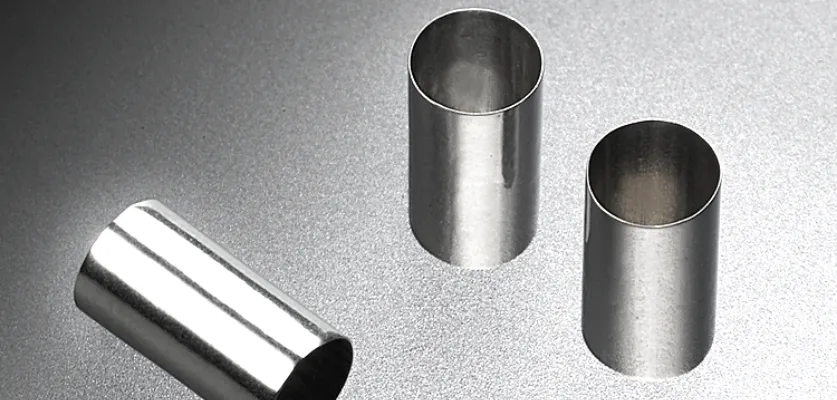
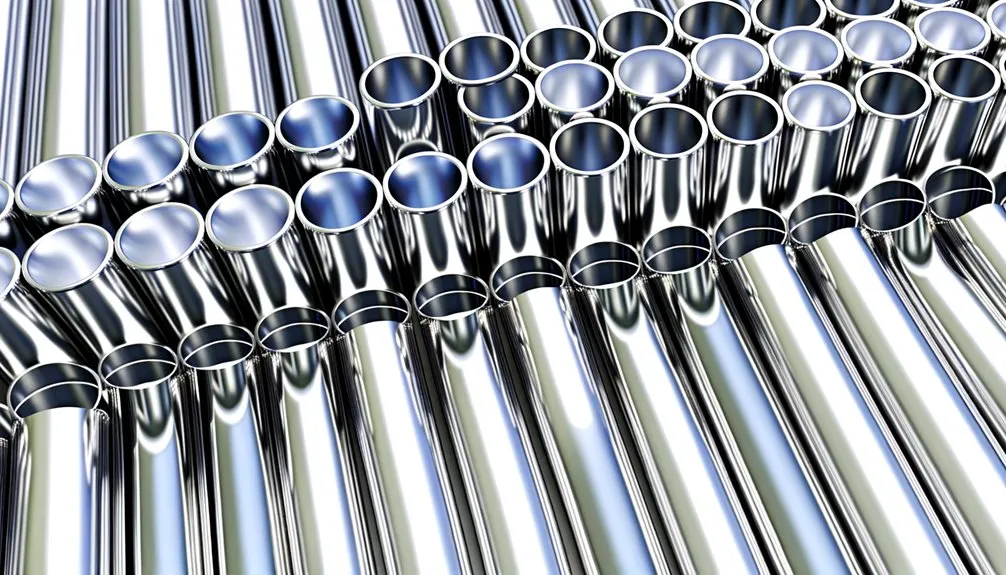
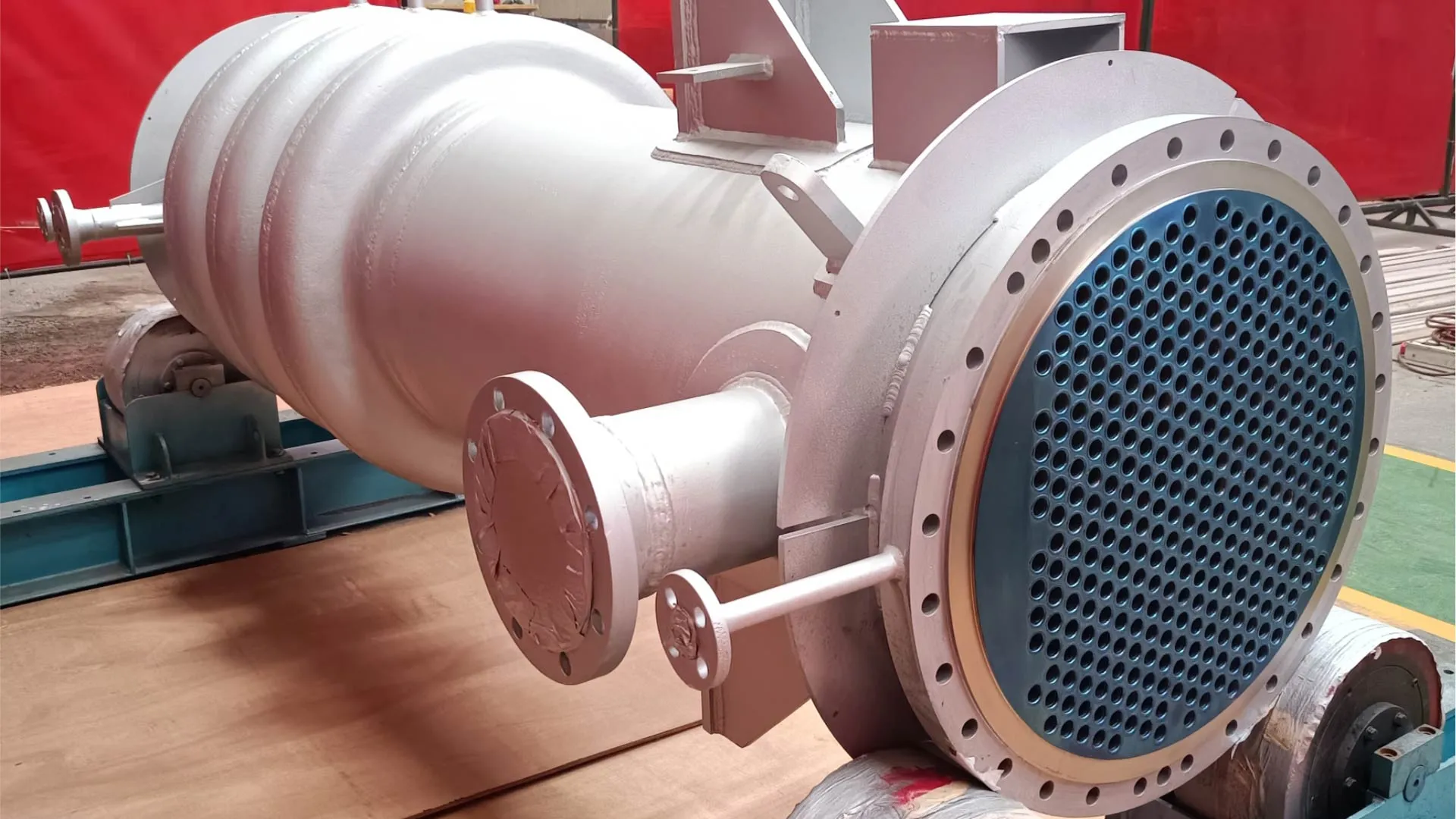
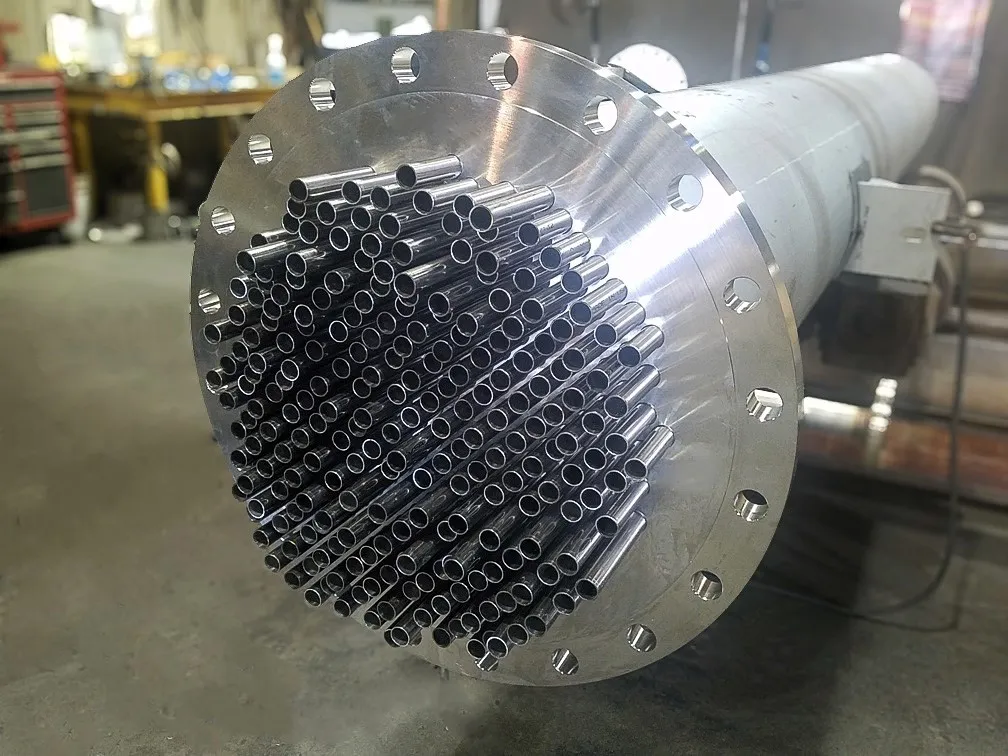
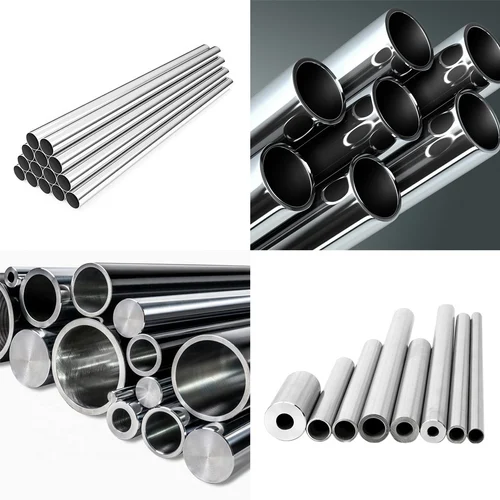
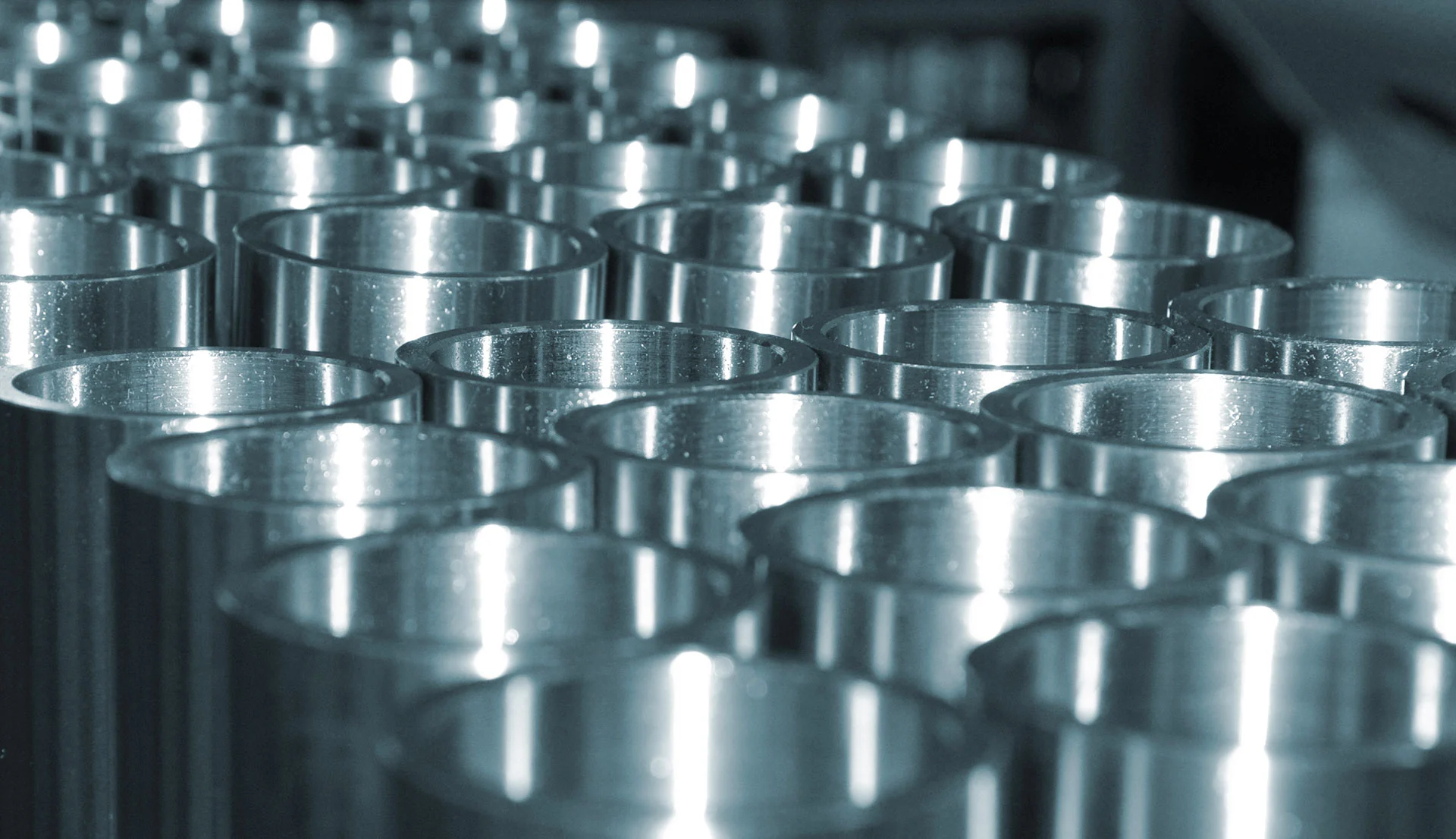
In Japan’s power generation, chemical processing, and desalination industries, U-bend stainless steel tubes play a critical role in enhancing the efficiency of condenser systems. DLSS Stainless Steel Seamless Pipes are engineered to meet JIS G3463 – Stainless Steel Boiler and Heat Exchanger Tubes, ensuring precise bending, corrosion resistance, and optimal heat transfer for Japanese projects.


1. JIS-Compliant Materials for Japanese Projects(日本規格に準拠した材料)

DLSS manufactures JIS-compliant stainless steel U-bend tubes in various grades:

All tubes come with Mill Test Certificates (MTC) and can meet dual standards such as JIS + ASTM A213.


2. Precision Bending for Tight Radii(高精度ベンディング)

Japanese condensers often require compact designs. Our bending process ensures:

  • No wall thinning beyond 10%
  • No wrinkles or ovality issues
  • Uniform geometry for consistent performance

3. Heat Transfer Optimization(熱交換効率の最適化)

Our heat exchanger tubes are designed for:

  • Smooth internal surfaces for minimal flow resistance
  • Stable wall thickness after bending
  • Long service life under high-temperature conditions

4. Packaging and Shipping for Japan(日本向け梱包と輸送)

To ensure tubes arrive without deformation, DLSS uses:


5. Applications in Japan(日本での用途)


FAQ(よくある質問)

Q1: Which JIS standard applies to U-bend tubes in Japan?
A1: JIS G3463 – Stainless Steel Boiler and Heat Exchanger Tubes is the most common standard for condenser tubes.

Q2: Can DLSS match tight bend radius requirements for Japanese condensers?
A2: Yes. Our U-bend tube manufacturing process ensures precise bending without exceeding wall thinning limits.

Q3: What grade is best for seawater condenser tubes in Japan?
A3: SUS316L or duplex stainless steel is recommended for chloride-rich environments.

Q4: How are U-bend tubes tested before shipment?
A4: Tubes undergo hydrostatic testing, eddy current testing, and visual inspections.

Q5: What is the delivery time for U-bend tubes to Japan?
A5: Typically 40–50 days, depending on size, bend radius, and quantity.
Wonderful! Share This Case:

Austenitic Stainless Steel

Duplex Stainless Steel

Nickel Alloys

▪ Incoloy Family

▪ Inconel Family

▪ Monel Family

▪ Hastelloy Family

▪ Other Special Alloys

Cobalt Alloys

Related Posts

ultrasonic testing tube inspection

5 Reasons Ultrasonic

Ultrasonic testing tube inspection is a critical non-destructive method used in the stainless steel tube industry to ensure product quality, safety, and compliance with international standards. Especially in industries such as heat exchangers, boilers, power plants, and oil & gas, even the smallest internal defect can lead to costly failures...

Read More

Stainless Steel Seamless

Meta Description:Explore how stainless steel seamless pipes tested to NACE MR0175 / ISO 15156 and MR0103 standards ensure safety in sour service environments. Learn about SSC, HIC, and corrosion resistance. Introduction Sour service environments—such as oil and gas fields containing hydrogen sulfide (H₂S)—pose serious challenges to piping materials. Without the...

Read More
Top Applications of Tubular Heat Exchangers in the Oil and Gas Industry

Top Applications of

In the oil and gas industry, process reliability, corrosion resistance, and thermal efficiency are critical to success. Among the most vital components enabling these outcomes are tubular heat exchangers, particularly shell and tube heat exchangers (STHEs). From upstream production to downstream refining, these systems provide the thermal control required in...

Read More
Meeting JIS G3459 Standards for Stainless Steel Seamless Pipes(JIS G3459規格に適合するステンレス無縫管)

Meeting JIS G3459

1. Introduction JIS G3459 seamless pipe Japan is a widely recognized specification for stainless steel pipes used in chemical, food, marine, and high-temperature applications. For Japanese buyers, compliance with ステンレス無縫管 規格 (stainless seamless pipe standards) is not optional—it is the foundation of product acceptance. DLSS ensures every tube meets or...

Read More
Nickel Alloy Steel Seamless Pipes and Tubes: Industrial Advantages and Applications

TP321 Heat Exchanger

Introduction Japanese industries such as power generation, petrochemicals, and marine engineering often require high-temperature-resistant stainless steel tubes. TP321 heat exchanger tubes from DLSS meet JIS G3463 – Stainless Steel Boiler and Heat Exchanger Tubes, providing exceptional stability against oxidation and creep at elevated temperatures. 1. Why TP321 for High-Temperature Applications(高温用途でTP321が選ばれる理由)...

Read More
Common Condenser Coil Problems and How to Prevent Them (Ultimate HVAC Maintenance Guide)

Common Condenser Coil

What Is a Condenser Coil in an Air Conditioner? The condenser coil is the heart of your outdoor HVAC system. It’s responsible for releasing the heat collected indoors by your refrigerant. When the coil fails—due to dirt, leaks, or damage—your air conditioner stops cooling, your energy bills rise, and long-term system damage becomes inevitable. Keyword Targets: condenser...

Read More
Stainless Steel Tube Defects – Common Issues, Causes, and How to Prevent Them

Stainless Steel Tube

Introduction Stainless steel tubes are used in critical applications across industries—from heat exchangers and boilers to instrumentation and food processing. But even high-grade stainless steel can experience defects during production or use, which may compromise performance, safety, or compliance. This article outlines the most common stainless steel tube defects, their...

Read More
Spiral Finned Tube vs Extruded Finned Tube: Which is Better for Your Project?

Spiral Finned Tube

When selecting spiral finned tube vs extruded finned tube for a heat exchanger, engineers must weigh performance, durability, and operating costs. Both fin types enhance heat transfer, but their differences can significantly affect long-term efficiency. If you’re new to finned tubes, start with What is a Finned Tube and How...

Read More

Request A Quote

*We respect your confidentiality and all information are protected.