Ultrasonic vs Eddy Current Testing: Which Is Best for Heat Exchanger Tube Inspection?

DLSS - Pipe&Tube - Ultrasonic vs Eddy Current Testing: Which Is Best for Heat Exchanger Tube Inspection?

Meta Description:
Understand the key differences between ultrasonic testing (UT) and eddy current testing (ECT) for stainless steel and alloy heat exchanger tubes. Learn which method is best for your application.


Introduction

Non-destructive testing (NDT) is essential in the manufacturing and inspection of stainless steel tubes used in critical heat exchanger systems. Among the most widely used methods are:

  • Ultrasonic Testing (UT)
  • Eddy Current Testing (ECT)

But which one is better for your project? The answer depends on material type, tube thickness, surface condition, and defect detection goals.

This article breaks down each method’s principles, pros and cons, and their suitability for different tube inspection needs.
Ultrasonic vs Eddy Current Testing: Which Is Best for Heat Exchanger Tube Inspection?

What Is Ultrasonic Testing (UT)?

Ultrasonic testing uses high-frequency sound waves (typically 1–10 MHz) to detect internal defects. A transducer sends sound into the tube wall, and any echo (reflection) reveals anomalies such as:

  • Laminations
  • Inclusions
  • Cracks
  • Wall thickness variations
Ultrasonic vs Eddy Current Testing: Which Is Best for Heat Exchanger Tube Inspection?

UT Standards for Tubes:

  • ASTM E213: UT for seamless metal tubes
  • ASME SA-388: UT for forged products
  • EN ISO 10893-10: UT of steel tubes for pressure purposes

See official ASTM E213 overview


What Is Eddy Current Testing (ECT)?

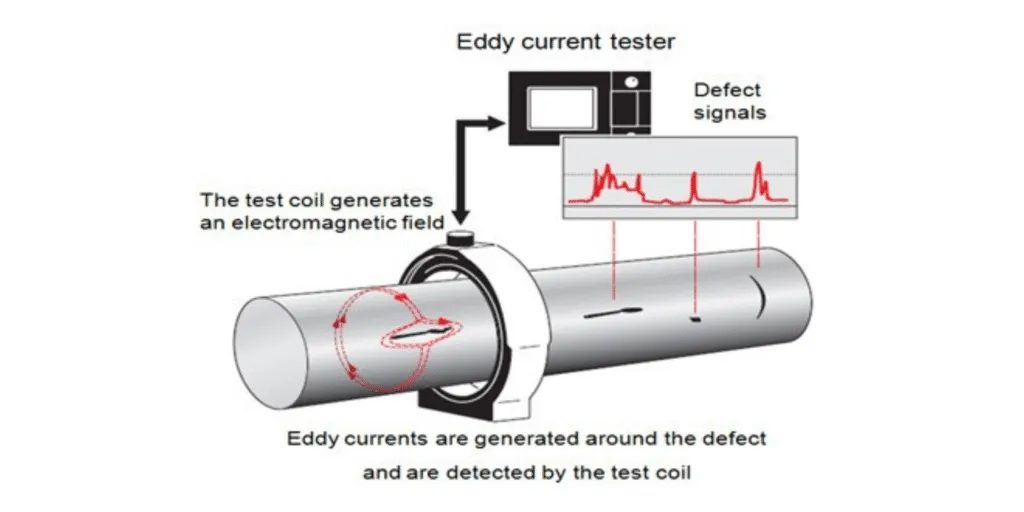
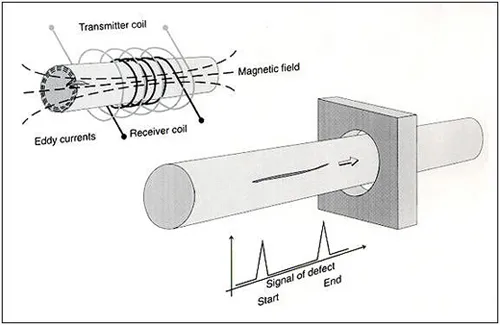
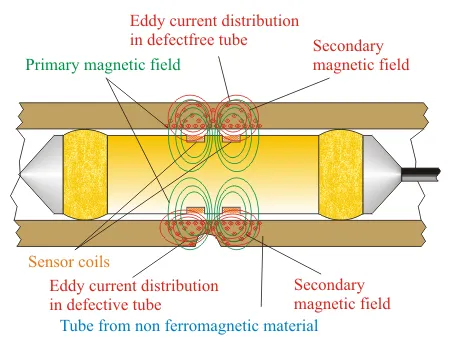
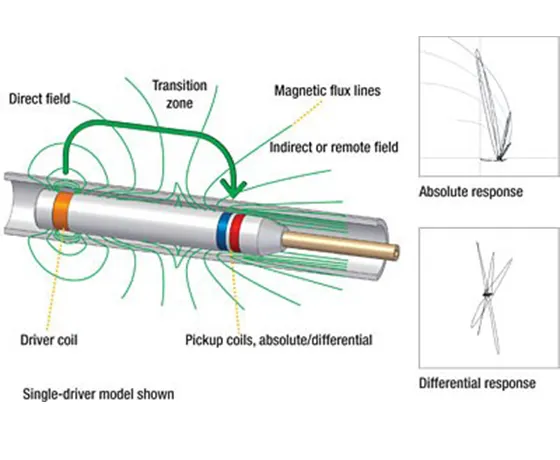
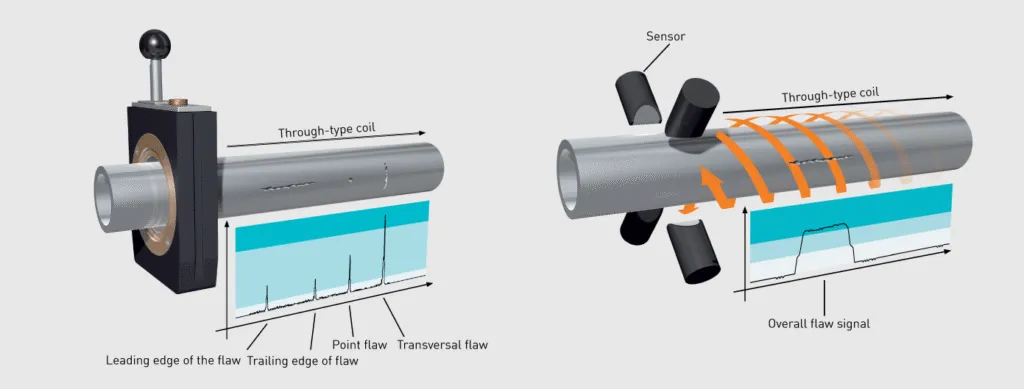
Eddy current testing works by generating electromagnetic fields in conductive materials. When a probe passes through or around the tube, variations in conductivity or permeability cause distortions, revealing:

  • Surface defects
  • Subsurface flaws (within 1–2 mm depth)
  • Corrosion pitting
  • Seam weld defects

ECT is highly effective on non-magnetic stainless steels (like 316L) and thin-wall tubes.
Ultrasonic vs Eddy Current Testing: Which Is Best for Heat Exchanger Tube Inspection?

ECT Standards for Tubes:

  • ASTM E426: ECT of nonferrous tubes
  • EN ISO 10893-2: ECT of seamless and welded steel tubes

Side-by-Side Comparison Table

FeatureUltrasonic Testing (UT)Eddy Current Testing (ECT)
PrincipleHigh-frequency sound wavesElectromagnetic induction
DetectsInternal flaws, wall thicknessSurface and near-surface defects
Penetration DepthFull-wall1–2 mm max
Surface Prep NeededYes (couplant, clean surface)Minimal
Suitable for Magnetic MaterialsYesNo (limited to non-magnetic)
SpeedSlower (requires calibration)Faster (especially for 100% ECT)
Ideal ForWeld flaws, laminations, thicknessSurface cracks, ID/OD pitting
Common StandardsASTM E213, ISO 10893-10ASTM E426, ISO 10893-2

When to Use UT vs ECT in Heat Exchanger Tubes

ApplicationRecommended MethodReason
High-pressure boiler tubesUTDetects wall thickness & deep flaws
Non-ferrous condenser tubes (CuNi, Brass)ECTFast and effective for surface pitting
Austenitic stainless steel (316L)ECT + optional UTGood surface scan; combine if full wall is critical
Duplex/super duplex tubesUTBetter for through-wall inclusions
Welded tubesUT or combination with ECTValidate weld seam + surface finish

DLSS Inspection Capabilities

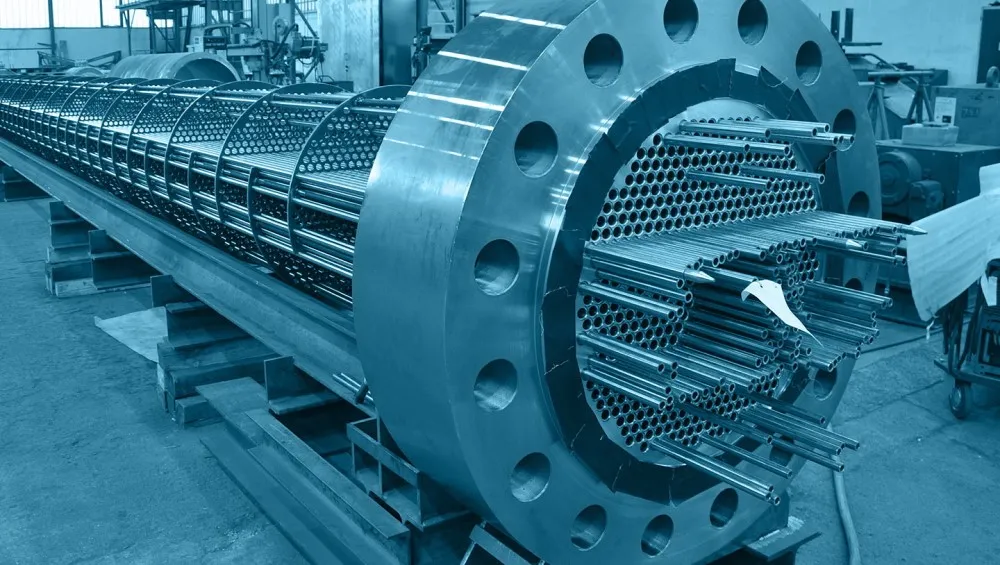
DLSS provides 100% NDT inspection options upon request, including:

  • 100% UT for seamless heat exchanger tubes
  • 100% ECT for thin-wall or condenser-grade tubes
  • Hydrostatic Testing for pressure validation
  • Visual + Dimensional Checks as per EN 10216, ASTM A213

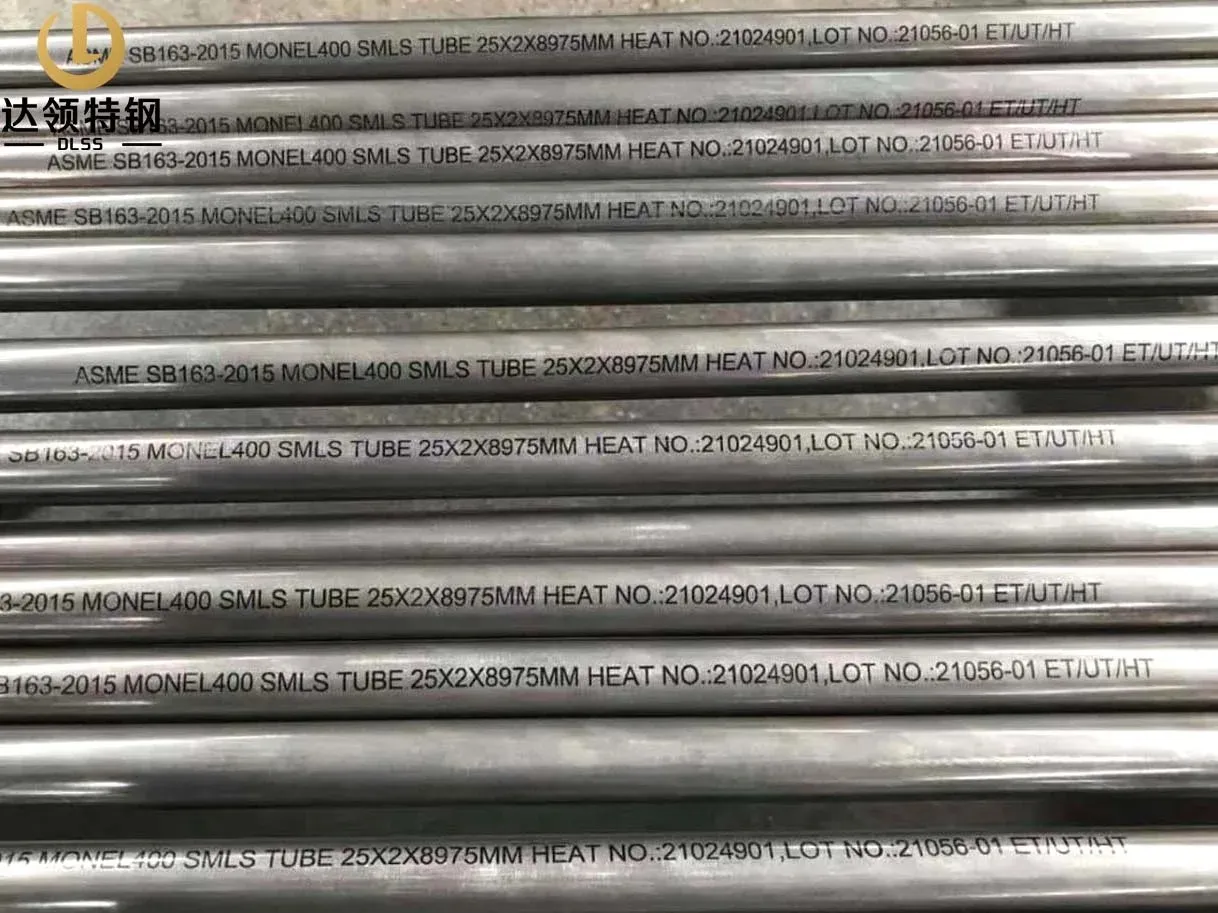
All tests are certified in the Mill Test Certificate (MTC) with traceable results and heat numbers.
Ultrasonic vs Eddy Current Testing: Which Is Best for Heat Exchanger Tube Inspection?

Real-World Example: Duplex Tube Order for Offshore Platform

A Norwegian client requested 25.4×2.11 mm S32205 duplex tubes for an offshore cooler. Their specification required:

  • 100% UT to EN ISO 10893-10
  • Wall thickness verification (±0.05 mm)
  • Seam weld confirmation via PT (for welded samples)

DLSS successfully delivered the order with zero rejection—verified by third-party TUV inspector onsite.
Ultrasonic vs Eddy Current Testing: Which Is Best for Heat Exchanger Tube Inspection?

Conclusion

UT and ECT are complementary tools in stainless steel tube inspection. Depending on your tube grade, wall thickness, and defect sensitivity:

  • Use UT for deep defects and structural soundness
  • Use ECT for surface flaw detection and fast screening

DLSS supports both methods in-house or via certified third parties, ensuring the integrity of your heat exchanger tubes before shipment.


Contact DLSS for NDT-Qualified Tubes
Email: info@dlsspipe.com
Website: www.dlsspipeline.com

Need help specifying the right inspection method for your project? We’re here to guide you—test by test.


Wonderful! Share This Case:

Austenitic Stainless Steel

Duplex Stainless Steel

Nickel Alloys

▪ Incoloy Family

▪ Inconel Family

▪ Monel Family

▪ Hastelloy Family

▪ Other Special Alloys

Cobalt Alloys

Related Posts

Rare Alloy Tubes: 5 Uncommon but Powerful Metals Used in High-Performance Piping

Rare Alloy Tubes: 5 Uncommon

Meta Description:Explore rare and exotic alloy tubes like Incoloy 825, 254 SMO, Monel 400, and more. These metals offer unmatched corrosion and temperature resistance for specialized industries. Introduction While 304 and 316 stainless steels dominate industrial applications, many extreme environments require specialty or rare metal alloys for superior corrosion resistance, strength, or temperature tolerance. This […]

Read More
How to Pass 3.2 Certification for Heat Exchanger Tubing Projects

How to Pass 3.2 Certification

Meta Description:EN 10204 3.2 certification is often mandatory for high-spec tubing projects. Learn what it means, how to prepare, and how to ensure your stainless steel heat exchanger tubes pass 3.2 inspection. Introduction For heat exchanger projects in industries like oil & gas, power generation, and refineries, third-party certification is often non-negotiable. One of the […]

Read More
Aluminum Brass C68700 (O61) ASTM B111 Seamless Tube 19 × 1.6mm × 3000mm with 100% Eddy Current Testing for Condenser Applications.

Aluminum Brass C68700 (O61) ASTM

Product Overview: ASTM B111 C68700 Aluminum Brass Seamless Tube (19×1.6mm, 3000mm) C68700 Aluminum Brass, also known as Al-Brass, is a copper-zinc alloy enhanced with a small amount of aluminum. It is widely recognized for its exceptional resistance to dezincification, corrosion, and biofouling, especially in seawater and brackish water environments. This makes it one of the most trusted […]

Read More
europe-cbam-stainless-steel-export-guide

How Europe’s CBAM Is Changing

On October 1, 2023, the European Union launched its Carbon Border Adjustment Mechanism (CBAM) — a groundbreaking policy that requires importers to report the embedded carbon emissions of certain goods, including iron, steel, and stainless steel. For stainless steel pipe and heat exchanger tube exporters, this marks a new era. Quality and price are no […]

Read More
Green Energy and ESG: How Sustainability Is Reshaping the Stainless Steel Seamless Tube Market

Green Energy and ESG: How

The stainless steel seamless tube industry is undergoing a quiet but profound transformation—not just driven by technical demands, but by Environmental, Social, and Governance (ESG) goals and the global energy transition. As governments, investors, and end-users demand cleaner, longer-lasting, and traceable materials, tube manufacturers are under growing pressure to reduce carbon footprint, improve transparency, and […]

Read More
Seamless vs Welded Stainless Steel Pipes: Which Is More Reliable in 2025?

Seamless vs Welded Stainless Steel

Meta Description:Learn the key differences between seamless and welded stainless steel pipes. Discover which option is better for pressure, corrosion, and project reliability in modern industrial applications. Introduction When selecting stainless steel pipes for high-stakes projects—whether in oil & gas, chemical processing, or heat exchanger systems—one key decision is: Should I choose seamless or welded […]

Read More
Stainless Steel Seamless Pipe Trends in South America (2025 Update)

Stainless Steel Seamless Pipe Trends

Meta Description:Explore the latest trends in stainless steel seamless pipe demand across South America. Learn which industries drive growth, preferred grades, and how DLSS supports regional projects. 1. Market Overview in South America South American demand for stainless steel seamless pipes has grown steadily, driven by: Analysts report a 6–7% CAGR in the region through […]

Read More
Europe’s Stainless Steel Tube Market: Compliance-Driven Demand and Strategic Opportunities

Europe’s Stainless Steel Tube Market:

Europe is one of the most regulated and compliance-focused markets in the world for stainless steel seamless tubes—especially for heat exchangers, pharma-grade piping, and energy infrastructure. With stringent requirements for traceability, environmental certification, and dual material standards, suppliers must demonstrate not only high product quality but also full alignment with EU directives. In this blog, […]

Read More

Request A Quote

*We respect your confidentiality and all information are protected.