Tuberías de Acero Inoxidable para Plantas de GNL en Perú y Colombia

DLSS - Oil & Gas Industry - Tuberías de Acero Inoxidable para Plantas de GNL en Perú y Colombia

Meta descripción:
Las plantas de GNL en Sudamérica exigen materiales con alta resistencia a presión, temperatura y corrosión. Descubra qué tuberías inoxidables son ideales para proyectos en Perú y Colombia.


Introducción

Perú y Colombia se están posicionando como centros estratégicos de exportación y distribución de GNL (Gas Natural Licuado).
Con plantas como Melchorita LNG (Perú LNG) y regasificadoras en Cartagena y Buenaventura, los operadores requieren sistemas de tuberías que resistan:

  • Ciclos térmicos extremos
  • Alta presión
  • Ambientes marinos corrosivos
  • Contacto con condensados ácidos

Aquí explicamos qué tipo de tuberías de acero inoxidable sin costura son más adecuadas para estos entornos críticos.


Requisitos Técnicos para Tuberías en Plantas de GNL

  • Resistencia criogénica: exposición a -160 °C o menos
  • Compatibilidad con gases húmedos o cloruros
  • Cumplimiento con normas ASME B31.3 y B31.8
  • Requisitos de limpieza interna (ID clean)
  • Ensayos NACE MR0175 si hay trazas de H₂S
  • Longitudes largas para reducir soldaduras

Las decisiones de material y acabado afectan directamente la seguridad, eficiencia térmica y durabilidad de toda la instalación.


Aceros Inoxidables Recomendados

GradoAplicaciónVentajas Técnicas
TP304LLíneas generales, no expuestas a H₂SEconómico, buena soldabilidad
TP316LContacto con condensados ácidosMayor resistencia a cloruros
TP321Zonas de alta temperaturaEstabilizado contra la precipitación de carburo
TP347HReformadores y hornosMayor resistencia a fluencia térmica
Alloy 825Línea de vapores ácidosExcelente resistencia química, cumple NACE

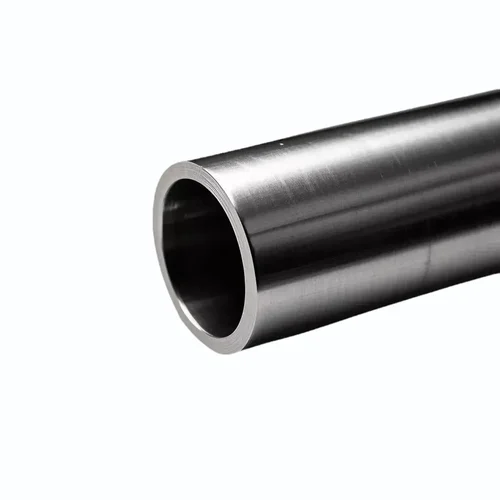
Todos disponibles en acabado decapado, BA o electropulido, con opción de limpieza interna, purgado con nitrógeno y extremos protegidos.


Normas Relevantes

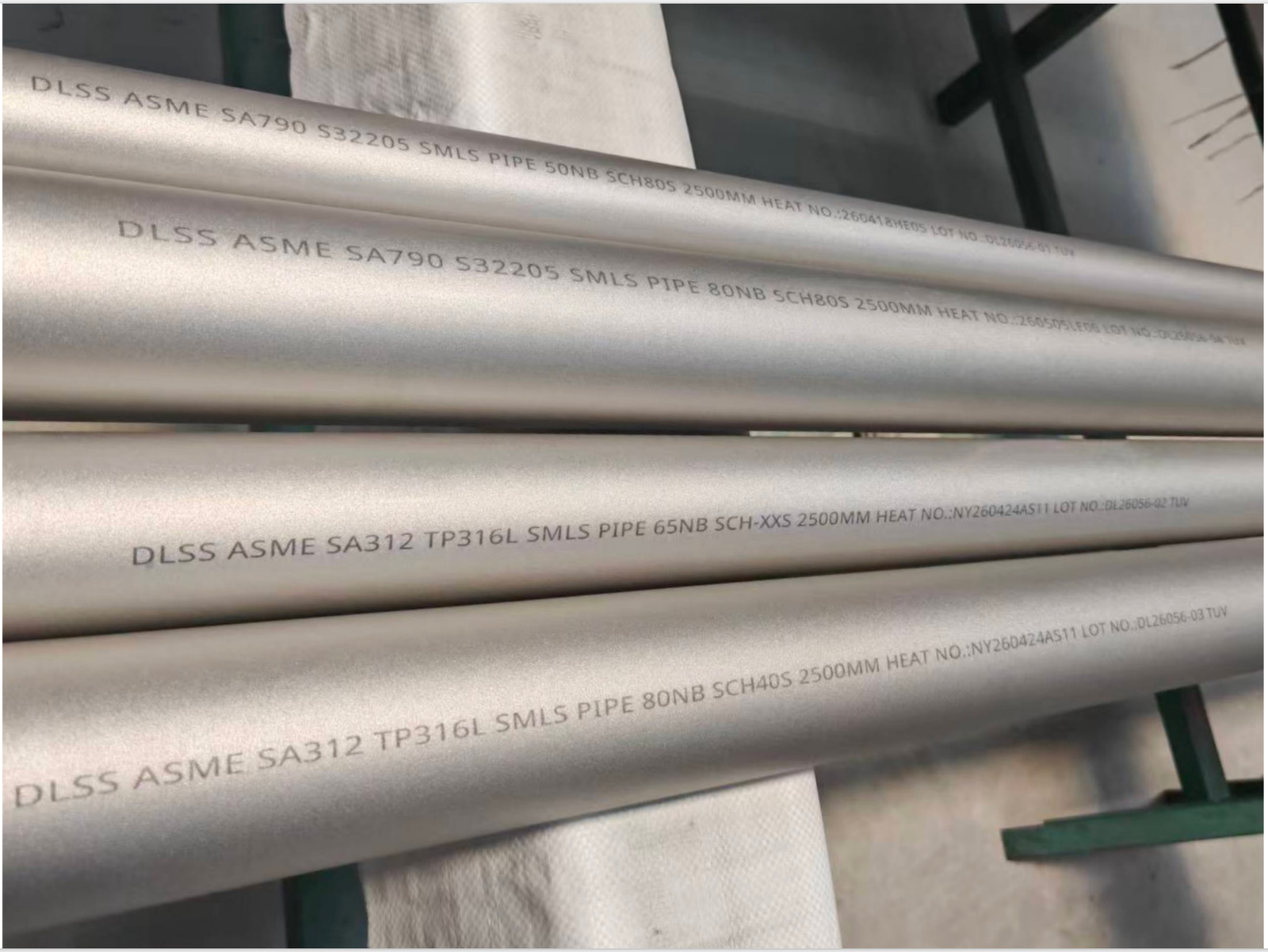
  • ASTM A312 / A213 / B423
  • ASME B31.3 / B31.8 / BPVC
  • NACE MR0175 / ISO 15156 (si aplica)
  • EN 10204 3.1 / 3.2 MTCs

DLSS trabaja bajo especificaciones exigidas por operadores como PERU LNG, Ecopetrol, Promigas, entre otros.


Proyectos y Casos de Éxito

DLSS ha suministrado tubos para:

  • Reemplazo de líneas de condensado ácido en Pampa Melchorita, Perú
  • Expansión de planta de regasificación en Cartagena, Colombia
  • Skids preensamblados con TP316L y Alloy 825 para embarques de GNL

Todos los productos fueron entregados con inspección de terceros y rotulación bilingüe según solicitud del cliente.


Soporte de DLSS

Ofrecemos más que tubos:

  • Cálculo de expansión térmica bajo pedido
  • Asistencia técnica remota en español
  • Cortes a medida y entrega rápida en puertos como Callao, Buenaventura, Barranquilla
  • Pruebas NDE, EC, PT, UT certificadas
  • Recomendaciones de soldadura y limpieza para ambientes criogénicos

Conclusión

En proyectos de GNL, la integridad del sistema de tuberías es crítica.
Elegir el material adecuado desde el inicio previene fallas, optimiza el rendimiento térmico y asegura años de operación confiable.

DLSS es su aliado confiable para entregar tuberías certificadas, resistentes y adaptadas a las condiciones exigentes de plantas de GNL en Sudamérica.


Contáctenos
Correo: info@dlsspipe.com
Sitio web: www.dlsspipeline.com

Wonderful! Share This Case:

Austenitic Stainless Steel

Duplex Stainless Steel

Nickel Alloys

▪ Incoloy Family

▪ Inconel Family

▪ Monel Family

▪ Hastelloy Family

▪ Other Special Alloys

Cobalt Alloys

Related Posts

The Role of Stainless Steel Tubes in Renewable Energy Systems – Solar, Wind, and Hydrogen

The Role of Stainless Steel

Meta Description:Discover how stainless steel tubes power the transition to renewable energy. Explore their critical applications in solar thermal systems, wind turbine cooling, and hydrogen infrastructure. Introduction As the global push for carbon neutrality intensifies, renewable energy systems are expanding at an unprecedented rate. From solar thermal plants to hydrogen pipelines, the infrastructure behind green […]

Read More
Rare Alloy Tubes: 5 Uncommon but Powerful Metals Used in High-Performance Piping

Rare Alloy Tubes: 5 Uncommon

Meta Description:Explore rare and exotic alloy tubes like Incoloy 825, 254 SMO, Monel 400, and more. These metals offer unmatched corrosion and temperature resistance for specialized industries. Introduction While 304 and 316 stainless steels dominate industrial applications, many extreme environments require specialty or rare metal alloys for superior corrosion resistance, strength, or temperature tolerance. This […]

Read More
Hygienic Stainless Steel Seamless Tubes for Food and Pharmaceutical Industries in South America

Hygienic Stainless Steel Seamless Tubes

Meta Description:Need stainless steel tubes for sanitary use in food or pharmaceutical facilities across South America? Discover the best grades, surface finishes, and certifications for compliant, clean systems. Introduction In South America, the food & beverage and pharmaceutical industries are growing rapidly in countries like Chile, Peru, Colombia, and Argentina. Whether it’s a dairy processing […]

Read More
Green Energy and ESG: How Sustainability Is Reshaping the Stainless Steel Seamless Tube Market

Green Energy and ESG: How

The stainless steel seamless tube industry is undergoing a quiet but profound transformation—not just driven by technical demands, but by Environmental, Social, and Governance (ESG) goals and the global energy transition. As governments, investors, and end-users demand cleaner, longer-lasting, and traceable materials, tube manufacturers are under growing pressure to reduce carbon footprint, improve transparency, and […]

Read More
Different Types of Finned Tubes and Their Applications in Heat Exchangers

Different Types of Finned Tubes

Finned tubes come in a variety of designs, each engineered to meet specific heat transfer and operating conditions. Choosing the right type of finned tube is essential for achieving optimal heat exchanger efficiency and long-term durability. If you are new to the concept, you can first read our article What is a Finned Tube and […]

Read More

Top 10 Common Defects in

Meta Description:Explore the most frequent defects found in stainless steel heat exchanger tubes, including pitting, thinning, and cracking. Learn how to detect and prevent these issues to extend tube service life. Introduction Stainless steel heat exchanger tubes play a critical role in transferring heat efficiently under corrosive and high-pressure conditions. However, defects in these tubes […]

Read More

Understanding NACE MR0175 / ISO

Meta Description:Learn the essential requirements of NACE MR0175 / ISO 15156 for stainless steel tubing. Discover how to ensure compliance in sour gas environments and avoid material failure. Introduction In the oil and gas industry, hydrogen sulfide (H₂S) poses one of the greatest threats to material performance. It causes Sulfide Stress Cracking (SSC) and Hydrogen-Induced […]

Read More
Electropolished Tubing: When and Why to Use It

Electropolished Tubing: When and Why

Meta Description:Electropolished (EP) tubing offers ultra-clean surfaces for critical applications. Learn what it is, why it matters, and where EP tubes are essential—from pharma to semiconductors. Introduction In industries where surface purity, cleanliness, and corrosion resistance are paramount, electropolished (EP) tubing is no longer optional—it’s a necessity. Whether you’re building pharmaceutical cleanrooms, semiconductor cooling loops, […]

Read More

Request A Quote

*We respect your confidentiality and all information are protected.