Emergency Heat Exchanger Tube Replacement with TÜV Third-Party Inspection
In heat exchanger projects, a tube quality issue can create more than a material problem. It can quickly become a trust problem between the equipment manufacturer and the end user.
Recently, one heat exchanger manufacturer contacted DLSS after tubes purchased from another source failed to meet the expected quality requirements. The end user had already lost confidence, and the project schedule was under pressure.
The customer needed replacement tubes urgently. More importantly, they needed a reliable way to prove to the end user that the new tubes could be trusted.
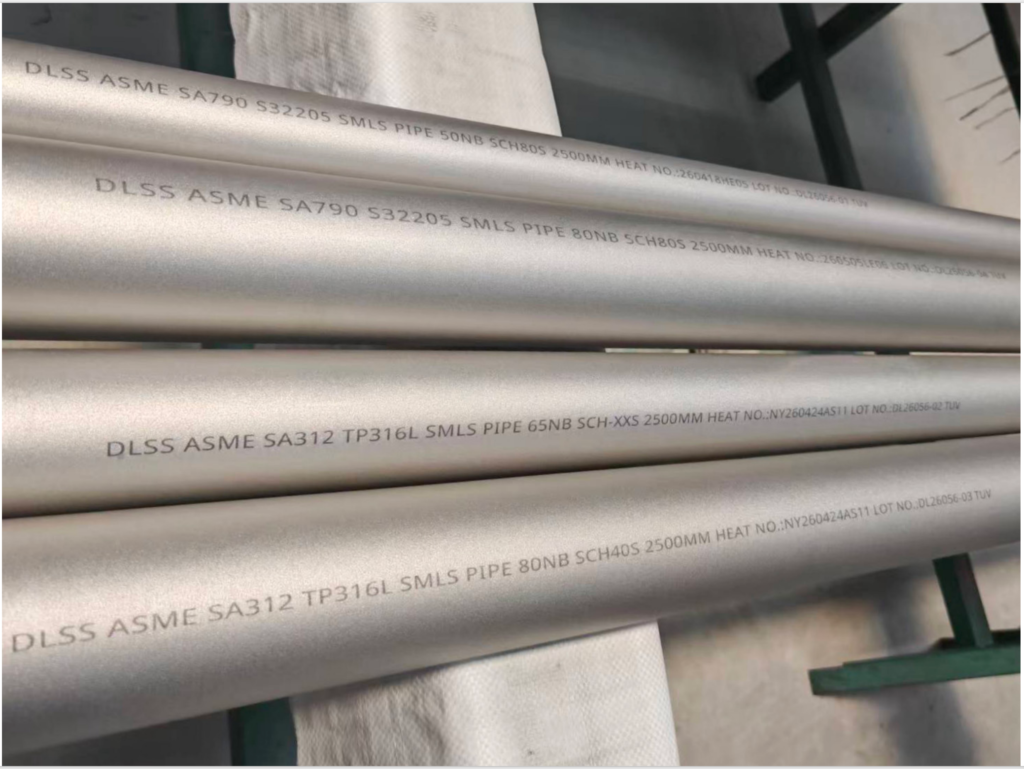
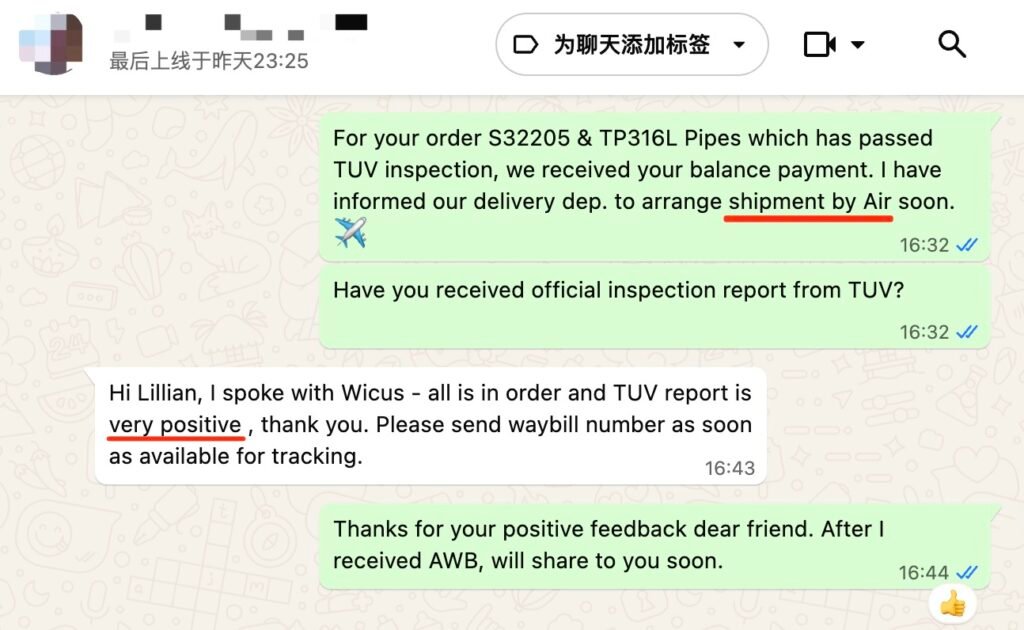
DLSS provided an emergency heat exchanger tube replacement solution by using suitable finished stock tubes, carrying out dimensional modification according to the project requirements, arranging TÜV third-party inspection, and preparing the tubes for air shipment.
Within two weeks, the replacement tubes were completed and successfully passed inspection.
Project Background: A Quality Issue Became a Trust Crisis
For heat exchanger manufacturers, product quality is directly connected with project reputation. Once the end user has concerns about tube quality, the manufacturer not only needs to replace the material, but also needs to provide clear evidence that the replacement tubes are reliable.
In this case, the customer was facing three pressures at the same time:
| Project Challenge | Customer Concern |
|---|---|
| Previous tube quality issue | End user lost confidence |
| Urgent replacement requirement | Project schedule could not wait |
| Need for independent verification | Inspection evidence was required |
| Air shipment arrangement | Delivery time had to be shortened |
This was not a normal tube supply order. It was an urgent replacement case where response speed, quality control, inspection documentation, and delivery coordination all mattered.
DLSS Solution: Finished Stock Modification to Shorten Lead Time
To save time, DLSS did not restart production from raw material. Instead, we selected suitable finished stock tubes as the base material and carried out dimensional modification according to the required specification.
This approach helped shorten the delivery cycle while keeping quality control under clear inspection procedures.
The key steps included:
1. Checking suitable finished stock
DLSS reviewed available tube stock to confirm whether the material and dimensions could meet the modification requirements.
2. Dimensional modification
The tubes were processed according to the customer’s required dimensions.
3. Internal inspection before release
Before third-party inspection, DLSS carried out dimensional and visual checks to reduce risk during final inspection.
4. TÜV third-party inspection
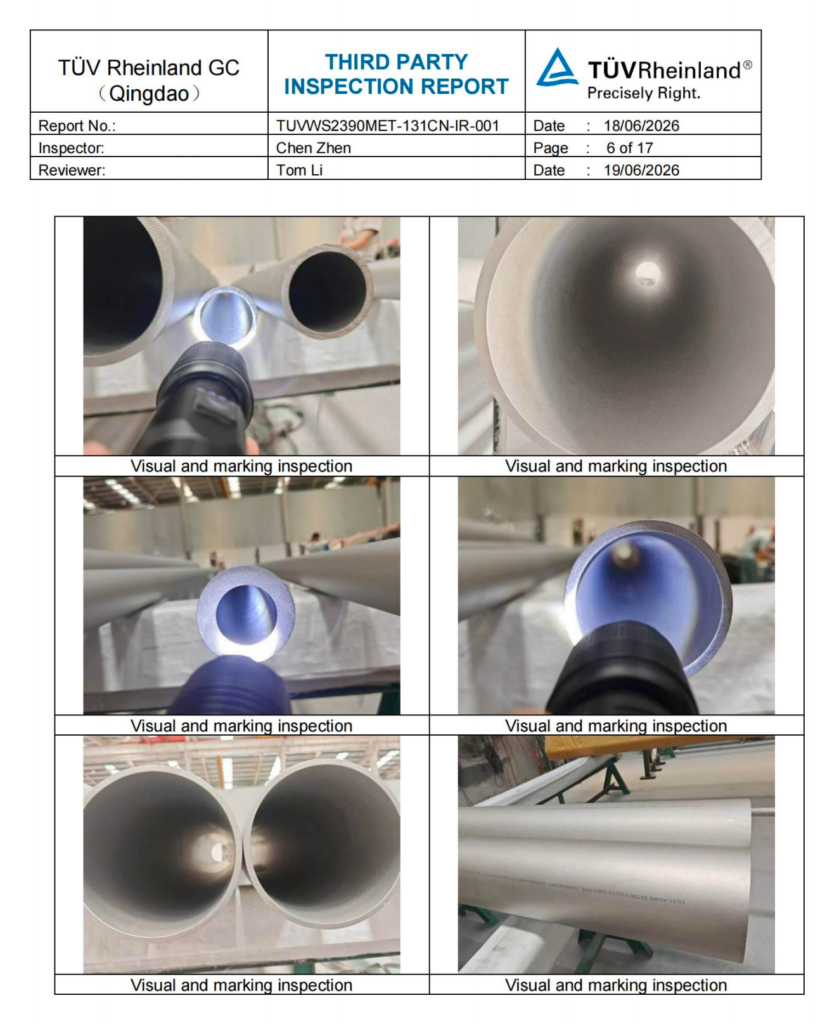
To support the customer in rebuilding end-user confidence, TÜV third-party inspection was arranged before delivery.
5. Air shipment preparation
After passing inspection, the tubes were packed and prepared for urgent air shipment.
TÜV Third-Party Inspection: Independent Evidence for the End User
Because the end user had already experienced a quality issue before, normal supplier self-inspection was not enough.
Third-party inspection helped provide independent verification for the replacement tubes. The TÜV inspection report gave the customer documented evidence to communicate with the end user and support project approval.
The tubes successfully passed inspection, which helped the customer move the project forward with stronger confidence.
For urgent replacement projects, third-party inspection is not only a quality step. It is also a communication tool between the manufacturer, supplier, and end user.
Result: Two-Week Completion and Verified Delivery
With finished stock modification and coordinated inspection, DLSS completed the replacement tubes within two weeks.
| Item | Result |
|---|---|
| Project type | Emergency heat exchanger tube replacement |
| Customer type | Heat exchanger manufacturer |
| Main issue | Previous tube quality problem from another source |
| Customer pressure | End-user trust crisis and urgent schedule |
| DLSS solution | Finished stock modification |
| Inspection | TÜV third-party inspection |
| Delivery arrangement | Air shipment |
| Completion time | Within two weeks |
| Key value | Helped customer rebuild quality confidence |
The project was not only about supplying replacement tubes. It was about helping the customer respond quickly to the end user’s concern, provide inspection evidence, and rebuild trust in the project quality.
Why This Case Matters for Heat Exchanger Manufacturers
In critical heat exchanger projects, tube quality affects more than equipment performance. It also affects project progress, end-user approval, and the manufacturer’s reputation.
This case shows that when a quality issue happens, a reliable replacement supplier should be able to provide:
- Fast response based on real stock availability
- Controlled dimensional modification
- Clear inspection process
- Third-party inspection support
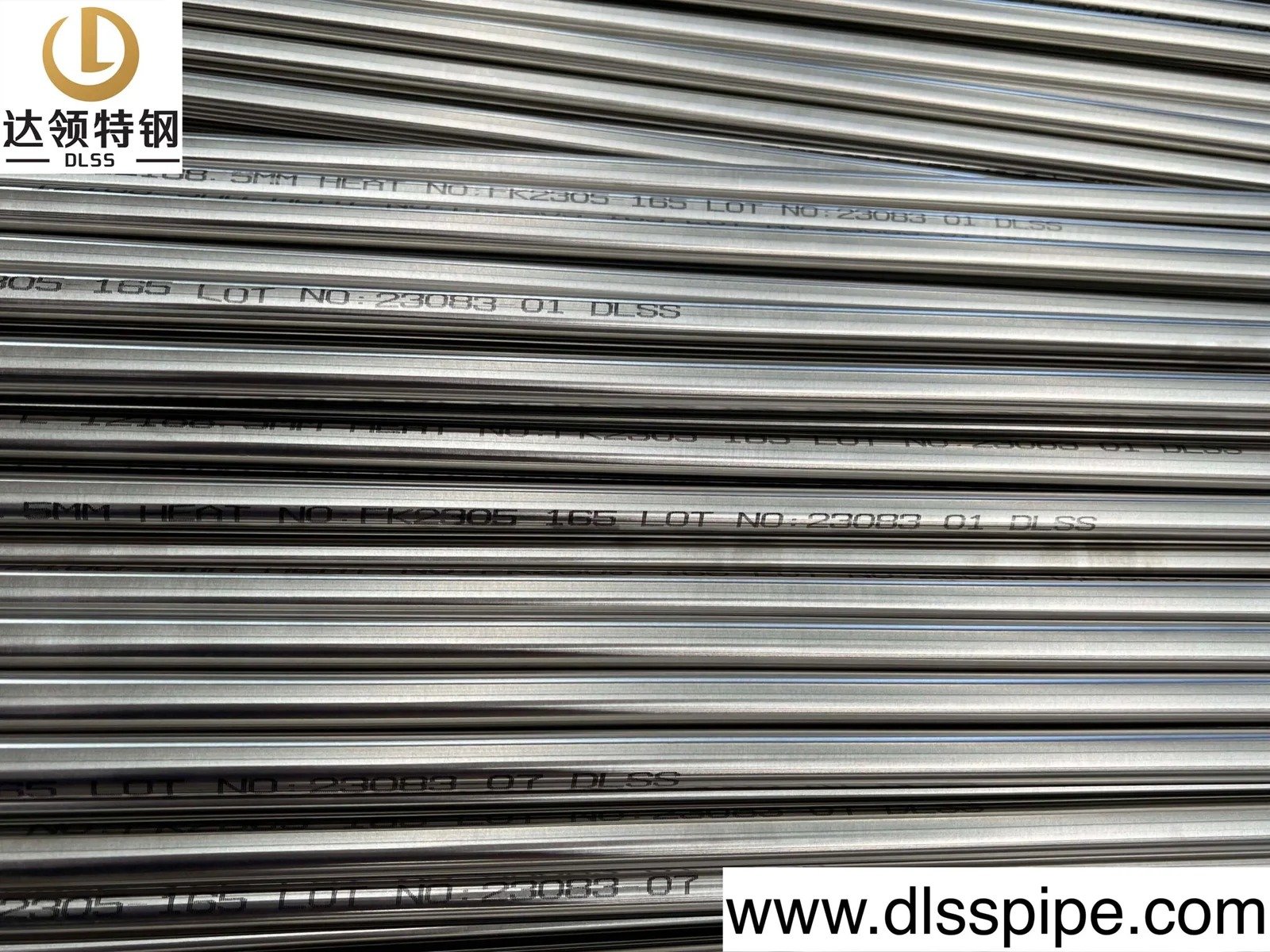
- Traceable documentation
- Urgent delivery coordination
For DLSS, reliable supply is not only about delivering tubes. It is about supporting customers when their project reputation is under pressure.
Need Urgent Heat Exchanger Tube Replacement?
DLSS supplies stainless steel, duplex stainless steel, nickel alloy, and copper alloy tubes for heat exchangers, condensers, boilers, power plants, oil & gas, petrochemical, marine, and industrial equipment projects.
For urgent replacement requirements, we can help check available stock, modification feasibility, inspection requirements, and delivery options.
Contact DLSS for heat exchanger tube solutions with quality control, third-party inspection support, and fast response.
FAQ
Why use finished stock tubes for urgent replacement?
Finished stock tubes can shorten lead time when the material, size, and technical requirements are suitable for modification. This can be helpful for urgent heat exchanger replacement projects.
Why is third-party inspection important in tube replacement projects?
Third-party inspection provides independent verification and documentation. It helps manufacturers communicate quality evidence to end users, especially after previous quality concerns.
Can DLSS support urgent air shipment?
Yes. For urgent projects, DLSS can help check stock availability, processing time, inspection arrangement, packing, and air shipment options based on the project schedule.