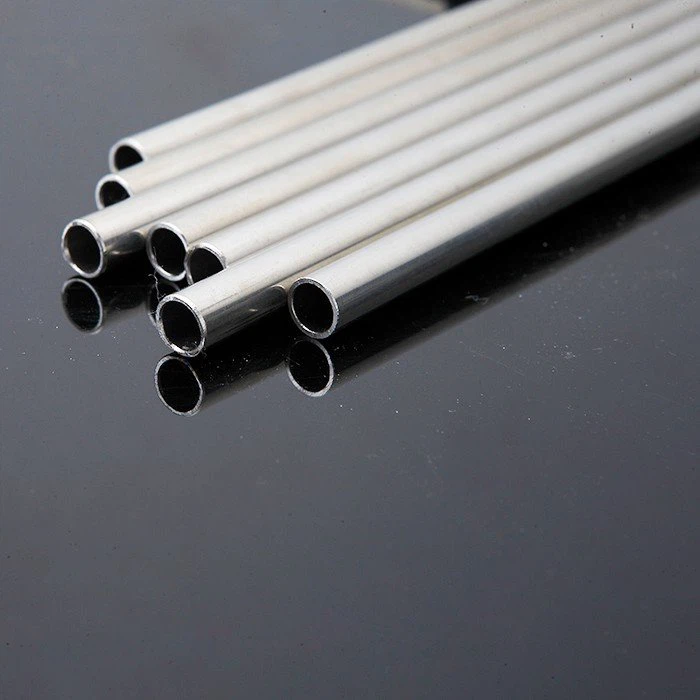
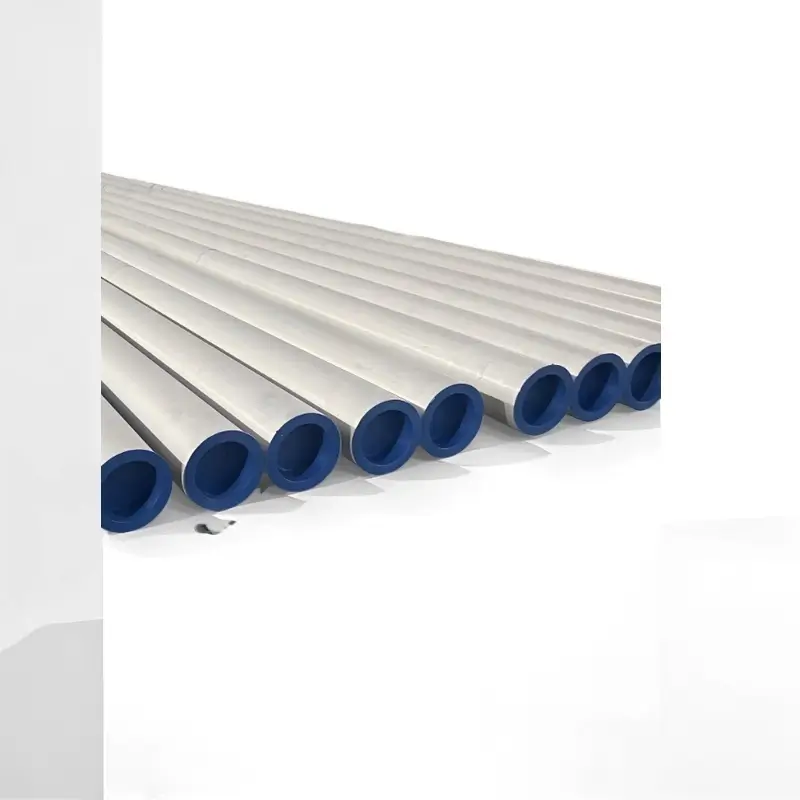
Refinery projects need safe and reliable tubes.
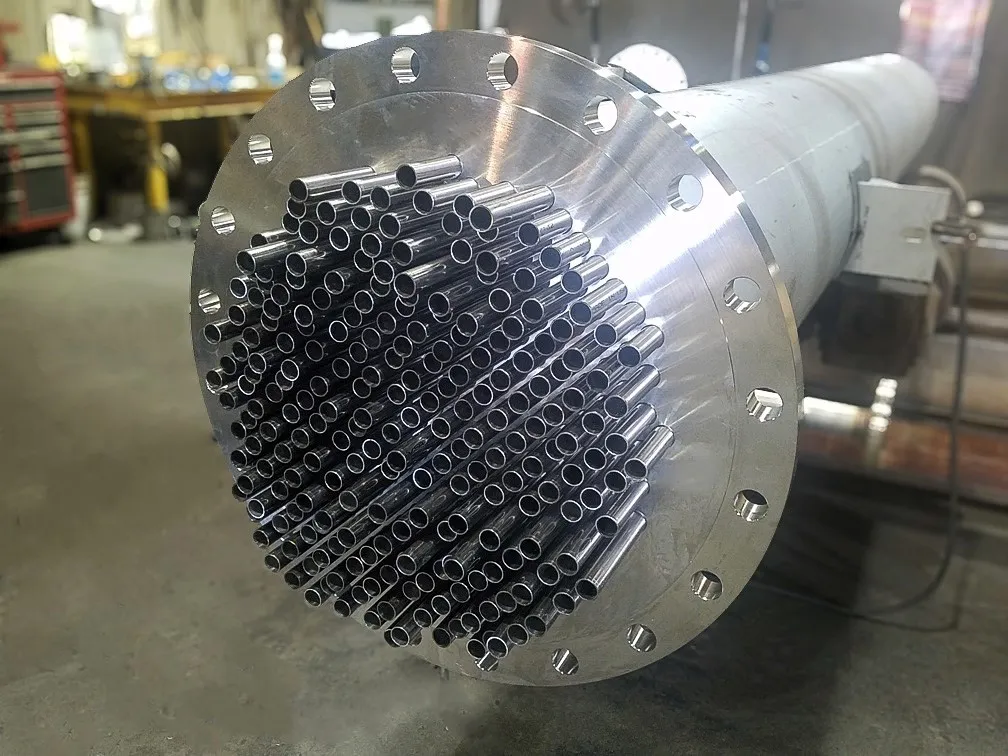
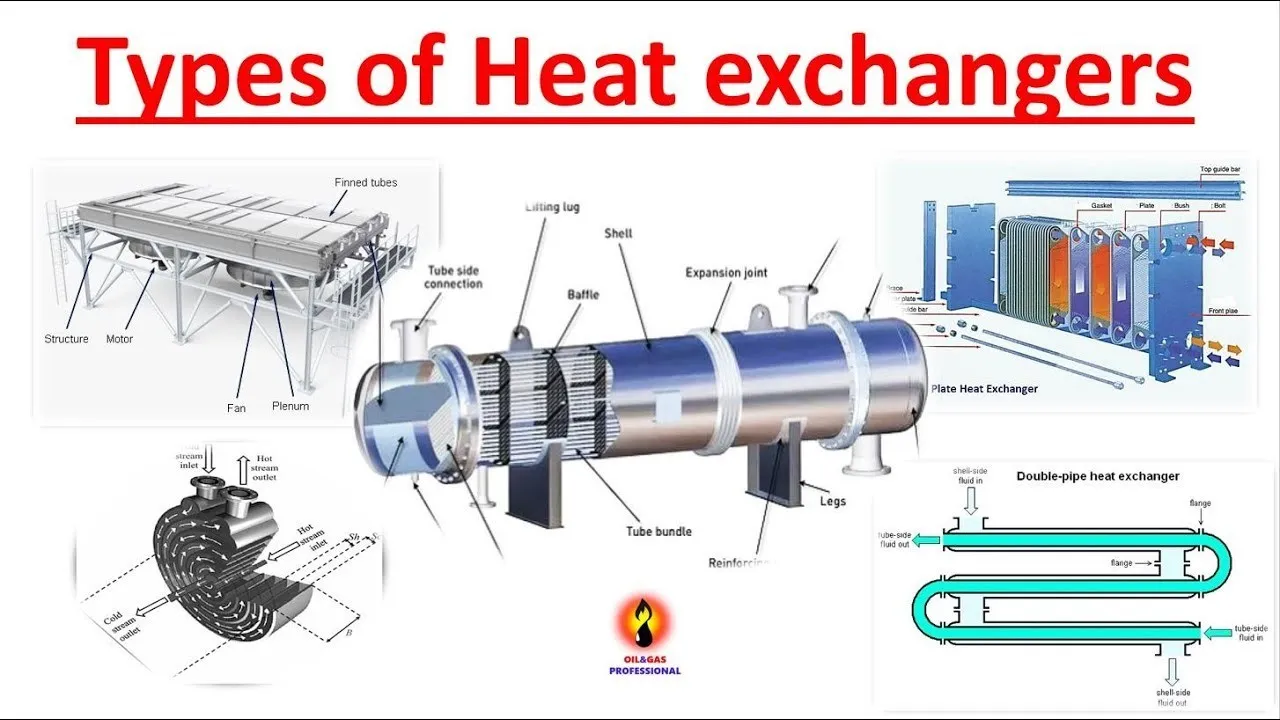
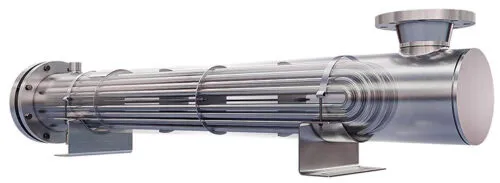
In South America, many refinery projects involve heat exchanger tubes, boilers, condensers, heaters, and process piping. These systems often work under high temperature, high pressure, and corrosive service.
So, tube selection is very important.
The wrong tube material can lead to corrosion, leakage, cracking, shutdown, or early replacement.
This guide explains how to choose stainless steel and nickel alloy tubes for refinery projects in South America. It also covers common materials, standards, tests, sour service risks, and buyer tips.
Why Tube Selection Matters in Refineries
Refineries are not easy service conditions.
Tubes may face:
- High temperature
- High pressure
- Chlorides
- Sulfur compounds
- H₂S
- Acidic fluids
- Thermal cycling
- Vibration
- Fouling
- Corrosion
If the tube material is not suitable, the tube may fail too early.
For buyers, the key question is not only:
What is the price?
The better question is:
Can this tube work safely in my real service condition?
Before choosing the tube, buyers should confirm:
- Working medium
- Working pressure
- Working temperature
- Chloride content
- H₂S condition
- Corrosion risk
- Tube standard
- Wall thickness
- Test requirements
- End-user requirements
Common Refinery Tube Applications
Different refinery units need different tube materials.
| Refinery Unit | Tube Application | Main Risk |
|---|---|---|
| Heat Exchangers | Heating and cooling process fluids | Corrosion, fouling, leakage |
| Boilers | Steam generation | High pressure and high temperature |
| Condensers | Cooling and vapor condensation | Chloride corrosion and erosion |
| Furnace Coils | Heating process fluids | Oxidation, creep, carburization |
| Hydrotreaters | H₂S-containing service | Sour service cracking |
| Reformers | High-temperature process service | Creep and oxidation |
| Desalters | Salt and water removal | Chloride corrosion |
| Process Piping | Fluid transfer | Pressure, corrosion, and leakage |
This is why one tube grade cannot fit every refinery unit.
Common Tube Materials for Refineries
The table below shows common materials used in refinery tube projects.
| Material Grade | Common Use | Main Benefit |
| TP316L | Cooling water, condensers, general heat exchangers | Good corrosion resistance |
| TP321 | High-temperature refinery tubes | Better stability at high temperature |
| TP347H | Superheaters and heater tubes | Good high-temperature strength |
| TP310S | High-temperature oxidation service | Good oxidation resistance |
| 904L | Acidic and chloride service | Better corrosion resistance than standard stainless steel |
| Duplex 2205 | Chloride-containing service | Higher strength than 316L |
| Super Duplex 2507 | Severe chloride service | Strong pitting resistance |
| Alloy 800H / 800HT | Reformers and furnace tubes | Good creep strength |
| Alloy 825 | Acidic and chloride service | Good acid and chloride resistance |
| Alloy 625 | Severe corrosion and sour service | High strength and strong corrosion resistance |
| C276 | Very aggressive chemical service | Excellent corrosion resistance |
The final material should always match the real working condition.
How to Choose the Right Tube Grade
Start from the service condition.
Do not choose only by price.
| Service Condition | Possible Material Direction |
| General cooling water | TP316L |
| High-temperature heater or boiler | TP321 / TP347H |
| Severe high-temperature service | Alloy 800H / 800HT |
| Acidic fluid | 904L / Alloy 825 |
| H₂S or sour service | Alloy 625 or project-approved NACE material |
| High chloride service | Duplex 2205 / Super Duplex 2507 |
| Offshore or coastal refinery | Duplex / Super Duplex / Nickel Alloy |
| Critical heat exchanger replacement | Seamless tube + ET / UT + Hydro Test + MTC |
| Urgent shutdown repair | Available stock + fast inspection + export packing |
A cheaper grade may look good at the start. But it can create higher risk later.
For high chloride or coastal refinery service, buyers can also review duplex and super duplex stainless steel tubes for better strength and corrosion resistance.
Stainless Steel Tubes for Refinery Service
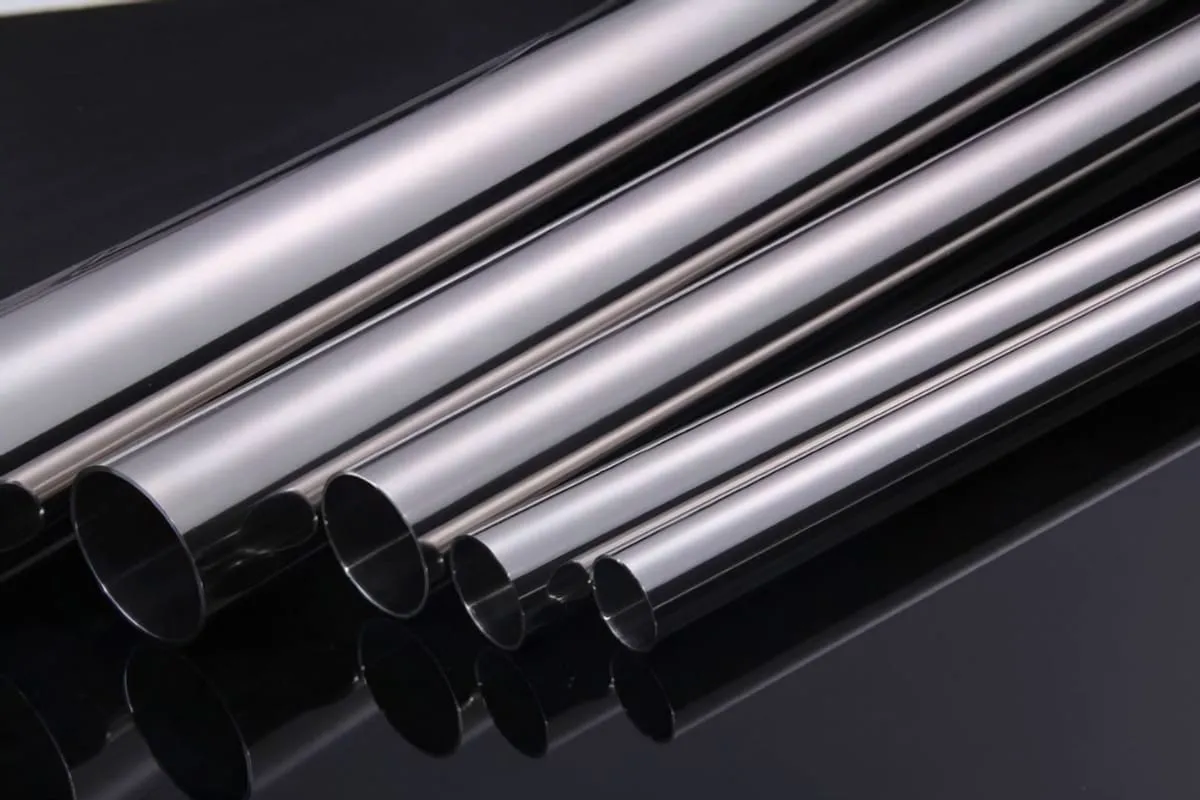
Seamless stainless steel tubes are widely used in refinery projects because they offer good strength, clean surfaces, and stable performance.
They offer good corrosion resistance, good strength, and good availability.
Common stainless steel grades include:
- TP304 / TP304L
- TP316 / TP316L
- TP321
- TP347 / TP347H
- TP310S
- 904L
TP316L is often used for general heat exchangers and condensers.
TP321 and TP347H are often used for higher temperature service.
904L can be considered when the medium is more corrosive.
For more severe service, duplex, super duplex, or nickel alloy tubes may be a better choice.
Nickel Alloy Tubes for Severe Refinery Service
Nickel alloy tubes are used when stainless steel is not enough for severe corrosion, high temperature, acid, chloride, or sour service.
They are often selected for:
- High temperature
- Strong corrosion
- Acidic fluid
- Chloride service
- H₂S service
- Critical refinery equipment
Common nickel alloy grades include:
- Alloy 600
- Alloy 625
- Alloy 800H / 800HT
- Alloy 825
- Alloy C276
- Monel 400
Alloy 800H and 800HT are often used for high-temperature service.
Alloy 825 is often used for acidic and chloride-containing media.
Alloy 625 is used for severe corrosion and sour service when the project requires stronger performance.
Sour Service and H₂S Risk
Sour service means the system may contain H₂S.
H₂S can increase the risk of sulfide stress cracking, also called SSC.
For refinery projects, buyers should check whether NACE MR0103 / ISO 17945 is required.
This is important for:
- Hydrotreaters
- Sour water systems
- Sulfur recovery units
- H₂S-containing process lines
- Wet H₂S service
Buyers should confirm:
- H₂S content
- Water phase
- pH value
- Chloride content
- Temperature
- Material hardness
- Heat treatment
- Welding method
- End-user specification
Sour service should not be guessed. It should be checked before placing the order.
Common Standards for Refinery Tubes
Refinery tube projects may use different standards.
| Standard | Common Use |
| ASTM A213 | Seamless boiler, superheater, and heat-exchanger tubes |
| ASTM A269 | Stainless steel tubing for general service |
| ASTM A312 | Stainless steel seamless and welded pipes |
| ASTM B407 | Nickel alloy 800 / 800H / 800HT pipe and tube |
| ASTM B423 | Alloy 825 seamless pipe and tube |
| ASME B31.3 | Process piping |
| NACE MR0103 / ISO 17945 | Sour petroleum refining environments |
| EN 10216 | Seamless tubes for pressure service |
The correct standard should follow the project specification and end-user requirement.
Inspection Requirements Before Shipment
Inspection is very important for refinery tube orders. A clear DLSS quality control process helps buyers check material grade, size, surface, testing, and documents before shipment.
Buyers should not only check the material name. They should also check test reports and inspection records.
| Inspection Item | Purpose |
| PMI | Confirms the material grade |
| MTC Review | Checks chemical and mechanical properties |
| Hydrostatic Test | Checks pressure resistance |
| Eddy Current Test | Finds surface and near-surface defects |
| Ultrasonic Test | Finds internal defects |
| Dimensional Inspection | Checks OD, WT, length, and tolerance |
| Surface Inspection | Checks scratches, dents, and surface defects |
| Visual Inspection | Checks marking, ends, and packing |
| Third-Party Inspection | Gives independent inspection before shipment |
For critical refinery projects, DLSS can provide third-party inspection support before shipment, including BV, SGS, TUV, LR, ABS, or other inspection companies.
South American Project Considerations
For refinery projects in South America, buyers should also think about shipping and documents.
Important points include:
- Long-distance sea freight
- Strong export packing
- Wooden case protection
- Pipe end protection
- Clear marking
- MTC and inspection documents
- English or Spanish documents
- Third-party inspection before shipment
- Fast response for urgent maintenance
- Material substitution review
- Communication with EPC, refinery owner, and inspection company
For shutdown or repair projects, delivery time can be as important as price.
How DLSS Supports Refinery Tube Projects
DLSS supplies stainless steel, duplex stainless steel, super duplex stainless steel, and nickel alloy tubes for refinery projects.
We support:
- Stainless steel seamless tubes
- Heat exchanger tubes
- Boiler tubes
- Condenser tubes
- Nickel alloy tubes
- Duplex and super duplex tubes
- Custom OD, WT, and length
- MTC documents
- PMI testing
- Hydrostatic testing
- Eddy current testing
- Ultrasonic testing
- Dimensional inspection
- Surface inspection
- Third-party inspection support
- Export wooden case packing
- Urgent replacement support
For South American projects, DLSS can also support English and Spanish documents when required.
Buyer Checklist Before Ordering
Before sending an inquiry, buyers can prepare the information below.
- Material grade
- Standard
- OD
- Wall thickness
- Length
- Quantity
- Seamless or welded requirement
- Heat treatment condition
- Surface finish
- End condition
- Working medium
- Working pressure
- Working temperature
- H₂S condition
- Chloride content
- Required tests
- MTC requirement
- Third-party inspection requirement
- Packing requirement
- Required delivery time
- Destination port or country
A clear inquiry helps suppliers review the project faster.
It also reduces the risk of wrong material selection.
FAQ
What is the best tube material for refinery heat exchangers?
There is no single best material for all refinery heat exchangers. TP316L can be used for general service. TP321, TP347H, Alloy 800H, Alloy 825, Alloy 625, duplex, or super duplex may be needed for higher temperature or stronger corrosion.
Are stainless steel tubes suitable for refinery projects?
Yes. Stainless steel tubes are widely used in refineries. But the right grade must be selected based on medium, pressure, temperature, chloride level, and corrosion risk.
When should nickel alloy tubes be used?
Nickel alloy tubes should be considered when stainless steel cannot handle the service condition. This may include strong corrosion, high temperature, acid, chloride, or sour service.
What is sour service?
Sour service means the system may contain H₂S. H₂S can increase the risk of sulfide stress cracking. For refinery service, buyers should check whether NACE MR0103 / ISO 17945 is required.
What tests are important for refinery tubes?
Common tests include PMI, Hydrostatic Test, Eddy Current Test, Ultrasonic Test, Dimensional Inspection, Visual Inspection, and MTC review. Critical projects may also need third-party inspection.
Can DLSS support South American refinery projects?
Yes. DLSS can supply stainless steel and nickel alloy tubes for refinery projects in South America. We can support material review, inspection, documents, packing, and third-party inspection coordination.
Conclusion
Tube selection is a key part of refinery project safety.
For South American refinery projects, buyers should review the real working condition first. This includes medium, pressure, temperature, chloride level, H₂S risk, standard, tests, and delivery time.
For general refinery service, TP316L, TP321, and TP347H may be suitable.
For higher temperature, acid, chloride, or sour service, nickel alloy, duplex, or super duplex tubes may be required.
DLSS supports refinery tube projects with stainless steel seamless tubes, heat exchanger tubes, boiler tubes, nickel alloy tubes, inspection documents, third-party inspection support, and export packing.
If you are selecting tubes for refinery and oil & gas tube projects in South America, send us your material grade, standard, size, quantity, working condition, and inspection requirements. Our team will help review your inquiry before quotation.