Electropolished Tubing: When and Why to Use It

DLSS - Pipe&Tube - Electropolished Tubing: When and Why to Use It

Meta Description:
Electropolished (EP) tubing offers ultra-clean surfaces for critical applications. Learn what it is, why it matters, and where EP tubes are essential—from pharma to semiconductors.


Introduction

In industries where surface purity, cleanliness, and corrosion resistance are paramount, electropolished (EP) tubing is no longer optional—it’s a necessity.

Whether you’re building pharmaceutical cleanrooms, semiconductor cooling loops, or biotech reactors, EP tubing ensures the performance, sterility, and durability that standard stainless steel tubes can’t match.

This article explains what electropolishing is, when it should be used, and why it’s the standard in many regulated, high-precision systems.


What Is Electropolishing?

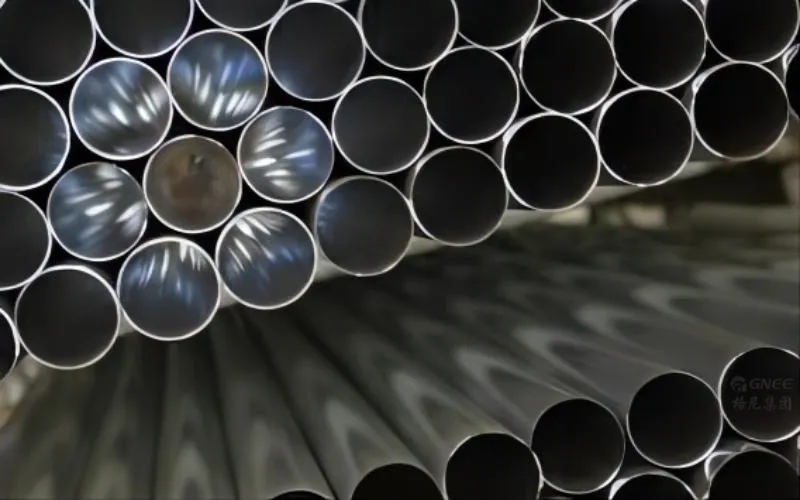
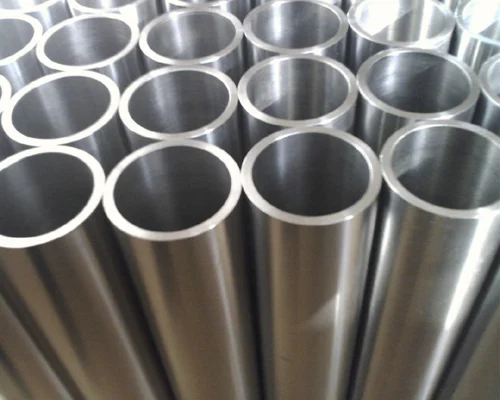
Electropolishing is a controlled electrochemical process that removes a thin layer of metal from the surface of stainless steel tubes.
Unlike mechanical polishing, electropolishing:

  • Smooths microscopic peaks and valleys
  • Reduces surface roughness (typically Ra ≤ 0.4 μm or better)
  • Enhances chromium-to-iron ratio for corrosion resistance
  • Improves cleanliness by minimizing biofilm and particle adhesion

Standards: ASTM A967 – Passivation & Electropolishing Guide


Why Use Electropolished Tubes?

1. Improved Cleanability

The ultra-smooth surface reduces microbial adhesion and residue buildup, making cleaning faster and more effective—critical in CIP/SIP systems.

2. Superior Corrosion Resistance

Electropolishing enhances the passive layer by removing embedded impurities and increasing chromium concentration at the surface.

3. Lower Risk of Contamination

In pharma, food, and semiconductor systems, EP tubing ensures that the process fluid does not pick up metallic ions or particulates.

4. Visual & Surface Integrity

EP tubes are aesthetically clean and ideal for visual inspection in transparent or exposed systems.


Where Is EP Tubing Required?

IndustryTypical EP Applications
PharmaceuticalWFI lines, bioreactors, transfer loops
SemiconductorCooling circuits, DI water systems, CMP slurry
Food & BeverageDairy, brewing, juice lines with sanitary loops
BiotechnologyFermentation, media preparation
Medical DevicesSterile environments, diagnostic equipment

In these industries, EP tubes often comply with ASME BPE, 3-A Sanitary Standards, and FDA GMP guidelines.


DLSS Electropolished Tubing Features

  • Seamless TP316L, TP304L, or 1.4404 tubing
  • ID Ra ≤ 0.4 µm, OD ≤ 0.8 µm
  • ASTM A269 or A270-S2 compliant
  • Marked with heat number and EP designation
  • Clean-packaged with PE bags, nitrogen purge optional

Frequently Asked Questions (FAQ)

Q1: Is electropolishing the same as passivation?
No. Passivation only enhances the oxide layer; electropolishing also smooths and removes surface impurities.

Q2: Do all clean systems require EP tubes?
Not all—but if you’re handling high-purity water, bioproducts, or reactive fluids, EP tubing is strongly recommended.

Q3: Can welded tubes be electropolished?
Yes, but seamless tubes are preferred for uniformity and performance. DLSS offers EP on seamless tubing as standard.

Q4: What inspection is required for EP tubes?
Surface roughness (Ra), visual inspection, PMI, and optional boroscope inspection for critical systems.


Conclusion

Electropolished tubing is essential in systems where sterility, corrosion resistance, and cleanability are non-negotiable.
It plays a critical role in ensuring long-term system integrity, compliance with regulatory standards, and reduced maintenance effort.

DLSS provides high-precision EP seamless tubing, backed by documentation, testing, and clean-room packaging—ready for deployment in your most demanding applications.


Contact DLSS
Email: info@dlsspipe.com
Website: www.dlsspipeline.com

Wonderful! Share This Case:

Austenitic Stainless Steel

Duplex Stainless Steel

Nickel Alloys

▪ Incoloy Family

▪ Inconel Family

▪ Monel Family

▪ Hastelloy Family

▪ Other Special Alloys

Cobalt Alloys

Related Posts

Green Energy and ESG: How Sustainability Is Reshaping the Stainless Steel Seamless Tube Market

Green Energy and ESG: How

The stainless steel seamless tube industry is undergoing a quiet but profound transformation—not just driven by technical demands, but by Environmental, Social, and Governance (ESG) goals and the global energy transition. As governments, investors, and end-users demand cleaner, longer-lasting, and traceable materials, tube manufacturers are under growing pressure to reduce carbon footprint, improve transparency, and […]

Read More
Pickling vs Bright Annealing: Which Surface Treatment Is Best for Stainless Steel Tubes?

Pickling vs Bright Annealing: Which

Meta Description:Pickled or bright annealed? Learn the pros, cons, and applications of these two surface treatment methods used in stainless steel tube manufacturing. Introduction The performance of stainless steel tubes isn’t just about alloy grade or dimensional accuracy—surface finish plays a crucial role in corrosion resistance, cleanliness, and long-term durability. Two widely used surface treatments […]

Read More
TP904L Stainless Pipes for Seawater Desalination in Japan – 日本海水淡水化向けTP904Lステンレス管

TP904L Stainless Pipes for Seawater

Introduction Japan’s seawater desalination plants operate in highly corrosive environments due to the presence of chlorides and high salinity. TP904L stainless pipes from DLSS offer superior resistance to pitting and crevice corrosion, making them an ideal choice for JIS G3459 – Stainless Steel Pipes for Corrosion Resistance compliance in marine applications. 1. Why TP904L for […]

Read More

Understanding NACE MR0175 / ISO

Meta Description:Learn the essential requirements of NACE MR0175 / ISO 15156 for stainless steel tubing. Discover how to ensure compliance in sour gas environments and avoid material failure. Introduction In the oil and gas industry, hydrogen sulfide (H₂S) poses one of the greatest threats to material performance. It causes Sulfide Stress Cracking (SSC) and Hydrogen-Induced […]

Read More
Selecting Stainless Steel Tubes for Boilers and High-Temperature Heaters (2025 Guide)

Selecting Stainless Steel Tubes for

Why High-Temperature Applications Require Specialized Tubes Boilers, reheaters, and furnace coils operate in environments that push materials to their thermal limits. Stainless steel tubes used in these systems must withstand continuous exposure to temperatures ranging from 500°C to over 1000°C, while also resisting oxidation, creep deformation, and thermal fatigue. Without proper material selection, high temperatures […]

Read More

ASTM A789 S32750 Super Duplex

Meta Description: Explore how ASTM A789 S32750 Super Duplex stainless steel tubes are used in seawater condensers, offering unmatched resistance to corrosion, pitting, and stress cracking in marine environments. Introduction Seawater condenser systems operate in highly aggressive environments, constantly exposed to chloride ions and variable temperatures. Standard stainless steels like 304 or 316 often fail […]

Read More
Corrosion Resistance in Marine Applications: Stainless Tubes for Japan(海洋用途における耐食性:日本向けステンレスチューブ)

Corrosion Resistance in Marine Applications:

1. Introduction Japan, an island nation surrounded by seawater, faces constant challenges from 塩化物腐食 (chloride corrosion) in its marine industries. Stainless steel tubes with high corrosion resistance are essential in 海水淡水化プラント (seawater desalination plants), offshore oil & gas facilities, and shipbuilding. DLSS specializes in supplying marine corrosion resistant tube Japan to meet these demanding conditions. […]

Read More
Top 10 Applications of Stainless Steel Tubes in the Oil & Gas Industry

Top 10 Applications of Stainless

Meta Description:Explore the top 10 critical applications of stainless steel tubes in the oil & gas industry. Learn how DLSS tubes perform under high pressure, corrosion, and extreme conditions. Introduction The oil and gas industry operates under extreme conditions—high pressure, corrosive environments, and fluctuating temperatures. To ensure safety and durability, stainless steel tubes are essential […]

Read More

Request A Quote

*We respect your confidentiality and all information are protected.