Stainless Steel Seamless Pipe Trends in South America (2025 Update)

DLSS - Pipe&Tube - Stainless Steel Seamless Pipe Trends in South America (2025 Update)

1. Market Overview in South America

South American demand for stainless steel seamless pipes has grown steadily, driven by:

  • Refinery upgrades and petrochemical expansions in Brazil and Argentina
  • Mining and mineral processing plants in Chile and Peru
  • Biofuels, ethanol, and sugarcane industries in Brazil
  • Infrastructure modernization and LNG terminal projects along the coast

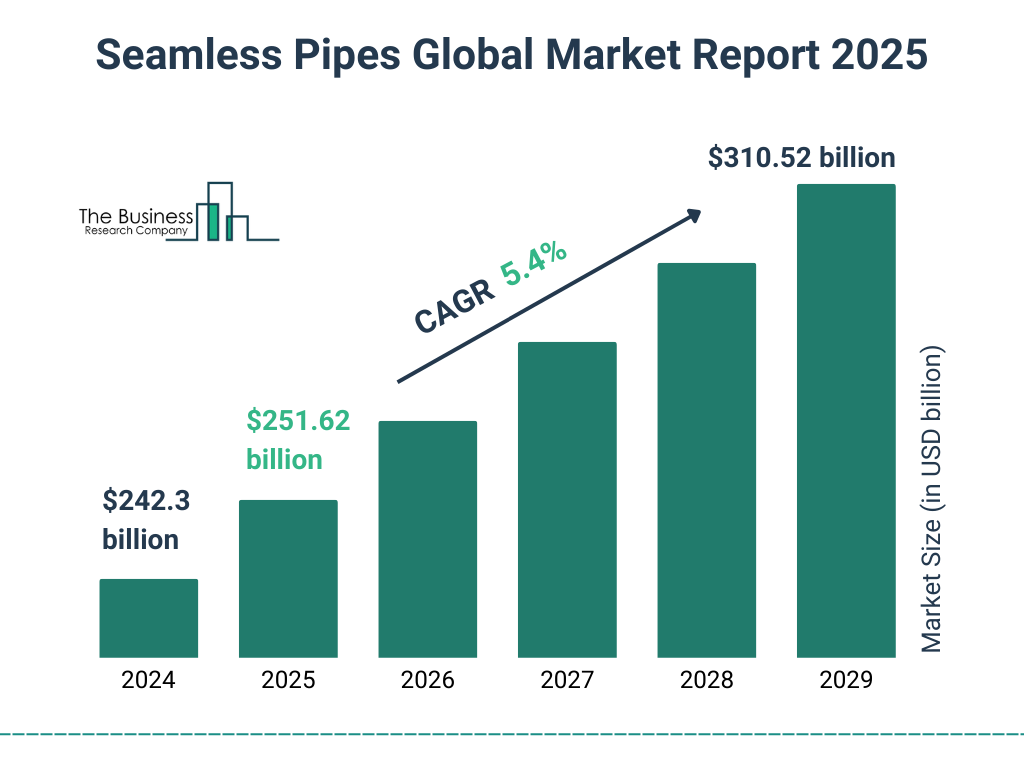
Analysts report a 6–7% CAGR in the region through 2030, outpacing global averages.
Stainless Steel Seamless Pipe Trends in South America (2025 Update)

2. Leading Application Industries

IndustryKey Project LocationsPreferred Pipe Grades
Refining & PetrochemSão Paulo – Petrobras, PlataformAS OffshoreTP316L, TP347H, Alloy 825
Mining & MineralsAntofagasta (Chile), Lima (Peru)Duplex 2205, Super Duplex
Biofuels & EthanolCenter-South BrazilTP316L, TP304L (food-grade)
LNG & Gas ProcessingCartagena (Colombia), Buenaventura (Colombia)TP316L, Alloy 625, Duplex
Power & UtilitiesArgentina, EcuadorTP347H (boiler), Alloy 625 (high-temp system)

3. Preferred Pipe Grades

  • TP316L: widely used in corrosive and food-grade applications
  • TP347H: boiler and superheater circuits in power plants
  • Duplex 2205: desalination, mining, offshore systems
  • Alloy 825/Alloy 625: sour gas, acid recovery, hydrogen-capable plants

These grades are selected based on chloride exposure, pressure rating, and regulatory norms (NACE, ASME, EN).

Stainless Steel Seamless Pipe Trends in South America (2025 Update)

4. Certification & Quality Demand

South American buyers increasingly require:

  • EN 10204 3.2 certificates (especially for Brazilian and Argentine refinery EPC projects)
  • NACE MR0175 compliance for sour service pipelines (Andean gas fields)
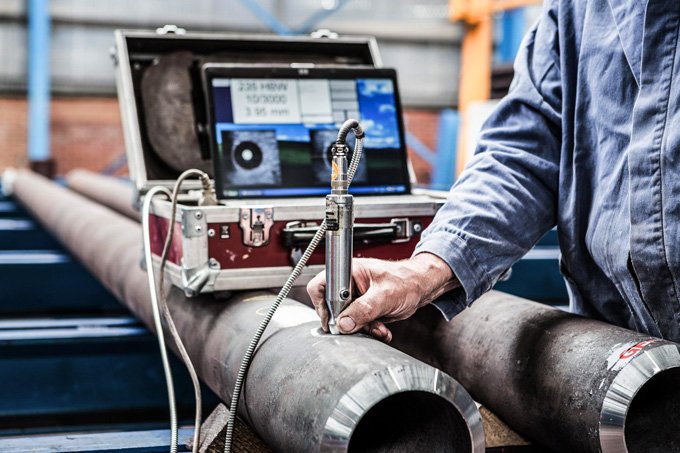
  • Eddy current (EC) or ultrasonic (UT) testing, especially for high-pressure or heat exchanger tubes
  • Pickled, BA, or electropolished finishes for sanitary, food, and LNG applications
Stainless Steel Seamless Pipe Trends in South America (2025 Update)

5. Key Supply Chain Considerations

  • Short lead times to key ports: Santos, Buenos Aires, Callao, Cartagena
  • Batch traceability and bilingual MTC for customs and EPC audit
  • Packaging for long-distance transit: sealed ends, nitrogen purge, dry packing

DLSS supports these needs with local export-ready stock and end-to-end logistics solutions.


6. Frequently Asked Questions (FAQ)

Q1: Which grades suit coastal LNG projects?
Duplex 2205 and Alloy 625 are ideal for seawater service; TP316L can also work in certain low-chloride setups.

Q2: Why is 3.2 certification growing in demand?
It provides independent verification required by Latin American EPCs and OEMs for critical infrastructure.

Q3: What finish is best for food and biofuel piping?
Bright Annealed (BA) or electropolished (EP) tubes with sanitary (ID) cleaning are commonly specified.

Q4: Does DLSS offer logistics support to South American ports?
Yes, DLSS provides customs documentation, export packaging, and port-ready shipping from your nearest export hub.
Stainless Steel Seamless Pipe Trends in South America (2025 Update)

7. How DLSS Serves South America

  • Regional stock of key grades (316L, 347H, Duplex, Alloy 825/625)
  • Certificates: EN 10204 3.1/3.2, NACE MR0175
  • Support for inspections by SGS, TÜV, BV
  • Technical consulting in English, Spanish, Portuguese
  • Logistics network covering major South American ports
Stainless Steel Seamless Pipe Trends in South America (2025 Update)

Conclusion

South America is rapidly expanding its industrial infrastructure—especially in energy, mining, and food processing—creating strong demand for stainless steel seamless pipes.
By choosing DLSS, buyers benefit from right-grade materials, certification-ready documentation, local support, and optimized export logistics tailored for regional needs.


Contact DLSS
Email: info@dlsspipe.com
Website: www.dlsspipeline.com

Wonderful! Share This Case:

Austenitic Stainless Steel

Duplex Stainless Steel

Nickel Alloys

▪ Incoloy Family

▪ Inconel Family

▪ Monel Family

▪ Hastelloy Family

▪ Other Special Alloys

Cobalt Alloys

Related Posts

Nickel Alloy Steel Seamless Pipes and Tubes: Industrial Advantages and Applications

Nickel Alloy Steel

Introduction Nickel alloy steel seamless pipes and tubes are essential materials in demanding industries where components must withstand extreme temperatures, corrosive chemicals, and high pressure. Their seamless structure combined with the superior characteristics of nickel-based alloys makes them the material of choice for chemical processing, petrochemical, marine, power generation, and...

Read More
Heat Exchanger Tube Materials: Pros and Cons of Stainless Steel, Copper, and Titanium

Heat Exchanger Tube

1. Introduction – Heat Exchanger Tube Materials Selecting the right heat exchanger tube material is critical for optimizing performance, extending service life, and minimizing maintenance costs. This article compares stainless steel, copper, and titanium—three of the most common materials used in shell and tube as well as plate heat exchanger...

Read More

Emergency Heat Exchanger

Emergency Heat Exchanger Tube Replacement with TÜV Third-Party Inspection In heat exchanger projects, a tube quality issue can create more than a material problem. It can quickly become a trust problem between the equipment manufacturer and the end user. Recently, one heat exchanger manufacturer contacted DLSS after tubes purchased from...

Read More
How DLSS Controls Grain Size for Austenitic Stainless Steel Tubes – Why It Matters

How DLSS Controls

Introduction Grain size in stainless steel is more than just a microscopic characteristic—it directly affects mechanical strength, corrosion resistance, formability, and creep performance. For critical applications such as heat exchangers, nuclear power, and chemical processing, maintaining the correct grain size (typically ASTM No. 5 to No. 8) is a specification...

Read More
Top Applications of Tubular Heat Exchangers in the Oil and Gas Industry

Top Applications of

In the oil and gas industry, process reliability, corrosion resistance, and thermal efficiency are critical to success. Among the most vital components enabling these outcomes are tubular heat exchangers, particularly shell and tube heat exchangers (STHEs). From upstream production to downstream refining, these systems provide the thermal control required in...

Read More
Spiral Finned Tube vs Extruded Finned Tube: Which is Better for Your Project?

Spiral Finned Tube

When selecting spiral finned tube vs extruded finned tube for a heat exchanger, engineers must weigh performance, durability, and operating costs. Both fin types enhance heat transfer, but their differences can significantly affect long-term efficiency. If you’re new to finned tubes, start with What is a Finned Tube and How...

Read More
U-Bent Stainless Steel Tubes for Heat Exchangers: Manufacturing, Standards, and Applications

U-Bent Stainless Steel

U-bent tubes are critical components in various heat exchanger systems, especially where space-saving or directional flow change is required—such as in shell-and-tube heat exchangers, condensers, boilers, and superheaters. This article explains the manufacturing process, quality standards, and key applications of U-bent stainless steel tubes, along with how DLSS Pipeline ensures...

Read More
Different Types of Finned Tubes and Their Applications in Heat Exchangers

Different Types of

Finned tubes come in a variety of designs, each engineered to meet specific heat transfer and operating conditions. Choosing the right type of finned tube is essential for achieving optimal heat exchanger efficiency and long-term durability. If you are new to the concept, you can first read our article What...

Read More

Request A Quote

*We respect your confidentiality and all information are protected.