Why Japanese Heat Exchanger Manufacturers Prefer TP316L Tubes(日本の熱交換器メーカーがTP316Lチューブを選ぶ理由)

DLSS - Market Insights – Japan - Why Japanese Heat Exchanger Manufacturers Prefer TP316L Tubes(日本の熱交換器メーカーがTP316Lチューブを選ぶ理由)

1. Introduction

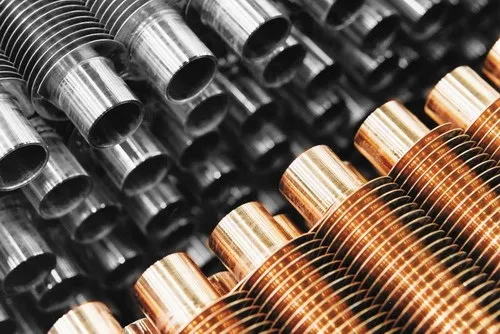
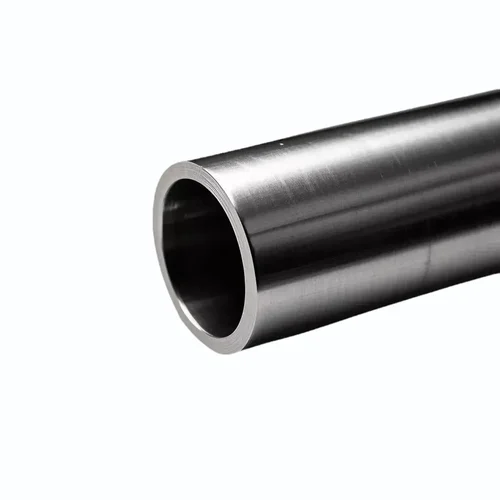
TP316L heat exchanger tube Japan is the top choice for many 日本の熱交換器メーカー (Japanese heat exchanger manufacturers) that require exceptional corrosion resistance, precise dimensions, and long service life. Whether for 海水淡水化プラント (seawater desalination plants), chemical processing, or power generation, TP316L delivers consistent performance in Japan’s demanding industrial environments.


2. Material Properties of TP316L Stainless Steel

TP316L is a low-carbon austenitic stainless steel containing molybdenum, which significantly improves its resistance to 塩化物腐食 (chloride corrosion) and pitting — common challenges in Japan’s coastal and marine industries.

Key Benefits:

  • Superior chloride resistance – ideal for 海水冷却システム (seawater cooling systems)
  • Excellent weldability – minimal carbide precipitation during welding
  • High temperature strength – stable performance in industrial heat exchangers

Learn more about AISI 316L Stainless Steel on Wikipedia


3. Applications in the Japanese Heat Exchanger Industry

In Japan, TP316L heat exchanger tubes are widely used in:

  • 海水淡水化設備 in Okinawa and other coastal prefectures
  • 化学工場の熱交換器 requiring high-purity corrosion-resistant tubes
  • 食品加工ライン ensuring hygiene and compliance with safety regulations

These applications demand not only the right material but also a flawless surface finish and precise dimensional control, both of which are critical to Japanese customers.


4. Comparison with Other Materials

  • 304 stainless steel – cost-effective but less resistant to chloride corrosion in 塩化物環境
  • Duplex stainless steel (2205) – higher strength and corrosion resistance, but may be over-specified for standard heat exchanger designs, and requires specialized welding techniques

Reference: JIS G3459 Stainless Steel Pipes Standard


5. DLSS Advantages for Japanese Buyers

DLSS understands the unique expectations of Japanese clients:

  • Zero-defect surface quality: no scratches, dents, or welding flaws (外観品質は非常に重要)
  • Short lead times: 4–6 weeks for urgent projects, even for custom sizes
  • Full compliance: ASTM A213 / JIS G3459 / EN 10216-5 certifications with third-party inspections
  • Export-ready packaging: seaworthy wooden crates, plastic end caps, anti-corrosion oil for long-distance sea transport

6. Conclusion & Call to Action

For Japanese heat exchanger manufacturers, TP316L heat exchanger tube Japan remains the optimal choice for balancing durability, corrosion resistance, and ease of fabrication. By choosing DLSS, you gain a partner that combines world-class quality with the flexibility and delivery speed your projects require.

info@dlsspipe.com | www.dlsspipeline.com

FAQ(よくある質問)

Q1: Why would Japanese companies import stainless steel seamless pipes if Japan already produces them?
A1: While Japan manufactures high-quality pipes, importing from DLSS offers cost advantages, flexible order quantities, and availability of special grades that may have longer lead times domestically.


Q2: Are DLSS stainless steel pipes compliant with Japanese standards?
A2: Yes. DLSS can supply products meeting JIS G3459, JIS G3463, and other relevant Japanese Industrial Standards, along with ASTM and EN certifications.


Q3: How do DLSS pipes compare to Japanese-made pipes in quality?
A3: DLSS pipes undergo strict quality control, non-destructive testing, and meet the same chemical and mechanical property requirements as Japanese products. Many clients report comparable performance.


Q4: What is the typical delivery time for stainless steel pipes to Japan?
A4: Standard delivery is around 30–45 days from order confirmation, depending on quantity and specifications.


Q5: Can DLSS handle small trial orders for Japanese customers?
A5: Yes. DLSS can supply small-batch trial orders for performance testing before large-scale procurement.

Wonderful! Share This Case:

Austenitic Stainless Steel

Duplex Stainless Steel

Nickel Alloys

▪ Incoloy Family

▪ Inconel Family

▪ Monel Family

▪ Hastelloy Family

▪ Other Special Alloys

Cobalt Alloys

Related Posts

How Precision Stainless Steel Tubes

In high-demand industrial environments, precision stainless steel tubing is more than just a conduit—it plays a critical role in enhancing the overall efficiency and stability of a system. This article delves into how precision stainless steel tubes contribute to improving industrial system performance. The Importance of Precision Tubing 1、Enhanced Heat Transfer Efficiency The smoothness of a stainless […]

Read More
india-manufacturing-export-impact-stainless-steel-supply

Guía logística: Cómo exportar tubos

Meta descripción:¿Está planeando exportar tubos de acero inoxidable a Sudamérica? Esta guía explica cómo preparar documentación, embalaje e inspección para asegurar una entrega rápida y conforme a puertos de Brasil, Argentina, Chile, Colombia y más. 1. Introducción Sudamérica es una de las regiones de más rápido crecimiento en la demanda de tubos de acero inoxidable, […]

Read More
Exploring Different Types of Pipe-Based Heat Exchangers: Double Tube, Stove Pipe, Exhaust Pipe, and Heat Pipe Designs

Exploring Different Types of Pipe-Based

In various industrial and domestic applications, heat exchangers are essential for optimizing thermal efficiency, reducing energy waste, and lowering operational costs. Among the many designs, pipe-based heat exchangers play a crucial role due to their structural simplicity and high effectiveness. This blog explores four common types: the Double Tube Heat Exchanger, Stove Pipe Heat Exchanger, […]

Read More
The Role of Stainless Steel Tubes in Renewable Energy Systems – Solar, Wind, and Hydrogen

The Role of Stainless Steel

Meta Description:Discover how stainless steel tubes power the transition to renewable energy. Explore their critical applications in solar thermal systems, wind turbine cooling, and hydrogen infrastructure. Introduction As the global push for carbon neutrality intensifies, renewable energy systems are expanding at an unprecedented rate. From solar thermal plants to hydrogen pipelines, the infrastructure behind green […]

Read More

Welded vs. Seamless Tubes: Which

Choosing between welded and seamless tubes can impact your heat exchanger’s performance, durability, and cost. While both have their place, understanding their differences helps engineers and purchasers make informed decisions. In this blog, we compare these two types of stainless steel tubes and highlight where each one excels. 1. Manufacturing Process This difference affects the structural integrity and mechanical […]

Read More
How Long Do Stainless Steel Seamless Pipes Last? Lifespan, Factors, and Best Practices

How Long Do Stainless Steel

Meta Description:How durable are stainless steel seamless pipes? Learn about average service life, key factors that affect corrosion and fatigue, and how to extend performance in industrial systems. Introduction Stainless steel seamless pipes are widely known for their long service life, but just how long can they last? Under ideal conditions, seamless stainless steel pipes […]

Read More
NACE MR0175 vs MR0103: What’s the Difference in Stainless Steel Tube Procurement?

NACE MR0175 vs MR0103: What’s

Meta Description:Discover the key differences between NACE MR0175 and MR0103. Learn how each applies to stainless steel tubes used in sour service and refinery environments. Introduction When sourcing stainless steel tubes for corrosive environments, especially those involving hydrogen sulfide (H₂S), two international standards are frequently cited: While both relate to sulfide stress cracking (SSC) resistance, […]

Read More
Stainless Steel Seamless Pipe Trends in South America (2025 Update)

Stainless Steel Seamless Pipe Trends

Meta Description:Explore the latest trends in stainless steel seamless pipe demand across South America. Learn which industries drive growth, preferred grades, and how DLSS supports regional projects. 1. Market Overview in South America South American demand for stainless steel seamless pipes has grown steadily, driven by: Analysts report a 6–7% CAGR in the region through […]

Read More

Request A Quote

*We respect your confidentiality and all information are protected.