Plate Heat Exchanger vs Shell and Tube Heat Exchanger: Which to Choose?

DLSS - Heat Exchanger Knowledge Hub - Plate Heat Exchanger vs Shell and Tube Heat Exchanger: Which to Choose?

1. Introduction – Plate vs Shell and Tube Heat Exchanger

When selecting a heat exchanger for your application, one of the most common decisions is between a plate heat exchanger (PHE) and a shell and tube heat exchanger (STHE). Both designs have unique advantages and limitations.

This guide compares the two to help you choose the right solution based on efficiency, maintenance, cost, and application suitability.

For related insights, see Shell and Tube Heat Exchanger Design Considerations, 5 Proven Ways to Improve Heat Exchanger Efficiency, and Heat Exchanger Maintenance Checklist.


2. Design Differences

Plate Heat Exchanger (PHE)

  • Consists of multiple thin plates with corrugated surfaces to increase turbulence and heat transfer area.
  • Compact design, ideal for space-constrained installations.

Shell and Tube Heat Exchanger (STHE)

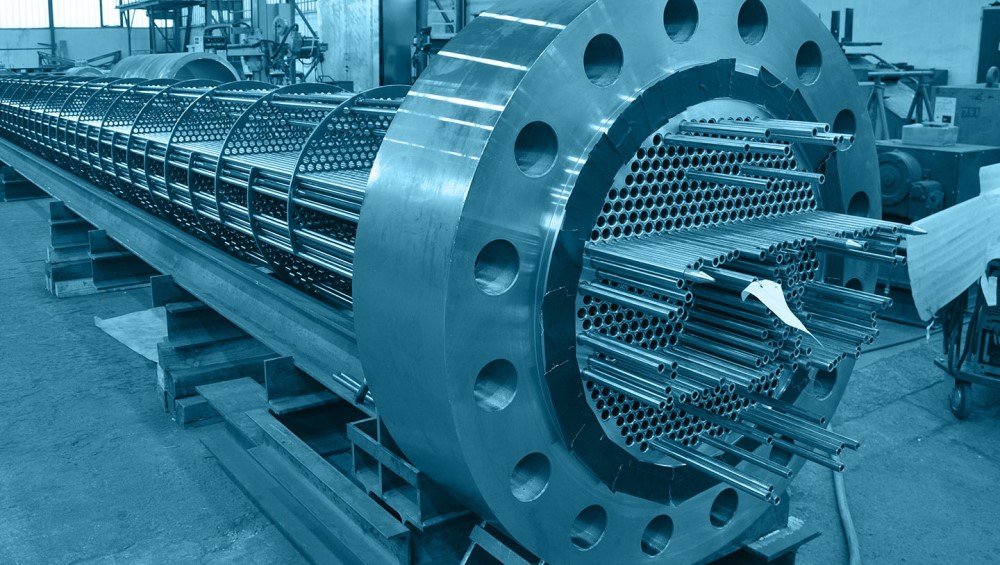
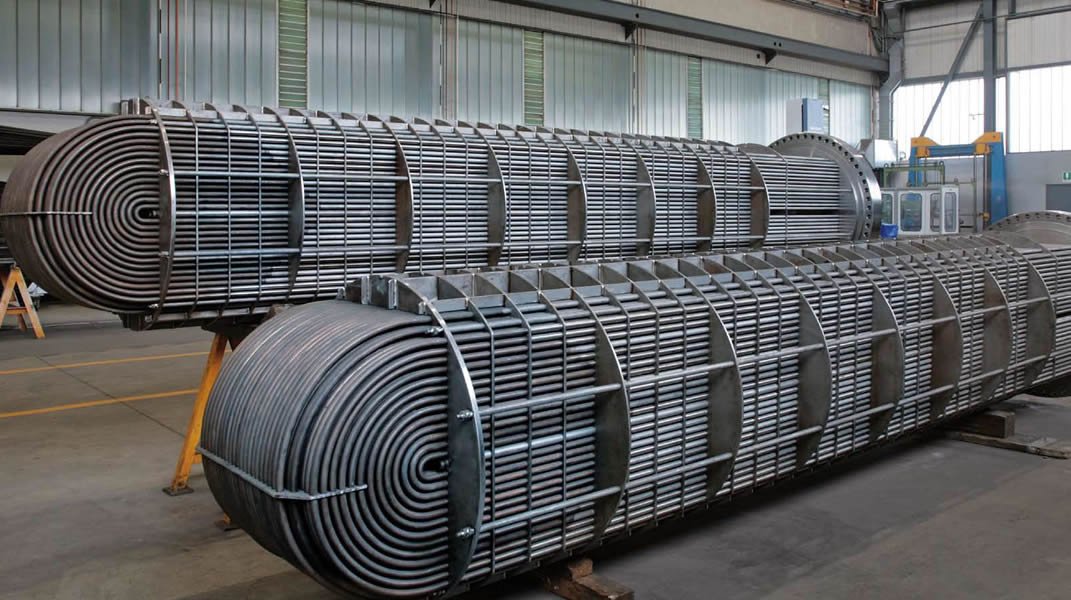
  • Comprises a cylindrical shell containing a bundle of tubes.
  • Handles higher pressures and temperatures, suitable for heavy-duty industrial applications.

3. Efficiency Comparison

  • PHE: Higher heat transfer efficiency due to increased surface area and turbulence.
  • STHE: Lower efficiency per unit volume but better for handling large temperature differences and phase changes.
    See 5 Proven Ways to Improve Heat Exchanger Efficiency for optimization tips.

4. Maintenance and Cleaning


5. Cost Considerations

  • PHE: Lower initial cost for small to medium duty applications.
  • STHE: Higher initial cost but potentially lower lifecycle cost in aggressive or high-pressure services due to longer durability.

6. Application Suitability

  • PHE: Food & beverage, HVAC, low-viscosity fluids.
  • STHE: Oil & gas, chemical processing, marine cooling, steam condensing.

7. Real-World Example

A chemical plant replaced a plate heat exchanger with a duplex stainless steel shell and tube design to handle seawater cooling. The change reduced maintenance frequency by 50% and improved system uptime, offsetting the higher initial cost within two years.


8. Conclusion

Choosing between a plate heat exchanger and a shell and tube heat exchanger depends on your process requirements, space constraints, budget, and maintenance capabilities.

For marine and aggressive environments, material selection is critical—see Best Material for Seawater Heat Exchanger for guidance. For fouling prevention, read 7 Effective Ways to Prevent Fouling in Heat Exchangers.


Contact DLSS
At DLSS, we manufacture high-quality stainless steel tubes for heat exchanger applications, ensuring optimal heat transfer, corrosion resistance, and long service life.
Email: info@dlsspipe.com
Website: www.dlsspipeline.com

Related Reading

Wonderful! Share This Case:

Austenitic Stainless Steel

Duplex Stainless Steel

Nickel Alloys

▪ Incoloy Family

▪ Inconel Family

▪ Monel Family

▪ Hastelloy Family

▪ Other Special Alloys

Cobalt Alloys

Related Posts

Selecting Stainless Steel Tubes for Food, Beverage & Sanitary Applications (2025 Guide)

Selecting Stainless Steel Tubes for

Why Sanitary Tubing Matters in Food and Beverage Systems In the food and beverage industry, stainless steel tubing is not just about mechanical performance—it’s about hygiene, cleanliness, and compliance. Tubes are used to transport milk, beer, juice, water, or cleaning agents in systems that demand zero contamination, excellent cleanability, and corrosion resistance. Improper material selection […]

Read More
Understanding ASTM A213 – Seamless Tubes for Heat Exchangers and Boilers

Understanding ASTM A213 – Seamless

Meta Description:Learn everything about ASTM A213: scope, material grades, dimensional tolerances, mechanical properties, and test methods. Ideal for engineers, buyers, and project managers working with heat exchanger and boiler tubing. Introduction ASTM A213 is one of the most critical international standards for seamless ferritic and austenitic alloy steel tubes, especially those used in boilers, superheaters, […]

Read More
How to Pass PMI, ET, and IGC Tests – Quality Control for Stainless Steel Tubes

How to Pass PMI, ET,

Meta Description:Learn how stainless steel tubes are tested with PMI, Eddy Current (ET), and Intergranular Corrosion (IGC) methods. Discover how DLSS ensures compliance and quality with international standards for critical applications. Introduction In high-performance industries—such as oil & gas, power generation, and pharmaceuticals—stainless steel tubes must pass rigorous testing to ensure reliability and safety. At […]

Read More
Selecting Stainless Steel Tubes for Chemical Processing Equipment (2025 Guide)

Selecting Stainless Steel Tubes for

Why Chemical Processing Requires Advanced Tubing Materials Chemical industries operate under some of the most corrosive and demanding environments. Stainless steel tubes used in reactors, acid circulation lines, scrubbers, and condensers are constantly exposed to aggressive chemicals like sulfuric acid, hydrochloric acid, chlorides, and high-pressure steam. Choosing the wrong material could lead to rapid corrosion, […]

Read More
latin-america-energy-projects-stainless-steel-opportunities

Latin America’s Energy Boom: Opportunities

In recent years, Latin America has emerged as a hotbed of industrial investment. From deepwater oil fields in Brazil to lithium mines in Argentina and sugar mills in Colombia, the region is investing heavily in infrastructure and energy. For suppliers of stainless steel tubes, heat exchanger coils, and industrial piping systems, this presents both a […]

Read More
How to Ensure Zero-Defect Delivery of High-Performance Alloy Pipes

How to Ensure Zero-Defect Delivery

1. Introduction For EPC contractors and end-users in desalination, LNG, chemical, and power projects, the reliability of piping systems depends on zero-defect delivery. High-performance alloys such as titanium tubes and nickel alloy pipes (Alloy 625, 825, C-276) are costly and used in critical applications where failure is not an option. This article outlines the key […]

Read More
Asia-Pacific Leads the Global Stainless Steel Seamless Tube Market: Trends and Opportunities Ahead

Asia-Pacific Leads the Global Stainless

Asia-Pacific (APAC) is not just the largest stainless steel seamless tube market—it’s the fastest-growing. Fueled by industrialization, infrastructure investment, and regional manufacturing dominance, APAC accounts for over 40% of global market share and is projected to grow steadily at 7.3%+ CAGR through 2030. For manufacturers, EPC contractors, and material buyers, understanding this region’s growth dynamics […]

Read More

Understanding NACE MR0175 / ISO

Meta Description:Learn the essential requirements of NACE MR0175 / ISO 15156 for stainless steel tubing. Discover how to ensure compliance in sour gas environments and avoid material failure. Introduction In the oil and gas industry, hydrogen sulfide (H₂S) poses one of the greatest threats to material performance. It causes Sulfide Stress Cracking (SSC) and Hydrogen-Induced […]

Read More

Request A Quote

*We respect your confidentiality and all information are protected.