Energy-Saving Tips for Industrial Heat Exchangers

DLSS - Heat Exchanger Knowledge Hub - Energy-Saving Tips for Industrial Heat Exchangers

1. Introduction – Energy Savings in Heat Exchangers

Industrial facilities often spend a significant portion of their energy budget on heating and cooling processes. Optimizing heat exchanger performance not only lowers energy consumption but also extends equipment life and reduces maintenance costs.

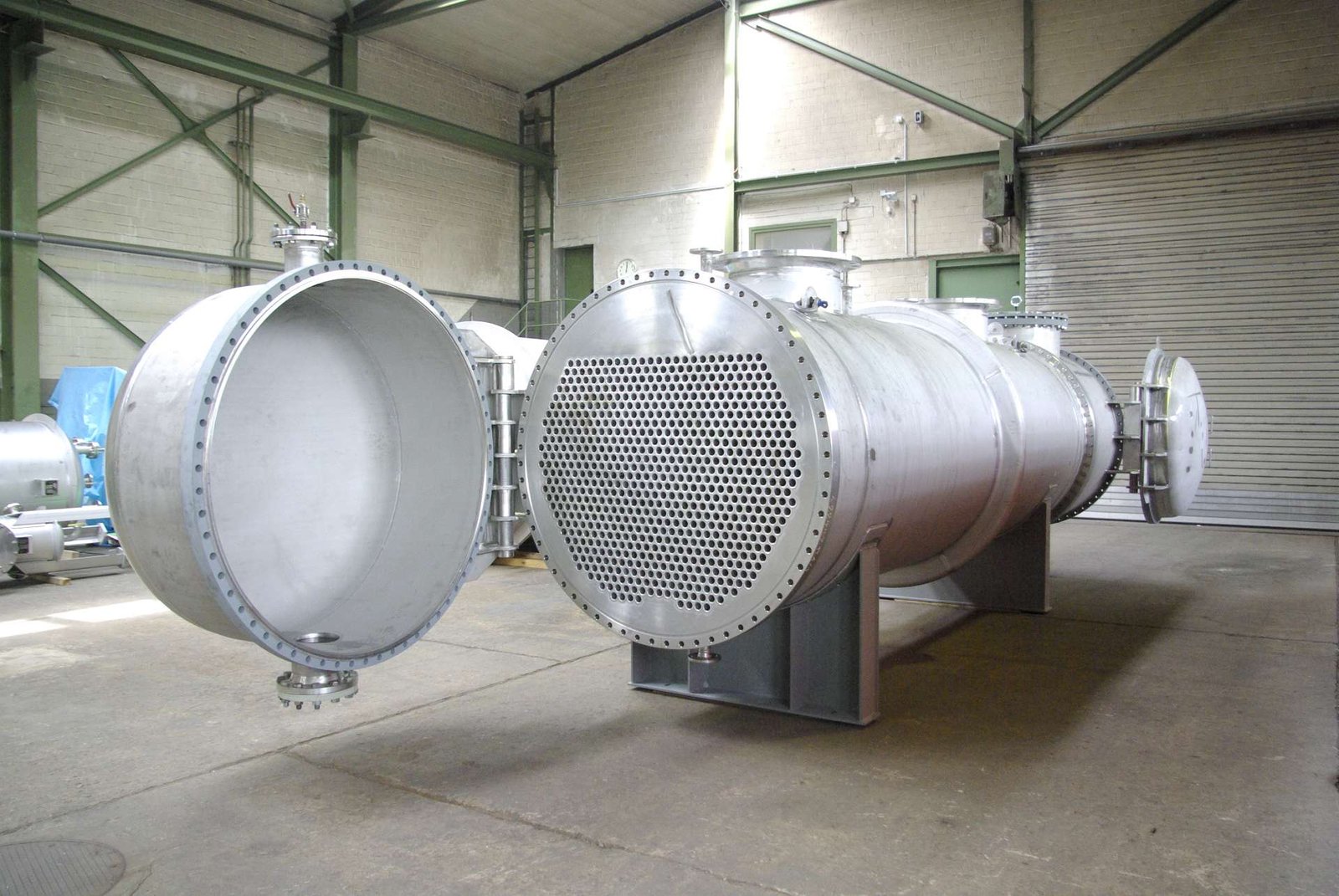
This guide shares proven strategies to maximize energy efficiency in shell and tube heat exchangers, plate heat exchangers, and air-cooled units.

For related topics, see 5 Proven Ways to Improve Heat Exchanger Efficiency, Shell and Tube Heat Exchanger Design Considerations, and Heat Exchanger Maintenance Checklist.


2. Optimize Heat Exchanger Design


3. Prevent Fouling and Scaling

Fouling reduces heat transfer efficiency and increases energy demand.


4. Recover Waste Heat

Install additional exchangers or integrate with process streams to capture and reuse heat that would otherwise be wasted. This is especially effective in oil refineries, food processing, and chemical plants.


5. Improve Flow Arrangements

  • Use counterflow configurations to maximize temperature differentials.
  • Adjust baffle spacing in shell and tube designs to enhance turbulence without causing excessive pressure drop.

6. Maintain Proper Operating Conditions

  • Monitor inlet and outlet temperatures to identify performance losses.
  • Keep flow rates within design parameters to avoid erosion or vibration damage.
  • Ensure water chemistry is within specified limits to prevent corrosion.

7. Upgrade Tube Materials

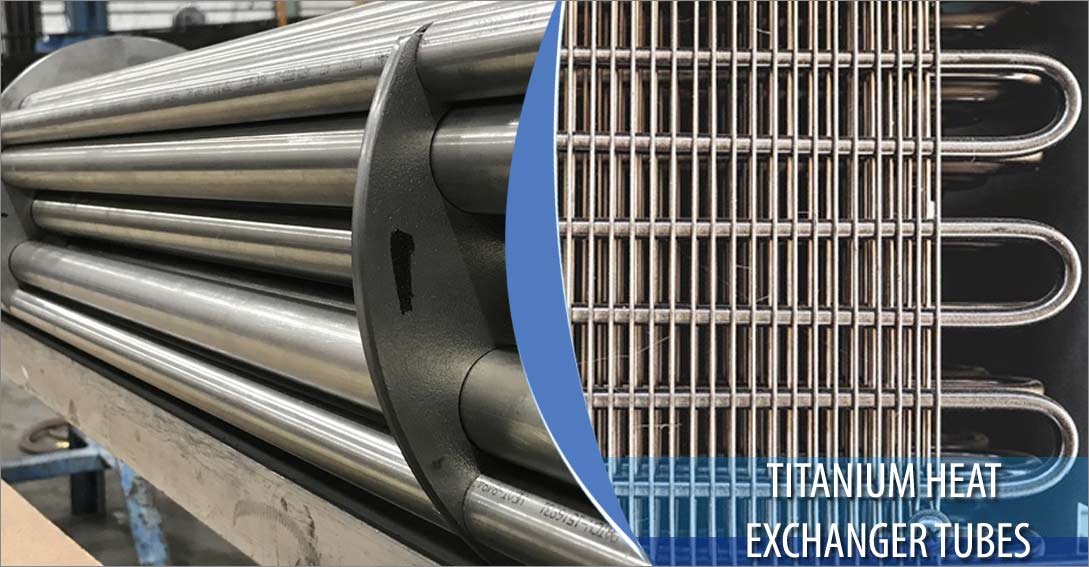
Switching to duplex stainless steel or titanium tubes in seawater-cooled applications can improve heat transfer stability and reduce cleaning frequency, resulting in long-term energy savings. See Best Material for Seawater Heat Exchanger.


8. Real-World Example

A beverage manufacturer upgraded their plate heat exchangers with optimized plate patterns and switched to duplex stainless steel tubing in auxiliary shell and tube units. This change reduced annual energy consumption by 12% and cut downtime by 20%.


9. Conclusion

Implementing energy-saving measures in industrial heat exchangers delivers both environmental and financial benefits. Whether through better design, preventive maintenance, or material upgrades, every efficiency improvement contributes to lower operational costs.

Explore our related guides for deeper insights:


Contact DLSS
At DLSS, we manufacture high-quality stainless steel tubes for heat exchanger applications, ensuring optimal heat transfer, corrosion resistance, and long service life.
Email: info@dlsspipe.com
Website: www.dlsspipeline.com

Related Reading

Wonderful! Share This Case:

Austenitic Stainless Steel

Duplex Stainless Steel

Nickel Alloys

▪ Incoloy Family

▪ Inconel Family

▪ Monel Family

▪ Hastelloy Family

▪ Other Special Alloys

Cobalt Alloys

Related Posts

Tuberías de Acero Inoxidable para Plantas de GNL en Perú y Colombia

Tuberías de Acero Inoxidable para

Meta descripción:Las plantas de GNL en Sudamérica exigen materiales con alta resistencia a presión, temperatura y corrosión. Descubra qué tuberías inoxidables son ideales para proyectos en Perú y Colombia. Introducción Perú y Colombia se están posicionando como centros estratégicos de exportación y distribución de GNL (Gas Natural Licuado).Con plantas como Melchorita LNG (Perú LNG) y […]

Read More
Top Surface Finishes for Stainless Steel Tubes – BA, EP, Polished, and More

Top Surface Finishes for Stainless

Meta Description:Discover the most common surface finishes for stainless steel tubes—BA, EP, polished, pickled—and how each impacts corrosion resistance, cleanliness, and application suitability. Introduction Surface finish plays a critical role in determining the performance and aesthetics of stainless steel tubes, especially in industries like pharmaceuticals, food processing, heat exchangers, and instrumentation systems. Whether your project […]

Read More

How to Ensure NACE MR0175

Meta Description:Discover how to meet NACE MR0175/ISO 15156 compliance when sourcing stainless steel seamless tubes for sour service. Learn about materials, testing, certifications, and supplier selection. Introduction Sour gas environments—containing hydrogen sulfide (H₂S)—pose one of the greatest challenges for stainless steel tubes in the oil and gas industry. The presence of H₂S increases the risk […]

Read More
Aluminum Brass C68700 (O61) ASTM B111 Seamless Tube 19 × 1.6mm × 3000mm with 100% Eddy Current Testing for Condenser Applications.

Aluminum Brass C68700 (O61) ASTM

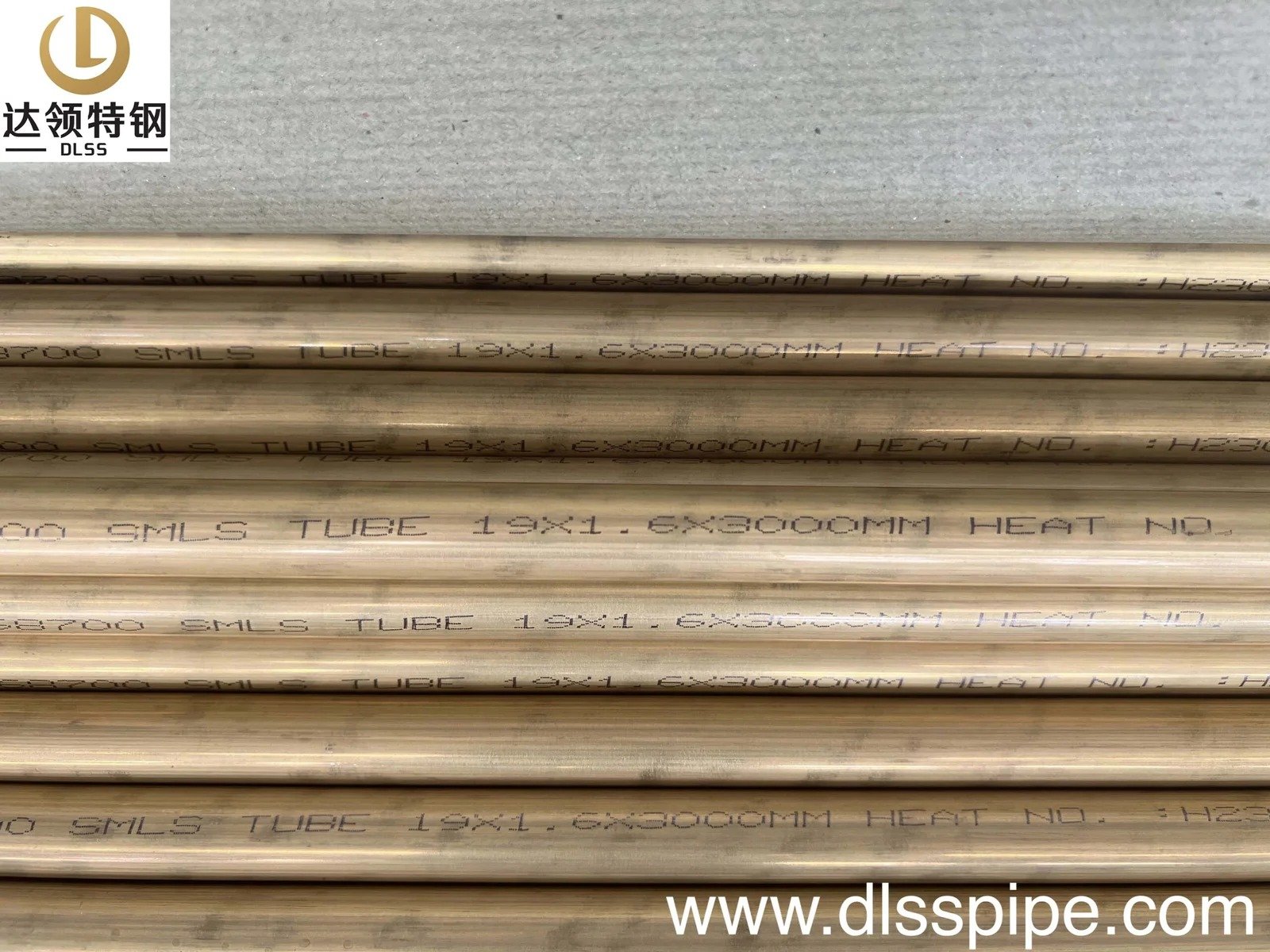
Product Overview: ASTM B111 C68700 Aluminum Brass Seamless Tube (19×1.6mm, 3000mm) C68700 Aluminum Brass, also known as Al-Brass, is a copper-zinc alloy enhanced with a small amount of aluminum. It is widely recognized for its exceptional resistance to dezincification, corrosion, and biofouling, especially in seawater and brackish water environments. This makes it one of the most trusted […]

Read More
Brinell Rockwell Vickers Shore hardness stainless steel tubes

Definitions and Representation Methods for

Introduction Hardness is one of the most important mechanical properties for evaluating metallic materials. It reflects a material’s resistance to deformation, wear, and penetration, which is critical for stainless steel seamless tubes used in boilers, heat exchangers, and petrochemical equipment. The most widely used hardness testing methods are Brinell (HB), Rockwell (HR), Vickers (HV), and […]

Read More
Comparing ASTM A213, A269, and A312 – Selecting the Right Stainless Steel Tube Standard

Comparing ASTM A213, A269, and

Meta Description:Confused by ASTM A213, A269, and A312 standards? Learn the key differences in scope, testing, and application for these stainless steel tube specifications to choose the right product for your project. Introduction When sourcing stainless steel tubes, choosing the correct ASTM standard is critical for compliance, safety, and performance. Among the most commonly used […]

Read More
Top Heat Exchanger Trends to Watch in 2025

Top Heat Exchanger Trends to

Meta Description:Discover the latest heat exchanger technologies—hybrid systems, additive manufacturing, AI monitoring, and advanced materials—shaping energy efficiency across industrial sectors. 1. Hybrid Heat Exchangers: The Next Evolution Hybrid systems combine multiple heat transfer technologies (e.g., plate-fin + shell-and-tube) to boost energy efficiency and reduce installation space. This market is growing rapidly, fueled by decarbonization goals […]

Read More
Titanium GR2 Condenser Tubes for Seawater Desalination Plants

Titanium GR2 Condenser Tubes for

1. Introduction Seawater desalination projects are expanding rapidly across the Middle East, North Africa, and Asia, with a market size of over 25 billion USD. One of the most critical components in desalination plants is the condenser and heat exchanger tubing, where Titanium Grade 2 (GR2) tubes are the preferred material. With unmatched corrosion resistance […]

Read More

Request A Quote

*We respect your confidentiality and all information are protected.