Stainless Steel Instrumentation Tubing for Japan’s Oil & Gas Projects – 日本石油・ガス産業向けステンレス計装チューブ

DLSS - Market Insights – Japan - Stainless Steel Instrumentation Tubing for Japan’s Oil & Gas Projects – 日本石油・ガス産業向けステンレス計装チューブ

Introduction

The oil and gas industry in Japan demands high-precision stainless steel instrumentation tubing for safe and efficient operation of control systems. DLSS supplies JIS G3446-compliant tubes with excellent corrosion resistance, precision dimensional tolerances, and long service life in harsh offshore and onshore environments.


1. Why Stainless Instrumentation Tubes for Oil & Gas(石油・ガスにステンレス計装チューブが必要な理由)

  • High Corrosion Resistance – withstands chloride-rich marine environments
  • Dimensional Precision – critical for leak-free instrumentation systems
  • Compatibility – works with Swagelok, Parker, and other leading fittings

2. Standards & Certifications(規格と認証)

DLSS instrumentation tubes comply with:


3. Common Applications in Japan(日本での主な用途)

  • Offshore platform control lines
  • Gas processing plant instrumentation
  • Refinery measurement systems
  • Subsea umbilical tubing assemblies

4. Packaging for Offshore Delivery(海上輸送用梱包)

  • Seaworthy export packaging
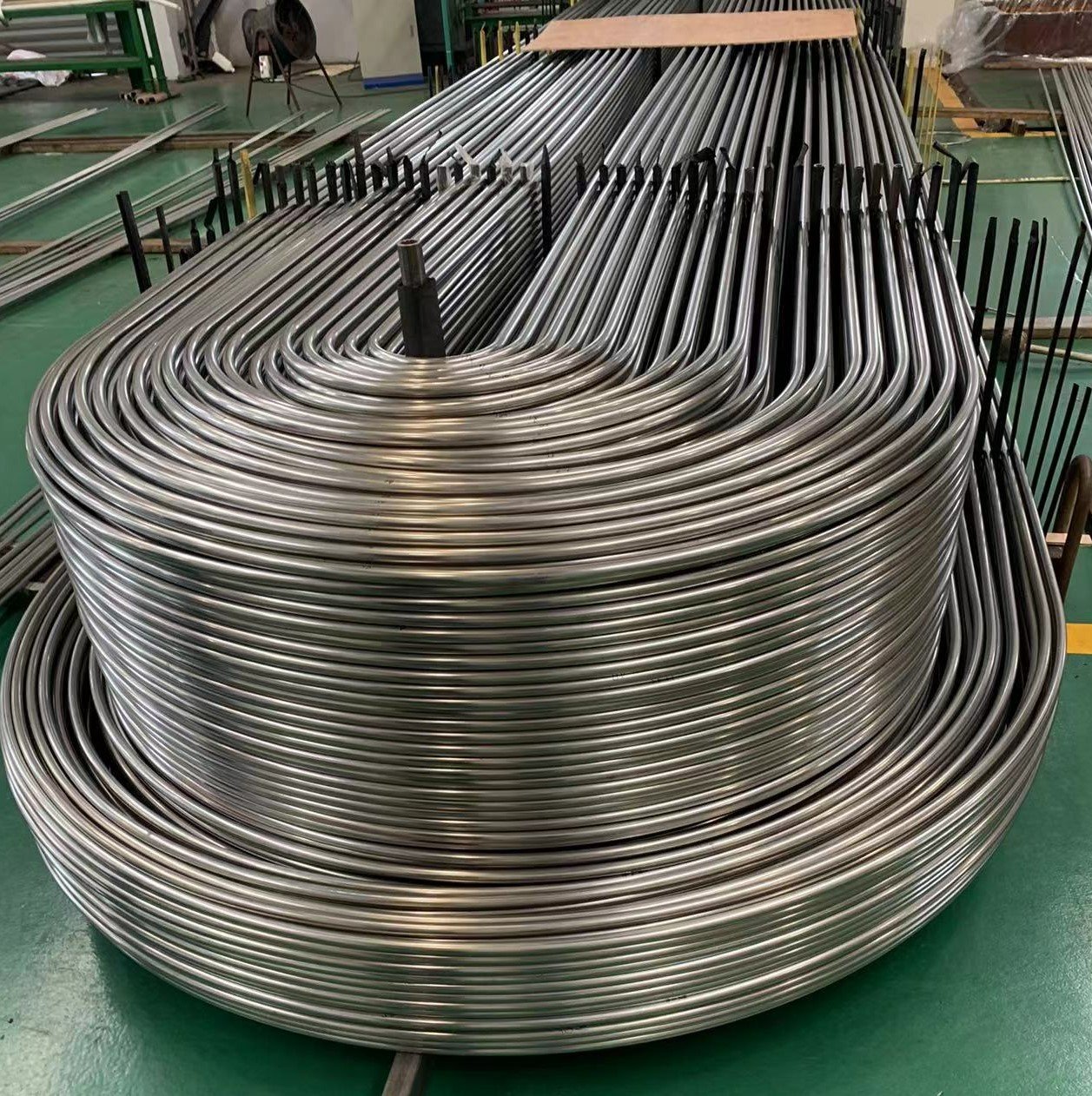
  • Coiled or straight lengths with capped ends
  • Wrapped in moisture-proof film to prevent corrosion during transit

5. Why Japanese Oil & Gas Companies Choose DLSS(日本の石油・ガス企業がDLSSを選ぶ理由)

  • Proven supply record for Japanese offshore EPC projects
  • Ability to supply both seamless and welded instrumentation tubing
  • Rapid delivery schedule to match shutdown and maintenance timelines

FAQ(よくある質問)

Q1: Which JIS standard applies to stainless steel instrumentation tubes?
A1: JIS G3446 for stainless steel precision tubes.

Q2: Can DLSS provide instrumentation tubes in both metric and inch sizes?
A2: Yes, we supply both metric and imperial sizes to meet project specifications.

Q3: What grades are most common for oil & gas instrumentation tubing?
A3: TP316/316L are most widely used for their chloride corrosion resistance.

Q4: Can DLSS provide tubing with special surface finishes for offshore projects?
A4: Yes, we offer bright annealed, polished, and passivated surfaces.

Q5: What is the lead time for supplying instrumentation tubes to Japan?
A5: Usually 35–50 days, depending on order volume and specifications.

Wonderful! Share This Case:

Austenitic Stainless Steel

Duplex Stainless Steel

Nickel Alloys

▪ Incoloy Family

▪ Inconel Family

▪ Monel Family

▪ Hastelloy Family

▪ Other Special Alloys

Cobalt Alloys

Related Posts

How to Interpret EN 10204 3.1 and 3.2 Material Certificates in Industrial Audits

How to Interpret EN 10204

Introduction In large-scale industrial projects—refineries, power plants, LNG terminals, or chemical facilities—material traceability is non-negotiable. Clients, third-party inspectors, and auditors often require EN 10204-compliant inspection certificates for stainless steel pipes, fittings, flanges, or pressure parts. But what do terms like 3.1 or 3.2 certificate actually mean? This article breaks down the types of EN 10204 […]

Read More
Brinell Rockwell Vickers Shore hardness stainless steel tubes

Definitions and Representation Methods for

Introduction Hardness is one of the most important mechanical properties for evaluating metallic materials. It reflects a material’s resistance to deformation, wear, and penetration, which is critical for stainless steel seamless tubes used in boilers, heat exchangers, and petrochemical equipment. The most widely used hardness testing methods are Brinell (HB), Rockwell (HR), Vickers (HV), and […]

Read More
Geothermal Heat Exchangers: How They Work and Why Stainless Steel Tubes Matter

Geothermal Heat Exchangers: How They

As global interest in renewable energy grows, geothermal systems are increasingly being adopted for heating, cooling, and even power generation. At the heart of these systems are geothermal heat exchangers, responsible for transferring thermal energy between the ground and the working fluid. This article explains how geothermal heat exchangers work, compares types, discusses key challenges […]

Read More
TP904L Stainless Pipes for Seawater Desalination in Japan – 日本海水淡水化向けTP904Lステンレス管

TP904L Stainless Pipes for Seawater

Introduction Japan’s seawater desalination plants operate in highly corrosive environments due to the presence of chlorides and high salinity. TP904L stainless pipes from DLSS offer superior resistance to pitting and crevice corrosion, making them an ideal choice for JIS G3459 – Stainless Steel Pipes for Corrosion Resistance compliance in marine applications. 1. Why TP904L for […]

Read More
heat exchanger tubes

Heat Exchanger Tubes: Standards, Materials,

Heat exchanger tubes are the backbone of many critical industries, including oil & gas, power generation, petrochemicals, shipbuilding, and desalination. Choosing the right tube material and ensuring compliance with international standards are essential to guarantee safety, efficiency, and long-term performance. In this article, we provide a detailed overview of standards, materials, manufacturing processes, and applications […]

Read More

TP304 vs TP316L: A Comprehensive

Introduction TP304 and TP316L are the two most widely used austenitic stainless steel grades in industrial piping, particularly in heat exchangers, boiler systems, and chemical plants. While both belong to the same stainless steel family, they differ in corrosion resistance, mechanical properties, and application suitability. In this article, we compare TP304 and TP316L across 5 key aspects to help engineers, procurement teams, and project […]

Read More
ASTM A312 vs ASTM A789: Which Stainless Steel Tube Standard Is Right for Oil & Gas Applications?

ASTM A312 vs ASTM A789:

Meta Description:Understand the key differences between ASTM A312 and ASTM A789 for stainless steel seamless tubes used in the oil & gas industry. Compare materials, applications, and testing requirements. Introduction In the oil and gas sector, selecting the right stainless steel tube standard is essential for long-term system performance. Among the most referenced specifications are: […]

Read More
NACE MR0175 vs MR0103: What’s the Difference in Stainless Steel Tube Procurement?

NACE MR0175 vs MR0103: What’s

Meta Description:Discover the key differences between NACE MR0175 and MR0103. Learn how each applies to stainless steel tubes used in sour service and refinery environments. Introduction When sourcing stainless steel tubes for corrosive environments, especially those involving hydrogen sulfide (H₂S), two international standards are frequently cited: While both relate to sulfide stress cracking (SSC) resistance, […]

Read More

Request A Quote

*We respect your confidentiality and all information are protected.