A Guide to Bright Annealed Stainless Steel Tubes – Benefits, Production, Applications

DLSS - Tubes For Heat Exchanger - A Guide to Bright Annealed Stainless Steel Tubes – Benefits, Production, Applications

Meta Description:
Discover what bright annealed stainless steel tubes are, how they’re produced, and why they are essential in hygienic and high-purity applications such as pharmaceuticals, food processing, and semiconductors.


Introduction

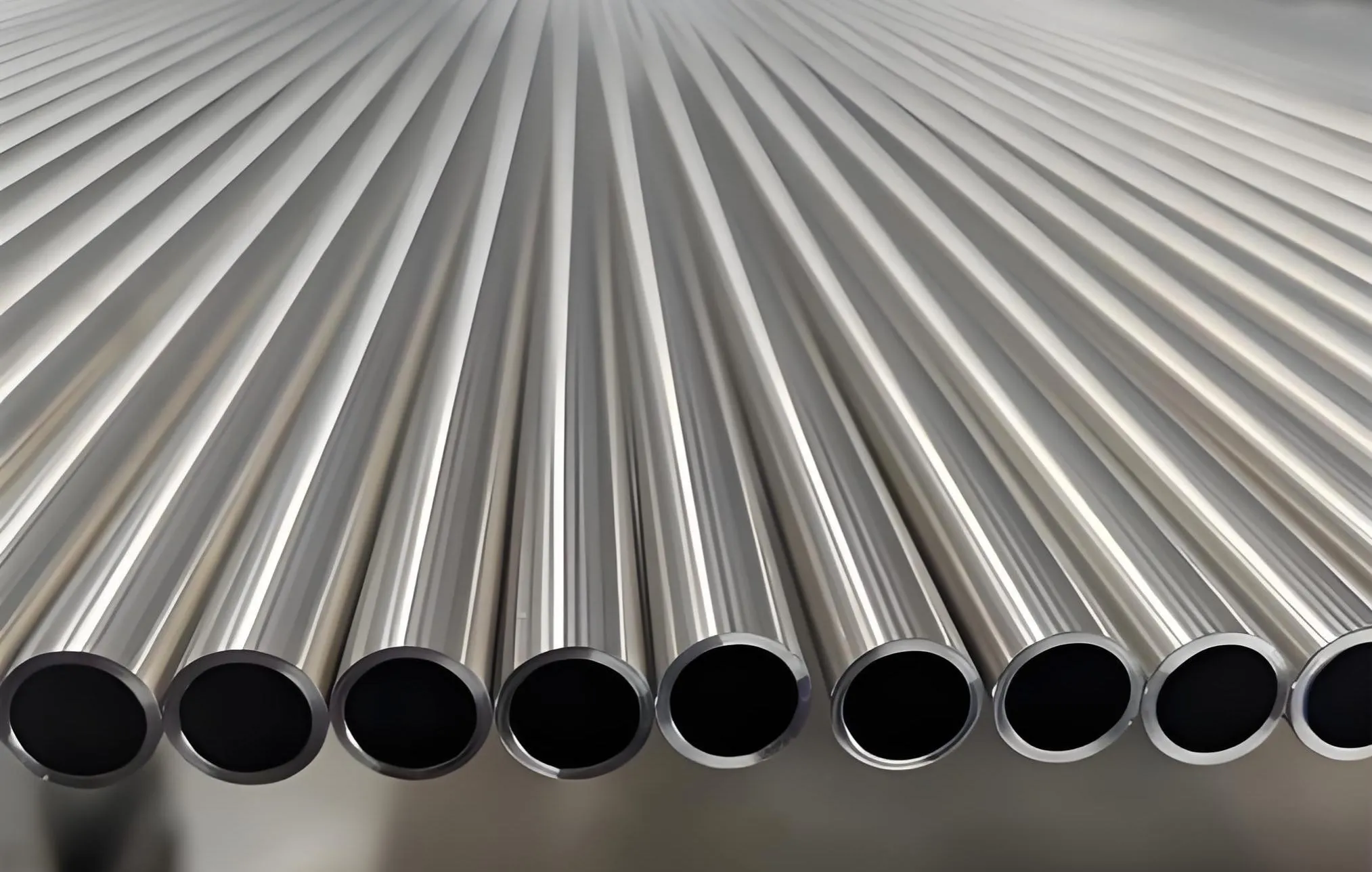
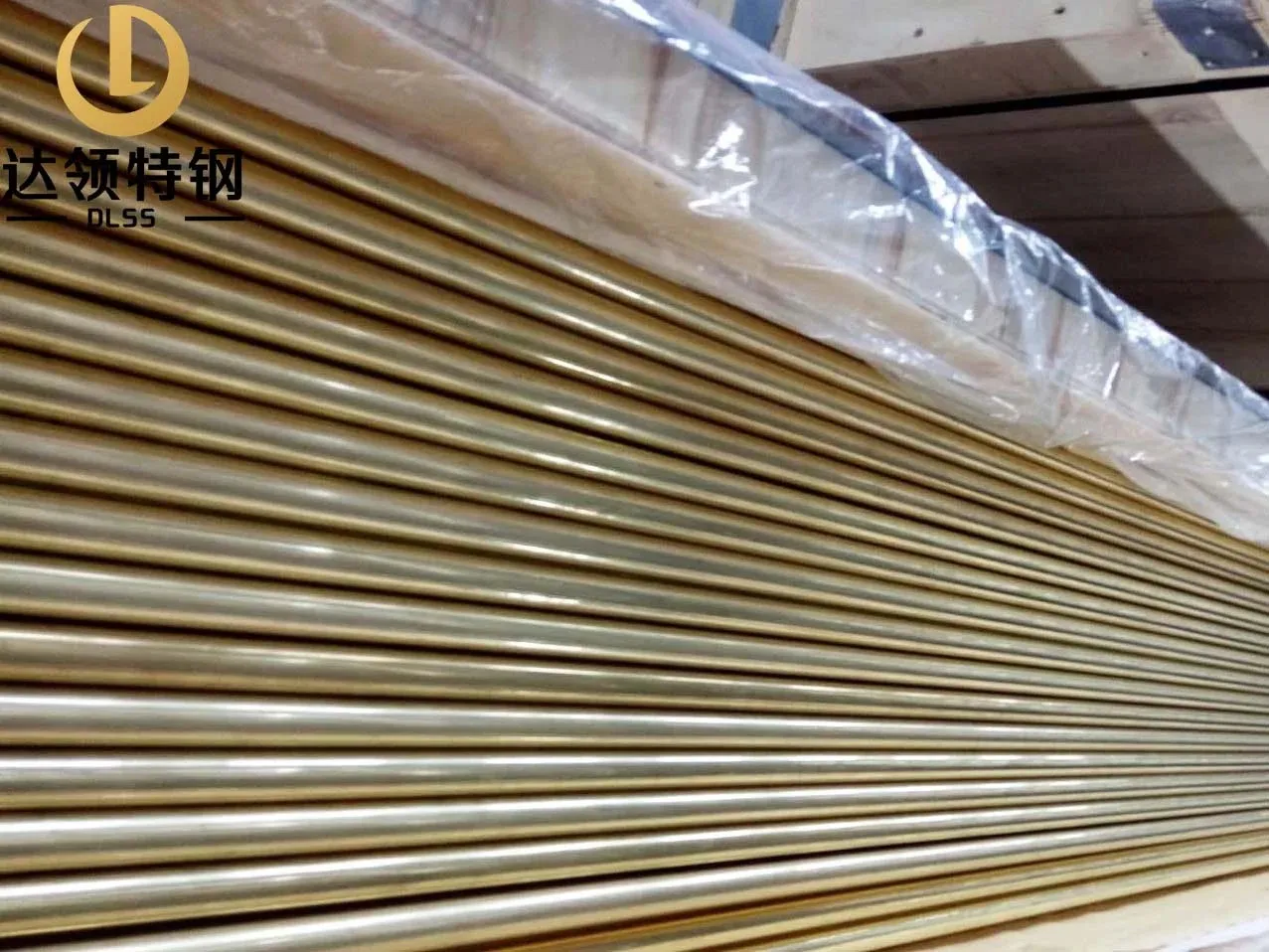
In industries where surface finish, corrosion resistance, and cleanliness are critical, Bright Annealed (BA) stainless steel tubes are the preferred solution. With a mirror-like internal and external finish, these tubes not only look premium—they perform better in corrosive and high-purity environments.

At DLSS, we manufacture and export high-precision BA tubes that meet international standards and the strict demands of cleanroom-grade industries.


1. What Is Bright Annealing?

Bright Annealing is a heat treatment process performed in a controlled, inert atmosphere (usually hydrogen or nitrogen mix) to prevent oxidation and preserve surface brightness.

Key Differences from Normal Annealing:

Normal AnnealingBright Annealing
Performed in airPerformed in inert gas atmosphere
Results in scale or discolorationProduces bright, smooth finish
Requires acid picklingNo pickling or passivation needed

Source: ASTM A269 – Standard for BA Tubes


2. Characteristics of Bright Annealed Tubes

  • Mirror-Like Surface Finish (Ra ≤ 0.2 µm)
  • Excellent Corrosion Resistance
  • Low Surface Contamination (No Pickling Residue)
  • High Dimensional Accuracy
  • Improved Flow Efficiency in Fluid Systems

BA tubes are widely used in systems requiring ultra-smooth surfaces to avoid fluid entrapment, biofilm formation, or metal ion leaching.


3. Manufacturing Process at DLSS

  1. Cold Drawing of Stainless Steel Hollow
  2. Solution Annealing in Inert Atmosphere Furnace (Hydrogen Purge)
  3. Automatic Straightening and Non-Destructive Testing (ET/UT)
  4. Mirror Surface Polishing (Optional: ID/OD)
  5. Hydrostatic Testing and Final Inspection
  6. Cleanroom Packing in PE Bags + End Caps + Hard Cases

All products are supplied with EN 10204 3.1 or 3.2 certification upon request.


4. Available Specifications

GradeSize Range (OD × WT)StandardSurface Finish
TP304 / 304L6mm – 50.8mm × 0.5–2.5mmASTM A269 / A213Bright Annealed
TP316 / 316L6mm – 38.1mm × 0.7–2.0mmASTM A269 / EN 10216-5BA / Polished
TP316L BA+EP6.35mm × 1.0mm typicalSEMI F20, DIN 11850BA + Electropolished
TP321 / 347Upon requestCustom ordersBright Annealed

Optional: Ultrasonic Test (per ASTM E213), Eddy Current, PMI, Grain Size


5. Applications of Bright Annealed Tubes

IndustryApplication
PharmaceuticalsWFI piping, autoclaves, sterile lines
Food & BeverageDairy lines, beer fermenters, sugar tanks
SemiconductorsUltra-pure water delivery
CosmeticsGMP-certified mixing pipelines
Medical Device PlantsCleanroom-grade air and gas tubing

Want to see real installations? Visit our project showcase page


6. Common Misconceptions

“Pickled tubes are just as clean.”
Pickling removes oxide scale, but leaves chemical residues. BA tubes come out clean, smooth, and chemically stable—ideal for contact with sensitive media.

“All BA tubes are the same.”
No. The purity of atmosphere, temperature control, and tube preparation all affect the final finish. DLSS uses high-precision furnaces and third-party validation to ensure quality.


FAQs

Q1: What is the Ra value of DLSS bright annealed tubes?
Ra ≤ 0.2 µm (inside surface), suitable for hygienic and semi-clean applications. For electropolished tubes, Ra can reach ≤ 0.05 µm.

Q2: Can BA tubes be bent or coiled?
Yes. We offer U-bend and coil configurations for BA tubes upon request, maintaining surface finish during forming.

Q3: What’s the difference between BA and EP tubes?
EP (Electropolished) tubes are usually made from BA tubes with further internal surface polishing using electrolytic methods. EP is ideal for ultra-pure or semiconductor-grade systems.

Q4: What packaging options are available?
All DLSS BA tubes are sealed with PE caps, packed in PE film, and stored in clean hard cases or wooden crates, suitable for export and cleanroom entry.


Conclusion

Bright Annealed stainless steel tubes offer a cleaner, smoother, and more corrosion-resistant option for industries where hygiene and purity are not negotiable. DLSS delivers tubing with traceable quality, tested performance, and global support.


Contact DLSS
Email: info@dlsspipe.com
Website: www.dlsspipeline.com

Looking for high-purity stainless steel tubing? DLSS provides BA and BA+EP tubes tailored to your project’s demands—with fast delivery and compliance documentation.
Wonderful! Share This Case:

Austenitic Stainless Steel

Duplex Stainless Steel

Nickel Alloys

▪ Incoloy Family

▪ Inconel Family

▪ Monel Family

▪ Hastelloy Family

▪ Other Special Alloys

Cobalt Alloys

Related Posts

How to Select the Right Stainless Steel Seamless Pipe for Projects in South America

Why High-Performance Grades Like 904L,

As industrial applications become more extreme—whether due to high chloride content, elevated temperatures, or corrosive media—the demand for high-alloy stainless steel seamless tubes is rising sharply. Materials such as 904L, 2205 duplex, and 2507 super duplex are seeing significant adoption across oil & gas, chemical processing, desalination, and offshore energy sectors. According to recent reports, […]

Read More

Common Condenser Coil Problems &

1. Why Your Condenser Coil Matters for AC Performance The condenser coil is the component in your outdoor air conditioning unit that releases indoor heat to the environment. When clogged or damaged, your AC system can’t cool effectively, leading to high energy bills, system strain, and premature breakdown. 2. Top 5 Common Condenser Coil Problems 3. Warning Signs […]

Read More
africa-refinery-power-projects-stainless-steel-demand

Africa’s Refining and Power Surge:

Africa is undergoing a once-in-a-generation infrastructure transformation. New refineries, LNG terminals, combined cycle power plants, and mining developments are emerging across Nigeria, Egypt, Algeria, Angola, Kenya, and beyond. For stainless steel tube and pipe suppliers, this is not just a trend—it’s a new frontier. The continent’s demand for high-quality industrial piping, heat exchanger tubes, and […]

Read More

3.2 Certificate, TPI inspection and

Product Information ASME SA179 Seamless U-tubes ∅19.05 × 2.11min × L12210.9~13617.8mm, Total: 1,352 pcs Project Background The end user is a large energy and chemical company. Due to severe quality issues with previously sourced ASME SA179 tubes from India—leading to equipment shutdown and project suspension—the customer urgently needed to procure new tubes for heat exchanger […]

Read More

ASME, EN, and JIS Standards

In global heat exchanger projects, engineers and procurement teams often face a critical question: Which material standard should we follow—ASME, EN, or JIS? Each of these standards governs stainless steel tube production but comes from different regions and technical philosophies. Understanding their differences helps avoid miscommunication, ensure regulatory compliance, and make smart sourcing decisions. In […]

Read More
How to Accurately Measure Pipe Wall Thickness Using a Micrometer

How to Accurately Measure Pipe

In the manufacturing and inspection of metal pipes—whether stainless steel, carbon steel, or alloy—the wall thickness is a key dimensional parameter. Precise wall thickness affects mechanical strength, pressure resistance, and long-term reliability, especially in critical applications such as heat exchangers, boilers, and petrochemical piping systems. One of the most accurate methods for determining wall thickness […]

Read More
ASTM B111 C70600 (O61) Copper-Nickel Seamless Tube 16 × 1.0mm × 3000mm with 100% Eddy Current Testing for Condenser Applications

ASTM B111 C70600 (O61) Copper-Nickel

Product Overview: ASTM B111 C70600 Seamless Copper-Nickel Tube (16×1.0mm, 3000mm) C70600, also known as 90/10 Copper-Nickel, is a marine-grade copper alloy containing 90% copper and 10% nickel. It’s renowned for its outstanding resistance to seawater corrosion, biofouling, and stress corrosion cracking, making it a top choice for condenser tubes and heat exchanger systems, especially in power plants, […]

Read More
What is Electropolished Tubing and When Should You Use It?

What is Electropolished Tubing and

Meta Description:Discover what electropolished (EP) stainless steel tubing is, how it’s made, and where it’s used. Ideal for pharmaceutical, semiconductor, and ultra-high-purity industries requiring extreme surface cleanliness and corrosion resistance. Introduction In industries where surface cleanliness, corrosion resistance, and bacterial control are critical, standard stainless steel tubing may not be enough. That’s where Electropolished (EP) […]

Read More

Request A Quote

*We respect your confidentiality and all information are protected.