Middle East Market Insight: Stainless Steel Seamless Tube Demand in Refining and Desalination Projects

DLSS - Pipe&Tube - Middle East Market Insight: Stainless Steel Seamless Tube Demand in Refining and Desalination Projects

The Middle East remains one of the world’s largest consumers of stainless steel seamless tubes—driven by oil & gas refining, petrochemical facilities, and mega-scale desalination and water treatment plants.

As Gulf countries shift toward more technologically advanced, environmentally compliant, and cost-efficient infrastructure, the demand for U-bent heat exchanger tubes, duplex/super duplex grades, and ASME/PED-certified seamless tubes is surging.

This article outlines the current stainless steel tube market dynamics in the Middle East and how DLSS Pipeline is supplying key projects across the region.


1. What’s Driving Demand in the Middle East?

A. Refinery Expansions

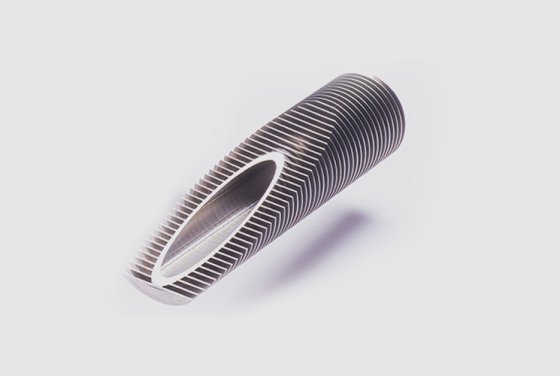
Major players in Saudi Arabia, UAE, Kuwait, and Iraq are upgrading old refineries and building new ones (e.g., Jazan, Ruwais, Al-Zour). Heat exchanger tubes are needed in condensers, preheaters, and boiler units, often in U-shape with tight bending tolerances.

B. Desalination & Water Projects

With freshwater scarcity, Gulf nations are building large-scale reverse osmosis (RO) and thermal desalination plants—where 2507 super duplex, 2205, and 904L tubes are used in evaporators, condensers, and brine coolers.

C. Process Intensification in Petrochemicals

Heat recovery, acid treatment, and gas separation systems demand high-performance seamless tubes with resistance to chlorides, acids, and temperature cycling.

D. EPC and Specification Requirements

Projects typically demand ASME SA213 / SA789, EN 10216-5, or dual-certification. Materials must be supported by EN 10204 3.1/3.2, third-party inspection (SGS, BV), and seaworthy packaging.


2. Key Countries and Project Types

CountrySectorTube Demand Features
Saudi ArabiaRefining, desalinationU-tubes, 904L, 316L, PED-certified
UAEPower, RO water plantsDuplex/Super duplex, AP finish, tight tolerance
OmanPetrochemicalSeamless tube in 317L, 2205
KuwaitMega refinery (Al-Zour)ASME SA213, MTC 3.2, seaworthy crate delivery
QatarLNG & district coolingBA-finish coils, U-tubes, TP316L/TP304L

3. DLSS Seamless Tube Offerings for Middle East Projects

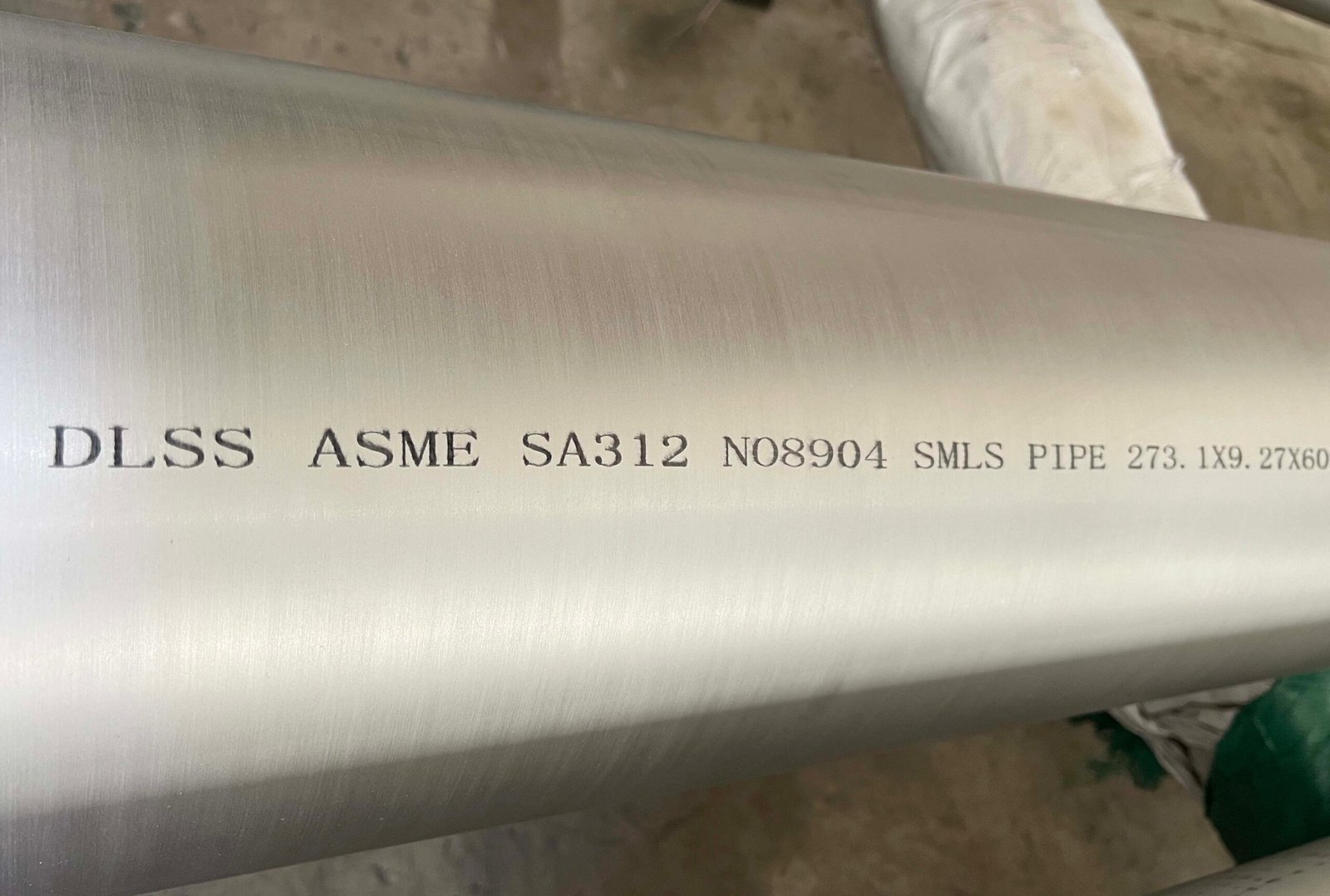
  • Grades: TP316L, TP317L, 904L, 2205, S32750
  • Sizes: 12.7 mm – 38.1 mm OD; 0.8 – 3.0 mm WT
  • Finishes: Pickled (AP), Bright Annealed (BA), custom polishing
  • Forms: Straight, U-bend, cut-to-length, coil
  • Documentation: Full test report, MTC, TPI certification, origin certificate

See more at www.dlsspipeline.com


Frequently Asked Questions (FAQ)

Q1: Do Middle East clients require special packaging?
Yes—U-tubes and long tubes are typically packed in wooden crates with ISPM-15 certification, labeled for heat number and country of origin.

Q2: What are the most common inspection requests?
SGS, Lloyd’s, BV, or customer-nominated inspection with hydro test, PMI, UT, and ECT.

Q3: How does DLSS ensure on-time export to the Middle East?
We coordinate with major ports (Ningbo, Shanghai) and freight agents familiar with GCC customs regulations and project deliveries.


Conclusion

The Middle East’s commitment to high-performance, long-lifecycle infrastructure is creating a strong, specification-driven market for stainless steel seamless tubes. Whether for a mega-refinery, RO desalination plant, or petrochemical reactor, tube suppliers must meet the region’s exacting technical and commercial standards.

DLSS Pipeline is your trusted source for certified, corrosion-resistant, and project-ready seamless tubes delivered across the Gulf.

Wonderful! Share This Case:

Austenitic Stainless Steel

Duplex Stainless Steel

Nickel Alloys

▪ Incoloy Family

▪ Inconel Family

▪ Monel Family

▪ Hastelloy Family

▪ Other Special Alloys

Cobalt Alloys

Related Posts

Quality Inspection Methods for Stainless Steel Heat Exchanger Tubes

Quality Inspection Methods

Ensuring the quality of stainless steel tubes is critical for the long-term reliability and safety of heat exchangers. Whether used in chemical plants, power stations, oil & gas facilities, or food processing systems, defective or poorly inspected tubes can lead to costly failures, shutdowns, or safety hazards. In this article,...

Read More
Best Material for Seawater Heat Exchanger: 5 Options Compared for Corrosion Resistance and Performance

Seawater Heat Exchanger

Choosing the right seawater heat exchanger tube materials is one of the most important steps in a seawater heat exchanger project. Seawater contains chlorides and dissolved oxygen. It can cause corrosion very fast if the tube material is not suitable. Common problems include: For engineers and buyers, the best material...

Read More

Seamless vs Welded

Introduction One of the most common engineering decisions in piping systems is: “Should we use seamless or welded stainless steel pipes?” While both types comply with international standards, they differ significantly in: This article compares seamless vs. welded pipes in detail to help engineers, EPC contractors, and project managers select...

Read More

Why Seamless Stainless

When designing a high-performance heat exchanger, tube material is a critical factor. Stainless steel, particularly in seamless form, is gaining popularity across industries thanks to its mechanical strength, corrosion resistance, and thermal reliability. In this article, we’ll break down why seamless stainless steel tubes are the ideal choice for demanding heat exchanger...

Read More
How to Improve Heat Exchanger Efficiency: Practical Tips for Better Heat Transfer Performance

How to Improve

Heat exchanger efficiency is important for chemical plants, refineries, power plants, marine systems, HVAC systems, food processing lines, and heat recovery projects. When a heat exchanger does not perform well, the result may be higher energy consumption, unstable outlet temperature, increased pressure drop, frequent cleaning, leakage, or unexpected downtime. Improving...

Read More
steel demand Global Market Outlook for Stainless Steel Seamless Pipes (2025–2030)

Global Market Outlook

Introduction The stainless steel seamless pipe industry is entering a new growth phase driven by infrastructure investments, energy transition, and decarbonization.From oil & gas to clean energy, seamless pipes play a vital role in delivering strength, corrosion resistance, and reliability across mission-critical systems. In this article, we provide an up-to-date...

Read More
ASTM A312 vs ASTM A789: Which Stainless Steel Tube Standard Is Right for Oil & Gas Applications?

ASTM A312 vs

Introduction In the oil and gas sector, selecting the right stainless steel tube standard is essential for long-term system performance. Among the most referenced specifications are: While both serve critical purposes in petroleum refining, offshore rigs, and midstream transport systems, they differ significantly in material composition, mechanical properties, and application...

Read More
How DLSS Controls Grain Size for Austenitic Stainless Steel Tubes – Why It Matters

How DLSS Controls

Introduction Grain size in stainless steel is more than just a microscopic characteristic—it directly affects mechanical strength, corrosion resistance, formability, and creep performance. For critical applications such as heat exchangers, nuclear power, and chemical processing, maintaining the correct grain size (typically ASTM No. 5 to No. 8) is a specification...

Read More

Request A Quote

*We respect your confidentiality and all information are protected.