Global Outlook: Growth Trajectory of Stainless Steel Seamless Tube Market (2025–2030)

DLSS - Pipe&Tube - Global Outlook: Growth Trajectory of Stainless Steel Seamless Tube Market (2025–2030)

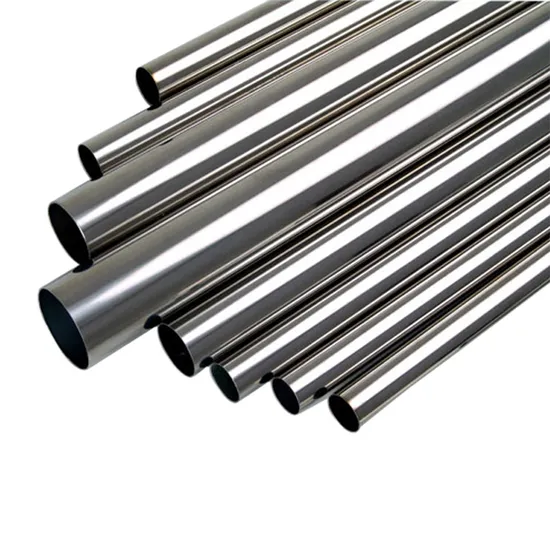
The global stainless steel seamless tube market is entering a phase of steady, diversified, and value-driven expansion. As industries demand higher performance under increasingly harsh conditions, seamless tubes are gaining preference over welded ones—especially in heat exchanger, petrochemical, power, and clean energy applications.

According to recent market reports, the stainless steel seamless tube market is projected to grow from USD 3.88 billion in 2025 to over USD 5.15 billion by 2030, reflecting a CAGR of approximately 5.8%.

In this article, we examine the growth drivers, regional dynamics, and key opportunities that define the market outlook—and how DLSS Pipeline is positioned to serve this global transformation.


1. What’s Driving Global Growth?

A. Infrastructure Modernization

Global investment in power plants, chemical plants, district heating, and renewable energy systems is increasing the demand for high-performance piping.

B. Rise in Heat Exchanger Applications

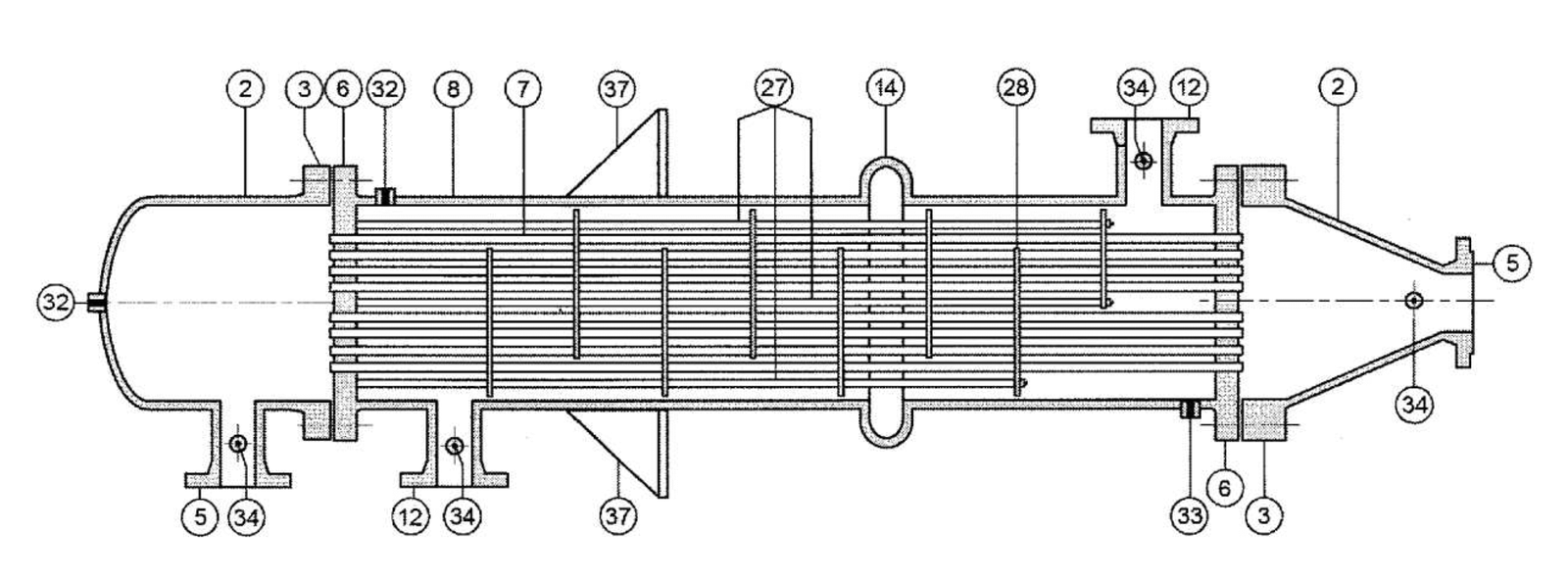
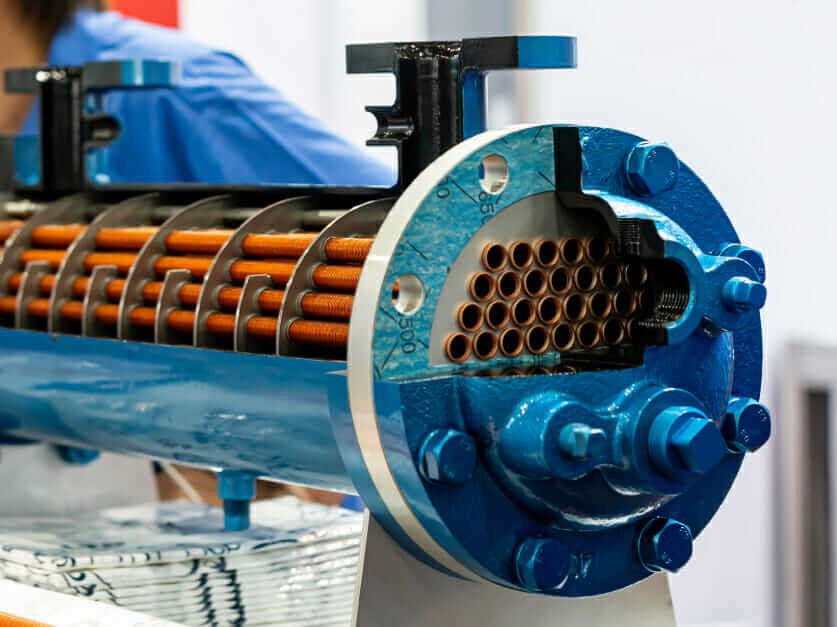
Shell-and-tube and U-bend heat exchangers are widely adopted in energy, HVAC, and food processing—driving steady tube consumption.

C. Preference for Seamless over Welded

Seamless tubes offer better pressure resistance, dimensional accuracy, and uniformity—making them the go-to choice for demanding environments.

D. Industrial Upgrades in Developing Regions

Asia-Pacific, the Middle East, and parts of Africa are rapidly upgrading refineries, steel plants, and wastewater systems—fuelling demand for seamless pipes.


2. Market Size and Forecast (2025–2030)

  • 2025: USD 3.88 billion
  • 2030: USD 5.15 billion
  • CAGR: ~5.8%
  • Heat exchanger tube segment CAGR: ~9.5% (2025–2032)

This growth is supported by energy efficiency regulations, urbanization, and a growing shift toward cleaner process technology—all of which rely on seamless piping solutions.


3. Regional Highlights

Asia-Pacific (APAC)

  • Largest and fastest-growing market (>40% share)
  • Strong demand in China, India, Vietnam, and Indonesia
  • Government push for industrial and energy self-sufficiency

North America

  • Mature market driven by shale gas, retrofitting, and sustainability mandates
  • Strong preference for ASME SA213-compliant tubes

Europe & Middle East

  • Focused on high-alloy materials, duplex/super duplex grades
  • Energy transition (hydrogen, solar thermal, offshore wind) spurring growth

4. What This Means for Engineers and Buyers

  • Supply security: Choosing capable manufacturers with integrated production and QC matters more than ever
  • Standard versatility: Projects require EN, ASME, and sometimes dual-certified tubing
  • Tailored solutions: Custom lengths, heat treatment, and surface finish (pickled/BA) are increasingly demanded

DLSS Pipeline provides seamless stainless steel tubes with full compliance to ASME SA213, EN 10216-5, and PED directives—exported to 40+ countries worldwide.


Frequently Asked Questions (FAQ)

Q1: Why is the market shifting toward seamless tubes?
Seamless tubes offer superior strength, resistance to pressure and corrosion, and are more reliable for high-temperature or aggressive media.

Q2: Which industries will drive the most growth by 2030?
Heat exchangers in power, HVAC, petrochemical, food, hydrogen, and marine systems.

Q3: What grades are leading this growth?
TP316L, TP317L, 2205 duplex, and S32750 super duplex are in high demand for their corrosion resistance.


Conclusion

The stainless steel seamless tube market is on a sustainable upward trajectory, powered by global industrial growth, energy transition, and quality-conscious engineering. For manufacturers, EPCs, and system designers, aligning with reliable tube suppliers is key to project success.

DLSS Pipeline is ready to support your next high-performance application with precision-manufactured, inspection-ready seamless tubes.

Wonderful! Share This Case:

Austenitic Stainless Steel

Duplex Stainless Steel

Nickel Alloys

▪ Incoloy Family

▪ Inconel Family

▪ Monel Family

▪ Hastelloy Family

▪ Other Special Alloys

Cobalt Alloys

Related Posts

316 vs 316L vs 316Ti stainless steel

316 vs 316L

1. Overview In demanding industries such as heat exchangers, condensers, boilers, and pressure vessels, stainless steels of the 316 family are among the most widely used materials. However, choosing between 316, 316L, and 316Ti depends on factors like weldability, temperature stability, and corrosion resistance. At DLSS (Zhejiang Daling Special Steel...

Read More
In‑Depth Guide to Finned Tubes: Why They’re Trending in 2025

In‑Depth Guide to

Overview & Industry Outlook Finned tubes are rapidly gaining attention in 2025 due to their unmatched ability to enhance thermal transfer efficiency in compact spaces. According to MarketWatch, the finned tube heat exchanger market is projected to reach USD 20+ billion globally, driven by the expanding needs of HVAC systems,...

Read More
Spiral Finned Tube vs Extruded Finned Tube: Which is Better for Your Project?

Spiral Finned Tube

When selecting spiral finned tube vs extruded finned tube for a heat exchanger, engineers must weigh performance, durability, and operating costs. Both fin types enhance heat transfer, but their differences can significantly affect long-term efficiency. If you’re new to finned tubes, start with What is a Finned Tube and How...

Read More
Exploring Different Types of Pipe-Based Heat Exchangers: Double Tube, Stove Pipe, Exhaust Pipe, and Heat Pipe Designs

Exploring Different Types

In various industrial and domestic applications, heat exchangers are essential for optimizing thermal efficiency, reducing energy waste, and lowering operational costs. Among the many designs, pipe-based heat exchangers play a crucial role due to their structural simplicity and high effectiveness. This blog explores four common types: the Double Tube Heat...

Read More
Top Stainless Steel Industry Trends in 2025: Sustainability, Advanced Alloys, and Smart Manufacturing

Top Stainless Steel

1. Sustainable Stainless Steel Production With the global push toward decarbonization, the stainless steel industry is rapidly transitioning to green steel production. In 2025: Key Keywords: green stainless steel, low-carbon stainless steel, ISO 14001 stainless tube supplier 2. Global Capacity Shifts and Import Pressure According to CRU Group, stainless steel...

Read More
Top 10 Applications of Stainless Steel Tubes in the Oil & Gas Industry

Top 10 Applications

Introduction The oil and gas industry operates under extreme conditions—high pressure, corrosive environments, and fluctuating temperatures. To ensure safety and durability, stainless steel tubes are essential components across upstream, midstream, and downstream operations. This article highlights the 10 most common applications of stainless steel tubes in the oil & gas...

Read More
Brinell Rockwell Vickers Shore hardness stainless steel tubes

Definitions and Representation

Introduction Hardness is one of the most important mechanical properties for evaluating metallic materials. It reflects a material’s resistance to deformation, wear, and penetration, which is critical for stainless steel seamless tubes used in boilers, heat exchangers, and petrochemical equipment. The most widely used hardness testing methods are Brinell (HB),...

Read More

How Precision Stainless

In high-demand industrial environments, precision stainless steel tubing is more than just a conduit—it plays a critical role in enhancing the overall efficiency and stability of a system. This article delves into how precision stainless steel tubes contribute to improving industrial system performance. The Importance of Precision Tubing 1、Enhanced Heat Transfer Efficiency...

Read More

Request A Quote

*We respect your confidentiality and all information are protected.