
304 / 304L Stainless Steel Material Guide
Understand 304 and 304L stainless steel properties, key differences and selection considerations for heat exchanger tubes.
304 and 304L are chromium-nickel austenitic stainless steels. The lower carbon content of 304L helps reduce carbide precipitation and susceptibility to sensitization-related intergranular corrosion following welding heat exposure.
304
UNS S30400
304L
UNS S30403
Material Family
Austenitic Stainless Steel
1. Grade Designations
| Designation | 304 | 304L |
|---|---|---|
| UNS | S30400 | S30403 |
| Common ASTM Tube Grade | TP304 | TP304L |
| Common EN Reference | 1.4301 | 1.4307; also 1.4306 for relevant material variants |
| Material Family | Austenitic stainless steel | Austenitic stainless steel |
| Main Distinction | Standard-carbon grade | Low-carbon grade with reduced sensitization risk |
A grade-name cross-reference is not proof of complete equivalence between product specifications.Before accepting an alternative, verify the required chemical composition, mechanical properties, construction, dimensions, delivery condition and inspection requirements.
304 is commonly associated with EN 1.4301. The 304L family includes references such as EN 1.4307 and 1.4306; these EN grades do not have identical composition requirements. For example, the 1.4306 variant has a higher nickel content than 1.4307.
2. Chemical Composition
The chemical composition requirements depend on the applicable product specification. The following table presents reference limits for ASTM A213 TP304 and TP304L seamless tubes.
| Element | TP304 | TP304L |
|---|---|---|
| Carbon (C) | 0.08 | 0.035 |
| Chromium (Cr) | 18.0–20.0 | 18.0–20.0 |
| Nickel (Ni) | 8.0–11.0 | 8.0–12.0 |
| Manganese (Mn) | 2.00 | 2.00 |
| Silicon (Si) | 1.00 | 1.00 |
| Phosphorus (P) | 0.045 | 0.045 |
| Sulfur (S) | 0.030 | 0.030 |
Note
These values are specific to ASTM A213/A213M-23 and should not be applied universally to ASTM A249, A269 or other product standards. Always verify the ordered specification and edition.
3. Mechanical & Physical Properties
Mechanical acceptance limits must be taken from the relevant product specification and delivered condition.
Mechanical Reference — Alleima 3R12 at 20°C
| Property | Published Reference |
|---|---|
| 0.2% proof strength, Rp0.2 | ≥210 MPa |
| 1.0% proof strength, Rp1.0 | ≥240 MPa |
| Tensile strength, Rm | 515–680 MPa |
| Elongation, A | ≥45% |
| Elongation, A₂in | ≥35% |
| Hardness | ≤90 HRB |
Physical Reference — Alleima 3R12
| Property | Published Reference |
|---|---|
| Density | 7.9 g/cm³ |
| Thermal conductivity at 20°C | 15 W/(m·K) |
| Elastic modulus at 20°C | 200 GPa |
| Specific heat capacity at 20°C | 475 J/(kg·K) |
Design Review Point
Room-temperature strength and physical-property data do not establish a tube pressure rating or design allowable stress.
4. Corrosion & Service Considerations
304 and 304L provide good general corrosion resistance in many industrial environments. However, their suitability depends on the actual process conditions.
Welding-Related Intergranular Corrosion
304L has lower carbon content, reducing the risk of sensitization and intergranular corrosion associated with welding heat exposure.
Pitting & Crevice Corrosion
Chloride-containing environments may cause pitting and crevice corrosion. Temperature, chloride concentration and deposits should be considered during material selection.
Stress Corrosion Cracking
Both grades may be susceptible to chloride-induced stress corrosion cracking under certain temperature and stress conditions.
Project Review Point
Before selecting the material, evaluate:Process Media · Chlorides · Temperature · Cleaning Conditions · Fabrication History304 / 304L should not be considered universal materials for seawater or aggressive chloride service.
5. Fabrication & Heat Treatment Considerations
304 / 304L stainless steel tubes offer good weldability and formability. The required finished condition should be specified according to the actual application.
Welding
Confirm welding procedures, filler materials and inspection requirements according to the project specification.
U-Bending & Forming
Define tube dimensions, bend radius, wall thinning, ovality and post-bending inspection requirements.
Heat Treatment
Solution annealing and subsequent cooling shall follow the applicable product specification and agreed manufacturing requirements.
Surface Finish & Cleaning
Specify the required surface finish, internal cleanliness, tube-end protection and packing requirements.
Important Note
The final delivery condition should cover all agreed manufacturing, bending, heat treatment and finishing operations.
6. Applicable Tube Standards for 304 / 304L
A material grade identifies the alloy. A product specification adds requirements for manufacturing, dimensions, delivered condition and inspection.
ASTM A213
Seamless Heat Exchanger Tubes
ASTM A249
Welded Heat Exchanger & Condenser Tubes
ASTM A269
General-Service Stainless Steel Tubing
EN 10216-5
Seamless Stainless Steel Tubes for Pressure Purposes
Wall Thickness Basis
| Specification | Wall Designation / Ordering Point |
|---|---|
| ASTM A213 | Minimum wall, or average wall when specified in the order |
| ASTM A249 | Nominal-wall specification |
| ASTM A269 | Nominal-wall specification |
| EN 10216-5 | Confirm the ordered dimensions and applicable tolerance requirements |
Purchasing Point
Specify the standard and edition, grade, construction, wall basis, dimensions and inspection requirements.“304L stainless steel tube” alone is not a complete purchasing specification.
7. Material Verification
Review the delivered tubes and supporting records against the approved purchase specification.
Review the Material Test Certificate
Check the stated grade, product standard, delivered condition, heat or batch references and reported results.Confirm that the certificate can be linked to the supplied material. Evaluate chemistry and required test results against the specified acceptance criteria—not only the grade printed in the heading.
Understand the Limits of XRF PMI
Conventional handheld XRF can identify many alloying elements, but it cannot directly measure carbon.Consequently, an XRF grade identification does not independently verify the low-carbon requirement of 304L. Where carbon verification is required, specify suitable analytical evidence with material traceability.
Confirm Dual-Grade Certification
For a proposed 304/304L dual-certified supply, request evidence that the material meets both grade requirements under the ordered product specification.Review the applicable chemistry, mechanical properties, delivered condition and certification basis. A dual-grade marking or certificate heading alone is not sufficient evidence of complete compliance.The relevant general requirements address chemistry, mechanical tests, heat treatment, inspection and certification—not just material naming.
Verification Point
Material identification, chemical analysis, mechanical testing and product-standard compliance are separate verification requirements. Each should be evaluated against the applicable purchase specification.
8. What to Include in a 304 / 304L Tube RFQ
A clear RFQ identifies the required material and the finished-tube requirements.
| Requirement | Information to Provide |
|---|---|
| Material | TP304 / TP304L / Specifically approved dual-grade requirement |
| Product Specification | Standard and edition |
| Construction | Seamless or welded |
| Dimensions & Quantity | OD × WT × length, wall basis, tolerances and quantity |
| Tube Form | Straight, U-bend or other specified configuration |
| Delivery Condition | Heat treatment, surface and cleanliness requirements |
| Inspection & Documents | Required tests, acceptance criteria, certificate type and witness requirements |
| Project Requirements | Drawing / TDC, packing, destination and required schedule |
Example RFQ Wording
Product Specification: ASTM A213M-25
Grade: TP304L
Construction: Seamless
Dimensions: 25.4 mm OD × 2.11 mm minimum wall × 6,000 mm finished length
Quantity: As specified in the tube list
Inspection: According to the applicable standard and approved project specification
This is an illustrative purchasing example, not a recommendation that the stated material or dimensions suit a particular heat exchanger.
Suggested Purchasing Instruction
Any proposed deviation from the specified grade, construction, wall basis, product standard or inspection requirements must be identified for purchaser approval before production.
9. Related Products & Technical Guides
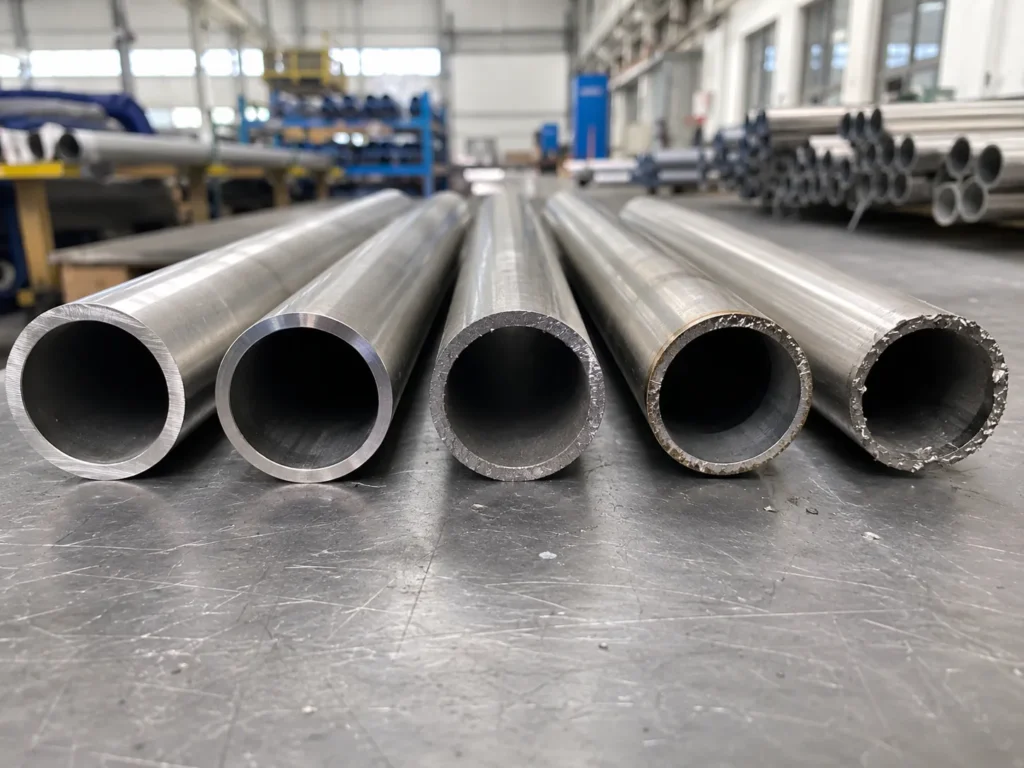
Stainless Steel Heat Exchanger Tubes
Explore stainless steel tube grades, configurations and purchasing requirements.
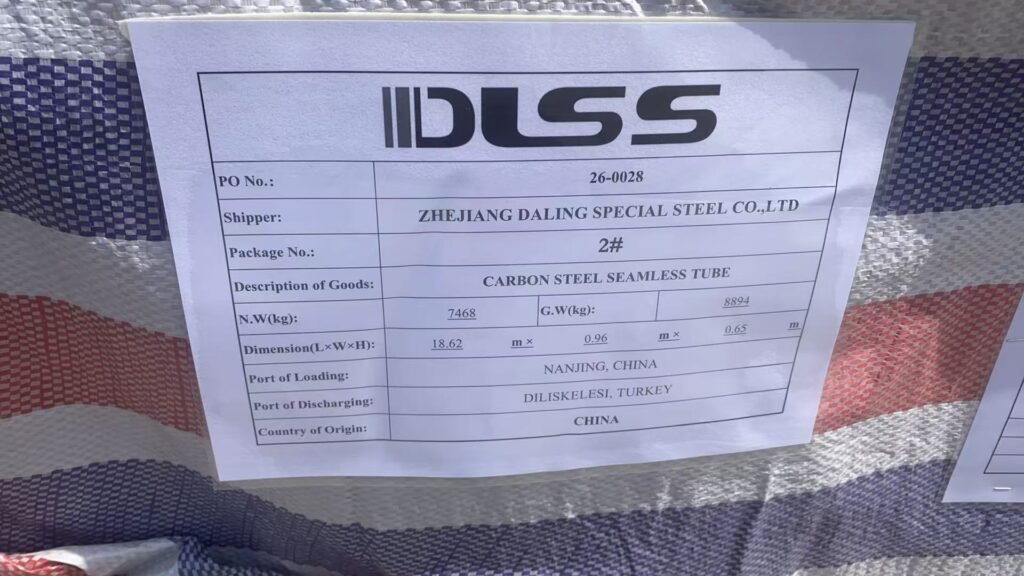
ASTM A213 vs A269
Compare tube construction, wall designation and specification requirements.
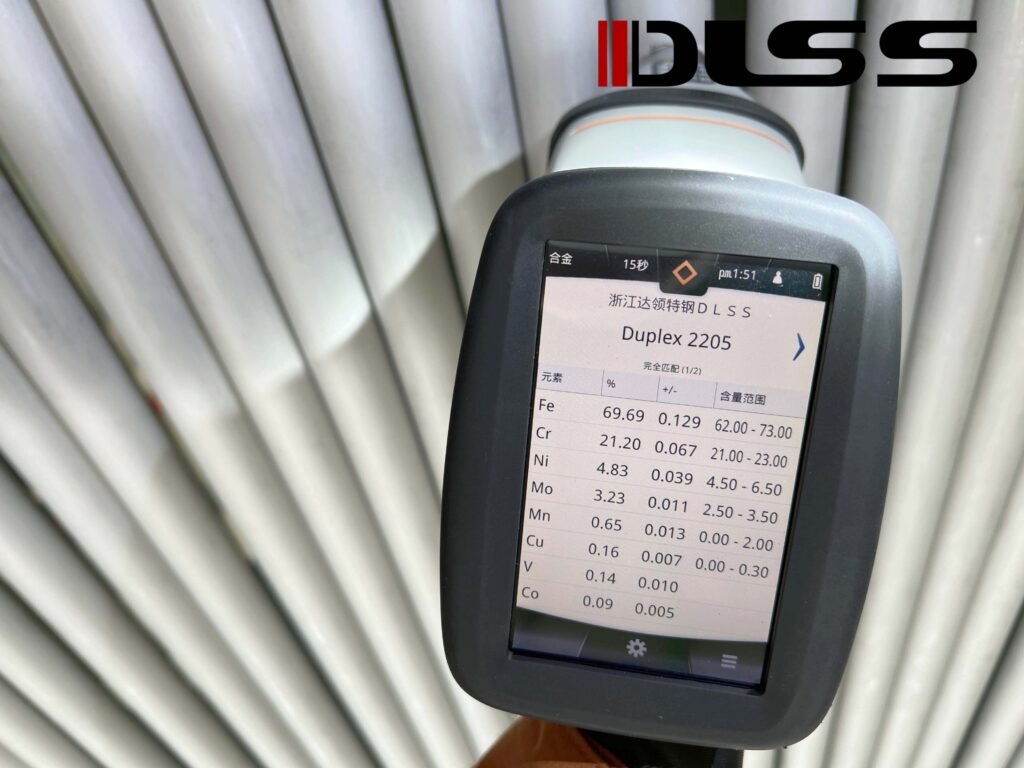
PMI Testing Guide
Understand alloy verification, instrument limitations and material-identification requirements.
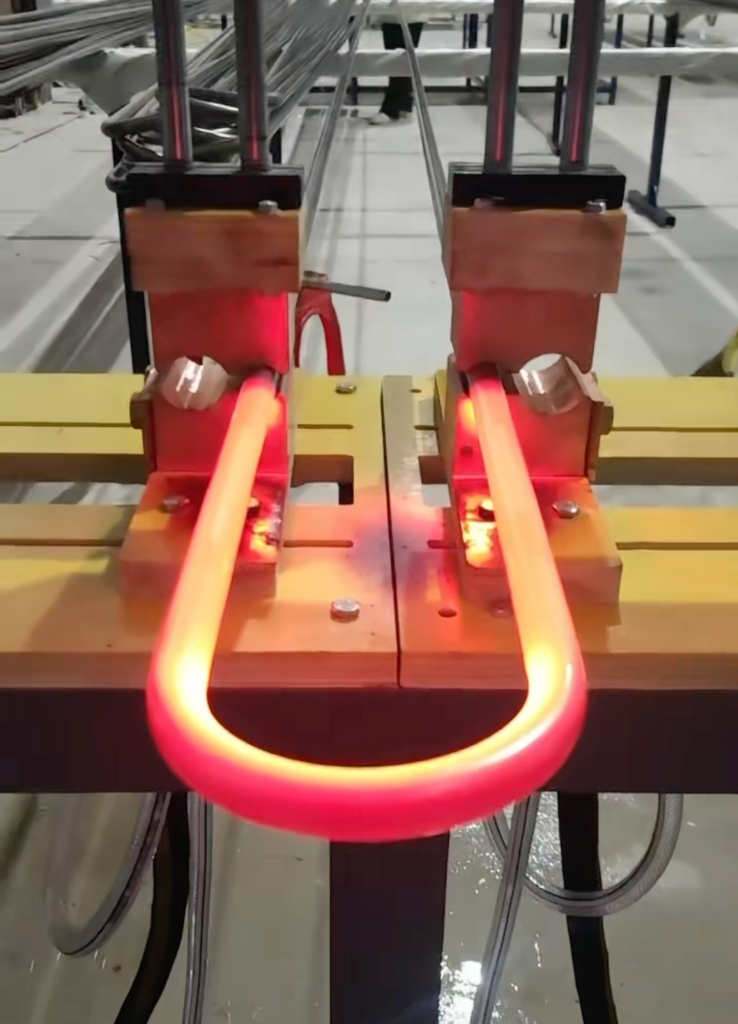
Heat Treatment & Solution Annealing
Review material-specific treatment requirements and process records.
Need Help Reviewing Your 304 / 304L Tube Specification?
Send your material grade, product standard, tube dimensions and inspection requirements for supply review.
This guide supports material and purchasing review. Governing standards, approved drawings and project requirements remain the basis for supply and acceptance.